

Understanding Your Options in the Fight Against Hair Loss
The Landscape of Hair Loss Treatments
Hair loss, particularly androgenetic alopecia (AGA), affects a vast number of men and women. Over 50% of men over 40 and up to 75% of women over 65 experience this condition. Fortunately, the range of effective treatments has expanded considerably, moving beyond the two traditional FDA-approved medications—topical minoxidil and oral finasteride—to include light-based therapy, regenerative procedures, and a new generation of topical compounds.
FDA-Approved Medications: Minoxidil and Finasteride
Topical minoxidil (Rogaine) remains the only over-the-counter medication approved for both men and women. It works by vasodilation and prolonging the anagen (growth) phase, increasing hair density by 10–30% and thickness by 10–25% after several months of consistent use. The 5% solution is more effective than 2% for men, but women are often advised to use the 2% strength to reduce the risk of unwanted facial hair. Oral minoxidil, though not FDA-approved for hair loss, is sometimes prescribed off-label in low doses for patients who do not tolerate the topical form.
Finasteride (Propecia) is a prescription pill for men that inhibits type II 5α-reductase, reducing dihydrotestosterone (DHT) levels by about 70%. It slows hair loss in nearly 90% of users and can increase hair density by 10–20% after one year. Side effects, including erectile dysfunction and reduced libido, occur in roughly 1–2% of men and may persist in rare cases. Finasteride is not FDA-approved for women, especially those of childbearing age, due to risk of birth defects. Dutasteride, a more potent 5α-reductase inhibitor, is used off-label for hair loss in some countries but carries a higher side-effect profile.
Low-Level Laser Therapy (LLLT)
Low-level laser therapy, also called photobiomodulation, has been FDA-cleared since 2007 for stimulating hair growth in AGA. It uses red or near-infrared light (630–1200 nm) at low power densities to energize mitochondria in hair follicle stem cells, increasing ATP production and shifting follicles from resting (telogen) to growth (anagen) phase. Clinical studies consistently show significant increases in hair density and thickness. A large meta-analysis of seven randomized controlled trials confirmed a statistically significant improvement in hair density with LLLT compared to sham devices, with no difference in efficacy between men and women or between comb-type and helmet-type devices.
A 2017 study directly comparing LLLT (iGrow helmet) with topical 5% minoxidil in women found both treatments similarly effective, and combining the two produced better results than either alone. Another randomized trial in men reported that LLLT was comparable to 5% minoxidil in increasing hair density after six months. LLLT is non-invasive, painless, and has a remarkably low incidence of adverse effects—the most common being a temporary shedding phase that resolves with continued use. Devices range from handheld combs to full caps, with typical regimens of 15–30 minutes three times per week for at least six months.
Topical Alternatives: Beyond Minoxidil
A growing number of plant-derived and peptide-based topical compounds offer alternatives for patients who cannot tolerate standard medications or seek additional options. These ingredients target multiple pathways in hair follicle biology, including 5α-reductase inhibition, stem cell activation, and reduction of inflammation. The table below summarizes some of the most well-studied agents.
| Ingredient | Source / Company | Mechanism of Action | Key Evidence |
|---|---|---|---|
| Redensyl (1–3%) | Givaudan, Switzerland | Decreases stem cell apoptosis, activates beta-catenin to initiate anagen | Double-blind trial: 85% improvement, +8% hair density, +10,000 new hairs in 3 months |
| Capixyl (5% intensive, 0.5–2.5% preventive) | Lucas Meyer Cosmetics, US | 5α-reductase inhibitor, increases ECM proteins for hair anchoring | 4-month study: 46% increase in anagen/telogen ratio vs. 33% decrease with placebo |
| Procapil (3%) | Sederma, France | Vasodilation, DHT inhibition, increases adhesion proteins | 4-month pilot: 67% of patients showed significant improvement in anagen/telogen ratio |
| Anagain (2–4%) | Mibelle Biochemistry, Switzerland | Increases noggin and FGF-7 to limit telogen and promote anagen | 3-month gel study: significantly decreased telogen density and increased anagen density |
| Rosemary oil | Rosmarinus officinalis | Antioxidant, spasmolytic, enhances scalp perfusion | 6-month RCT vs. 2% minoxidil: no significant difference in hair count; less scalp itching |
| Saw palmetto (SP) | Serenoa repens berries | Competitive inhibitor of both 5α-reductase isoforms | 50-week RCT: 27% increase in hair count vs. 14% with vehicle |
Combination products containing several of these ingredients (e.g., Redensyl + Capixyl + Procapil) have shown efficacy comparable or superior to 5% minoxidil in small trials, with fewer side effects.
Regenerative Therapies: PRP, Exosomes, and Stem Cells
Platelet-rich plasma (PRP) therapy uses the patient’s own blood to concentrate growth factors that stimulate dormant follicles. Clinical studies report increases in hair density and thickness after a series of injections (typically three initial treatments monthly, followed by maintenance every 3–6 months). Advanced versions like Platelet-Rich Fibrin Matrix (PRFM) release growth factors over a longer period, potentially improving outcomes.
Exosome therapy, a newer regenerative approach, introduces signaling molecules derived from stem cells that communicate with hair follicle cells to encourage repair and reactivation. While early results are promising, human efficacy data remain limited. Cell-based therapies, such as dermal sheath cup cells (marketed in Japan) and cultured dermal papilla cells (in Phase 1/2a trials), aim for single-administration follicle regeneration, but these are still experimental.
JAK Inhibitors for Alopecia Areata
For patients with alopecia areata (AA), an autoimmune form of hair loss, the FDA has approved three Janus kinase (JAK) inhibitors since 2022: baricitinib (Olumiant), ritlecitinib (Litfulo), and deuruxolitinib (Leqselvi). These medications block the immune attack on hair follicles, leading to significant regrowth in 65–70% of patients with severe AA within 3–6 months. Ritlecitinib is the only option approved for adolescents aged 12 and older. JAK inhibitors carry boxed warnings for serious infections, cardiovascular events, and malignancies, so they are reserved for moderate to severe cases.
Building a Personalized Treatment Plan
No single treatment works for everyone, and the most effective approach often combines multiple modalities. The three FDA-cleared options—minoxidil, finasteride, and LLLT—target different aspects of the hair cycle and are considered synergistic. Many dermatologists recommend early intervention: the best results occur when miniaturized follicles are still present. For patients who cannot tolerate or do not respond to standard therapies, topical alternatives and regenerative procedures offer viable additions. A thorough scalp analysis and medical history remain essential to identify underlying causes—whether genetic, hormonal, inflammatory, or nutritional—and to tailor a strategy that fits each individual’s goals and lifestyle.
Immediate Steps and First-Line Topical Solutions
How can I stop hair fall immediately?
While there is no instant cure for a chronic condition, you can take immediate action to address shedding. The first step is to see a board-certified dermatologist for a diagnosis. Many causes—such as stress, hormonal shifts, or nutritional deficiencies—can be reversed if caught early.
In the short term, adopt a gentle hair care routine. Use mild shampoos, avoid harsh chemicals and heat styling, and refrain from tight hairstyles that stress follicles. Managing stress through relaxation techniques and maintaining a balanced diet rich in protein and iron also supports scalp health.
For a medical jump-start, over-the-counter minoxidil (Rogaine) can help slow shedding and stimulate regrowth. Keep in mind that visible results typically require several months of consistent use. A dermatologist can also discuss prescription medications like finasteride (for men) or spironolactone (for women), and in-office procedures such as platelet-rich plasma therapy.
What are the best topical solutions for hair loss for men and women?
The most effective topical solution for both men and women is minoxidil (Rogaine), an FDA-approved treatment that slows hair loss and stimulates regrowth when applied consistently. It works by increasing blood flow to follicles and prolonging the active growth phase.
For those seeking natural alternatives, topical caffeine and rosemary oil have shown promise in promoting hair growth and strengthening follicles, with some studies comparing rosemary oil favorably to 2% minoxidil. Additional botanical extracts—such as pumpkin seed oil, saw palmetto, and formulations containing Redensyl or Capixyl—may serve as adjunct therapies, though larger studies are needed to confirm their efficacy.
Minoxidil remains the cornerstone of topical care. For personalized recommendations, a dermatologist can help determine the best solution based on your specific type of hair loss and health history.
Prescription Powerhouses: Finasteride and Beyond
What are the best hair loss treatments for men and women?
The most effective treatment for hair loss depends on the underlying cause, but several options are backed by strong scientific evidence. For androgenetic alopecia, the most common form of hair loss, the standard of care includes topical minoxidil (Rogaine) and, for men, oral finasteride (Propecia).
Minoxidil is an over-the-counter medication that works by increasing blood flow to hair follicles and prolonging the growth (anagen) phase. It is FDA-approved for both men and women. Men typically use the 5% strength twice daily, while women often use the 2% or 5% strength once daily. Visible results usually require 3 to 6 months of consistent use, and treatment must continue indefinitely to maintain benefits.
Finasteride is a prescription oral medication approved only for men. It blocks the conversion of testosterone to dihydrotestosterone (DHT), the hormone responsible for follicle miniaturization in male pattern baldness. Studies show it can slow hair loss in up to 88% of men and stimulate some regrowth in about two-thirds. Like minoxidil, its effects reverse within a year of stopping. For men who cannot tolerate finasteride or prefer a topical formulation, options like topical finasteride (used off-label) or dutasteride (a more potent DHT blocker, though not FDA-approved for hair loss in the U.S.) may be considered under medical guidance.
For women with female pattern hair loss, minoxidil is the first-line FDA-approved treatment. Oral medications like spironolactone or finasteride may be used off-label to address hormonal causes, particularly in those with conditions like polycystic ovary syndrome (PCOS). Platelet-rich plasma (PRP) therapy, which uses growth factors from the patient's own blood, is another non-surgical option that has shown promise in improving hair density.
For advanced or persistent cases, hair transplant surgery remains the most permanent solution. Techniques like Follicular Unit Extraction (FUE) involve transplanting individual healthy hair follicles to thinning areas, offering natural-looking results. It is important to note that even after surgery, many patients continue using medications like minoxidil to protect non-transplanted hair.
A dermatologist should evaluate any case of hair loss to determine the specific cause, which can include genetics, stress, hormonal changes, or nutritional deficiencies, and to develop a tailored treatment plan. Early intervention generally leads to better outcomes.
| Treatment | Indications | Key Notes |
|---|---|---|
| Minoxidil (Rogaine) | Men & women with AGA | OTC topical; requires indefinite daily use |
| Finasteride (Propecia) | Men with AGA | Oral prescription; slows hair loss in ~88% of users |
| Spironolactone | Women with hormonal hair loss | Oral prescription; used off-label for FPHL |
| Dutasteride | Men with AGA (off-label) | Oral prescription; more potent DHT blocker than finasteride |
| Hair Transplant | Men & women with permanent hair loss | Surgical; permanent solution but requires healthy donor areas |
Demystifying Low-Level Laser Therapy (LLLT)
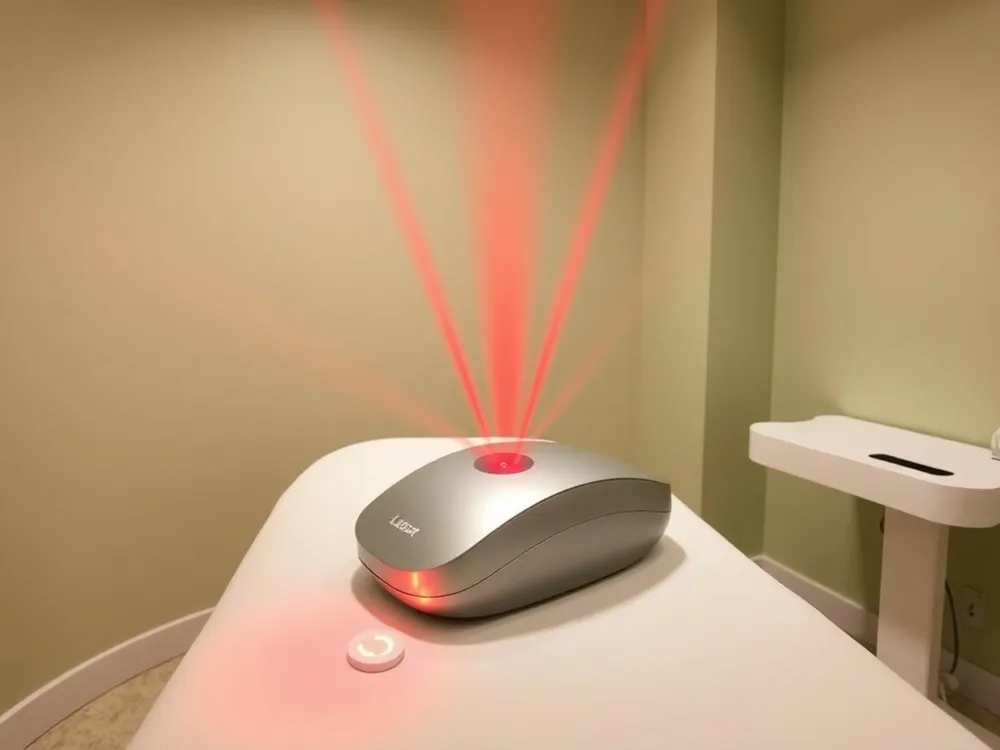
What is low-level laser therapy (LLLT) for hair loss and how does it work?
Low-level laser therapy (LLLT), also called photobiomodulation, is a non-invasive treatment that uses medical-grade red or near-infrared light to stimulate hair follicles. Unlike surgical lasers, LLLT devices emit cool, low-power light that does not heat or damage the skin.
LLLT works by delivering light energy to cells in the scalp. This light is absorbed by mitochondria, increasing ATP production and boosting cellular activity. The result is improved blood circulation, reduced inflammation, and enhanced protein synthesis. These effects help reactivate dormant hair follicles and push them into the active growth (anagen) phase.
The therapy is FDA-cleared for androgenetic alopecia in both men and women and can be used alone or combined with other treatments like minoxidil or PRP. Sessions are painless, typically 15–30 minutes several times per week, and visible results often appear within 3–6 months.
| Aspect | Details | Common Devices |
|---|---|---|
| Mechanism | Photobiomodulation (mitochondrial ATP increase) | HairMax LaserComb, Capillus, iRestore |
| Wavelength | 630–670 nm (red) or 810 nm (near-infrared) | Laser combs, caps, helmets |
| FDA Status | Cleared for pattern hair loss (2007 men, 2011 women) | Home‑use and clinical systems |
| Typical Regimen | 15–30 minutes, 3–5 times per week | Multiple diode counts available |
How Effective is LLLT? Clinical Evidence and Expectations
Clinical studies consistently show LLLT is effective for androgenetic alopecia. A meta-analysis of randomized controlled trials found LLLT significantly increases hair density versus sham devices, with effects comparable to topical minoxidil. Helmet-type devices produced a 35% increase in hair growth over 16 weeks, and the HairMax LaserComb increased terminal hair density by an average of 19 hairs per cm². Patient satisfaction exceeds 80%, and the treatment is FDA-cleared for both men and women.
What to Expect from LLLT Treatment
Visible results typically appear after 3–6 months of consistent use (2–3 sessions per week). LLLT is non-invasive, painless, and has no significant side effects beyond occasional temporary shedding. It works by stimulating mitochondrial activity in follicle cells, boosting blood flow, and prolonging the anagen (growth) phase. For best outcomes, LLLT is combined with minoxidil or finasteride as part of a personalized plan. Early intervention yields the most benefit, especially while follicles remain miniaturized.
FDA-Cleared Devices and At-Home Options
Are there FDA-cleared low-level laser therapy for hair loss devices for hair loss?
Yes. The FDA cleared the HairMax LaserComb for male pattern hair loss in 2007 and for female pattern hair loss in 2011. Other FDA-cleared devices include the iRestore Hair Growth System (cleared in 2016) and the Bosley Revitalizer. LLLT is one of only three FDA-cleared treatments for androgenetic alopecia, alongside minoxidil and finasteride.
Can you use low-level laser therapy for hair loss at home?
Absolutely. LLLT devices are designed for convenient home use as combs, caps, or helmets. These at-home laser devices deliver red or near-infrared light directly to the scalp. Typical regimens involve 10–20 minute sessions three to five times per week. With consistent use, home-use red light caps offer similar results to in-office treatments.
What are the best LLLT devices for hair loss?
Top FDA-cleared options include the HairMax LaserComb (655 nm, up to 12 diodes), Capillus (272 lasers, 650 nm), iRestore helmet, and Bosley Revitalizer. Devices using only laser diodes are significantly more effective than those combining LEDs and lasers.
Is LED or LLLT better for hair growth?
LLLT using coherent laser diodes is more powerful and clinically effective than LED-only devices. A meta-analysis found laser-only devices produced significantly greater hair density improvements. LED therapy works best as a supporting maintenance option, while LLLT is preferred for active hair loss treatment.
Safety, Cost, and Practical Considerations for LLLT
What are the side effects of low-level laser therapy for hair loss?
Low-level laser therapy (LLLT) has an excellent safety profile, with a remarkably low incidence of adverse effects. The most commonly reported side effect is a temporary telogen effluvium (increased shedding) in the first one to two months of treatment, which resolves with continued use and is often a sign of new growth. Some users may experience mild headaches, slight dryness, redness, or itching of the scalp. Because LLLT uses cool, "cold" lasers that deliver non-thermal light energy, there is no risk of burning the skin. The treatment uses non-ionizing radiation that does not damage DNA, so it does not cause cancer. Overall, significant side effects are exceedingly rare, and the vast majority of patients tolerate the treatment without any issues.
What is the cost of low-level laser therapy for hair loss?
The cost of LLLT varies depending on whether you choose in-clinic treatments or an at-home device. Clinic-based sessions typically involve multiple treatments per week costing hundreds to thousands of dollars per year, and this expense is usually not covered by insurance for pattern hair loss. At-home FDA-cleared devices offer a more cost-effective long-term solution with a one-time purchase ranging from roughly $400 to $800 for models like the HairMax LaserComb or iRestore, with professional-grade caps up to $1,000. When used over several years, the per-session cost drops to under $1–$2, making at-home LLLT a budget-friendly alternative to recurring clinic fees or ongoing medication costs.
Groundbreaking Advances: New Breakthroughs and Emerging Therapies
What are the latest hair loss treatments for 2025?
The landscape of hair restoration is rapidly evolving. Beyond established medications like minoxidil and finasteride, 2025 brings advanced cell-based therapies. Stem cell therapy aims to regenerate dormant follicles, while exosome therapy delivers concentrated growth factors to repair and stimulate follicular activity. Hair cloning technology is progressing, potentially enabling unlimited donor hair regeneration. Genetic techniques are being explored to correct underlying causes of androgenetic alopecia. Personalized medicine—tailoring treatments to individual genetic and hormonal profiles—enhances efficacy, offering safer, less invasive options for comprehensive restoration.
What is the new breakthrough in hair loss treatment?
PP405 is a groundbreaking topical molecule from Pelage Pharmaceuticals that represents a novel class of treatment. Unlike existing therapies that primarily slow hair loss, PP405 targets dormant hair follicle stem cells and reactivates them through a unique metabolic pathway. Discovered at UCLA, early human trials showed statistically significant increases in hair density within one week of use. By awakening non-productive follicles, PP405 offers hope for those with limited success on standard options. This innovative approach could transform restoration by directly addressing the cellular roots of balding.
How long until PP405 is available?
As of 2025, PP405 remains investigational and is not FDA-approved or commercially available. Access is currently limited to clinical trials. Assuming Phase 3 trials begin in 2026, a realistic market availability estimate is not before 2028 or 2029, pending successful completion of testing and regulatory approval. Even then, approval is not guaranteed. For patients seeking treatment now, proven options like finasteride and minoxidil remain the most reliable choices.
What is the new laser treatment for hair loss?
FoLix is the first FDA-cleared fractional laser designed specifically for hair loss. It delivers targeted laser energy to the scalp, gently heating the dermal layer to stimulate the body's natural healing response and activate follicles. This non-invasive procedure takes about 30 minutes with no downtime. Candidates typically see noticeable results after 4 to 6 monthly sessions, with maintenance treatments recommended two to three times per year. FoLix is effective on the crown, hairline, and part lines, offering a promising alternative to surgery or medications.
Regenerative Medicine: The Role of PRP, Exosomes, and Stem Cells
What are the latest hair loss treatments for 2025?
Platelet-rich plasma (PRP) therapy continues to be a dominant non-surgical option in 2025. It uses growth factors from a patient's own blood to stimulate inactive follicles and improve scalp health. A more advanced form, Platelet-Rich Fibrin Matrix (PRFM), offers a longer-lasting release of these growth factors, extending treatment effectiveness.
Stem cell exosome treatments represent a cutting-edge approach for natural results. Exosomes are tiny messengers derived from stem cells that communicate with damaged follicles to encourage repair and growth. This therapy is non-invasive, requires minimal downtime, and is often combined with microneedling or laser therapy to maximize results.
Hair cloning and stem cell research remain experimental but show significant progress. These technologies aim to regenerate new follicles, potentially revolutionizing restoration. For now, PRP and exosome therapies are the leading regenerative options, often integrated into personalized plans alongside topical medications and LLLT for comprehensive care.
Building a Personalized Treatment Plan with Your Dermatologist
How can I stop hair fall immediately?
There is no instant cure for hair loss, but you can take immediate, effective steps to address it. The most important action is to consult a board-certified dermatologist to diagnose the underlying cause—whether genetics, stress, hormones, or a nutritional deficiency—and start a targeted treatment plan right away.
In the short term, adopt a gentle hair care routine. Use mild shampoos and avoid harsh chemicals, color treatments, heat styling, and tight hairstyles that pull on follicles and cause traction alopecia. Managing stress through relaxation techniques and eating a balanced diet rich in protein, iron, and zinc can also support scalp health.
Over-the-counter minoxidil (Rogaine) is the only FDA-approved topical treatment available without a prescription and can help slow shedding and stimulate regrowth, but it typically requires several months of consistent use to show visible results. A temporary increase in shedding during the first weeks of minoxidil use is normal and a sign the treatment is working.
For immediate guidance, a dermatologist may recommend medical treatments like oral finasteride for men or spironolactone for women, along with in-office procedures such as platelet-rich plasma therapy or low-level laser therapy. Early intervention preserves more hair and leads to better outcomes than waiting.
| Immediate Step | Action | Expected Timeline for Results |
|---|---|---|
| See a dermatologist | Diagnosis of cause (blood work, scalp exam) | 1–2 visits to start treatment plan |
| Gentle hair care routine | Use mild shampoos, avoid heat/chemicals | Immediate scalp health improvement |
| Start topical minoxidil | Apply 5% foam or solution twice daily | 2–4 weeks to reduce shedding; 3–6 months for new growth |
| Manage stress and diet | Add protein, iron, zinc; reduce cortisol levels | Ongoing; supports treatment effectiveness |
| Consider in-office therapies | PRP, LLLT, prescription medications | 3–6 months for measurable improvement |
Your Path to Healthier Hair Starts Here
Over 50% of men and women experience pattern hair loss, but effective solutions exist beyond the old standbys. While FDA-approved options like topical minoxidil and oral finasteride remain reliable, advanced treatments now offer new hope. Low-level laser therapy (LLLT) stimulates follicles at the cellular level, and platelet-rich plasma (PRP) harnesses your body’s own growth factors. Newer topical ingredients like Redensyl and Capixyl provide alternatives for those seeking drug‑free options. The key is early, personalized care. Consult a dermatologist to design a regimen that fits your needs and restores your confidence.