
Rethinking Hormone Replacement Therapy
Hormone replacement therapy (HRT) uses female hormones to replace the estrogen the body stops making after menopause. It is most often prescribed to relieve common symptoms such as hot flashes and vaginal discomfort.
The modern view of HRT has shifted significantly. For women under 60 who are not at high risk, the risks of serious side effects are very low, and the benefits often outweigh them. At Dermatology Associates, PC, HRT is offered as part of an integrative wellness approach that connects hormonal balance with skin health and overall well-being.
Understanding HRT and Its Role in Skin Health
 Hormone replacement therapy (HRT) replenishes the estrogen that the body stops producing after menopause. Estrogen directly supports skin health by binding to receptors on dermal fibroblasts, which stimulates collagen production, maintains elasticity, and helps the skin retain moisture through increased hyaluronic acid and ceramide levels.
When estrogen declines, collagen content drops by roughly 2.1% per year in the first 15 years after menopause, and skin thins at an average of 1.13% per year, leading to dryness, wrinkles, and a weakened skin barrier. HRT can partially reverse these changes: systemic estrogen therapy has been shown to increase dermal thickness by up to 33% and improve skin hydration and elasticity in clinical trials.
At Dermatology Associates, PC, HRT is offered as part of an integrative wellness approach that connects skin health with overall hormonal balance and long-term vitality.
Key Benefits: Symptom Relief and Beyond
 The primary benefits of hormone replacement therapy (HRT) center on relieving the most disruptive menopause symptoms. Systemic estrogen is the most effective treatment for hot flashes and night sweats, and estrogen can ease vaginal dryness, itching, and pain with intercourse. Many women also report improvements in sleep, anxiety, and low mood linked to menopause.
Beyond symptom relief, HRT provides structural, long-term health advantages. It has been shown to prevent bone loss and reduce fracture risk after menopause, and it helps maintain muscle strength, which commonly declines during this stage. For women whose periods stop before age 45, HRT is particularly important for protecting bone health.
The cardiovascular picture depends strongly on timing. Large observational studies found that women who started HRT near menopause onset had less heart disease, with one researcher stating the therapy is linked to cutting the number one cause of death by about half for those women. A 2016 study in the New England Journal of Medicine showed that women who started within six years of menopause had less hardening of the arteries, whereas those who started 10 or more years past menopause did not see the same benefit.
For women who start before age 60 or within 10 years of their last period, the benefits usually outweigh the risks. At Dermatology Associates, PC, the integrative approach connects hormone balance with long-term wellness, helping patients evaluate whether HRT fits their health profile and goals.
Weighing the Pros and Cons
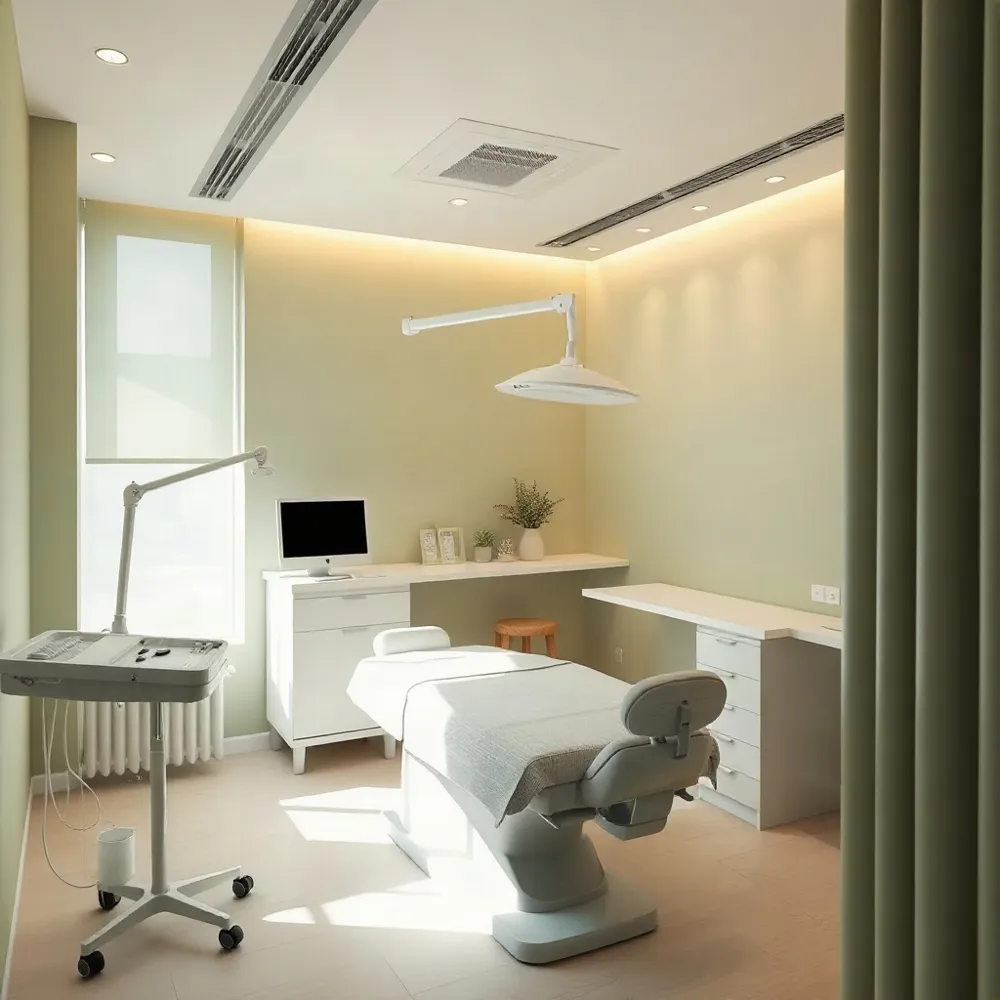 The decision to start hormone replacement therapy (HRT) comes down to balancing its substantial benefits against a set of risks that are not the same for every woman. The potential downsides depend on the type of hormone therapy, the dose, how long it is taken, and your age and personal health history, according to the Mayo Clinic.
Timing Shapes the Risk-Benefit Balance
Research consistently shows that the window in which you start therapy matters. For healthy women who begin HRT before age 60, or within 10 years of menopause, the benefits typically outweigh the risks. Starting after that window, or more than a decade past menopause, raises the likelihood of serious complications such as heart disease, stroke, and blood clots. This timing effect helps explain why older studies, which enrolled women averaging 63 years old, reported different outcomes than studies of younger women who began treatment near menopause onset.
The most favorable risk profile applies to women in perimenopause or early menopause who have moderate to severe symptoms. For this group, HRT not only relieves hot flashes and night sweats but also protects against bone loss and fractures. The USC research highlights that women who start therapy close to menopause may cut their risk of heart disease, the leading cause of death for American women, by about half. When therapy is initiated within this window, adverse outcomes like breast cancer and blood clots are rare events.
What the Risks Actually Look Like
The risks of HRT are real but small, and they vary by formulation. Combined estrogen-progestogen therapy is associated with a slight increase in breast cancer risk, with around 5 extra cases per 1,000 women taking it for 5 years, as noted by the UK's National Health Service. Estrogen-only therapy, used by women who have had a hysterectomy, shows little or no increase in breast cancer risk. The added risk from combined therapy declines after stopping treatment.
Blood clot and stroke risks depend heavily on how the medication is delivered. HRT tablets can slightly increase the risk of blood clots and stroke, though the absolute risk remains very low, particularly for women under 60. Transdermal options such as patches, gels, and sprays do not increase blood clot risk, because estrogen absorbed through the skin bypasses the liver. This makes non-oral delivery a safer choice for women concerned about clotting.
Low-dose vaginal estrogen, used to treat vaginal dryness and urinary symptoms, carries fewer risks still. Because the dose is low and very little enters the bloodstream, it does not raise the risk of breast cancer, blood clots, or stroke, and it is safe for long-term use. For women whose concerns are primarily genitourinary, this targeted route offers symptom relief without systemic exposure.
The takeaway is that HRT is neither uniformly safe nor uniformly risky. Your individual profile, including age, family history, and the specific formulation, determines where you fall on that spectrum. At Dermatology Associates, PC, care begins with a thorough evaluation of your symptoms, health history, and risk factors. The practice pairs hormone replacement therapy with regular follow-up and honest conversation, so you understand both the benefits and the trade-offs before committing to a plan.
Formulation. Oral tablets raise blood clot and stroke risk slightly; transdermal patches, gels, and sprays do not. Vaginal estrogen has minimal systemic absorption.
Timing. Starting before age 60 or within 10 years of menopause yields the most favorable balance; later start increases cardiovascular risks.
Breast cancer. Combined estrogen-progestogen adds about 5 cases per 1,000 women over 5 years; estrogen-only shows little or no added risk.
Individual factors. Personal and family health history, including clotting disorders and hormone-sensitive cancers, directly shape the risk profile.
Because the risk-benefit equation shifts over time, therapy should never be a set-it-and-forget-it decision. The Mayo Clinic advises regular reviews with a healthcare professional to confirm that benefits still outweigh risks, and to adjust dose or formulation as your needs change. A personalized approach, guided by your symptoms and health history, is the safest way to use HRT to protect both your skin and your overall well-being.
How HRT Transforms Skin and Appearance
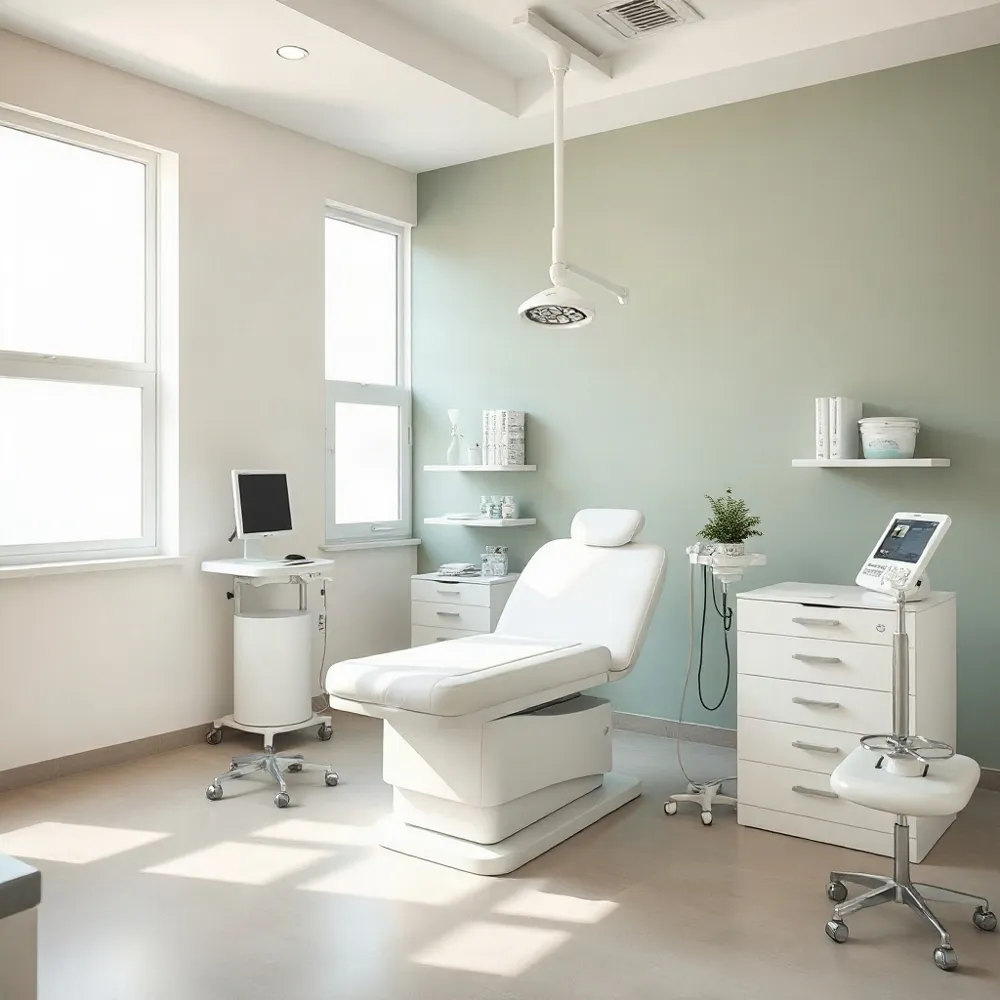 The effects of hormone replacement therapy on the skin begin at the cellular level. Because estrogen receptors are present in the epidermis, dermis, and sebaceous glands, replenishing estrogen directly influences how the skin builds and maintains its structure. Multiple clinical studies now document the measurable changes that HRT brings to skin health in postmenopausal women.
Collagen production sees a significant boost. In a placebo-controlled study, systemic HRT led to a 6.49% increase in dermal collagen after 6 months. A randomized trial found that 12 months of systemic estrogen increased skin thickness by 11.5% and dermis thickness by 33%. Elasticity also improves; a Japanese study reported a 5.2% gain in elasticity over 12 months on HRT, reversing the natural postmenopausal decline of 0.55% per year.
These structural changes translate into visible cosmetic benefits. In an analysis of data from the National Health and Nutrition Examination Survey (NHANES I), women who used estrogen had a statistically significant lower likelihood of dry skin (odds ratio 0.76) and wrinkling (odds ratio 0.68) compared with those who did not. A separate cross-sectional study found a similar protective effect, with HRT users showing a lower risk of facial wrinkling (odds ratio 0.211). For many patients, this means firmer, more hydrated skin with fewer fine lines.
HRT also supports the skin barrier. Estrogen stimulates the production of ceramides and glycosaminoglycans such as hyaluronic acid, which help the skin hold water and resist environmental stressors. This reduces the dryness, crepiness, and sensitivity that often accompany estrogen deficiency.
Potential Skin Side Effects of HRT
While the benefits are real, HRT can also affect the skin in less desirable ways. Estrogen stimulates melanocytes, which can trigger or worsen melasma, especially on sun-exposed areas. Testosterone therapy, sometimes used alongside estrogen, may increase sebum production and lead to clogged pores or acne. These risks are manageable with sun protection, skincare ingredients such as vitamin C and azelaic acid, and adjustments to the hormone dose.
HRT is not FDA-approved specifically for cosmetic purposes, so dermatologists and providers typically prescribe it for symptom relief and long-term health preservation. However, the growing body of research on its aesthetic side effects means that many women experience these benefits as a welcome bonus. At Dermatology Associates, PC, we integrate HRT with evidence-based aesthetic treatments to address the full picture of menopausal skin changes.
Making the Right Choice for You
 Deciding whether to start hormone replacement therapy (HRT) is a personal decision that depends on your symptom burden, health history, and goals. There is no one-size-fits-all answer, and the right choice for one woman may be wrong for another. The NHS notes that the benefits of HRT usually outweigh the risks, especially for women under 60 who have menopause symptoms and are not at high risk of breast cancer or blood clots.
Some doctors discourage HRT based on outdated interpretations of older studies, a lack of specialized menopause training, or time constraints that make personalized monitoring difficult. Yet many women report feeling dramatically better on HRT because it restores declining estrogen and progesterone to healthier levels, improving energy, mood, sleep, and overall quality of life. When prescribed with proper medical oversight and individualized dosing, HRT addresses the root cause of many menopause symptoms rather than just masking them.
A conversation with a healthcare professional is the most important step. They can assess your personal risk factors, discuss the different types of HRT (systemic versus vaginal, oral versus transdermal), and help you weigh potential benefits against risks. The decision also requires regular follow-up to reassess whether the therapy still makes sense for you. Mayo Clinic emphasizes that menopause hormone therapy is neither all good nor all bad, and that regular check-ins are essential to ensure benefits continue to outweigh risks.
Dermatology Associates, PC offers HRT as part of an integrative approach to wellness, connecting skin health with hormonal balance and long-term well-being. Their team can guide you through the decision, combining evidence-based medicine with personalized treatment plans. If menopausal symptoms are affecting your quality of life, it is worth having a conversation with a provider who understands both the latest research and your individual needs.
A Personalized Path Forward
The evidence is clear: hormone replacement therapy offers meaningful benefits for many women when matched to their personal health profile. The decision requires a careful conversation with a healthcare professional who understands your symptom burden and risk factors.
At Dermatology Associates, PC, we take a whole-picture approach to wellness. We evaluate your skin health, hormone levels, and overall well-being together — because they are connected. Contact us for a consultation to discuss whether HRT fits your health goals.