
The Power of a Yearly Skin Check
Skin cancer is the most common cancer in the United States, with one in five Americans expected to develop it by age 70. When detected early, however, most forms are highly treatable, and the five-year survival rate for melanoma caught before it spreads exceeds 99 percent (AllDermatology.com).
A full body skin exam is a head-to-toe visual inspection performed by a dermatologist to identify unusual moles, growths, and precancerous patches that might otherwise go unnoticed. Dermatology Associates, PC, led by Dr. Sonya F. Campbell Johnson in Indianapolis, provides these annual screenings as a key part of preventive skin health, helping patients establish a baseline and catch changes before they become harder to treat.
What a Full Body Skin Exam Entails
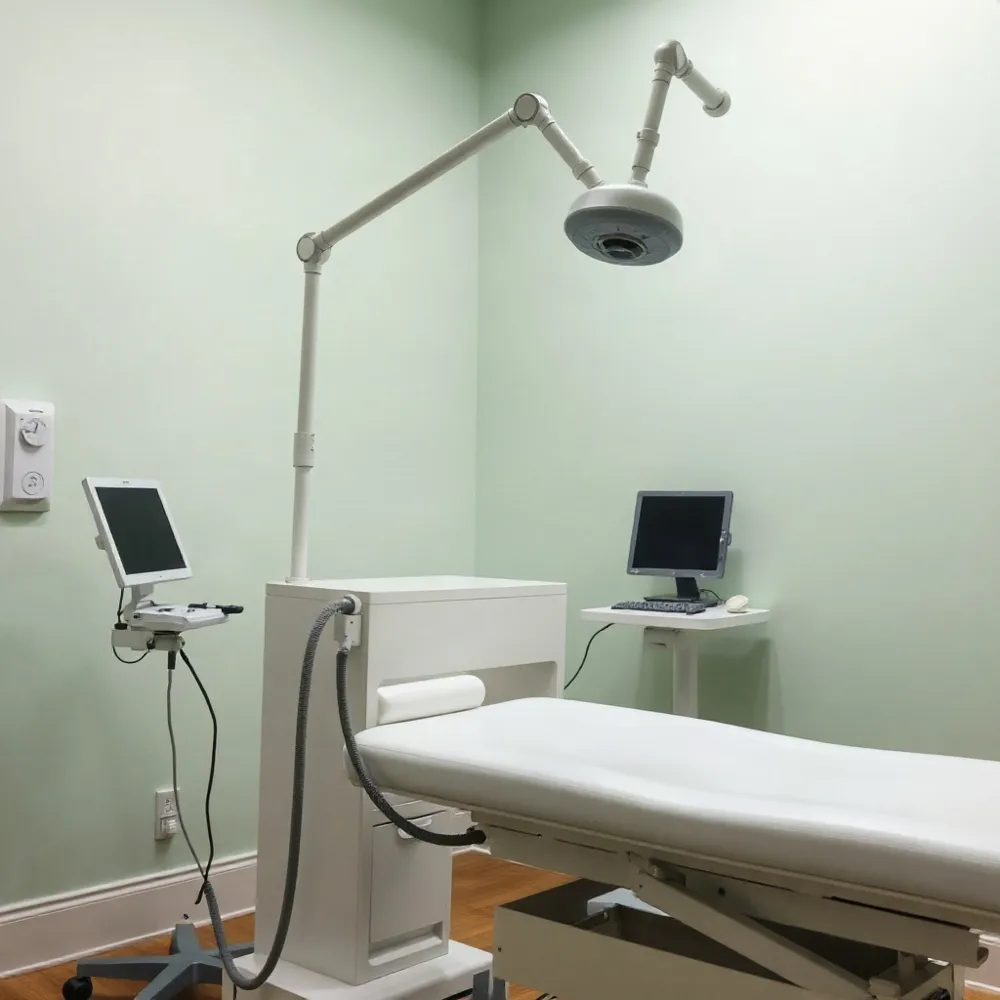 A full body skin exam is a thorough head-to-toe visual inspection performed by a board-certified dermatologist to detect skin cancer and other skin conditions early, when they are most treatable. The procedure is straightforward and typically takes about 10 to 15 minutes.
During the exam, you will change into a medical gown. The dermatologist then carefully examines your entire skin surface, from your scalp (wear your hair loose) to your feet, including hard-to-see areas like the back, behind the ears, and between the toes. They use a bright light and a handheld magnifying device called a dermatoscope to inspect moles and spots in greater detail.
The goal is to identify any moles, spots, or lesions that appear irregular, have changed in size, shape, or color, or show other signs of potential cancer. If a suspicious area is found, a small skin sample (biopsy) can often be taken right in the office after numbing the area with local anesthesia. The sample is sent to a lab for analysis, with results typically available within a few days to two weeks.
Patients should come prepared by noting any new or changing spots, removing nail polish, and arriving with a clean face free of heavy makeup. It is also a good time to ask questions about specific concerns. For a comprehensive and comfortable experience, the team at Dermatology Associates, PC provides personalized full-body exams tailored to each patient’s risk factors and skin history.
Are Full Body Skin Exams Embarrassing?
 It is normal to feel a sense of modesty or self-consciousness before a full body skin exam. Many patients wonder what to expect and whether the process will be awkward. Dermatologists perform these exams daily in a clinical, professional setting and are focused entirely on identifying suspicious spots to detect skin cancer early.
During the exam, you will change into a medical gown and can typically keep your underwear on unless there is a specific concern in that area. If you prefer to keep undergarments on for comfort, discussing this with the provider beforehand can help strike a balance between modesty and the thoroughness needed for a complete screening.
Some dermatologists include the groin and genital area as part of a full-body exam, since skin cancers can develop in these hidden areas. Many patients actually expect this inspection. If you have noticed any concerning spots in these areas, be sure to mention them, as catching skin cancer early on any part of the body offers the best outcomes.
Setting aside temporary discomfort for a quick, life-saving screening is well worth it. Most skin cancers are highly treatable when caught early. At Dermatology Associates, PC, led by Dr. Sonya F. Campbell Johnson, the team provides thorough skin exams in a respectful, patient-centered environment, helping you protect your health with confidence.
To further ease any concerns, consider bringing a written list of questions about specific moles or spots. Patients often find that once the clinical focus shifts to the exam itself, their self-consciousness fades. The exam typically takes only 10 to 15 minutes and is painless.
Who Needs a Yearly Skin Exam and How Often?
General Recommendations for Adults
Annual full-body skin exams are recommended for all adults as a preventive health measure, but they are especially important for individuals at higher risk of skin cancer. The Skin Cancer Foundation recommends that you see a dermatologist once a year for a professional skin exam, while the American Academy of Dermatology encourages routine screenings as part of a health maintenance program. However, according to Harvard-affiliated dermatologist Dr. Katherine Brag, most people (about 80%) with no risk factors may only need a screening every two to three years.
Higher Risk Categories and Screening Frequency
You should consider scheduling a yearly exam if you have a personal or family history of melanoma, a large number of moles or atypical moles, fair skin or light-colored eyes, or a history of blistering sunburns or tanning bed use. Organ transplant recipients, individuals with weakened immune systems, and those with outdoor occupations or lifestyles also fall into a higher-risk category. For these individuals, experts recommend annual screenings, and sometimes more frequent exams every six months based on individual risk factors.
The U.S. Preventive Services Task Force notes that the evidence for annual melanoma screening in average-risk asymptomatic people is not conclusive, underscoring the need for risk-based strategies. This means the best approach is to discuss your personal skin type, history, and concerns with a board-certified dermatologist, who can recommend an appropriate schedule tailored to you.
At Dermatology Associates, PC, led by Dr. Sonya F. Campbell Johnson, patients receive personalized risk assessments and screening schedules based on their specific history, skin type, and lifestyle. Whether you need an annual exam or a less frequent check, their team provides evidence-based care for patients throughout Indianapolis, Batesville, and Tipton.
Key Benefits of Regular Skin Cancer Screenings
 When melanoma is caught before it spreads, the five-year survival rate exceeds 99%. That single statistic captures why annual skin cancer screenings are so important. Early detection transforms skin cancer from a potentially deadly disease into a highly manageable condition, typically requiring far less invasive treatment and producing better cosmetic outcomes.
For basal cell carcinoma and squamous cell carcinoma, the benefits of catching them early are equally clear. These common skin cancers rarely metastasize but can cause significant local damage if left untreated. A full body skin exam allows your dermatologist to identify precancerous lesions — like actinic keratoses — and treat them before they ever become cancerous, often with simple in-office procedures rather than surgery.
A yearly skin check also provides peace of mind. By establishing a baseline record of your moles and spots — sometimes with whole-body photography — your dermatologist can track subtle changes over time. This systematic monitoring means that even small, evolving lesions are caught quickly, when they are easiest to address.
Routine screenings create a natural opportunity for patient education. During a skin exam, dermatologists review personal risk factors, demonstrate self-examination techniques using the ABCDE guide (Asymmetry, Border irregularity, Color variation, Diameter, Evolution), and discuss sun protection habits tailored to your lifestyle. This knowledge empowers you to spot concerning changes between visits and take an active role in your long-term skin health.
What Happens If Skin Cancer Goes Untreated?
Waiting to treat skin cancer carries real consequences, though the outcome depends heavily on the type of cancer involved. Basal cell carcinoma (BCC) and squamous cell carcinoma (SCC) grow slowly and rarely spread to distant organs. When left untreated, however, BCC can invade nearby skin, cartilage, and bone, causing significant local damage and disfigurement, especially on the face and neck. SCC can similarly grow into deeper tissues and, in a small percentage of cases, metastasize. The longer a lesion goes unaddressed, the more invasive the eventual treatment becomes.
Melanoma is the most dangerous form of skin cancer and the one most likely to spread. When melanoma is caught before it spreads, the five-year survival rate exceeds 99%. But if left untreated, melanoma cells can travel through the lymphatic system or bloodstream to distant organs. Metastasis most often occurs within the first one to three years after initial treatment; between 15 and 26% of people initially diagnosed with early-stage melanoma may later see their cancer spread. Tumor thickness plays a major role — melanomas thicker than 4 millimeters carry a much higher risk of metastasis.
For anyone who has had skin cancer, sun protection becomes a lifelong priority. Survivors face a higher risk of developing additional skin cancers, so habits like avoiding prolonged direct sunlight between 10 a.m. and 2 p.m., never using tanning beds, and wearing SPF 30+ sunscreen daily are essential. Protective clothing, wide-brimmed hats, and UV-blocking sunglasses add another layer of defense.
Cost and Insurance Coverage for Screenings
The average cost of a full-body skin check without insurance is typically $120 to $300, depending on the provider and location. Some practices offer self-pay rates, and national programs like the AAD SPOTme campaign occasionally provide free screenings. For those with insurance, many plans cover an annual skin cancer screening as a preventive service. However, coverage varies: HMOs may require a referral from a primary care physician, and some plans only cover the exam after the annual deductible has been met. Scheduling the screening before your insurance resets at year-end can help if you have already reached your deductible.
At Dermatology Associates, PC, your dermatologist can assess your risk and recommend a screening schedule that fits your needs. The practice accepts most major insurance plans and can help you verify what an annual skin exam will cost under your specific policy.
Making Yearly Skin Exams Part of Your Health Routine
Early detection of skin cancer dramatically improves treatment outcomes. A full-body skin exam is a fast, painless step that provides both peace of mind and a baseline for your dermatologist to monitor changes over time.
Scheduling a baseline exam is a straightforward way to take control of your skin health. Dermatology Associates, PC offers comprehensive total body skin exams as part of their personalized care approach in Indianapolis, Batesville, and Tipton.
Partnering with a board-certified dermatologist for lifelong skin health means catching concerns early, learning effective self-examination techniques, and building a prevention plan tailored to your unique risk factors.