

Choosing the Right Body Contouring Treatment
Both BodyTite and CoolSculpting are effective for reducing stubborn fat that resists diet and exercise, but they use different technologies and produce different outcomes. A systematic review confirms that the choice depends on individual goals, degree of skin laxity, and willingness to accept downtime. This article compares BodyTite and CoolSculpting side by side to help readers select the best approach for their needs.
BodyTite vs CoolSculpting Key Facts
- BodyTite uses radiofrequency-assisted lipolysis (RFAL) to melt fat and tighten skin via a thin probe under local anesthesia.
- BodyTite provides mean lifting of 1.93 cm in the lower face and 1.45 cm in the neck per clinical evidence.
- CoolSculpting uses cryolipolysis to freeze and destroy fat cells without surgery, with a single session reducing fat by 20–25% per clinical studies.
- CoolSculpting does not tighten skin, a key difference from radiofrequency-based BodyTite.
- BodyTite costs range from $3,000 to $8,000 per area, often achieving results in one session.
- CoolSculpting costs average $2,000 to $4,000 per area and typically requires 2–4 sessions.
- CoolSculpting procedures have declined by 40% per 2024 ASPS data, as patients seek more dramatic, skin-tightening results.
- Paradoxical adipose hyperplasia is a rare CoolSculpting complication (under 1%) where fat cells enlarge.
- Over 450,000 CoolSculpting procedures are performed worldwide per ASPS statistics.
- Other non-surgical options include Kybella (injection lipolysis), SculpSure (laser), truSculpt (RF), and UltraShape (ultrasound), none tightening skin like RFAL.
1. BodyTite: Minimally Invasive Fat Reduction and Skin Tightening
 BodyTite uses radiofrequency-assisted lipolysis (RFAL) to melt fat cells while simultaneously tightening the overlying skin. A thin probe is inserted through a small incision under local anesthesia, delivering controlled thermal energy that causes immediate collagen contraction and long-term neocollagenesis. Clinical evidence confirms RFAL provides significant improvement in tissue laxity, with mean lifting of 1.93 cm in the lower face and 1.45 cm in the neck.
Because BodyTite addresses both fat reduction and skin tightening, it is well suited for patients with mild to moderate skin laxity who want more than what non-invasive cooling can offer. At Dermatology Associates, PC, led by Dr. Sonya F. Campbell Johnson, BodyTite is performed using advanced RFAL technology to treat areas such as the abdomen, arms, thighs, flanks, and neck with minimal downtime.
What to Expect from the Procedure
- Procedure time: 1–3 hours depending on treatment area size.
- Anesthesia: Local anesthesia with light sedation; no general anesthesia required.
- Downtime: Most patients return to work within 1–3 days; mild swelling and bruising are common.
- Aftercare: A compression garment must be worn for 3–6 weeks to support new contours.
Results and Cost
Initial tightening is visible immediately due to collagen contraction, with continued improvement over 6–12 months as collagen remodeling progresses. Treated fat cells are permanently destroyed; maintaining a stable weight preserves results long term. BodyTite costs typically range from $3,000 to $8,000 per area depending on size and complexity — often achieving desired results in a single session.
2. CoolSculpting: Non-Invasive Fat Freezing for Stubborn Fat
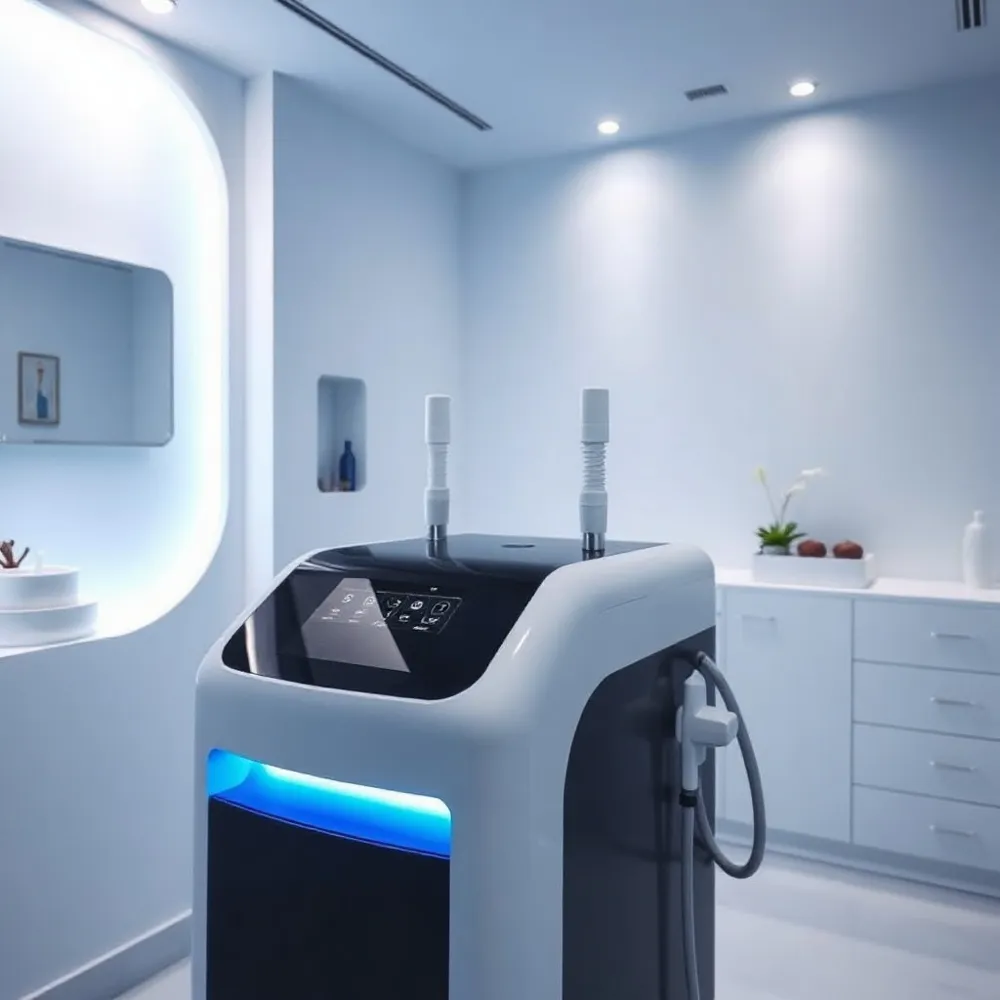 CoolSculpting is a non-invasive body contouring treatment that uses cryolipolysis to freeze and destroy fat cells without surgery, needles, or anesthesia. The body then naturally eliminates these dead fat cells over the following weeks and months. A single session can reduce the fat layer in the treated area by 20–25%, as noted in clinical studies cited by the American Society of Plastic Surgeons.
Treatments typically last 35 minutes to two hours per area, and patients can return to normal activities immediately. Most people need 2–4 sessions spaced about one month apart to reach their desired outcome. CoolSculpting is FDA-cleared for the abdomen, hips, thighs, arms, back, bra line, underneath the buttocks (banana roll), and under the chin.
Ideal Candidates and Limitations
CoolSculpting works best for patients who are close to their ideal weight but have firm, pinchable pockets of fat that resist diet and exercise. It does not tighten loose skin — a key difference from radiofrequency-based options like BodyTite. For patients concerned about both fat and skin laxity, procedures that combine reduction with tightening may be more appropriate.
Side Effects and Cost
Common side effects include temporary redness, swelling, bruising, numbness, tingling, or aching in the treated area; these usually resolve within a few days to weeks. A rare complication — paradoxical adipose hyperplasia (PAH) — causes fat cells to enlarge rather than shrink; it occurs in less than 1% of cases but may require corrective treatment if it develops.
Average costs range from $2,000 to $4,000 per area depending on the number of sessions needed and geographic location. Because CoolSculpting does not address skin tightening, patients with noticeable skin looseness may achieve more balanced results with a technology such as BodyTite offered at Dermatology Associates.
How Do They Compare in Effectiveness?
 When comparing BodyTite and CoolSculpting, the most important difference is that BodyTite provides both fat reduction and significant skin tightening, while CoolSculpting only reduces fat. According to a systematic review, [RFAL offers the added benefit of skin tightening](https://pmc.ncbi.nlm.nih.gov/articles/PMC10784384/), whereas cryolipolysis does not induce skin tightening. This makes BodyTite the more effective option for patients whose concerns include loose or sagging skin alongside stubborn fat.
BodyTite can achieve visible results in a single session. The radiofrequency energy liquefies fat cells and contracts collagen fibers immediately, with continued improvement over 6 to 12 months as new collagen forms. CoolSculpting, by contrast, typically requires two to four sessions spaced a month apart, and its effects appear gradually over 2 to 4 months as the body clears frozen fat cells. Clinical data from the American Society of Plastic Surgeons report average fat reduction per CoolSculpting treatment of about 10% to 25%, as noted in clinical data from the American Society of Plastic Surgeons.
The choice between these treatments ultimately depends on patient goals. If improving skin tightness is a priority, BodyTite may be more suitable. For those who want zero downtime and are willing to accept subtle, gradual fat reduction without any skin firming effect, CoolSculpting can be appropriate.
BodyTite. Dermatology Associates, PC offers BodyTite as a minimally invasive option that delivers both fat reduction and noticeable skin tightening — benefits that CoolSculpting does not provide. A single BodyTite session at the practice can reshape areas such as the abdomen, arms, thighs, and flanks while stimulating collagen for firmer skin over the following months.
CoolSculpting. CoolSculpting remains a valid noninvasive choice for patients with small, pinchable fat bulges who do not mind multiple sessions and have good baseline skin elasticity. For individuals who need actual lifting or tightening of lax tissue, however, the research literature often indicates advantages for radiofrequency-based methods like BodyTite.
Why Has CoolSculpting Declined in Popularity?
CoolSculpting was once the most recognized name in noninvasive fat reduction, but its popularity has waned. According to the American Society of Plastic Surgeons, noninvasive fat reduction procedures have declined by 40%, as patients increasingly seek treatments that deliver more dramatic and predictable results. While some studies suggest CoolSculpting can reduce fat by approximately 20% per session, its results are often subtle, and many patients need multiple sessions to achieve noticeable change.
Another major factor is skin tightening. Cryolipolysis does not tighten skin, a limitation that becomes apparent when patients lose stubborn fat and are left with loose skin. Radiofrequency-based treatments such as BodyTite and FaceTite address both fat reduction and skin tightening in a single procedure. These minimally invasive alternatives use thermal energy to melt fat while stimulating collagen production, providing more comprehensive body contouring results.
Patient preference has shifted toward options that require fewer sessions and offer faster, more visible improvements. A single radiofrequency-assisted session often produces initial tightening visible immediately, with final results developing over several months. In contrast, CoolSculpting typically takes 2-4 treatment sessions and requires waiting up to four months to see the full outcome. This time and convenience gap, combined with the added benefit of skin tightening, has contributed to a shift toward radiofrequency-assisted treatments over cryolipolysis.
What Other Non-Surgical Options Exist?
Beyond the cooling and radiofrequency-assisted approaches, several other non-surgical technologies can reduce stubborn fat. These include injection lipolysis (Kybella), laser lipolysis (SculpSure, Zerona), radiofrequency devices like truSculpt, and ultrasound treatments such as UltraShape. Each uses a distinct energy source to disrupt fat cells, which are then naturally cleared by the body.
Cryolipolysis (CoolSculpting) remains one of the most popular non-invasive fat reduction options, with over 450,000 procedures performed worldwide according to the American Society of Plastic Surgeons. It delivers about 20% fat layer reduction per session but does not tighten skin — a limitation that matters for patients with mild-to-moderate laxity.
How RF-Based Technologies Differ
Radiofrequency-based devices stand apart because they achieve both fat reduction and simultaneous skin tightening. At Dermatology Associates, PC, Dr. Sonya F. Campbell Johnson offers advanced RF technologies including Morpheus8 (microneedling with radiofrequency), FaceTite, and BodyTite. These treatments stimulate collagen contraction and new collagen production while destroying fat cells, providing a dual benefit that purely cooling or laser-based options cannot match.
- BodyTite uses radiofrequency-assisted lipolysis (RFAL) via a small incision under local anesthesia; it delivers immediate tightening and continued improvement over six months.
- Morpheus8 combines microneedling with fractional RF energy to remodel skin texture and tone across the face and body.
- FaceTite applies the same RFAL approach specifically to the jawline, neck, and lower face for contouring without a surgical facelift.
All three technologies are minimally invasive yet deliver results comparable to more aggressive surgery in many patients — a middle ground between purely topical treatments and full liposuction.
Practical Considerations
Kybella uses deoxycholic acid injections to break down fat cells under the chin; SculpSure applies laser heat to destroy adipocytes; UltraShape uses focused ultrasound waves without heat or cold. However, none offer meaningful skin tightening alongside fat removal — a gap that RFAL methods fill effectively.
"Non-surgical body contouring is designed for spot reduction of stubborn fat pockets in patients near their ideal body weight," notes Dr. Campbell Johnson's practice materials. "These procedures are not weight-loss treatments." Multiple sessions are often necessary — two to four for CoolSculpting spaced a month apart, one to two for BodyTite — and final results emerge gradually over two to six months as the body metabolizes disrupted fat cells.
Making the Choice That's Right for You
BodyTite and CoolSculpting are both effective for fat reduction, but they serve different patient needs. BodyTite is ideal for those who want both fat reduction and skin tightening with a single minimally invasive procedure. CoolSculpting suits patients who prefer a completely non-invasive approach with no downtime and are satisfied with gradual, subtle results.