

The Quiet Onset of Facial Aging
Facial aging often begins subtly — with fine lines around the mouth, a less defined jawline, and the first hints of sagging along the cheeks and neck. These changes arise from a natural slowdown in collagen and elastin production, leading to skin laxity and focal fat deposits that soften facial contours.
FaceTite is a minimally invasive radiofrequency-assisted lipolysis (RFAL) procedure that targets these early signs. By delivering controlled RF energy beneath the skin, it liquefies small fat pockets and simultaneously contracts collagen fibers, producing visible skin tightening with reduced downtime compared to traditional surgery.
This article explores how FaceTite addresses early facial aging, what patients can expect during recovery, how it compares to other non-surgical options, and why it has become a preferred choice for those seeking subtle yet meaningful improvement without a full facelift.
Understanding the First Signs of Facial Aging
 The visible changes that signal facial aging begin inside the skin itself. Starting in the mid-to-late 20s, the body's production of collagen and elastin — the structural proteins that keep skin firm and resilient — slows by roughly 1% each year. As this structural net weakens, the skin becomes thinner, less elastic, and more prone to sagging.
The earliest external clues typically appear around the mouth and lower face. Fine lines along the lips, a subtle loss of definition at the jawline, and the first hint of a double chin (submental fullness) are common complaints. Many people also notice jowls beginning to form where the skin no longer hugs the chin and cheekbone tightly.
Two less obvious processes accelerate these changes. Facial fat pads shrink over time, deflating the contours of the cheeks and temples. At the same time, the underlying facial bones undergo slow resorption, reducing the structural frame that supports the soft tissues. The combined effect is a gradual descent into loose skin, deepened folds, and a less sculpted silhouette.
Noticing these shifts early creates an opportunity to intervene with treatments that restore collagen and tighten lax tissue before the changes become advanced. Procedures such as FaceTite, offered at practices like Dermatology Associates, PC, use radiofrequency-assisted lipolysis to stimulate new collagen, reduce small fat pockets, and tighten the skin of the lower face and neck — addressing the very mechanisms that drive the first visible signs of aging.
How FaceTite Targets Wrinkles and Sagging
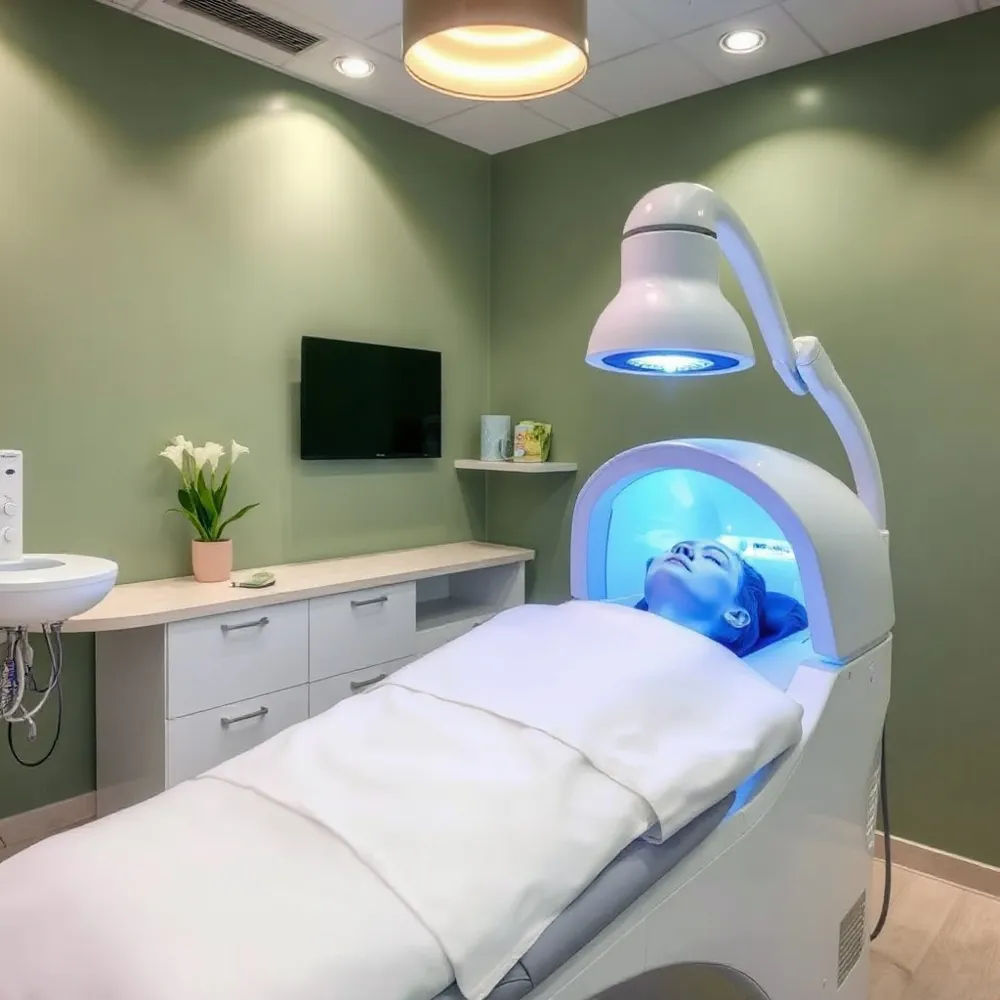 FaceTite is a minimally invasive procedure that uses radiofrequency-assisted lipolysis (RFAL) to address loose skin and unwanted fat on the face and neck. The technology delivers controlled radiofrequency energy through a small cannula inserted beneath the skin, simultaneously liquefying fat cells and heating the deeper dermal layers to stimulate collagen and elastin production.
The dual-action approach provides immediate tissue contraction from the heat, while ongoing neocollagenesis over the following months progressively improves skin firmness and texture. FaceTite is most effective on the lower face, jowls, jawline, cheeks, and submental region — the areas where early signs of aging like mild laxity and fat accumulation first appear.
Compared to a traditional facelift, FaceTite requires only local anesthesia, involves small hidden incisions, and allows most patients to return to normal activities within a few days. The procedure carries a lower risk profile and is well suited for individuals with mild to moderate skin laxity who want noticeable contour improvement without the extensive recovery of surgery.
FaceTite vs Morpheus8 vs Ultherapy
For patients noticing early signs of aging—mild jowls, a softening jawline, or fine lines—three advanced technologies offer distinct paths to improvement: FaceTite, Morpheus8, and Ultherapy. Each uses a different form of energy to target a specific layer of tissue, so the right choice depends on your primary concern: contour, texture, or lift.
FaceTite: Contour and Fat Reduction via RFAL
FaceTite uses radiofrequency-assisted lipolysis (RFAL) to reach the deepest subcutaneous layer. An internal probe liquefies unwanted fat while simultaneously coagulating collagen fibers for immediate skin tightening. This makes FaceTite the strongest option for patients with a double chin, distinct jowls, or who want a more sculpted jawline. A published study found that 90% of patients rated their outcome as good or excellent 12 months after treatment, with an average 30–50% improvement in skin laxity. At Dermatology Associates, PC, FaceTite is offered as a minimally invasive alternative to a surgical facelift, performed under local anesthesia with a recovery of 3–7 days.
Morpheus8: Skin Texture and Mild Laxity
Morpheus8 combines microneedling with radiofrequency to remodel collagen in the mid-to-deep dermis while resurfacing the epidermis. It is ideal for improving skin texture, fine lines, acne scars, and mild laxity across the face and neck. Because it does not remove fat, Morpheus8 is better suited for patients whose main concern is skin quality rather than contour. Many practices, including Dermatology Associates, PC, combine Morpheus8 with FaceTite to achieve both external texture refinement and deeper sculpting in a single treatment plan.
Ultherapy: Non-Invasive Lift Without Downtime
Ultherapy delivers focused ultrasound energy to the foundational SMAS layer, the same tissue lifted during a surgical facelift, to stimulate collagen production over time. It is entirely non-invasive—no incisions, no anesthesia—and produces a gradual, natural lift across the brow, cheeks, and neck. However, it does not reduce fat and offers less dramatic tightening than FaceTite. For patients who prefer zero downtime and mild lifting as a preventive measure, Ultherapy is a practical choice; for those seeking more noticeable reshaping with a short recovery, FaceTite typically delivers superior results.
Choosing Based on Your Primary Concern
Contour. If your main concern is sagging jowls, a double chin, or a poorly defined jawline, FaceTite is the most effective option due to its fat-reduction and deep-tightening capabilities.
Texture. If your primary goal is smoother skin, reduced pore size, and softening of fine lines or acne scars, Morpheus8 offers superior surface-level rejuvenation.
Lift. If you want a subtle, gradual lift across a broad area without any incisions or downtime, Ultherapy provides a non-invasive ultrasound-based approach.
What to Expect During and After Treatment
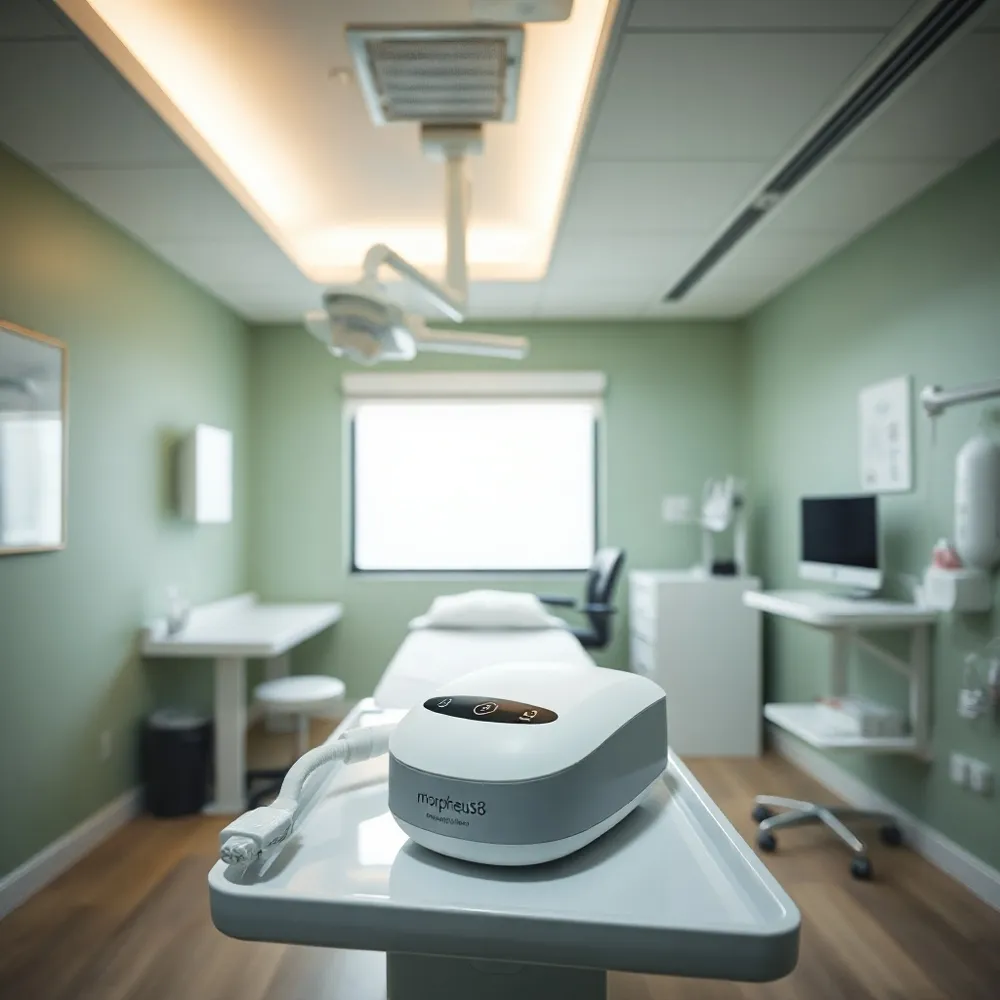 FaceTite is performed under local anesthesia through tiny incisions hidden in natural skin creases. A small probe delivers radiofrequency energy to the deeper tissues while liquefied fat is gently suctioned away. The procedure typically takes 30 to 60 minutes per treatment area, and patients go home the same day without general anesthesia or stitches.
Recovery is relatively brief. Most patients return to work and light activities within three to five days. A compression garment is worn for the first 72 hours to support the new contours and minimize swelling. Mild to moderate swelling, bruising, and temporary numbness are common but usually subside within a week. Strenuous exercise should be avoided for about two weeks to allow the tissue to heal.
When Results Appear and How Long They Last
Patients often notice an immediate tightening effect right after the procedure. Over the following weeks, collagen production accelerates, and visible improvements become more apparent. The most significant results appear around three to six months as new collagen continues to remodel the skin. Some refinement continues for up to a year after treatment.
Published clinical data show measurable skin tightening with average improvement in laxity of 30–50% at 12 months, and 90% of patients rated their outcome as good or excellent in a peer-reviewed study. Results typically last one to five years depending on age, lifestyle factors such as sun exposure and smoking, and whether maintenance treatments are pursued. Patients at Dermatology Associates, PC benefit from a customized treatment plan that pairs FaceTite with complementary procedures like Morpheus8 or dermal fillers to extend and enhance their results.
Because FaceTite uses radiofrequency-assisted lipolysis (RFAL), it can effectively tighten mild to moderate sagging in the jowls, jawline, and neck — areas that often show the first signs of facial aging. While a single session produces satisfying improvement for many, some patients choose a second session or combination treatments to address more persistent concerns.
Patients who maintain a stable weight, follow a consistent skincare routine, and protect their skin from UV damage tend to enjoy the longest-lasting benefits. FaceTite does not stop the natural aging process, but its collagen-stimulating effects offer a durable improvement that can delay or reduce the need for more invasive surgery.
| Phase | Timeline | What to Expect |
|---|---|---|
| Immediate | Day of treatment | Noticeable initial tightening; swelling and mild tenderness begin |
| Early recovery | 3–7 days | Most swelling subsides; return to work and social activities |
| Collagen remodeling | 3–12 weeks | Progressive improvement in skin firmness and contour |
| Peak results | 3–6 months | Full tightening evident; refined jawline and reduced jowls |
| Long-term maintenance | 1–5+ years | Results sustained with stable weight, good skincare, and optional touch-ups |
Safety Profile and Risk Management
FaceTite is an FDA-cleared procedure with a strong safety record, but understanding its risk profile helps patients make informed decisions. The most common side effects are temporary swelling, bruising, and mild discomfort at the incision sites, which typically resolve within a few days to a week. Most patients return to normal activities within 3 to 7 days, as documented in clinical studies of radiofrequency-assisted lipolysis.
Rare but more serious risks include burns from the radiofrequency energy, infection, seroma (fluid accumulation beneath the skin), and irregular contour or skin necrosis. The risk of burns is minimized by the technology's built-in temperature monitoring, which prevents overheating of the skin surface. Temporary numbness or altered sensation in treated areas may occur if sensory nerves are affected, though permanent nerve damage is uncommon.
Choosing a board-certified dermatologist with extensive experience in FaceTite and radiofrequency-assisted lipolysis (RFAL) significantly reduces the likelihood of complications. At Dermatology Associates, PC, providers combine advanced RFAL technology with individualized treatment planning, ensuring precise energy delivery and consistent outcomes. Pre-treatment instructions typically include avoiding blood thinners and NSAIDs for several days before the procedure, while post-treatment care involves wearing a compression garment, using cold compresses, and avoiding strenuous activity for about two weeks.
Discuss any underlying health conditions, such as a history of keloid scarring or compromised immune function, with your provider before treatment. Following the full pre- and post-treatment protocol is essential to achieving safe, predictable results with minimal downtime.
Evaluating Candidacy and Investment
FaceTite is designed for adults in their 30s to 50s who have mild to moderate skin laxity and are in good overall health. The procedure works best for those noticing early jowls, a softening jawline, loose skin under the chin, or fat deposits that resist diet and exercise. At a consultation at Dermatology Associates, PC, a provider evaluates skin thickness, elasticity, and the degree of laxity to determine if FaceTite is a suitable fit.
FaceTite is not recommended for individuals with significantly loose or very thin skin, advanced aging that would require a surgical facelift, or those who have had facial fillers or injectables in the previous six to eight months. Pregnant women should also postpone treatment. Because the procedure relies on controlled heat, patients with very thin or fragile skin face a higher risk of thermal injury and may be better served by other options.
Cost and Financing
FaceTite costs vary by treatment area, provider expertise, and geographic location. The typical range spans from $1,500 for a small area to about $7,000 for more extensive work. Since FaceTite is a cosmetic procedure, insurance does not cover it. Many practices, including Dermatology Associates, PC, offer financing through CareCredit or Cherry to help patients manage out-of-pocket costs. An exact quote requires an in-person consultation to map the treatment plan.
Combining FaceTite with Other Treatments
FaceTite can be combined with Morpheus8 RF microneedling to improve skin texture and firmness on the external skin surface, addressing both deeper laxity and surface quality. Adding dermal fillers restores volume to deeper wrinkles and creases, while Botox reduces dynamic lines caused by facial expressions. These pairings allow a customized plan that targets each patient's specific concerns in one treatment pathway, often extending the duration of results.
Restoring Your Natural Contours Without Surgery
FaceTite addresses early signs of facial aging by combining radiofrequency-assisted liposuction with targeted collagen stimulation, tightening loose skin and reducing unwanted fat in a single minimally invasive session. Studies have shown that patients experience measurable improvement in skin laxity, with 90% rating their outcomes as good or excellent one year after treatment. At Dermatology Associates, PC, FaceTite is performed under local anesthesia through tiny incisions, allowing most people to return to work within two days.
A thorough consultation helps determine whether FaceTite is the right choice for your specific concerns, skin type, and goals. The practice tailors each treatment plan to the individual, combining FaceTite with complementary options like Morpheus8 when deeper collagen remodeling is needed. With natural-looking results that can last three to five years, FaceTite offers a path to a refreshed, more youthful appearance without the recovery time or scarring of a traditional facelift.