

Comparing Two Paths to a More Youthful Face
Patients who notice sagging along the jawline, deepening jowls, or a less defined neck often weigh two distinct approaches: a minimally invasive skin-tightening procedure like FaceTite or a surgical facelift. Both address visible signs of aging, yet they differ markedly in how they are performed, the recovery they require, and the results they deliver.
This comparison helps clarify the strengths and trade-offs of each option, so readers can make an informed decision based on their own degree of facial aging, tolerance for downtime, and aesthetic goals.
Defining the Two Procedures
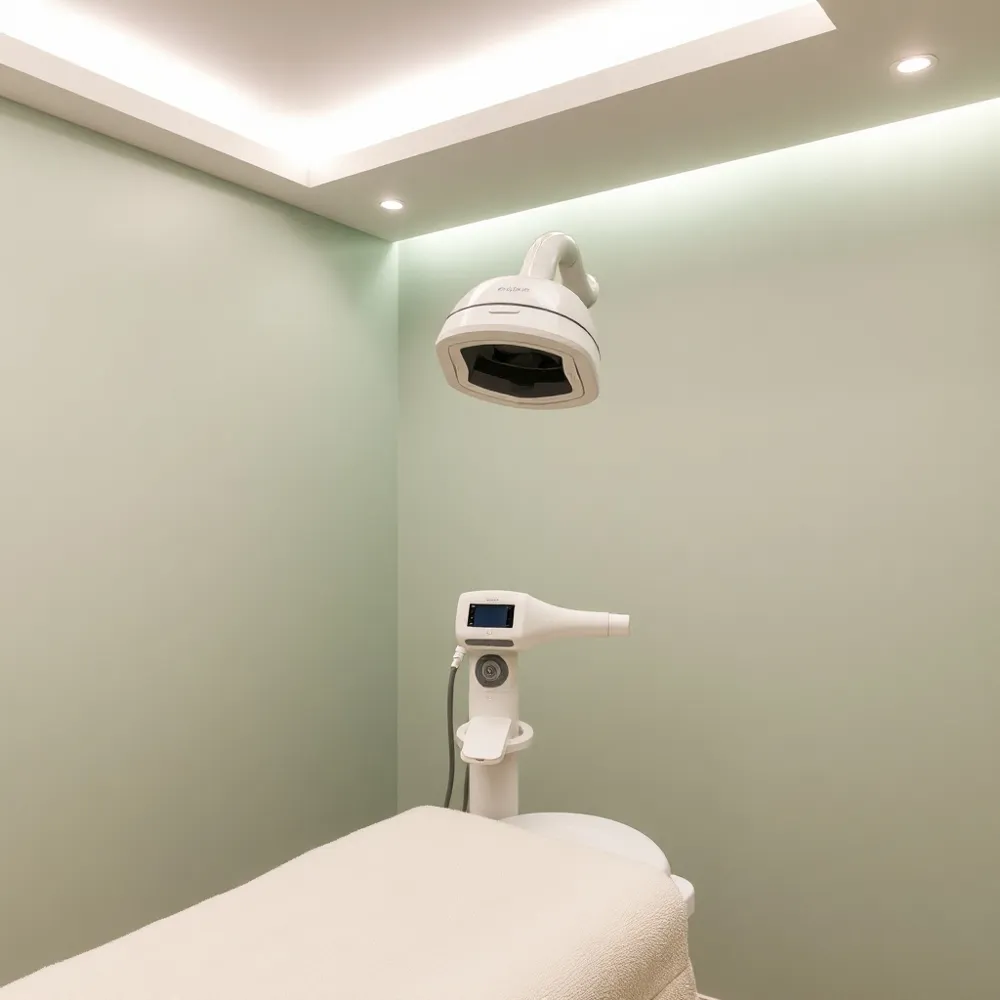 FaceTite is a minimally invasive procedure that uses radiofrequency-assisted lipolysis (RFAL) to tighten skin and reduce fat through tiny entry points. At Dermatology Associates, PC, this treatment is performed under local anesthesia, allowing patients to return to normal activities within days.
A traditional facelift, or rhytidectomy, is a surgical procedure that removes excess skin, tightens underlying tissues, and repositions facial skin for more dramatic results. It typically requires general anesthesia and a recovery period of two to three weeks before returning to work, with swelling and bruising persisting for weeks according to the American Society of Plastic Surgeons.
The key difference lies in invasiveness and longevity. FaceTite delivers gradual, natural-looking improvement, with results that can last up to a year. A facelift offers more significant and durable outcomes, often lasting a decade or more. For patients with mild to moderate laxity who wish to avoid surgery, FaceTite at Dermatology Associates, PC provides an effective alternative.
Ideal Candidates and Facial Concerns
 Ideal candidates for FaceTite are those with mild to moderate skin laxity—early jowls, a loose jawline, or mild neck sagging. A traditional facelift is better suited for moderate to severe sagging, deep wrinkles, and more advanced aging changes. Candidacy ultimately depends on skin elasticity, overall health, and personal aesthetic goals.
FaceTite effectively treats jowls by using radiofrequency-assisted lipolysis to tighten loose skin and reduce excess fat in the lower cheek and jawline area. It stimulates collagen and tissue contraction, producing visible contouring without the incisions of surgery.
When deciding between liposuction and FaceTite for the face, the key factor is skin quality. Liposuction alone removes fat but does not tighten skin, making it best for younger patients with firm tissue. FaceTite, offered at Dermatology Associates, PC, simultaneously melts fat and tightens skin, making it the preferred choice for patients in their 30s to 50s dealing with both fat and laxity.
There is no strict age limit for a facelift; many patients in their 60s and 70s achieve excellent results if they are in good health. For those not ready for surgery or with milder concerns, FaceTite provides noticeable tightening with minimal downtime. A consultation with Dermatology Associates, PC helps determine the best approach.
Procedure Experience and Recovery Timeline
The FaceTite procedure is performed under local anesthesia through tiny incisions. A small cannula delivers radiofrequency energy to tighten skin and melt fat, typically taking 60 to 90 minutes. Recovery is brief: mild swelling and bruising subside within a week, most patients return to normal activities in 3 to 5 days, and strenuous exercise is avoided for about two weeks.
A traditional facelift involves longer incisions around the ears and hairline, removal of excess skin, and tightening of underlying muscles. The surgery lasts 2 to 6 hours under anesthesia. Recovery is more extensive: swelling and bruising peak around days 3 to 4, sutures are removed between week 1 and 3, and most patients return to work in 2 to 3 weeks. Strenuous activity is restricted for up to six weeks, as detailed in your facelift recovery explained from Day 1 to Day 30. The minimal downtime of FaceTite makes it an attractive option for those seeking noticeable improvement without a prolonged recovery.
Results Longevity and What to Expect Long-Term
FaceTite delivers results that develop gradually over three to six months as new collagen forms, providing about 30-40% of the tightening effect of a surgical facelift. With consistent skincare and sun protection, the improvements can persist for years, offering a durable solution for those with mild to moderate skin laxity who prefer to avoid surgery.
A traditional facelift provides more dramatic and longer-lasting correction, with structural improvements that maintain their effect for many years. Newer techniques such as the deep plane facelift reposition deeper facial layers for more natural and enduring outcomes. While natural aging continues, patients often look younger than they would have without surgery. Ten years after a facelift, some may notice new sagging, and non-surgical options like FaceTite can help refresh the appearance without another operation.
For patients seeking long-lasting facial rejuvenation with minimal downtime, Dermatology Associates, PC offers FaceTite as part of their advanced radiofrequency technology suite. Their approach focuses on collagen stimulation and fat reduction to achieve sustained improvements in skin tightness and contour, customized to each patient's goals.
Understanding the Costs Involved
Cost is often a deciding factor when choosing between FaceTite and a surgical facelift. FaceTite typically ranges from $4,000 to $8,000 per treatment, with the final price depending on geographic location, provider expertise, and whether it is combined with procedures like Morpheus8 for additional skin remodeling. A traditional facelift is generally more expensive, often costing between $8,000 and $15,000 or more, with costs rising for more complex surgical techniques or extensive revisions.
For patients with mild to moderate skin laxity, FaceTite offers a more affordable alternative that avoids the higher price tag and longer recovery of surgery. While a facelift provides more dramatic and longer-lasting correction for advanced sagging, FaceTite delivers noticeable tightening of the jawline and neck with less financial commitment and no need for general anesthesia.
What About Insurance and Hidden Fees?
Insurance does not cover cosmetic procedures like FaceTite or facelifts, as both are considered elective. Patients should request a complete cost breakdown in writing during their consultation. The written estimate should include surgeon fees, anesthesia costs, facility charges, follow-up care, and any prescriptions — ensuring no surprises when the final bill arrives.
Risks, Side Effects, and Downsides
FaceTite carries minimal side effects compared to surgery. Most patients experience temporary swelling, bruising, and numbness that resolve within one to two weeks. The FDA has reported potential complications such as burns, scarring, or nerve damage with radiofrequency devices, but these are typically linked to improper technique. Choosing an experienced provider, like the clinicians at Dermatology Associates, PC who use precise radiofrequency technology, helps minimize these risks and ensures safe, effective treatment.
A traditional facelift involves more significant potential risks, including bleeding, hematoma, infection, nerve injury, visible scarring, and temporary or permanent hair loss at incision sites. Pain and discomfort after surgery are managed with medication, and numbness may persist for weeks. While these side effects are generally manageable, the invasive nature of the procedure means a longer recovery and a greater chance of complications. For patients seeking effective skin tightening with a lower risk profile, FaceTite at Dermatology Associates, PC offers a compelling alternative.
Making the Right Choice for Your Goals
 Choosing between FaceTite and a surgical facelift ultimately depends on three factors: the degree of skin laxity, the kind of result you want, and how much recovery time you can accept.
FaceTite is best suited for patients with mild to moderate skin aging—early jowls, a loose jawline, or mild neck sagging—who want a natural-looking improvement without the downtime of surgery. The procedure uses radiofrequency-assisted lipolysis to tighten skin and reduce fat through tiny incisions, and most patients return to normal activities within three to five days.
For individuals with advanced sagging, deep wrinkles, or significant skin excess, a traditional facelift provides more dramatic and longer-lasting structural correction. Facelift surgery repositions the deeper layers of the face and removes excess skin, with results that can last seven to ten years. However, recovery is more involved, typically requiring two to three weeks away from work and up to six weeks before strenuous activity can resume.
FaceTite recovery involves mild swelling, bruising, and tenderness that subside within a few days to a week. Visible results develop gradually over three to six months as collagen production ramps up, offering a naturally rejuvenated appearance. For patients who want subtle improvement with minimal interruption to their daily life, FaceTite is a strong option.
Both approaches can be combined with other treatments for enhanced outcomes. Many patients choose to pair FaceTite with Morpheus8 radiofrequency microneedling or dermal fillers to address multiple concerns in one treatment plan. A facelift is often performed alongside eyelid surgery, brow lifts, or laser resurfacing for comprehensive rejuvenation.
A consultation with a qualified provider is the best way to determine which approach aligns with your anatomy, goals, and lifestyle. At Dermatology Associates, PC, Dr. Sonya F. Campbell Johnson and her team evaluate each patient's facial structure, skin quality, and desired outcome to recommend a personalized treatment plan—whether that involves FaceTite, a surgical facelift, or a combination of minimally invasive procedures.
A Personalized Path to Facial Rejuvenation
Both FaceTite and a surgical facelift offer effective paths to facial rejuvenation, and the best option depends on your unique facial anatomy, aging pattern, and aesthetic goals. A personalized consultation with a board-certified provider, such as the team at Dermatology Associates, PC, can help determine the ideal approach for your needs. To maintain your results, prioritize good skincare, daily sun protection, and a healthy lifestyle.