Why Gut Health Matters for Your Skin
The gut‑skin axis links intestinal microbes to skin health through immune signaling, metabolites, and hormone regulation. Beneficial bacteria modulate estrogen, cortisol, insulin and serotonin levels, keeping sebum production and inflammation in check. Dysbiosis and leaky gut trigger systemic inflammation, which aggravates acne, eczema, rosacea and psoriasis. Supporting a diverse microbiome with fiber, fermented foods and targeted probiotics helps restore hormonal balance and reduce skin flare‑ups.
The Gut‑Skin‑Hormone Axis Explained
 Microbial metabolites and hormone‑like compounds
Gut bacteria synthesize short‑chain fatty acids (SCFAs), secondary bile acids, serotonin, GABA, cortisol and dopamine. SCFAs (especially butyrate) reinforce intestinal tight junctions and modulate systemic immune responses, while gut‑derived serotonin influences the HPA axis, affecting cortisol release and skin oil production. Enzymes such as β‑glucuronidase deconjugate estrogen, altering its enterohepatic recirculation and contributing to estrogen‑dominant acne or rosacea.
Microbial metabolites and hormone‑like compounds
Gut bacteria synthesize short‑chain fatty acids (SCFAs), secondary bile acids, serotonin, GABA, cortisol and dopamine. SCFAs (especially butyrate) reinforce intestinal tight junctions and modulate systemic immune responses, while gut‑derived serotonin influences the HPA axis, affecting cortisol release and skin oil production. Enzymes such as β‑glucuronidase deconjugate estrogen, altering its enterohepatic recirculation and contributing to estrogen‑dominant acne or rosacea.
Systemic inflammation linking gut dysbiosis to skin flare‑ups Dysbiosis reduces SCFA‑producing taxa (e.g., Faecalibacterium, Bifidobacterium) and promotes lipopolysaccharide (LPS) generation. LPS translocates across a leaky gut, triggering systemic cytokines (IL‑1β, TNF‑α) that aggravate sebaceous gland activity, melanocyte stress, and keratinocyte inflammation—hallmarks of acne, eczema, psoriasis and rosacea.
Barrier integrity of gut and skin A healthy gut barrier limits endotoxin leakage; similarly, a robust stratum corneum prevents transepidermal water loss. SCFAs up‑regulate tight‑junction proteins in both tissues, synchronizing barrier function and reducing skin sensitivity.
Gut acne vs hormonal acne
Gut‑related acne stems from dysbiosis, leaky gut, and systemic inflammation, often widespread on face, chest and back, and improves with high‑fiber, fermented diets and probiotics. Hormonal acne is driven by androgen excess and IGF‑1 spikes, flaring during menstrual cycles or stress, presenting as clustered papules on the chin/jawline; treatment focuses on hormonal modulation and conventional acne therapy.
Gut health and acne studies
Recent research links lower microbiome diversity with higher acne severity. Probiotic‑rich foods and prebiotic fibers restore beneficial microbes, boost SCFA production, and lower systemic inflammation. Clinical trials show that diet‑first interventions—high‑plant, low‑glycemic, reduced skim‑milk—combined with topical or systemic acne meds improve lesion counts and patient satisfaction, supporting a gut‑focused adjunct to dermatologic care.
Hormonal Imbalance and Skin Pigmentation
 Estrogen and progesterone directly modulate melanocyte‑stimulating hormone (α‑MSH); estrogen generally inhibits melanin synthesis while progesterone can enhance it. When gut dysbiosis disrupts estrogen metabolism—through excess β‑glucuronidase activity or leaky‑gut inflammation—systemic estrogen levels may fall, reducing its protective effect and allowing melasma, freckles, or age‑related hyperpigmentation to appear. Common triggers include pregnancy, menopause, oral contraceptives, hormone‑replacement therapy, irregular cycles, chronic stress (elevated cortisol), and a high‑glycemic diet that drives insulin‑like growth factor‑1 (IGF‑1) and androgen activity.
Therapeutic strategies start with restoring gut balance: high‑fiber, fermented foods, probiotic strains such as Lactobacillus rhamnosus and Bifidobacterium longum, and prebiotic fibers to lower systemic inflammation and normalize estrogen clearance. Dermatologic treatments then target pigment with prescription‑strength lighteners (hydroquinone, azelaic acid, tranexamic acid), chemical peels, and laser/IPL, combined with daily broad‑spectrum SPF 30 + sunscreen and antioxidant skincare to prevent new lesions.
Boosting the Estrobolome for Hormonal Balance
 The estrobolome—gut bacteria that produce β‑glucuronidase—regulates estrogen re‑absorption and systemic levels, influencing skin thickness, hydration, and acne. To nurture this microbial community, prioritize a high‑fiber prebiotic diet: whole grains, legumes, garlic, onions, asparagus, and chicory root feed beneficial taxa that keep β‑glucuronidase activity in balance. Fermented foods (plain yogurt, kefir, kimchi, sauerkraut, kombucha) and probiotic supplements containing Lactobacillus and Bifidobacterium strains further diversify the microbiome and support estrogen metabolism. Include cruciferous vegetables (broccoli, cauliflower, Brussels sprouts) and ground flaxseed for phytoestrogenic compounds, and consider calcium‑D‑glucarate or DIM to aid estrogen clearance. Lifestyle habits—limiting added sugars, alcohol, and unnecessary antibiotics; managing stress with regular exercise and adequate sleep—protect gut barrier integrity and prevent dysbiosis. Together, these dietary and lifestyle strategies boost the estrobolome, promoting hormonal balance and clearer, healthier skin.
Hormone & Gut Health Supplements for Hormonal Balance
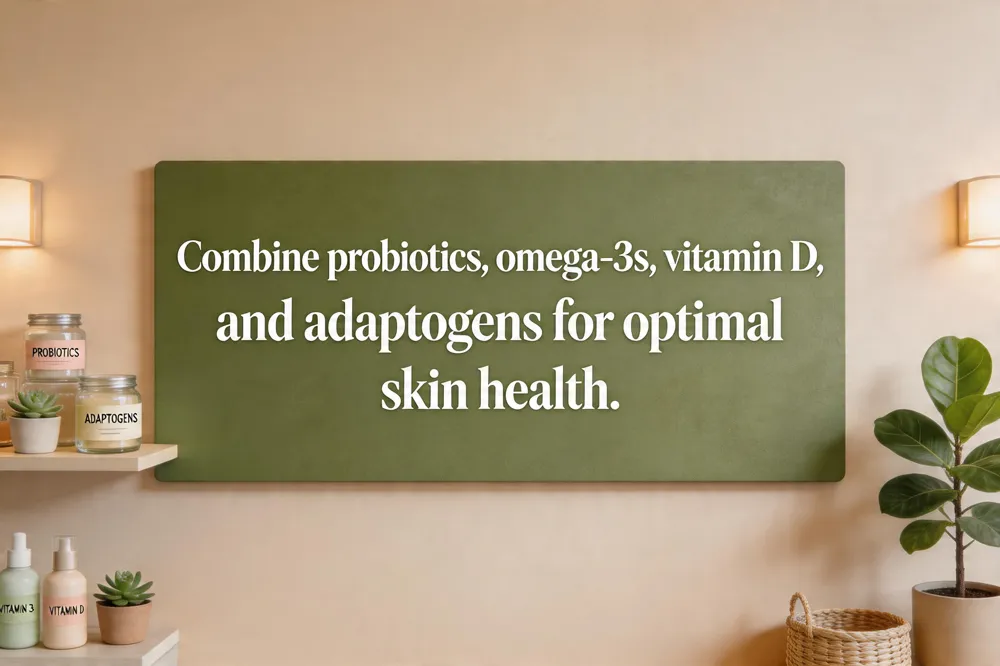 A balanced strategy for hormone and gut health begins with a high‑quality probiotic blend that includes Lactobacillus and Bifidobacterium strains. These microbes support a diverse microbiome, help regulate cortisol and insulin, and reduce systemic inflammation. Pairing probiotics with prebiotic fibers—such as inulin, garlic, onions, and bananas—feeds beneficial bacteria and promotes steady hormone metabolism. Omega‑3 fatty acids from fish oil, together with vitamin D and magnesium, improve insulin sensitivity, strengthen the intestinal barrier, and modulate inflammatory pathways. Adaptogenic herbs (ashwagandha, holy basil, maca) gently modulate stress hormones while supporting digestion, and L‑glutamine or digestive enzymes can repair a leaky gut and enhance nutrient absorption for optimal endocrine function.
Hormone and gut health supplements – The combined approach of probiotics, prebiotics, omega‑3s, vitamin D, magnesium, and adaptogens offers a comprehensive, science‑backed strategy to maintain both hormonal balance and gut wellness.
Can low estrogen raise A1c? – Yes. Estrogen supports insulin sensitivity; its decline during menopause can modestly increase A1c by reducing cellular responsiveness to insulin, especially when accompanied by weight gain or abdominal fat redistribution.
How to rebalance hormones for your skin? – Regular physical activity lowers cortisol, improves circulation, and supports healthy hormone function, delivering oxygen and nutrients to skin cells.
Which hormone is called beauty hormone? – Estrogen, often termed the “beauty hormone” promotes collagen synthesis, skin hydration, elasticity, hair growth, and nail strength, contributing to a youthful, radiant appearance.
Probiotics, Diet, and Acne Management
 Best probiotics for acne and gut health
Research consistently highlights Lactobacillus rhamnosus GG, Bifidobacterium lactis BB‑12, and Saccharomyces boulardii as potent strains for skin clarity. These microbes rebalance intestinal communities, curb systemic inflammation, and modulate androgen activity, thereby reducing acne lesions. Effective supplements deliver ≥10 billion CFUs, preferably in delayed‑release capsules, and pair well with a high‑fiber, fermented‑food diet to reinforce the gut‑skin axis.
Best probiotics for acne and gut health
Research consistently highlights Lactobacillus rhamnosus GG, Bifidobacterium lactis BB‑12, and Saccharomyces boulardii as potent strains for skin clarity. These microbes rebalance intestinal communities, curb systemic inflammation, and modulate androgen activity, thereby reducing acne lesions. Effective supplements deliver ≥10 billion CFUs, preferably in delayed‑release capsules, and pair well with a high‑fiber, fermented‑food diet to reinforce the gut‑skin axis.
Foods to clear skin overnight Hydrating choices such as cucumber and watermelon maintain epidermal moisture through the night. Antioxidant‑rich berries (blueberries, strawberries) and green tea supply vitamin C and polyphenols that neutralize free radicals and calm inflammation. Omega‑3 sources like walnuts or flaxseed oil strengthen the skin barrier, while probiotic‑packed Greek yogurt or kefir support gut health. Low‑glycemic snacks (sweet‑potato wedges, whole‑grain toast with avocado) prevent insulin spikes that can trigger breakouts, leaving the complexion fresher by morning.
Best foods for skin repair Vitamin‑C‑laden berries, pomegranate, and colorful vegetables boost collagen synthesis and protect against UV‑induced damage. Fatty fish, walnuts, and flaxseeds provide omega‑3 fats that reinforce barrier integrity and reduce redness. Collagen‑rich bone broth, lean poultry, and legumes supply essential amino acids for tissue regeneration. Probiotic foods (kimchi, kefir) nurture a balanced microbiome, which underpins resilient, clear skin.
Nutrition Plans for Glowing Skin
 A 7‑day anti‑inflammatory meal schedule supports both gut health and hormonal balance, which are essential for clear, radiant skin. Each day starts with a fiber‑rich, probiotic‑friendly breakfast (e.g., green smoothies, avocado toast, Greek yogurt with berries) that feeds short‑chain fatty‑acid‑producing bacteria, lowering systemic inflammation and cortisol spikes that trigger oil overproduction. Lunches feature prebiotic‑loaded wraps or salads with chickpeas, tuna, and mixed greens, while dinners include omega‑3‑rich salmon or mackerel, fermented side dishes, and low‑glycemic grains such as quinoa or brown rice. This pattern stabilizes insulin and IGF‑1, reduces estrogen dominance via β‑glucuronidase regulation, and strengthens the intestinal barrier, all of which mitigate acne, rosacea, and eczema.
Five glow‑enhancing foods are: avocado (monounsaturated fats, vitamins C/E), tomatoes (lycopene), fatty fish (omega‑3s), sweet potatoes (beta‑carotene), and a mix of nuts/seeds (vitamin E, zinc).
The seven most important nutrients for healthy skin are vitamins A, C, E; zinc; selenium; omega‑3 fatty acids; and collagen‑building amino acids. Together they protect against oxidative damage, support collagen synthesis, maintain barrier integrity, and modulate hormone‑driven inflammation for a luminous complexion.
Hormonal Health, Testing, and Dermatology Care
 Dermatologists are skilled at identifying skin manifestations of hormonal shifts—acne, hirsutism, menstrual‑cycle flare‑ups—and can prescribe therapies such as oral contraceptives, spironolactone, or isotretinoin. They may order hormone panels and collaborate with endocrinologists when systemic imbalance is suspected.
MTHFR mutations can impair methylation, disrupting estrogen, progesterone, and testosterone metabolism and contributing to estrogen dominance or mood swings; supplementation with active folate and stress‑reduction may help.
Signs of gut dysfunction that affect skin include persistent bloating, gas, irregular bowel movements, abdominal pain, fatigue, mood changes, and skin irritation.
Q: Can a dermatologist treat hormonal imbalance?
A: Dermatologists treat the cutaneous aspects and may prescribe hormonal meds or order labs, but full‑body hormonal disorders are usually managed by endocrinologists.
Q: Can MTHFR cause hormonal imbalance?
A: Yes; MTHFR variants can disrupt methylation of estrogen, progesterone, and testosterone, leading to imbalances that may be mitigated with targeted nutrition and supplementation.
Q: Skin hormones and functions
A: Estrogen boosts collagen and hydration; androgens increase sebum; cortisol impairs barrier and fuels inflammation; thyroid hormones regulate turnover; growth hormone supports elasticity.
Q: What are the 7 signs of an unhealthy gut?
A: Bloating, gas, diarrhea or constipation, abdominal pain, fatigue, mood changes, and skin irritation.
Putting It All Together for Healthier Skin
By pairing gut‑focused nutrition—high‑fiber, fermented foods and low‑glycemic choices—with standard dermatologic therapies, clinicians can reduce systemic inflammation and improve hormonal balance. Stool microbiome analysis and hormone panels enable personalized regimens that target estrogen metabolism, cortisol, and insulin pathways. Sustaining these gains requires long‑term habits: regular exercise, stress‑reduction, adequate sleep, and consistent probiotic or prebiotic intake, ensuring lasting skin health throughout daily life while monitoring skin response and adjusting nutrients regularly.