Why the Gut Matters for Your Skin
The gut‑skin axis is a bidirectional communication network in which the gastrointestinal microbiome, immune system, and metabolic by‑products influence skin integrity, hydration, and inflammation. Roughly 70 % of the body’s immune cells reside in the gut; disruptions such as dysbiosis or increased intestinal permeability ("leaky gut") allow microbial metabolites and cytokines to enter the bloodstream, triggering systemic inflammation that manifests as acne, eczema, psoriasis, rosacea, or premature aging.
Key mechanisms include: (1) immune modulation—gut‑derived short‑chain fatty acids (especially butyrate) promote regulatory T‑cell development and dampen pro‑inflammatory pathways (IL‑17, TNF‑α); (2) nutrient absorption—healthy gut epithelium ensures adequate uptake of vitamins A, C, E, zinc, magnesium, and omega‑3 fatty acids essential for collagen synthesis and barrier repair; (3) hormone and neurotransmitter signaling—gut bacteria produce serotonin, GABA, and bile‑acid derivatives that affect sebaceous activity, itch perception, and skin barrier function. Dietary patterns high in fiber, fermented foods, and low in refined sugars support these processes, while high‑fat, high‑glycemic diets exacerbate dysbiosis and skin flare‑ups.
Patients who adopt a holistic approach—combining a gut‑friendly diet, adequate hydration, stress management, sleep hygiene, and targeted probiotic/prebiotic supplementation—often experience clearer, more hydrated skin, reduced inflammation, and faster wound healing. Clinical evidence shows improvements in acne lesion counts, eczema severity scores, and psoriasis plaque thickness when gut health is optimized alongside conventional dermatologic care.
Understanding the Gut‑Skin Connection
The gut‑skin axis is a two‑way communication network linking intestinal microbes with skin health. Key mechanisms include:
| Mechanism | Description |
|---|---|
| SCFA production | Butyrate, acetate, propionate reduce inflammation and strengthen epithelial barriers |
| Immune education | ~70 % of immune cells reside in the gut, influencing systemic immunity |
| Hormonal signaling | Gut microbes modulate insulin‑like growth factor‑1 and cortisol levels |
| Barrier integrity | Dysbiosis increases gut permeability → systemic inflammation → skin barrier disruption |
Maintaining a balanced microbiome supports clearer, more resilient skin.
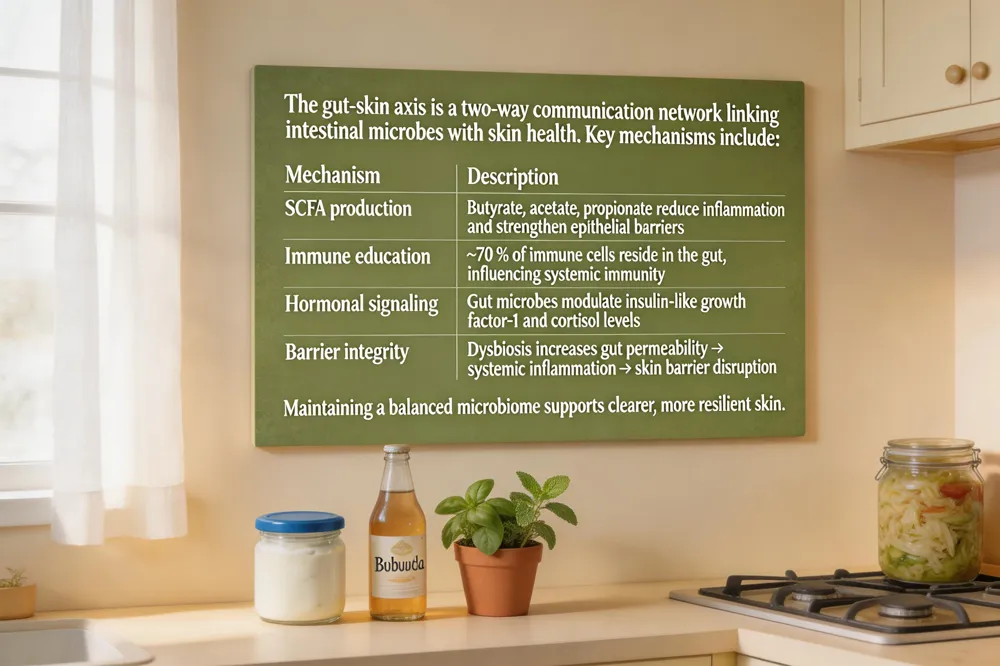 The gut‑skin axis describes a two‑way communication network between the intestinal microbiome and the skin’s ecosystem. Metabolites, immune signals, and hormonal pathways travel bidirectionally, so an imbalance in gut bacteria (dysbiosis) can raise systemic inflammation and lower short‑chain fatty‑acid (SCFA) production, which in turn may trigger or worsen acne, eczema, rosacea, or psoriasis. Conversely, chronic skin inflammation can increase gut permeability, creating a feedback loop that amplifies both gastrointestinal and dermatologic symptoms. Approximately 70 % of the body’s immune cells reside in the gut, making it a central hub for immune education. Gut‑derived SCFAs—especially butyrate, acetate, and propionate—have anti‑inflammatory effects, reinforce epithelial barrier integrity, and promote regulatory T‑cell development, all of which protect skin barrier function. Dietary factors (high‑sugar, high‑fat diets), stress, antibiotics, and lifestyle choices can disrupt this balance, while high‑fiber, fermented foods and probiotic or prebiotic supplementation restore microbial diversity and SCFA output. By targeting the gut‑skin axis, clinicians can address root causes of inflammatory skin disorders, improving hydration, barrier health, and long‑term complexion.
The Role of Diet in Gut and Skin Health
A gut‑skin‑friendly diet centers on nutrient‑dense, low‑glycemic, and bioactive foods.:
| Type Food | Benefits for Gut & Skin |
|---|---|
| Omega‑3 sources (salmon, walnuts, flaxseed) | Anti‑inflammatory, feeds beneficial microbes |
| Polyphenol‑rich (berries, leafy greens, dark chocolate, green tea) | Fermented into metabolites that boost collagen & elasticity |
| Soluble‑fiber (oats, legumes, apples with skin) | Prebiotic effect → diverse microbiome & SCFA production |
| Fermented foods (yogurt, kefir, kimchi, sauerkraut) | Live probiotics rebalance flora, reduce acne‑prone inflammation |
| Low‑glycemic carbs | Stabilizes insulin → lowers sebum production |
Limiting refined sugars and processed foods helps preserve both gut and skin barriers.
 A diet that nurtures the gut‑skin axis hinges on three pillars: nutrient‑dense foods, low‑glycemic choices, and bioactive compounds such as polyphenols and omega‑3 fatty acids.
Best foods for skin and gut health – Omega‑3‑rich sources (salmon, walnuts, flaxseeds) dampen systemic inflammation, fortify the skin barrier, and feed beneficial gut microbes. Antioxidant‑packed, polyphenol‑dense foods (berries, leafy greens, dark chocolate, green tea) are fermented by gut bacteria into metabolites that improve collagen synthesis, elasticity, and reduce fine lines. Soluble‑fiber foods (oats, legumes, apples with skin) act as prebiotics, fostering a diverse microbiome that modulates immune responses and clears complexion. Fermented items (yogurt, kefir, sauerkraut, kimchi) provide live probiotics that rebalance gut flora and can lessen acne‑prone inflammation.
Impact of refined sugars and high‑glycemic foods – high‑glycemic carbohydrates and added sugars disrupt microbial diversity, increase intestinal permeability, and spike insulin‑like growth factor‑1, which amplifies sebum production and acne. Limiting sugary drinks, white bread, and processed snacks reduces these inflammatory cascades, allowing both gut and skin barriers to recover.
How polyphenols and omega‑3s benefit skin – polyphenols act as substrates for short‑chain fatty‑acid production, strengthening epithelial barriers in gut and skin. Omega‑3 fatty acids suppress NF‑κB signaling, lower pro‑inflammatory cytokines (IL‑6, TNF‑α), and support skin‑cell hydration. Together, they create an anti‑inflammatory environment that translates to clearer, more resilient skin.
Improving the gut‑skin axis – Adopt a low‑glycemic, high‑fiber eating pattern, stay well‑hydrated, and incorporate evidence‑based probiotic strains (Lactobacillus, Bifidobacterium) via supplements or fermented foods. Complement nutrition with adequate sleep and stress‑management techniques to sustain immune balance. Use gentle, barrier‑supporting skincare (ceramides, niacinamide, hyaluronic acid) and seek dermatologist guidance for personalized integration of medical and cosmetic therapies. This holistic approach leverages diet to optimize gut health, thereby enhancing skin appearance and resilience.
Common Skin Conditions Linked to Gut Dysbiosis
Gut dysbiosis can exacerbate several dermatologic disorders. Below is a quick reference:
| Skin Condition | Gut Dysbiosis Link | Typical Probiotic/Prebiotic Approach |
|---|---|---|
| Psoriasis | Low Faecalibacterium spp. ↑ IL‑23/IL‑17 | Multi‑strain probiotic + high‑fiber, fermented diet |
| Acne | High‑glycemic diet ↑ IGF‑1, sebum | Low‑glycemic, fiber‑rich diet + Lactobacillus/Bifidobacterium supplements |
| Eczema (Atopic dermatitis) | Reduced SCFA (butyrate) production | Prebiotic fibers + omega‑3s + topical barrier support |
| Rosacea | Gut permeability ↑ systemic inflammatory triggers | Gut‑friendly diet + stress reduction + probiotic supplementation |
Identifying these patterns enables targeted gut‑skin interventions.
 The gut‑skin axis is a two‑way communication pathway in which intestinal microbes influence systemic immunity, barrier integrity, and skin inflammation Dysbiosis—an imbalance of gut bacteria—can trigger or exacerbate several chronic dermatologic disorders.
Gut‑skin axis psoriasis Studies show that reduced diversity of beneficial microbes such as Faecalibacterium prausnitzii and overgrowth of pro‑inflammatory taxa (e.g., Prevotella copri) weaken the intestinal barrier, increase circulating IL‑23/IL‑17, and amplify the Th‑17 pathway that drives psoriasis. Meta‑analyses of randomized trials report that daily probiotic supplementation lowers the Psoriasis Area and Severity Index by an average of ~4 points and improves quality‑of‑life scores. A gut‑friendly diet low in refined carbs, high in fiber, and rich in fermented foods further supports microbial balance and may reduce flare‑ups when combined with conventional therapy.
Gut‑skin axis acne High‑glycemic and dairy‑rich Western diets promote dysbiosis, elevate insulin‑like growth factor‑1, and increase sebum production, fostering Cutibacterium acnes proliferation. Restoring a diverse gut microbiome through a low‑glycemic, fiber‑rich diet and targeted oral probiotics (e.g., Lactobacillus, Bifidobacterium) reduces systemic inflammation and lesion counts. Clinical trials demonstrate significant improvements in acne severity when nutritional strategies are paired with topical and systemic treatments.
Gut‑skin axis eczema Atopic dermatitis patients often exhibit lower gut microbial diversity and reduced short‑chain fatty‑acid (SCFA) production, especially butyrate, which normally regulates inflammation and strengthens the skin barrier. Leaky‑gut biomarkers (I‑FABP, Reg3A) correlate with higher eczema scores. Increasing prebiotic fiber, fermented foods, and omega‑3 fatty acids boosts SCFA generation, improves gut integrity, and can alleviate itching and redness.
Gut‑skin axis symptoms Indicators of axis gut‑skin imbalance include adult‑onset acne, frequent rosacea flare‑ups, persistent eczema‑type rashes, dry or flaky skin, premature fine lines, and systemic itching that follows meals high in sugar, dairy, or gluten. Gastro‑intestinal discomfort—bloating, irregular bowel movements, or abdominal pain—often accompanies these skin changes, reflecting a shared inflammatory pathway. Recognizing this pattern enables clinicians to address both dietary triggers and skin‑directed therapies for comprehensive relief.
Targeted Strategies to Fix Gut Health for Clear Skin
Actionable steps to restore gut balance and improve skin:
| Strategy | How to Implement | Expected Skin Outcome |
|---|---|---|
| Fiber‑rich diet | Vegetables, fruits, whole grains, legumes | Increased SCFA → stronger barrier |
| Fermented foods | Yogurt, kefir, kimchi, sauerkraut (daily) | Live microbes replenish gut flora |
| Multi‑strain probiotic | ≥10 billion CFU with Lactobacillus & Bifidobacterium | ↓ inflammation, ↓ lesion count |
| Prebiotic fibers | Chicory root, garlic, onions, inulin | Feed beneficial strains, improve permeability |
| Limit refined sugars & processed foods | Swap sugary drinks for water, choose whole‑grain carbs | Reduce IGF‑1 spikes, lower sebum |
| Supplementation | Omega‑3 fish oil, zinc picolinate, vitamin D3, hydrolyzed collagen | Support collagen synthesis & barrier repair |
Combining diet, probiotics, and lifestyle yields clearer, more resilient skin.
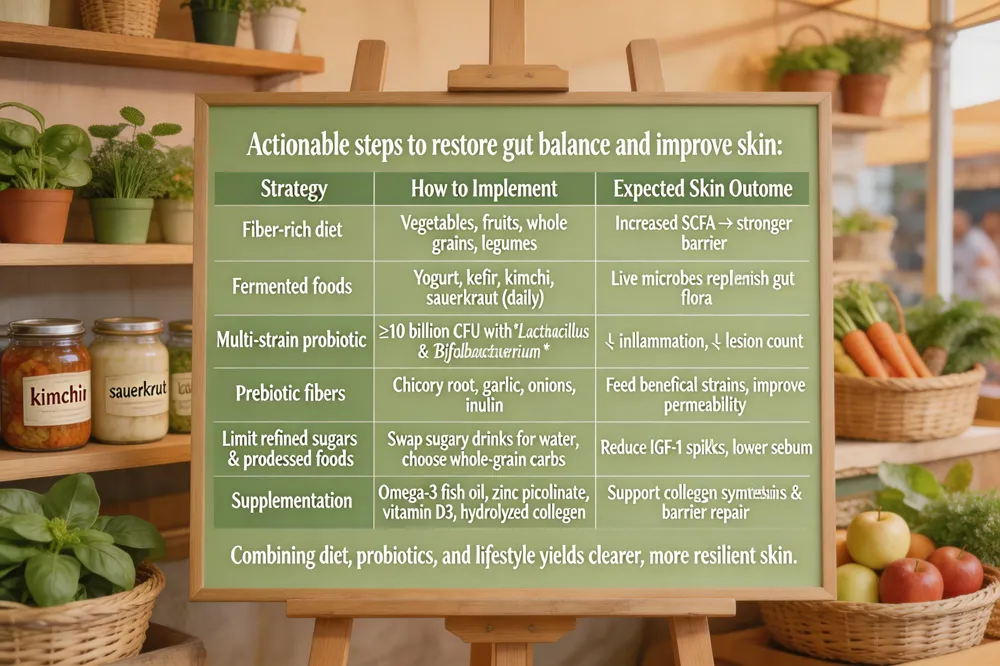 How to fix gut health for skin
A healthy gut reduces systemic inflammation and improves nutrient absorption, which is essential for collagen synthesis and barrier repair. Begin with a fiber‑rich diet—vegetables, fruits, whole grains, legumes—paired with fermented foods (yogurt, kefir, kimchi, sauerkraut) to nurture beneficial microbes. Add a multi‑strain probiotic (≥10 billion CFU) containing Lactobacillus and Bifidobacterium and prebiotic fibers (chicory root, garlic, onions) to feed those strains and strengthen the gut lining. Limit refined sugars, processed foods, and identify food sensitivities that may trigger gut inflammation and skin flare‑ups.
How to fix gut health for skin
A healthy gut reduces systemic inflammation and improves nutrient absorption, which is essential for collagen synthesis and barrier repair. Begin with a fiber‑rich diet—vegetables, fruits, whole grains, legumes—paired with fermented foods (yogurt, kefir, kimchi, sauerkraut) to nurture beneficial microbes. Add a multi‑strain probiotic (≥10 billion CFU) containing Lactobacillus and Bifidobacterium and prebiotic fibers (chicory root, garlic, onions) to feed those strains and strengthen the gut lining. Limit refined sugars, processed foods, and identify food sensitivities that may trigger gut inflammation and skin flare‑ups.
Skin and gut supplements Beyond probiotics, omega‑3 fish oil provides anti‑inflammatory effects, while zinc picolinate and vitamin D3 help modulate immune responses linked to acne, eczema, and psoriasis. Hydrolyzed collagen peptides support both skin elasticity and gut barrier integrity. Combination products such as HUM Skin Squad Probiotics or My Way Up’s Skin + Gut blend pair prebiotic fibers with probiotic strains for an integrated approach. Always consult your dermatologist or gastro‑enterologist before starting new supplements.
How to restore your skin microbiome naturally Use a mild, pH‑balanced cleanser to protect the acid mantle, and moisturizers with prebiotic ingredients (inulin, oat β‑glucan). Topical probiotics can repopulate beneficial bacteria when applied a few times weekly. Maintain hydration, adequate sleep (7‑9 hours), and stress‑reduction practices (exercise, mindfulness) to prevent gut‑derived inflammation. For persistent issues, seek professional testing—stool microbiome analysis, permeability assays, or breath tests—to develop a personalized gut‑skin plan.
Microbial Factors in Skin Aging
The skin microbiome influences visible aging:
| Microbe | Role in Skin Aging |
|---|---|
| Cutibacterium spp. | Supports collagen synthesis, reduces inflammation |
| Staphylococcus epidermidis | Produces antimicrobial peptides, maintains barrier integrity |
| Faecalibacterium prausnitzii (gut) | SCFA producer → systemic anti‑inflammatory effect on skin |
| Dysbiotic profile (low diversity) | ↑ transepidermal water loss, ↑ wrinkle formation |
Topical pre‑/probiotic products and a balanced diet help preserve a youthful microbial community.
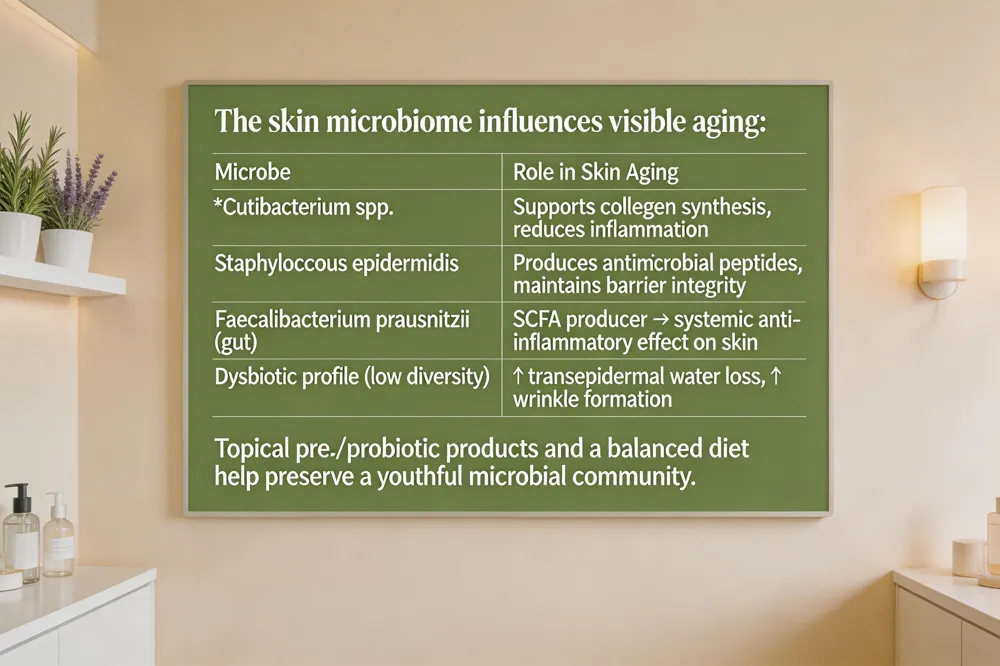 The skin microbiome shifts dramatically as we age. Intrinsic aging and extrinsic factors such as cumulative UV exposure alter the relative abundance of resident microbes, often reducing overall diversity. Large‑scale analyses reveal a paradox: higher microbial diversity correlates with fewer crow’s‑feet wrinkles but also with lower transepidermal water loss, indicating that a balanced microbiome helps retain moisture and protect the barrier. Beneficial commensals like Cutibacterium spp. and Staphylococcus epidermidis support collagen synthesis and dampen inflammation, whereas dysbiosis can accelerate barrier breakdown and wrinkle formation.
Topical strategies for mature skin now target this microbial ecosystem. Gentle, pH‑balanced cleansers avoid stripping protective bacteria, while moisturizers enriched with prebiotic fibers (e.g., inulin, fructooligosaccharides) feed beneficial microbes and reinforce the skin barrier. Emerging probiotic creams containing live Lactobacillus or Bifidobacterium strains aim to restore a youthful microbial profile, improve hydration, and reduce oxidative stress.
Skin microbiome and aging – Research shows that the composition of the skin microbiome changes with both intrinsic aging and extrinsic factors such as UV exposure, influencing barrier function and visible signs of aging. While overall microbial diversity tends to decline with age, recent large‑scale analyses have found a paradoxical positive link between higher diversity and crow’s‑feet wrinkles, yet a negative correlation with transepidermal water loss, suggesting that a balanced microbiome helps retain moisture. Certain commensal bacteria, especially Cutibacterium spp. and Staphylococcus epidermidis, have been associated with improved collagen production and reduced inflammation. Gentle cleansing, moisturizers enriched with prebiotic fibers, and occasional topical probiotics can support a youthful microbial profile, and emerging microbiota‑based therapies hold promise for slowing wrinkle formation. Protecting the skin from UV radiation and maintaining overall skin health remain essential for preserving a beneficial microbiome and mitigating age‑related changes.
Practical Lifestyle Changes to Support the Gut‑Skin Axis
Lifestyle factors that modulate gut‑skin health:
| Factor | Practical Tip | Skin Impact |
|---|---|---|
| Hydration | 2‑3 L water daily, spread throughout day | Flush toxins, improve nutrient transport |
| Sleep | 7‑9 hours of restorative sleep | Regulates immune function, enhances SCFA production |
| Stress management | Daily mindfulness, yoga, or moderate exercise | Lowers cortisol → protects gut barrier |
| Exercise | 30 min moderate aerobic activity 4‑5 × week | Increases microbial diversity, boosts SCFAs |
| Antibiotics & harsh chemicals | Use only when necessary; choose pH‑balanced cleansers | Preserves beneficial microbes in gut & skin |
Adopting these habits synergizes with dietary strategies for optimal skin clarity.
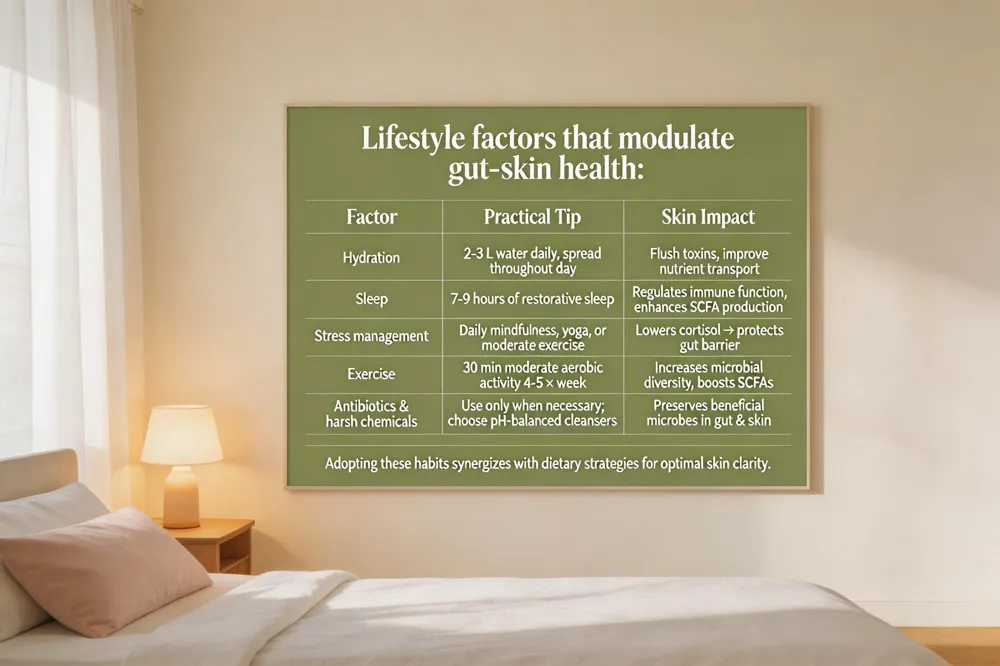 Gut health and skin issues are tightly linked through the gut‑skin axis. When dysbiosis disrupts the intestinal microbiome, systemic inflammation rises, intestinal permeability increases, and microbial metabolites leak into the bloodstream. This cascade can aggravate acne, eczema, rosacea, psoriasis and accelerate skin aging. Moreover, an imbalanced gut hampers absorption of vitamins A, C, E and minerals such as zinc and magnesium—nutrients essential for collagen synthesis, barrier repair and elasticity. Restoring microbial balance therefore reduces inflammation, strengthens both gut and skin barriers, and supports clearer, more resilient skin.
Hydration, stress, and sleep – Adequate water intake helps flush toxins and supports nutrient transport, while chronic stress elevates cortisol, compromising gut permeability and microbial diversity. Prioritizing 7‑9 hours of restorative sleep regulates immune function and promotes the production of short‑chain fatty acids that protect skin integrity.
Exercise and its effect on microbiota – Regular moderate aerobic activity increases microbial diversity and stimulates SCFA production, which in turn dampens systemic inflammation and improves skin barrier function.
Avoiding antibiotics and harsh chemicals – Broad‑spectrum antibiotics and aggressive topical agents can indiscriminately wipe out beneficial gut and skin microbes, fostering dysbiosis. Limiting unnecessary antibiotic use and choosing pH‑balanced, gentle skin cleansers preserves microbial ecosystems.
At Dermatology Associates, PC we integrate these lifestyle strategies with evidence‑based probiotic, prebiotic, and dietary recommendations to address gut‑skin interactions holistically, optimizing both digestive health and skin vitality.
Personalized Care at Dermatology Associates, PC
Dermatology Associates, PC offers a holistic, gut‑skin‑focused program:
| Service | Description |
|---|---|
| Gut‑friendly diet counseling | High‑fiber, low‑glycemic, polyphenol‑rich meal plans |
| Targeted probiotic/prebiotic prescribing | Multi‑strain supplements + fermented food guidance |
| Lifestyle coaching | Stress reduction, sleep hygiene, exercise planning |
| Integrated skin therapy | Barrier‑supporting moisturizers, topical probiotics, medical treatments |
| Advanced options | Next‑generation probiotics, postbiotic creams, fecal microbiota transplantation (when appropriate) |
The goal is to achieve lasting skin clarity by restoring gut homeostasis and tailoring dermatologic care.
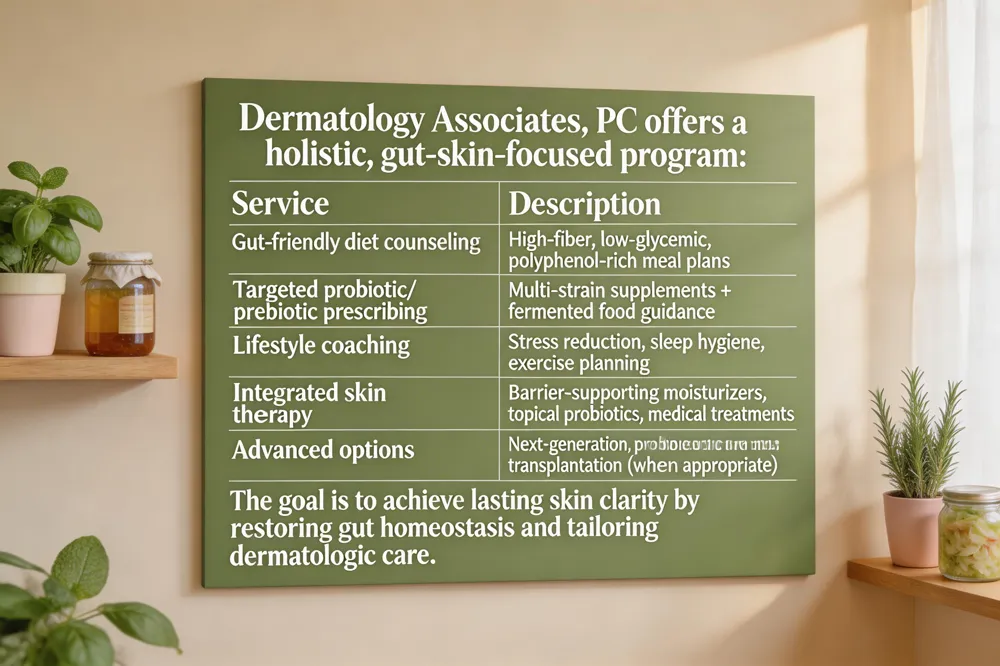 Dermatology Associates, PC delivers integrated medical, cosmetic, and wellness services that recognize the gut‑skin axis as a central driver of skin health. Patients receive thorough education on how gastrointestinal balance, immune modulation, and microbial metabolites influence conditions such as acne, eczema, and psoriasis. The clinic’s approach begins with a gut‑friendly diet rich in fiber, polyphenols, and omega‑3 fatty acids while limiting refined sugars and dairy. Targeted probiotic or prebiotic supplements are prescribed to restore microbial diversity, strengthen the intestinal barrier, and curb systemic inflammation. Lifestyle coaching—stress‑reduction techniques, regular aerobic exercise, and 7‑9 hours of restorative sleep—further supports immune regulation and skin barrier integrity. After establishing gut homeostasis, dermatologists tailor topical or systemic therapies to address the visible skin manifestations, ensuring that treatment of the skin and the underlying gut dysbiosis are synchronized. Emerging personalized options, such as next‑generation probiotics, postbiotic‑based creams, and, when appropriate, fecal microbiota transplantation, are incorporated into long‑term plans. This comprehensive, evidence‑based strategy empowers patients to achieve clearer, more resilient skin through coordinated gut‑skin health management.
The Importance of Short‑Chain Fatty Acids
SCFAs are key metabolites linking gut health to skin:
| SCFA | Primary Food Source | Skin Benefit |
|---|---|---|
| Butyrate | Fermentable fiber (inulin, oats, legumes) | Reinforces barrier, anti‑inflammatory |
| Propionate | Whole grains, nuts, seeds | Modulates immune response, reduces redness |
| Acetate | Fermented foods, fruits | Supports hydration, reduces oxidative stress |
Boost SCFA production with high‑fiber, polyphenol‑rich, and omega‑3‑rich foods for clearer, more resilient skin.
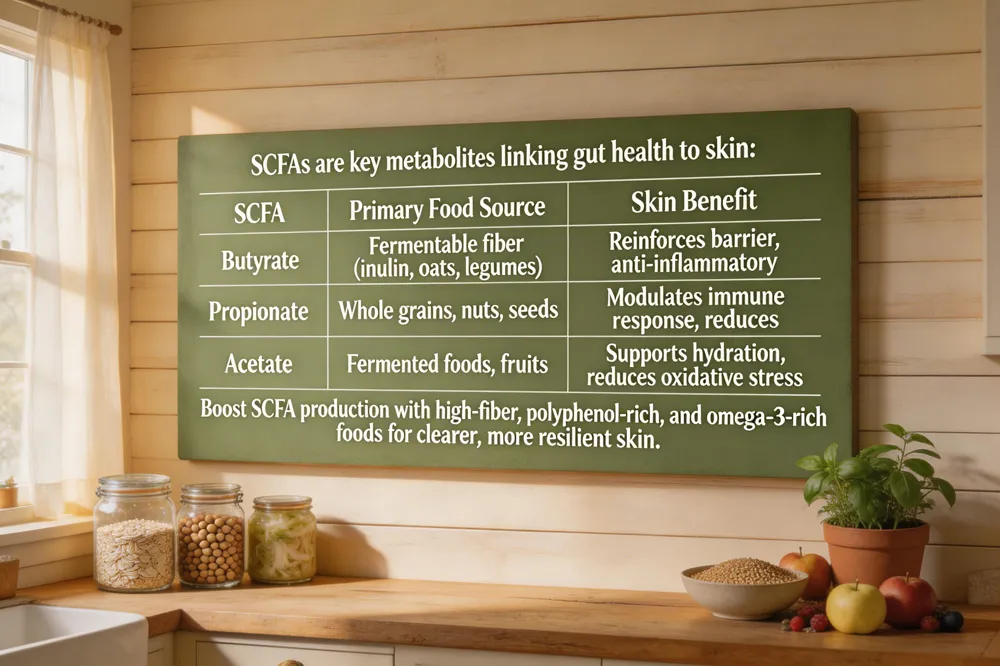 Short‑chain fatty acids (SCFAs) are metabolic by‑products of gut bacterial fermentation, primarily butyrate, propionate, and acetate. Beneficial microbes such as Faecalibacterium prausnitzii, Akkermansia muciniphila, and various Bifidobacterium species convert dietary fiber into these acids, which in turn reinforce the intestinal barrier and modulate systemic immunity. SCFAs exert anti‑inflammatory effects by inhibiting NF‑κB signaling, promoting regulatory T‑cell development, and reducing circulating pro‑inflammatory cytokines (e.g., IL‑6, TNF‑α). The same mechanisms extend to the skin, where enhanced barrier integrity limits transepidermal water loss and dampens inflammatory cascades that underlie acne, eczema, psoriasis, and rosacea. To boost SCFA production, a gut‑friendly diet should be rich in soluble and insoluble fibers—found in fruits, vegetables, legumes, whole grains, and prebiotic compounds such as inulin, fructooligosaccharides, and galactooligosaccharides. Fermented foods (yogurt, kefir, kimchi, sauerkraut) supply live microbes that further augment SCFA synthesis. Polyphenol‑dense foods (dark chocolate, green tea, berries) and omega‑3‑rich sources (fatty fish, walnuts, flaxseed) also support a diverse microbiome, indirectly enhancing SCFA output. Consistent intake of these foods, coupled with adequate hydration and stress management, creates a synergistic environment that promotes both gut and skin health.
Integrating Gut‑Friendly Skincare
Modern skincare now targets the skin microbiome:
| Ingredient | Function |
|---|---|
| Live Lactobacillus rhamnosus | Repopulates beneficial skin bacteria, reduces S. aureus |
| Bifidobacterium lactis | Enhances barrier lipids, lowers inflammation |
| Postbiotic lipoteichoic acid | Stimulates antimicrobial peptide production |
| Prebiotic fibers (inulin, FOS) | Feed resident microbes, improve hydration |
| pH‑balancing actives (niacinamide, ceramides) | Maintain acidic surface, support barrier |
Pair these topical actives with oral probiotics and a gut‑friendly diet for synergistic skin improvement.
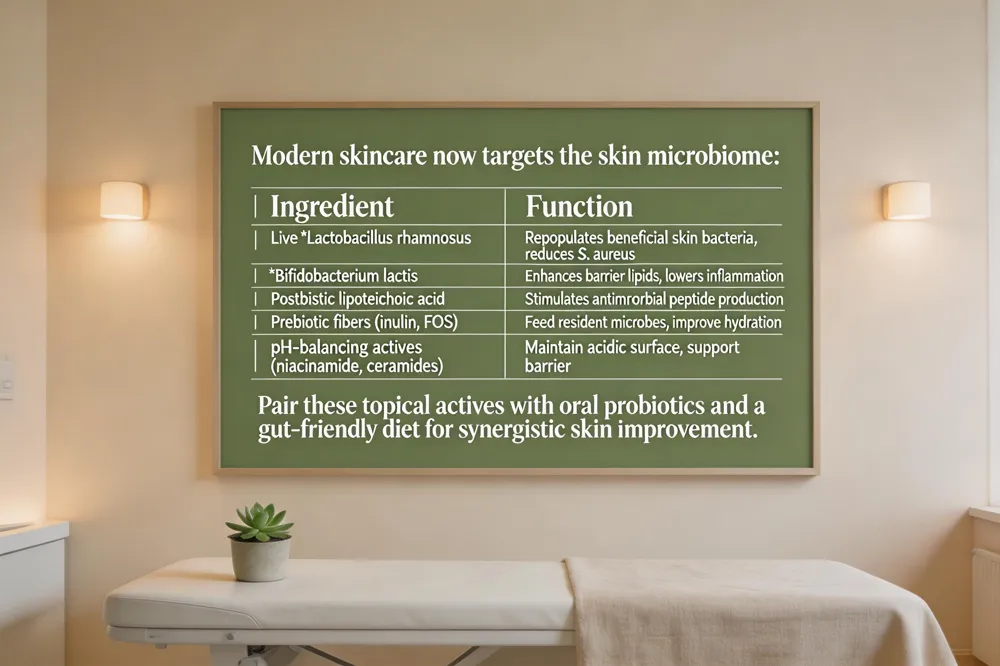 The gut‑skin axis links intestinal health to cutaneous integrity, so modern skincare increasingly incorporates microbiome‑targeted act.
Topical prebiotic and probiotic ingredients – Formulations now include live cultures such as Lactobacillus rhamnosus, Bifidobacterium lactis, and postbiotic metabolites (e.g., lipoteichoic acid, cell‑free supernatants). These agents feed resident skin microbes, suppress pathogenic Staphylococcus aureus, and boost antimicrobial peptide production, thereby reinforcing the skin barrier and reducing transepidermal water loss.
Balancing skin pH and barrier – The skin’s slightly acidic surface (pH ≈ 5.0) supports a healthy microbiome. Products that maintain this acidity—through acid‑balanced cleansers, niacinamide, and ceramide‑rich moisturizers—prevent dysbiosis triggered by high‑pH soaps. When combined with prebiotic fibers (inulin, fructooligosaccharides applied topically, they further nurture beneficial bacteria and enhance barrier lipids.
Complementary role of oral gut support – Oral probiotics (Lactobacillus, Bifidobacterium strains) and prebiotic fibers increase short‑chain fatty acid production, especially butyrate, which strengthens the intestinal barrier and dampens systemic inflammation. Reduced permeability limits microbial translocation that can otherwise aggravate acne, eczema, rosacea, and psoriasis. Integrated regimens that pair gut‑friendly diets (high fiber, fermented foods with targeted topical microbiome care produce synergistic reductions in skin inflammation and improvements in hydration, elasticity, and overall complexion.
Your Path to Radiant Skin Starts Inside
The gut‑skin axis is a two‑way communication network in which the gastrointestinal microbiome regulates systemic immunity, nutrient absorption, and barrier integrity. Approximately 70 % of the body’s immune cells reside in the gut, and dysbiosis—often driven by low‑fiber, high‑sugar diets, stress, or antibiotics—can increase intestinal permeability, trigger systemic inflammation, and weaken the skin barrier. This cascade manifests as acne, eczema, psoriasis, rosacea, or premature aging, while nutrient deficiencies (vitamins A, C, E, zinc, magnesium) further impair collagen synthesis and skin repair.
At Dermatology Associates, PC we begin by evaluating gut‑related contributors to chronic skin disease—reviewing dietary habits, gastrointestinal symptoms, and, when indicated, ordering microbiome testing or breath‑analysis for SIBO. Our personalized plan integrates evidence‑based probiotic and prebiotic supplementation, nutrient‑dense whole‑food meals (high‑fiber vegetables, fermented foods, omega‑3‑rich fish), adequate hydration, stress‑reduction techniques, and sleep optimization. Patients receive clear guidance on probi foods and, adjustments that nourish both the gut and the complexion.
Adopting a gut‑friendly lifestyle is a sustainable, science‑backed strategy for lasting skin clarity. By prioritizing fiber, fermented foods, and healthy habits, you empower your microbiome to dampen inflammation, enhance barrier function, and ultimately reveal a radiant, resilient complexion.