A New Era of Natural Rejuvenation
Cosmetic dermatology is undergoing a fundamental shift. Patients increasingly choose treatments that enhance their appearance without the dramatic changes, long recovery periods, and risks associated with traditional surgery. The focus has moved toward natural-looking results achieved through minimally invasive procedures that offer little to no downtime.
This change is driven by patient demand. Over the past decade, the preference for non-surgical aesthetic options has surged, with people seeking subtle improvements that preserve their unique features. Advanced injectables, energy-based devices, and regenerative therapies have revolutionized the field. These innovations allow dermatologists to address concerns like volume loss, wrinkles, and skin laxity in ways that look effortless.
At the same time, the concept of "prejuvenation" is gaining traction. Younger patients in their late 20s and 30s are starting preventative treatments such as micro-doses of neuromodulators and laser sessions to delay visible aging before it starts. This proactive approach reflects a broader shift from reactive repair to ongoing skin maintenance.
Dermatology Associates, PC provides these cutting-edge personalized treatments. The practice combines evidence-based medicine with modern laser and radiofrequency technologies to design custom treatment plans that match each patient's goals, skin type, and anatomy. Whether addressing early signs of aging or seeking more comprehensive rejuvenation, patients receive care that prioritizes natural results and long-term skin health.
Beyond the Scalpel: Top Non-Surgical Procedures and the Rise of ‘Prejuvenation’
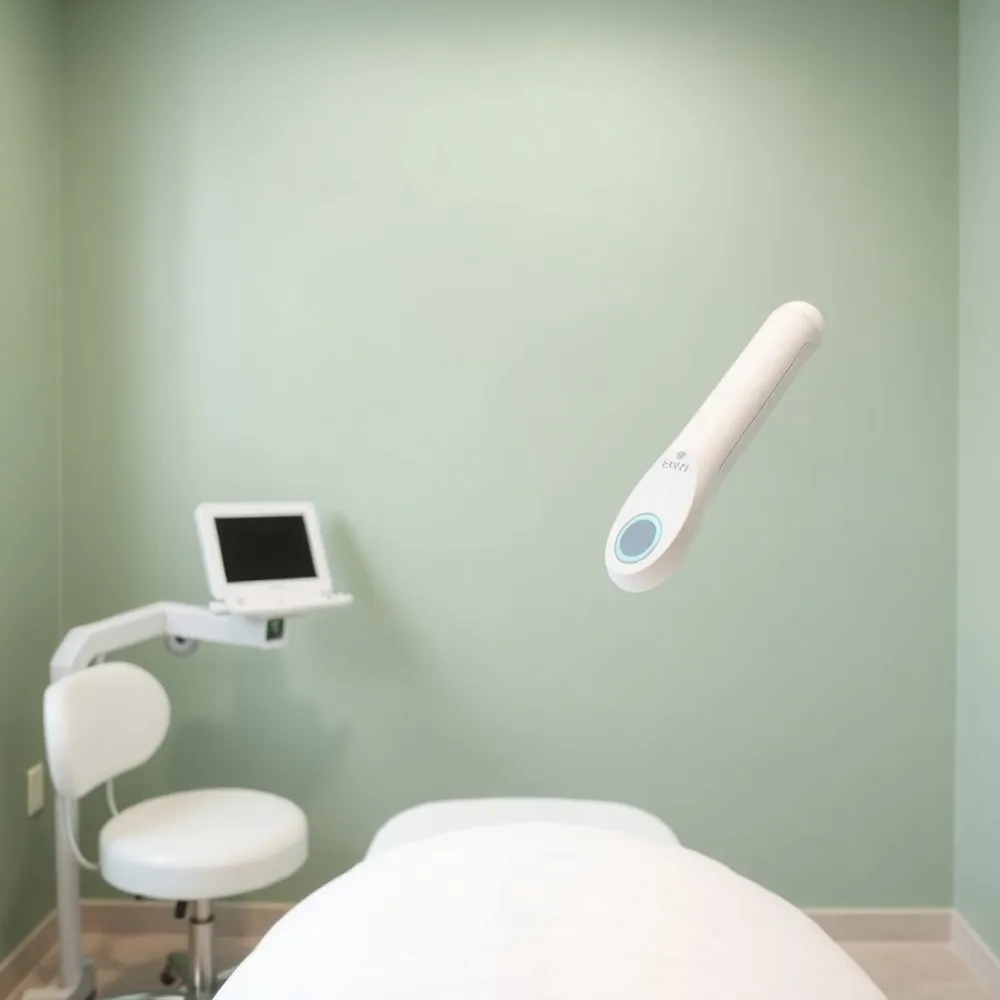 Non-surgical cosmetic procedures now dominate the aesthetic landscape. Patients choose them for their ability to deliver visible improvement without incisions, general anesthesia, or extended downtime. The four most prominent categories are neuromodulators, dermal fillers, laser skin resurfacing, and microneedling with radiofrequency.
Neuromodulators, Fillers, and Laser Treatments
Neuromodulators such as Botox and Dysport relax the facial muscles that cause dynamic wrinkles like crow's feet, forehead lines, and frown lines. Results typically appear within days and last about three months. Dermal fillers like Restylane and Juvéderm restore lost volume, plump lips, enhance cheekbones, and smooth static wrinkles, with effects lasting six to eighteen months depending on the product. Laser skin resurfacing targets sun damage, age spots, acne scars, and uneven texture by removing damaged outer layers or stimulating collagen beneath the skin.
Microneedling with radiofrequency (RF) combines micro-injuries from fine needles with deep RF energy. Devices such as Morpheus8 heat the deeper skin layers to enhance tightening, reduce wrinkles, and improve overall skin quality with minimal downtime. This dual-action technology is particularly effective for patients seeking firmer, smoother skin without surgery.
The 'Prejuvenation' Trend
A growing number of patients in their late 20s and 30s are choosing preventative treatments to delay visible aging before it starts. This approach, called prejuvenation, includes baby Botox, medical-grade facials, and gentle laser sessions. The goal is to maintain youthful skin by starting early, rather than correcting advanced signs of aging later. Social media and greater awareness of skincare science have driven this shift toward proactive, rather than reactive, care.
At Dermatology Associates, PC, these treatments are often combined for synergistic outcomes. A patient might receive neuromodulator injections to soften expression lines, dermal fillers to restore volume, and RF microneedling to tighten skin in a single treatment plan. This layered approach addresses multiple concerns at once while preserving natural-looking results and keeping recovery time brief.
The Cutting-Edge of Technology: AI, Biologics, and Next-Gen Lasers
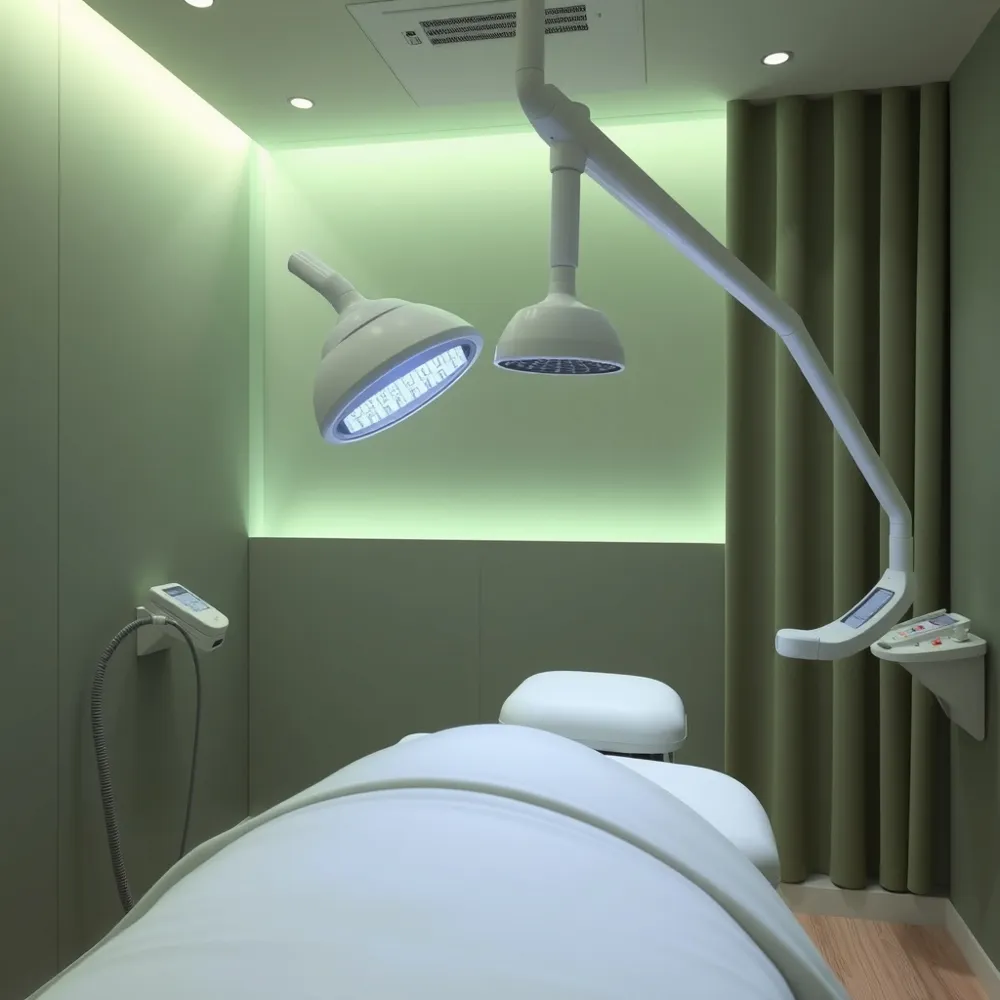 Artificial intelligence is reshaping cosmetic dermatology. AI-powered imaging systems analyze skin characteristics in detail, allowing providers to simulate treatment outcomes and craft personalized plans with greater precision. Dermatology Associates, PC uses these digital tools to tailor every procedure to the patient's unique anatomy and goals.
Biostimulatory fillers such as Sculptra and Radiesse represent a major advance. Rather than simply filling wrinkles, they stimulate the skin's own collagen production for gradual, natural-looking volume restoration. Energy-based devices like radiofrequency microneedling combine microneedling with deep tissue heating to tighten skin and improve texture with minimal downtime.
Next-generation lasers continue to improve safety and efficacy. The UltraClear cold fiber laser resurfaces skin on all tones with reduced discomfort, while the Acclaro device targets deeper layers for enhanced collagen remodeling. These technologies reflect the field's move toward precision treatments that respect individual skin differences.
Evidence-based practice remains essential as regenerative medicine gains traction. Platelet-rich plasma, exosomes, and stem cell therapies harness the body's own healing mechanisms to rejuvenate skin at a cellular level. Dermatology Associates, PC integrates these biologic options alongside advanced lasers, ensuring each treatment plan is both innovative and scientifically grounded.
Choosing the Right Laser for Your Face: A Guide to Types and Results
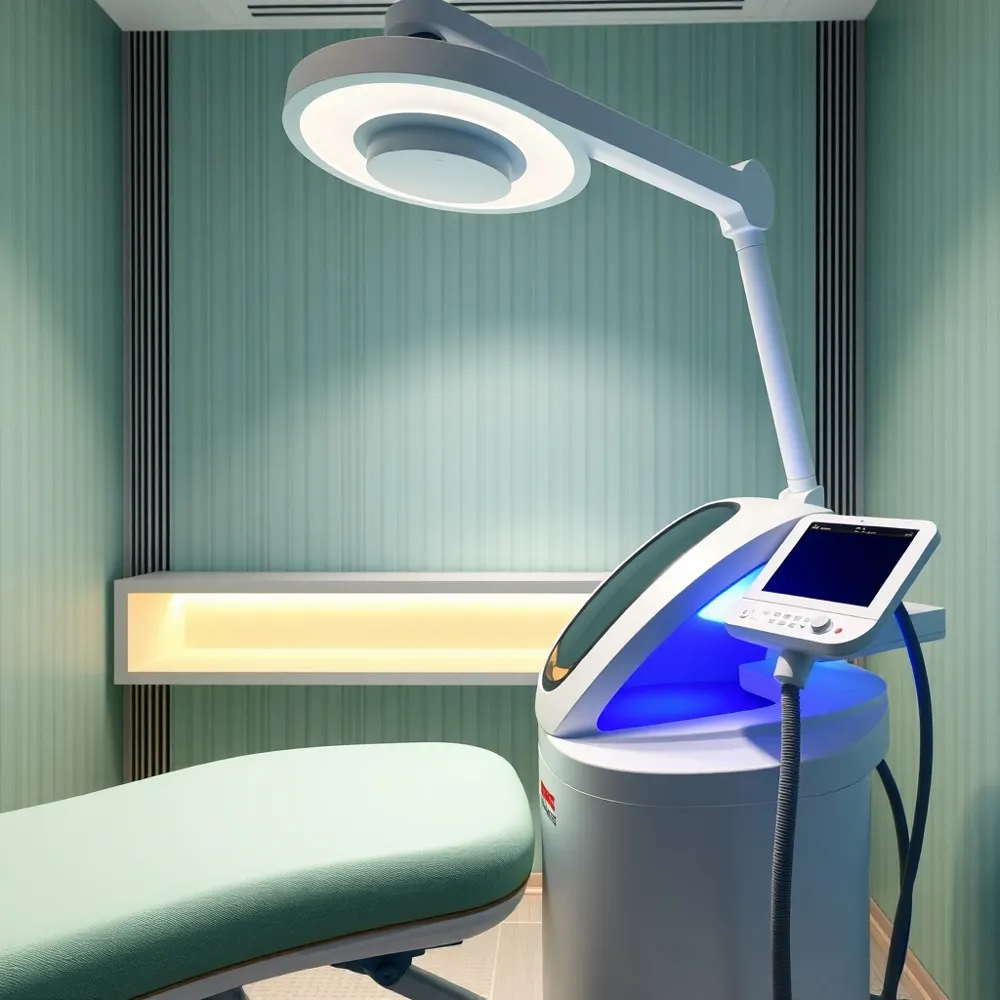 Laser-based facial rejuvenation is not a single technology but a spectrum of devices, each suited to different skin concerns, depths of treatment, and recovery profiles. Understanding the main categories helps patients and providers select the best approach for individual goals.
Ablative, Non-Ablative, and Fractional Lasers
Ablative lasers, such as carbon dioxide (CO2) and erbium (Er:YAG) devices, remove the outer layers of skin to treat deep wrinkles, significant photodamage, and scars. These offer the most dramatic results but require 1–2 weeks of downtime while new skin regenerates. Non-ablative lasers, including Nd:YAG and diode wavelengths, heat the dermis without disrupting the surface, stimulating collagen for mild lines and texture issues with minimal recovery. Fractional lasers, like Fraxel, create microscopic treatment columns in the skin while leaving surrounding tissue intact, combining efficacy with faster healing.
In recent years, hybrid fractional lasers have emerged, merging ablative and non-ablative energy in a single session. This approach addresses fine lines, wrinkles, acne scars, and sun damage with reduced downtime compared to fully ablative devices, making it an increasingly popular middle ground.
Targeted Lasers for Specific Concerns
Beyond general resurfacing, certain lasers excel at specific conditions. Intense pulsed light (IPL) targets brown spots and redness, while pulsed dye lasers target vascular lesions such as broken capillaries and rosacea. For patients seeking a more precise option, picosecond lasers use ultra-short pulses to break up pigmented lesions and stimulate dermal remodeling with minimal heat damage.
Skin Type and Safety Considerations
A patient's Fitzpatrick skin type plays a major role in laser selection. Deeper skin tones carry a higher risk of hyperpigmentation or burns with aggressive devices. Advances in fractional and non-ablative technologies, along with the use of radiofrequency microneedling as an alternative to traditional lasers, have expanded safe options for a broader range of skin colors. An experienced provider tailors the wavelength, energy level, and cooling method to each patient's skin type and aesthetic goals.
Innovations in Skin Tightening and Resurfacing: What’s New?
The latest generation of non-surgical skin tightening and resurfacing devices offers precision that was unimaginable a decade ago. Among the most talked-about advances are next-generation radiofrequency (RF) devices like XERF, which delivers dual frequencies to heat multiple tissue depths simultaneously. This approach allows for lifting and tightening at both superficial and deep planes in a single session, producing visible changes without incisions.
RF microneedling has also taken a significant leap forward with platforms such as Morpheus8, which uses ultrafine needles to deliver RF energy up to 8 millimeters deep. At that depth, the energy reaches the fibrous septae and underlying fat, stimulating robust collagen production and reducing mild fat pockets. Dermatology Associates, PC offers Morpheus8 with adjustable needle depth, allowing the provider to customize treatment for each patient's laxity level and target area.
For patients seeking a non-needle option, focused ultrasound remains a powerful tool. Ultherapy targets the SMAS layer—the same supportive tissue addressed in a surgical facelift—using micro-focused ultrasound energy to lift and tighten the brow, neck, and chin from the inside out. Results become noticeable over two to three months as the body's natural collagen remodeling process takes hold.
Safe for All Skin Tones
A critical advantage of modern RF and ultrasound devices is that they are essentially “colorblind.” Because these technologies deliver energy through the dermis and subdermal layers while bypassing the skin's surface where melanin resides, they carry a very low risk of hyperpigmentation or burns. This makes them suitable for patients with Fitzpatrick skin types IV through VI, who historically had fewer safe options for non-surgical tightening. By using these technologies, Dermatology Associates, PC can offer effective skin rejuvenation across a diverse patient population, matching the right device and settings to each individual's skin tone and goals.
The Gradual Payoff of Energy-Based Treatments
Patients should expect that results from these energy-based treatments develop over time. Full improvement typically takes two to six months after the last session, as new collagen and elastin fibers gradually replace older, damaged tissue. Most protocols recommend a series of two to six treatments spaced several weeks apart, depending on the device and the degree of laxity being addressed.
Combination therapies often produce the most satisfying outcomes. Pairing RF microneedling with injectable biostimulators or layering a focused ultrasound treatment with a fractional laser session addresses multiple layers of aging in a coordinated plan. Dermatology Associates, PC designs these multi-modal regimens during a personalized consultation, ensuring that each patient's unique concerns—whether skin laxity, texture, or volume loss—are treated in the right sequence for maximum effect with minimal downtime.
Investment and Realistic Expectations: Cost, Results, and the ‘Decade-Off’ Goal
Non-surgical facial rejuvenation costs vary widely depending on the procedure, provider expertise, and geographic location. Skin resurfacing treatments typically fall into a higher price range than simpler laser therapies, and non-surgical facelifts can span several thousand dollars. At Dermatology Associates, PC, each treatment plan is customized, so the cost reflects the specific combination of technologies chosen to meet your goals.
Before-and-after results are gradual but meaningful. Patients commonly see reduced wrinkles, improved skin texture and firmness, and a brighter complexion. Most energy-based treatments stimulate collagen over two to three months, with results lasting one to two years when supported by maintenance sessions and good skincare.
Can You Take 20 Years Off Your Face?
A combination approach can produce a dramatic rejuvenation effect. Options include:
- Non-surgical facelifts using radiofrequency or ultrasound energy
- MINT thread lifts for immediate lifting
- Morpheus8 microneedling for skin tightening and texture
- PRP and exosome therapies for regenerative renewal
- Dermal fillers and collagen-stimulating Sculptra for volume restoration
- Laser skin resurfacing to improve tone and reduce lines
A personalized consultation is essential to determine the right combination for your anatomy and concerns. Dermatology Associates, PC offers comprehensive evaluations to build a realistic, results-driven plan tailored to your needs.
Celebrity Secrets and Popular Alternatives to Traditional Botox
Many celebrities avoid traditional Botox in favor of treatments that emphasize natural rejuvenation. Vampire facials (platelet-rich plasma therapy), microneedling, and LED light therapy are among the most popular choices. These procedures stimulate collagen production and improve skin texture with minimal downtime.
Other options include chemical peels, which exfoliate damaged outer layers, and face yoga, a non-invasive practice that tones facial muscles. Advanced injectables like Xeomin and Dysport offer a neuromodulator alternative similar to Botox but with slightly different formulations.
Dermatology Associates, PC provides many of these treatments, including PRP, microneedling, and advanced injectables, tailored to each patient's goals. The clinic's patient-centered philosophy aligns with the trend toward natural-looking results and preventive care.
The best approach is a customized, evidence-based plan developed during a consultation. A board-certified dermatologist can help determine which combination of treatments will deliver the safest, most effective outcomes for your skin.
Partnering with Dermatology Associates, PC for Your Skin Journey
The future of cosmetic dermatology is already here: personalized, data-driven, and minimally invasive. Dermatology Associates, PC brings these innovations to life by pairing advanced technologies like Morpheus8, FaceTite, and fractional lasers with the clinical expertise of board-certified providers. Every treatment plan is tailored to your unique skin type, concerns, and goals.
Whether you are exploring prejuvenation or seeking to refresh mature skin, a consultation at Dermatology Associates, PC is the first step toward natural, lasting results. Contact the practice today to discover the most advanced non-surgical options for your skin journey.