

Understanding the Evolution of Body Contouring
Body contouring procedures have become increasingly popular as more people seek ways to address stubborn fat pockets that resist diet and exercise. Two leading approaches dominate the conversation: traditional liposuction, a long-established surgical technique, and BodyTite, a newer radiofrequency-assisted lipolysis (RFAL) procedure that combines fat removal with skin tightening.
Both methods target localized fat, but their differences run deeper than just the technology used. Traditional liposuction mechanically suctions out fat cells through a cannula but offers no skin tightening effect. BodyTite, by contrast, delivers controlled RF energy to liquefy fat and simultaneously contract collagen fibers in the dermis, addressing both contour and skin laxity in one session. A clinical study published in PMC documented significant fat reduction and maintained skin tightening at 6- and 12-month follow-ups after BodyTite.
The growing interest in minimally invasive options with reduced downtime has driven many patients to explore BodyTite as an alternative. Where liposuction often requires general anesthesia, larger incisions, and a recovery period of one to two weeks, BodyTite is performed under local anesthesia through a tiny 1–2 mm incision, with most patients resuming light activities within 48 to 72 hours.
At Dermatology Associates, PC, we offer both BodyTite and traditional liposuction as part of a comprehensive suite of body contouring services. Led by Dr. Sonya F. Campbell Johnson, our practice emphasizes personalized consultations to determine which approach best matches each patient's anatomy and goals. Whether the priority is significant fat reduction, skin tightening, or a combination of the two, starting with a clear understanding of the differences is the first step toward a satisfying result.
How BodyTite and Liposuction Eradicate Fat
 BodyTite and traditional liposuction both remove fat, but they do so through fundamentally different mechanisms. The choice between them often comes down to whether skin tightening is needed alongside fat reduction.
BodyTite: Radiofrequency-Assisted Lipolysis
BodyTite uses radiofrequency-assisted lipolysis (RFAL) technology to address fat and skin laxity in a single procedure. A thin internal probe inserted through a small incision delivers controlled radiofrequency energy directly to fat cells, liquefying them while simultaneously coagulating blood vessels to reduce bleeding and bruising. An external electrode on the skin's surface helps focus the energy and monitors temperature for safety. Once the fat is melted, it is gently suctioned out through the same cannula. The thermal energy also heats the dermis and connective tissue, stimulating immediate collagen contraction and ongoing neocollagenesis, which tightens the overlying skin over several months. Clinical evidence from a peer-reviewed study documents significant fat reduction and measurable skin contraction following BodyTite treatment.
At Dermatology Associates, PC, BodyTite is performed using authentic InMode devices under local anesthesia, typically requiring only tiny incisions that heal without noticeable scarring. The practice's approach combines RFAL with customized treatment plans, helping patients achieve smoother contours and firmer skin with less downtime than traditional surgery.
Traditional Liposuction: Mechanical Fat Removal
Traditional liposuction is a surgical procedure that mechanically removes fat through suction. After injecting a tumescent solution (saline, anesthetic, and epinephrine) to numb the area and constrict blood vessels, the surgeon inserts a hollow cannula through small incisions and moves it back and forth to break up fat deposits, which are then vacuumed out. Liposuction is effective for removing larger volumes of fat in a single session and has a long track record of safety and predictability. However, it does not tighten skin; the skin must shrink back on its own, which can leave loose or sagging skin in patients with poor elasticity. Recovery often involves significant bruising, swelling, and wearing compression garments for several weeks.
Shared Outcome: Permanent Fat Reduction
Both BodyTite and liposuction permanently remove fat cells from the treated areas — those cells do not regenerate. This means the contour improvement is lasting as long as the patient maintains a stable weight. Weight gain can cause remaining fat cells to enlarge or new fat to develop, altering the sculpted result. Maintaining a balanced diet and regular exercise is essential for preserving outcomes with either method.
Mechanism. BodyTite uses RFAL energy to melt fat and tighten skin simultaneously; liposuction mechanically suctions fat without skin tightening.
Fat volume. Liposuction can remove larger amounts of fat per session; BodyTite is suited for smaller, localized deposits with mild to moderate skin laxity.
Candidates. BodyTite is for patients near ideal weight with stubborn fat and loose skin; liposuction alone works best for those with good skin elasticity needing volume reduction.
Comparing Skin Tightening Results
The ability to tighten loose skin is where these two procedures diverge most sharply. BodyTite uses radiofrequency-assisted lipolysis (RFAL) to heat the dermis and subcutaneous tissue, stimulating immediate collagen contraction and ongoing neocollagenesis. Published clinical data report skin contraction of up to 36% to 47% following a single BodyTite session, with improvements in skin laxity measured at 40-50% in peer-reviewed studies.
Traditional liposuction provides no intrinsic skin tightening. It relies entirely on the skin's natural elasticity to shrink back around the reduced contour. For patients with good skin tone, this is often sufficient, but those with moderate laxity may find that liposuction alone leaves them with looser, sagging skin after fat removal. This limitation makes careful candidate selection essential.
At Dermatology Associates, PC, BodyTite is used specifically for patients who present with both localized fat and mild to moderate skin laxity. The practice tailors treatment plans to each patient's unique tissue characteristics, ensuring that the procedure chosen matches the degree of tightening needed. For individuals whose primary concern is laxity rather than fat volume, BodyTite offers a middle ground between non-invasive treatments and excisional surgery.
BodyTite. Heats deep tissue via RFAL to achieve significant skin contraction (up to 47%), ideal for mild to moderate laxity.
Traditional Liposuction. Removes fat only; skin tightening is dependent on the patient's natural elasticity, with no active collagen stimulation.
What to Expect During and After the Procedure
The experience of undergoing BodyTite differs significantly from traditional liposuction. BodyTite is performed in an office setting under local anesthesia, requiring only tiny incisions (1-2 mm) through which a thin cannula delivers radiofrequency energy. The procedure typically lasts 1-3 hours depending on the number of areas treated. In contrast, traditional liposuction often requires general anesthesia, larger incisions, and a longer procedure time, with more extensive tissue trauma.
Recovery is where the two procedures diverge most clearly for patients. BodyTite patients typically experience 1-3 days of downtime, with minimal bruising and discomfort. Most can return to light activities within 48-72 hours and resume strenuous exercise after about two weeks. Liposuction recovery, by comparison, involves 7-14 days of downtime, significant bruising, and more noticeable discomfort. Patients undergoing traditional liposuction must wear compression garments for up to six weeks, whereas BodyTite patients typically wear them for 2-4 weeks.
At Dermatology Associates, PC, BodyTite is performed using advanced radiofrequency-assisted lipolysis (RFAL) technology, emphasizing patient comfort and minimized downtime. The practice provides customized post-procedure care instructions to support each patient's recovery goals, helping them return to normal routines as quickly as possible.
Realistic Results: Before, After, and Longevity
Understanding the timeline and permanence of results is essential when choosing between BodyTite and liposuction. Both procedures permanently remove fat cells from treated areas, but the visible changes unfold at different paces.
BodyTite: Gradual Tightening with Early Contour Changes
BodyTite patients often notice an immediate reduction in volume because the liquefied fat is suctioned out during the procedure. However, the most dramatic improvement comes from skin tightening, which develops gradually. Collagen remodeling triggered by the radiofrequency energy continues for months, with final results typically visible between three and six months after treatment. Clinical sources report tissue contraction of up to 36% to 47% after BodyTite, leading to firmer, more sculpted contours.
Liposuction: Patience While Swelling Subsides
Traditional liposuction delivers noticeable fat reduction once post-operative swelling resolves, a process that can take several weeks to months. Because liposuction does not tighten skin, patients with good natural elasticity see the best outcomes. Those with mild to moderate skin laxity may find that the skin does not fully conform to the new contours, which is where BodyTite's dual-action approach provides an advantage.
Long-Term Durability and Aging
For both procedures, the removed fat cells do not grow back, which means results can last for years. Maintaining a stable weight through a balanced diet and regular exercise is critical — significant weight gain can enlarge remaining fat cells and distort the sculpted appearance. Natural aging continues to affect skin elasticity over time, so some patients may choose maintenance treatments to preserve their results. At Dermatology Associates, PC, personalized consultations help patients understand how these factors apply to their individual goals, ensuring a realistic plan for long-lasting body contouring.
Is BodyTite Right for You? Candidate Selection
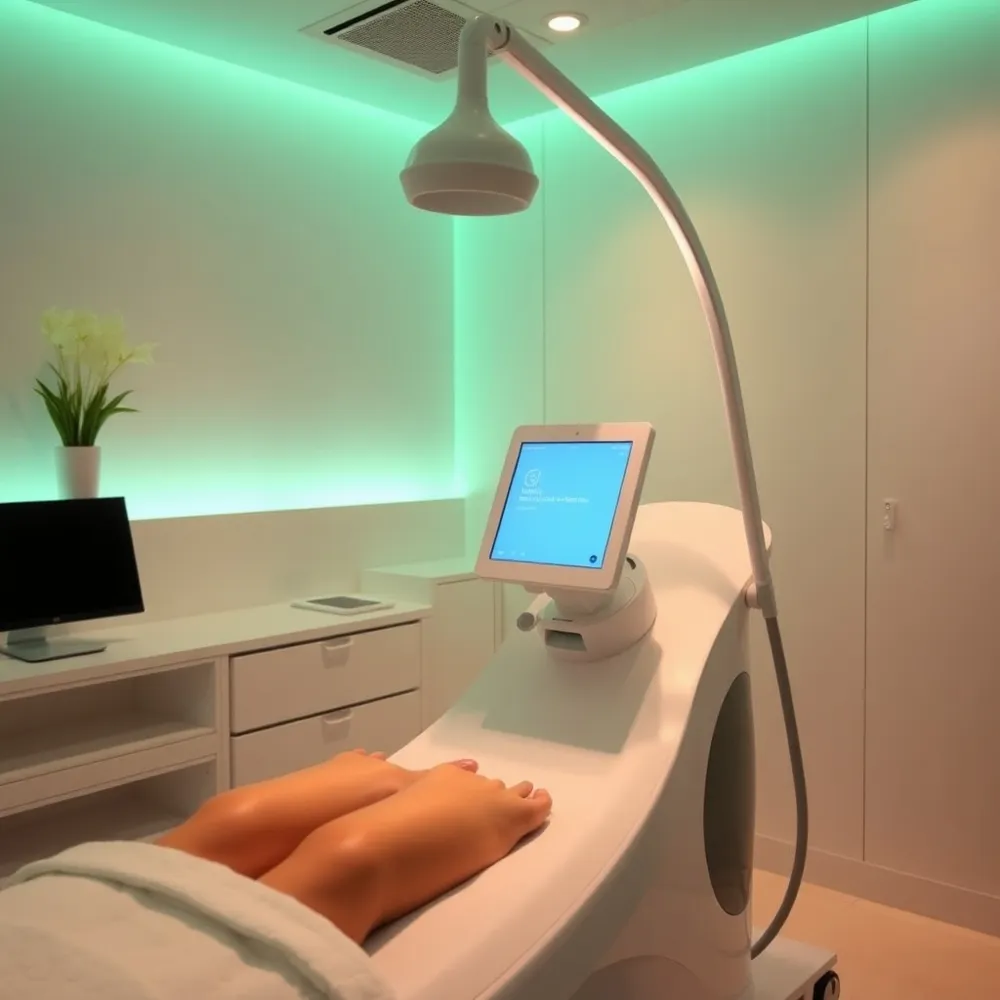 Not everyone is an ideal candidate for BodyTite. The procedure is designed for patients who are close to their ideal body weight — typically with a BMI between 20 and 25 — and who have mild to moderate skin laxity alongside localized fat deposits. These are often people who have maintained a stable weight through diet and exercise but still struggle with stubborn pockets of fat and subtle skin looseness that resist lifestyle changes.
Patients with a BMI above 27.5 or those with severe skin excess — for example after massive weight loss or multiple pregnancies — are generally not good candidates for BodyTite alone. For these individuals, excisional procedures such as abdominoplasty (tummy tuck), arm lifts, or thigh lifts may be more appropriate. BodyTite is a contouring tool, not a substitute for surgery when significant tissue removal is needed.
Traditional liposuction, by contrast, is often the better choice when the primary goal is removing a larger volume of fat and the patient has good natural skin elasticity. Liposuction can extract more fat in a single session but does not tighten the overlying skin; if the skin is already loose, the result may be unsatisfactory. At Dermatology Associates, PC, a personalized consultation helps determine which approach — or combination of both — matches each patient's anatomy and goals.
Both procedures require realistic expectations. Neither BodyTite nor liposuction is a weight-loss method. They are body-sculpting tools for individuals already at or near their target weight who want to refine specific areas. Candidates should be in good general health, non-smokers, and committed to maintaining a stable weight after treatment to preserve the results.
| Candidate Factor | BodyTite | Traditional Liposuction |
|---|---|---|
| BMI range | 20–25 | Any (but skin elasticity matters) |
| Skin laxity | Mild to moderate | Good skin elasticity required |
| Fat volume | Small to moderate, localized | Small to large volumes |
| Skin tightening | Yes (RFAL stimulates collagen) | No (relies on natural skin retraction) |
| Not suitable for | Severe skin excess, high BMI | Poor skin elasticity alone |
Combining BodyTite with Liposuction for Enhanced Results
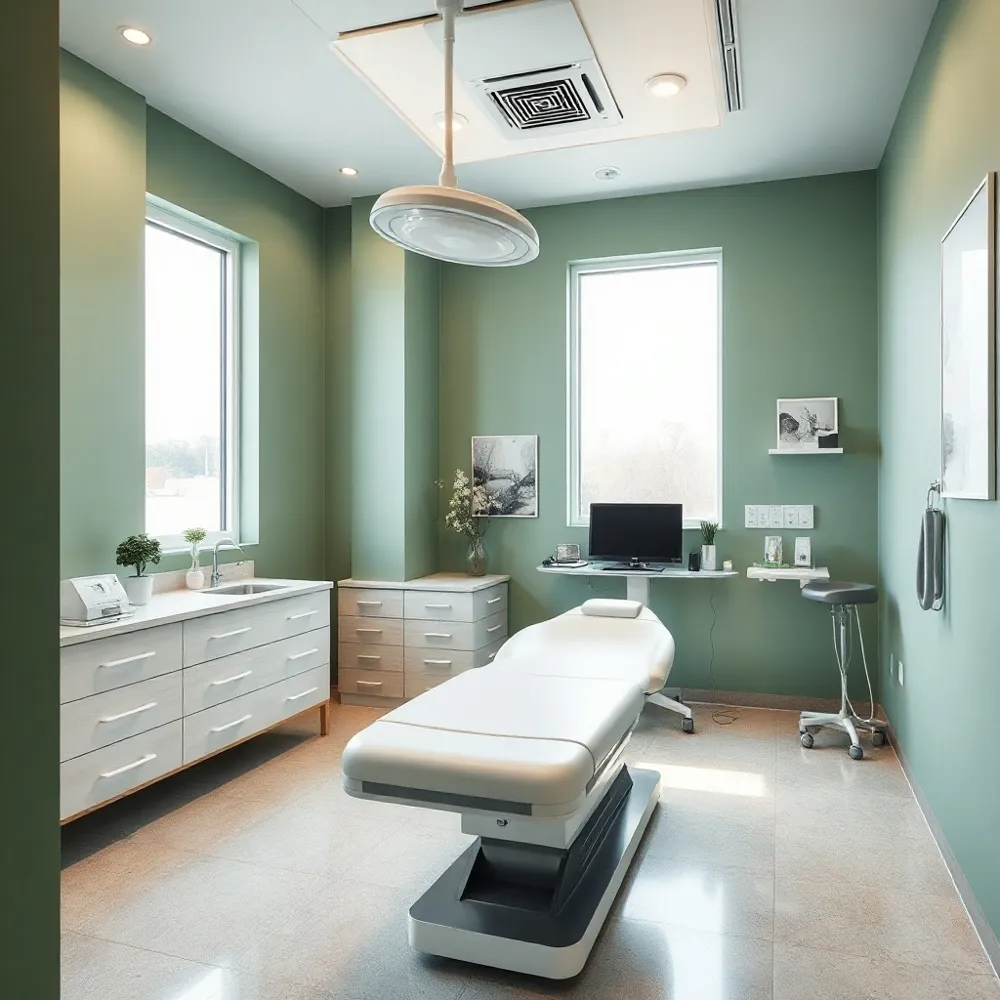 BodyTite and traditional liposuction are not mutually exclusive — they can be combined into a single treatment session for patients who want both substantial fat reduction and meaningful skin tightening. This approach leverages the strengths of each technique: liposuction removes larger volumes of fat efficiently, while BodyTite uses radiofrequency-assisted lipolysis to tighten the overlying skin and stimulate collagen remodeling.
The combination is particularly valuable for patients who need significant fat reduction but are concerned about the loose or sagging skin that can follow liposuction alone. After the surgeon removes the targeted fat deposits through traditional suction, BodyTite is applied to the same area to contract connective tissue and promote skin firmness. Peer-reviewed clinical studies on BodyTite report tissue contraction of up to 36%, which helps the skin conform to the body's new contours rather than hanging loosely.
For patients at Dermatology Associates, PC, this combined strategy is a standard offering within the practice's suite of advanced radiofrequency technologies. During a personalized consultation, Dr. Sonya F. Campbell Johnson and her team assess whether a patient's anatomy and goals call for liposuction alone, BodyTite alone, or a staged combination. The result is a customized treatment plan that addresses both fat volume and skin laxity in a single episode of care, reducing the need for separate procedures and their associated recovery periods.
Recovery from the combined approach is typically longer than BodyTite alone but shorter than undergoing two separate surgeries. Most patients experience moderate swelling and soreness for the first week, with compression garment use recommended for several weeks. The payoff, however, is a more dramatic transformation: a sharper silhouette with tighter, smoother skin than either procedure could achieve on its own.
Understanding the Costs and Value
BodyTite is generally more expensive than traditional liposuction on a per-treatment basis, typically ranging from $5,000 to $15,000 per area. However, this higher upfront cost often includes the added value of skin tightening and avoids separate expenses for general anesthesia and a surgical facility, which are required for traditional liposuction.
The final price depends on several factors: the surgeon's expertise, geographic location, number of areas treated, and whether the procedure is combined with standard liposuction for larger fat removal. Practices like Dermatology Associates, PC offer personalized consultations with Dr. Sonya F. Campbell Johnson, where a detailed cost breakdown is provided after assessing your specific anatomy and treatment goals.
Because BodyTite is an elective cosmetic procedure, it is not covered by insurance. Many providers offer financing options to make the investment more manageable. For an accurate quote tailored to your needs, scheduling an in-person evaluation is recommended.
What Patients Say and How to Choose Your Provider
Patient reviews of BodyTite frequently highlight the procedure's ability to tighten loose skin and reduce stubborn fat with noticeably less downtime than traditional surgery. On forums such as Reddit and Aesthetic Community discussions, many users share positive outcomes, describing improved body contours and firmer skin on the abdomen, arms, and thighs. The general consensus positions BodyTite as a valuable middle ground between non-invasive treatments and full surgical lifts.
However, some patients report variability in results, including mild skin laxity or uneven tightening after healing. These accounts underscore the importance of realistic expectations and an experienced provider. Outcomes depend heavily on the practitioner's skill with radiofrequency-assisted lipolysis and their ability to assess candidacy properly.
Selecting a board-certified dermatologist or plastic surgeon for BodyTite is critical. At Dermatology Associates, PC, led by board-certified dermatologist Dr. Sonya F. Campbell Johnson, each patient receives a personalized consultation to determine whether BodyTite aligns with their goals. The practice offers a full range of cosmetic treatments, including BodyTite, Morpheus8, and FaceTite, as part of a comprehensive approach to body contouring and skin tightening. A skill-based evaluation of skin quality, fat distribution, and medical history ensures that every patient receives a safe, targeted treatment plan.
Making Your Decision: BodyTite or Liposuction?
Choosing between BodyTite and traditional liposuction comes down to your primary concern. BodyTite combines radiofrequency-assisted lipolysis with skin tightening, making it ideal for patients who want to address mild to moderate fat deposits and improve skin laxity in a single session. Traditional liposuction remains the better option for larger-volume fat removal when skin elasticity is already good.
BodyTite offers less downtime, minimal scarring, and a lower risk profile — most patients return to light activities within 48 to 72 hours. The procedure uses local anesthesia and small incisions, and clinical studies report significant skin contraction alongside permanent fat reduction [cite: PMC study]. Liposuction, while effective for more dramatic reshaping, requires general anesthesia, longer recovery, and compression garments for weeks.
A consultation with a board-certified provider is essential to determine which approach fits your anatomy and goals. At Dermatology Associates, PC, Dr. Sonya F. Campbell Johnson and her team evaluate each patient's skin quality, fat distribution, and desired outcome to recommend BodyTite, liposuction, or a combination of both. Schedule a personalized evaluation to discuss your options and develop a treatment plan tailored to your body.