Understanding The Treatment Question
Whether vaginal laser or radiofrequency (RF) treatment is “better” depends on the concern being addressed, the specific device, and a person’s health history and goals. Evidence reviewed to date does not establish that either approach is superior overall; studies vary, and direct comparisons are limited.
“Vaginal rejuvenation” is a broad, nonmedical term for procedures intended to change how the vagina or vulva looks or feels. It does not name a specific diagnosis or guarantee an outcome. Symptoms such as dryness, urinary leakage, or a feeling of laxity can have different causes and may call for different care.
A 2024 review of laser and RF studies focused on genitourinary symptoms, not purely cosmetic procedures, and did not establish a winner between the technologies. The review’s findings support discussing evidence limits and individual goals before choosing a treatment.
At Dermatology Associates, PC, feminine wellness services include RF-based Morpheus8V and FormaV. The practice serves patients in Indianapolis, Batesville, and Tipton. A clinical evaluation can help clarify what may be causing symptoms and whether a treatment or another option is appropriate.
What Nonsurgical Treatments Aim To Do
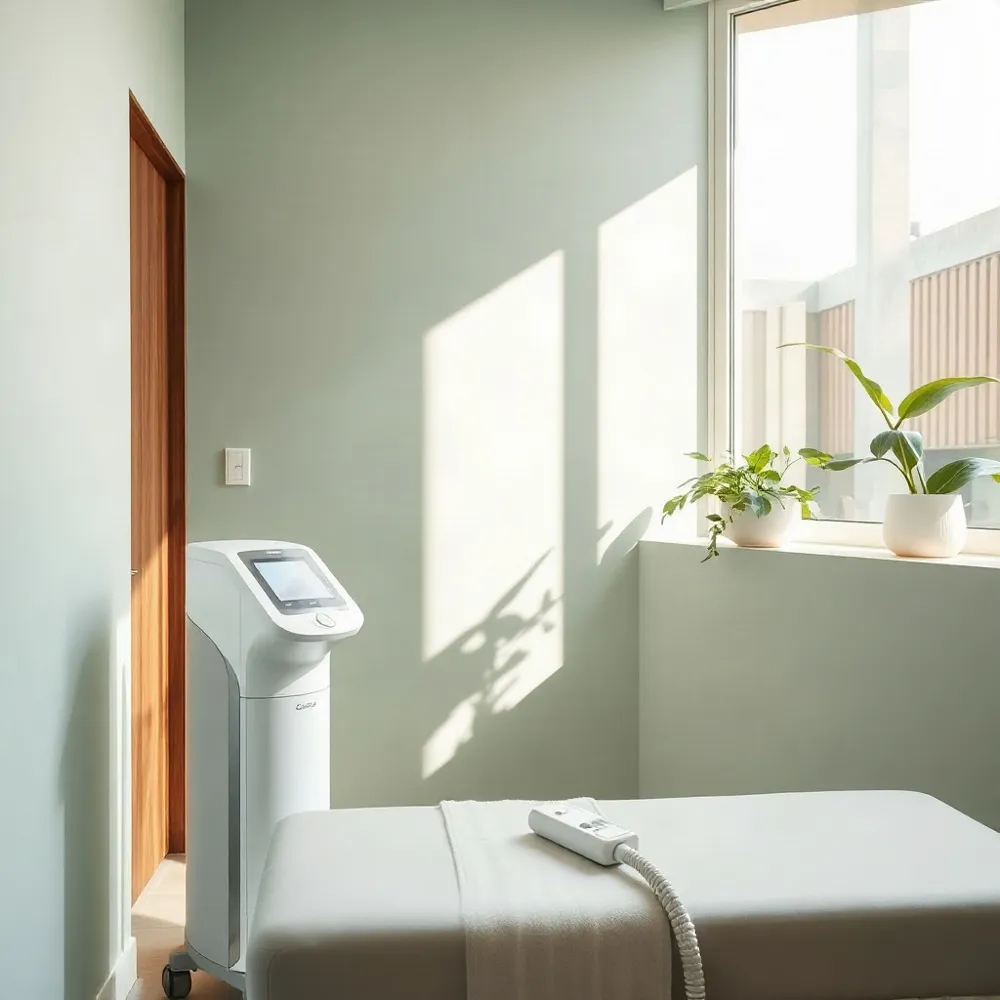 Nonsurgical vaginal treatments do not involve incisions or stitches. Laser devices deliver focused light to tissue, while radiofrequency (RF) devices use energy to heat it. Both approaches are intended to prompt tissue changes, but the method and treatment plan vary by device.
What is nonsurgical vaginal rejuvenation?
“Vaginal rejuvenation” is a broad term for non-incisional procedures intended to address concerns such as dryness, discomfort, perceived changes in tissue firmness, or urinary leakage. These are treatment goals, not guaranteed results. A clinician should first assess what is causing the symptoms, since an energy-based procedure may not address the underlying issue. Cleveland Clinic’s overview of vaginal rejuvenation explains the distinction between these procedures and medical care for specific concerns.
At Dermatology Associates, PC, feminine wellness services include RF-based options such as Morpheus8V and FormaV. The practice describes these treatments as nonsurgical options for concerns including dryness, laxity, and urinary symptoms, with suitability determined through an individual clinical assessment.
Can vaginal tissue or pelvic floor concerns change with age?
Yes. Menopause-related changes in estrogen and aging can be associated with vaginal dryness, irritation, or discomfort during sex. Pelvic floor muscles and support can also change, but these concerns are not inevitable, and symptoms may have causes unrelated to aging.
A feeling of looseness can reflect pelvic floor weakness rather than a change in the vaginal canal. A bulge may be a sign of prolapse, so persistent or concerning symptoms merit evaluation. Procedures intended to stimulate collagen do not correct muscle weakness. Depending on the diagnosis, care might include pelvic floor physical therapy, moisturizers, local estrogen, or another treatment.
For patients in Indianapolis, Batesville, and Tipton, a consultation can help clarify the concern and discuss appropriate options before treatment.
How Laser And RF Differ
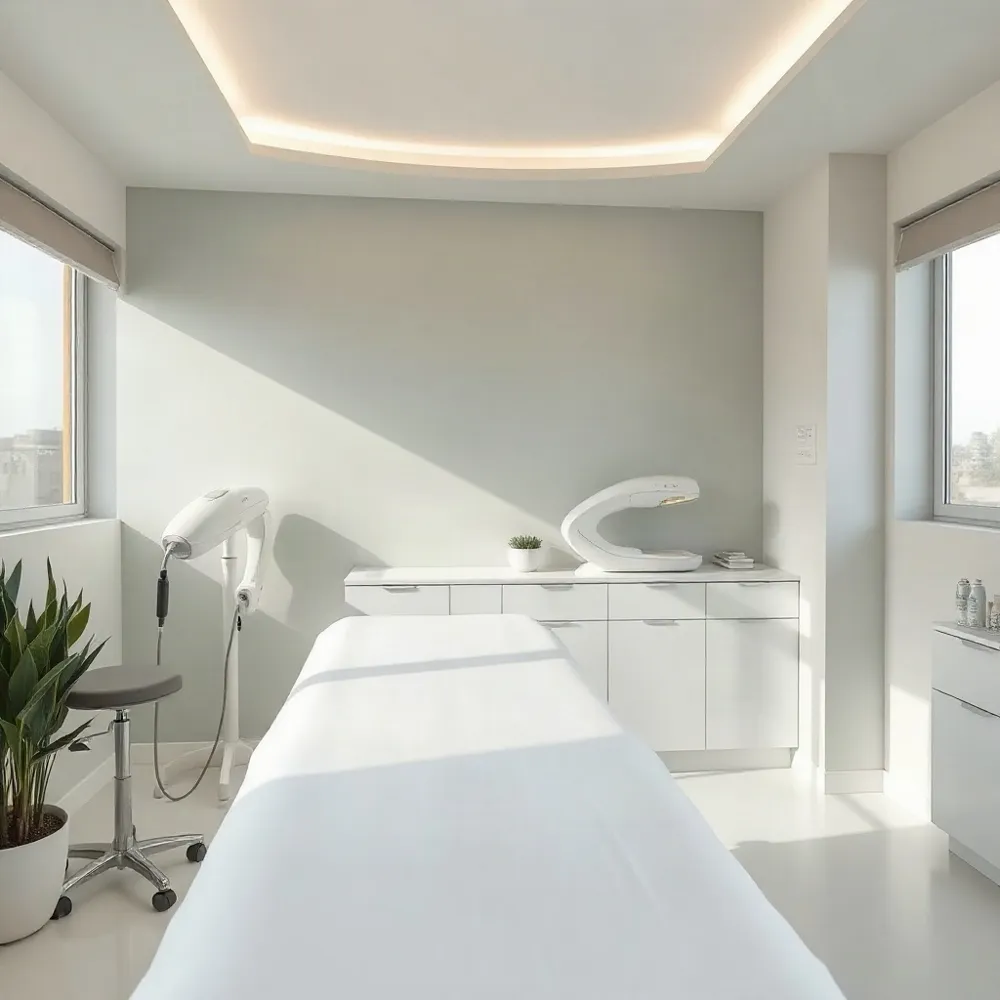 Laser treatments use focused light to deliver energy to tissue, while radiofrequency (RF) treatments use radiofrequency energy to heat it. The precise effect depends on the device and how its energy is delivered, so results from one treatment protocol should not be assumed to apply to every laser or RF option.
A retrospective study comparing vaginal diode laser with monopolar RF for menopausal symptoms reported improvement with both treatments and less reported discomfort with RF. Because the study was not designed to establish which treatment is best for everyone, it offers limited grounds for choosing one modality over the other. The broader research review of vaginal laser and RF treatments also found that direct comparative evidence is limited.
Dermatology Associates, PC offers RF-based feminine wellness services, including Morpheus8V and FormaV, with treatment plans tailored to individual concerns. For patients in Indianapolis, a clinician can discuss how the treatment area, symptoms, medical history, goals, and alternatives inform suitability. Current evidence does not establish a universal winner between laser and RF.
What The Evidence Can And Cannot Show
 A systematic review presented at the 2024 Sexual Medicine Society of North America Fall Scientific Meeting examined 77 studies: 27 randomized controlled trials, 40 prospective interventional studies, and 10 retrospective studies. It assessed laser and radiofrequency (RF) treatments for genitourinary syndrome of menopause (GSM) or related symptoms and stress urinary incontinence (SUI), not purely cosmetic procedures. Its conclusions should not be extended to concerns it did not study. The review
The evidence was uneven: 61 studies evaluated laser alone, 13 evaluated RF alone, and three studied both. The review therefore does not establish that either approach is superior. It reported improvement in validated patient-reported outcomes in 93.5% of studies, but that study-level finding does not prove that treatment caused the improvement or predict an individual’s result.
Sham-controlled results add uncertainty. Of the 10 studies with placebo or sham groups, eight reported improvement in the control group, and only four found a significant difference between treatment and placebo in reported outcomes. Separately, a Cochrane review found very-low-certainty evidence for vaginal laser treatment of SUI and concluded it may make little or no difference to short-term continence. This is not a comparison with RF. The Cochrane review
Researchers call for more randomized trials with sham controls and studies connecting measurable tissue changes to clinical outcomes. Dermatology Associates, PC offers RF-based feminine wellness services, including Morpheus8V and FormaV, but the review does not establish the effectiveness of these specific services. Patients considering care in Indianapolis can discuss their symptoms, options, and the limits of current evidence with a clinician.
Available Services And Individual Suitability
Dermatology Associates, PC offers Morpheus8V and FormaV, identified by the practice as radiofrequency (RF)-based feminine wellness services, as well as V-Tone. The supplied service information does not specify V-Tone’s energy type or mechanism.
The practice describes these services as non-surgical options intended to address concerns such as vaginal laxity, dryness, urinary incontinence, pelvic-floor concerns, tissue remodeling, circulation, and menopause-related changes. These are treatment goals, not outcomes established for each service by the research review, which examined studies of laser and RF for specific genitourinary symptoms.
Suitability depends on the concern, device, treatment area, health history, and personal goals. An active infection or another medical concern may call for evaluation or postponing treatment, but precautions differ by device and should not be inferred from another study’s eligibility rules. A clinician can assess whether the symptoms need evaluation by another appropriate healthcare professional.
Before deciding, ask about evidence for the specific device and protocol, expected benefits and risks, alternatives, and whether treatment fits your symptoms. Dermatology Associates, PC provides feminine wellness services in Indianapolis, Batesville, and Tipton.
Risks And Established Alternatives
What side effects or risks can occur with radiofrequency feminine wellness treatments? Reported effects across vaginal energy-based treatments include pain or burning, discharge, spotting or bleeding, urinary discomfort, urinary tract infection, and vaginitis. In a review of 77 studies, about half reported at least minor or temporary adverse events, which the authors generally characterized as minor (systematic review findings).
More serious concerns reported with energy-based devices include burns, scarring, painful intercourse, persistent pain, and changes in sensation. FDA MAUDE reports are voluntary, and the total number of procedures is unknown, so they cannot show an individual’s likelihood of harm or establish which technology is safer. FDA communications have also cautioned that safety and effectiveness have not been established for devices marketed for vaginal rejuvenation. These cautions are not an endorsement or approval for those uses (analysis of FDA adverse-event reports).
For genitourinary syndrome of menopause symptoms, local estrogen is a current standard of care. Depending on the diagnosis and medical history, a clinician may also discuss pelvic floor physical therapy or other established options. At Dermatology Associates, PC, individualized assessment and education are part of discussing its radiofrequency-based feminine wellness services; patients can seek care at the practice’s Indianapolis location. Ask about device-specific evidence, alternatives, and warning signs before deciding on treatment.
Choosing Care And Understanding Cost
Choosing between nonsurgical treatment and surgery starts with identifying what is causing the concern. Hormonal changes, pelvic floor weakness, prolapse, and anatomical changes may call for different approaches, so an examination and discussion of symptoms should come before choosing a procedure. A new bulge, pelvic heaviness, new urinary symptoms, pain, or bleeding after menopause warrants medical evaluation rather than cosmetic treatment alone. Cleveland Clinic’s guidance on vaginal rejuvenation explains why assessment of the underlying cause matters.
Energy-based treatments such as laser and radiofrequency (RF) are not suitable for everyone, and evidence remains uncertain for some treatment goals. Surgery may be considered when an examination identifies an anatomical issue it can address, but it involves operative risks and recovery. Neither approach is automatically the right choice; the decision depends on the diagnosis, health history, and a patient’s priorities.
At Dermatology Associates, PC, a consultation can help patients discuss their concerns and available feminine wellness services, including RF-based Morpheus8V and FormaV. Patients should ask about evidence for the specific treatment, alternatives, possible risks, expected results, and whether follow-up care may be needed. The practice serves patients in Indianapolis, Batesville, and Tipton.
No current pricing was provided for these services. Cost can depend on the treatment and the number of sessions recommended, so contact the practice for a current estimate and ask what the price includes.
The available evidence does not establish a universal winner between laser and RF. An individualized clinical assessment is the appropriate next step for patients considering care at the practice’s Indianapolis, Batesville, or Tipton locations.
A Careful Comparison Matters
Current evidence does not establish that vaginal laser or radiofrequency is universally better. Findings depend on the condition studied, the specific device and protocol, and the limits of the research, which has not provided a definitive head-to-head comparison. Individual health history and treatment goals also matter.
Before deciding, ask a qualified clinician what evidence supports the proposed treatment for your concern, what risks and uncertainties apply, and whether established options may be appropriate. At Dermatology Associates, PC, feminine wellness services include radiofrequency-based Morpheus8V and FormaV; a clinical evaluation can help determine whether these services fit a person’s needs. The practice serves patients in Indianapolis, Batesville, and Tipton, without guaranteeing a particular result.