

Understanding Your Options in the Fight Against Hair Loss
Hair loss is a common concern that affects millions of people worldwide. By age 50, about 85% of men and up to 40% of women experience some degree of hair thinning. Androgenetic alopecia, often called male or female pattern baldness, accounts for the majority of cases. While hair loss is not a medical emergency, it can significantly impact self-esteem and quality of life.
The causes of hair loss are varied, including genetics, hormonal changes, stress, nutritional deficiencies, and autoimmune conditions. The good news is that today's treatment landscape offers more options than ever before. From topical solutions like minoxidil to advanced procedures such as low-level laser therapy (LLLT) and platelet-rich plasma (PRP), patients can choose from a range of evidence-based approaches tailored to their specific needs.
Traditional first-line treatments remain the foundation of hair loss management. Dermatology Associates, PC provides personalized care for patients of all ages and skin types, offering medical dermatology, cosmetic procedures, and regenerative therapies. Their approach combines evidence-based medicine with modern technology to help patients improve scalp health and achieve visible results.
The treatment journey often begins with a thorough evaluation. A dermatologist will examine the scalp, review medical history, and may perform blood tests to rule out underlying conditions such as thyroid disorders or iron deficiency. This diagnostic step is crucial because the most effective treatment depends on the specific type and cause of hair loss. For example, androgenetic alopecia responds well to minoxidil and finasteride, while alopecia areata may require corticosteroid injections or newer JAK inhibitors.
In recent years, low-level laser therapy has gained attention as a non-invasive option that uses red or near-infrared light to stimulate hair follicles. Approved by the FDA since 2007, LLLT devices are available for home use and can complement topical or oral medications. Clinical studies show that LLLT increases hair density and thickness, making it a valuable addition to a comprehensive plan.
Regenerative treatments like PRP and exosome therapy represent the cutting edge of hair restoration. PRP uses the patient's own growth factors to rejuvenate follicles, while exosome therapy delivers signaling molecules that promote repair and growth. These biologic treatments are often combined with microneedling or LLLT for enhanced results.
Hair transplantation remains the most permanent solution for pattern hair loss, with modern techniques like Follicular Unit Extraction (FUE) providing natural-looking outcomes with minimal scarring. However, surgery is not suitable for everyone, and many patients prefer to start with less invasive options.
The key to success is early intervention. The earlier treatment begins, the more likely it is to preserve existing hair and stimulate regrowth. Dermatology Associates, PC emphasizes patient education and customized treatment plans, combining topical solutions, oral medications, laser therapy, and in-office procedures to address each individual's unique concerns. Their team, led by Dr. Sonya F. Campbell Johnson, focuses on helping patients achieve healthier hair and greater confidence.
No single treatment works for everyone, which is why a multimodal approach often yields the best results. By understanding the full spectrum of options—from established medications to emerging therapies—patients can make informed decisions about their hair health. The following sections detail each treatment category so you can explore what might be right for you.
Immediate Steps and First-Line Topical Solutions
When you notice excess hair in your brush or the drain, a sense of urgency is natural. While no product can reverse shedding overnight, taking quick, informed action can stop additional loss and set the stage for regrowth.
How can I stop hair fall immediately?
The most important immediate step is a medical evaluation. Hair loss has many causes — genetics, stress, hormonal shifts, medications, nutrient deficiencies — and treating the wrong cause wastes time. A board-certified dermatologist can perform a scalp exam, review your history, and order blood work to pinpoint the driver.
Meanwhile, adopt a scalp-friendly routine. Use a mild, sulfate-free shampoo; limit heat styling, chemical treatments, and tight ponytails or braids that pull on follicles. Manage stress through exercise or relaxation techniques, and ensure adequate protein, iron, zinc, and vitamin D in your diet. [Over-the-counter minoxidil](https://www.mayoclinic.org/drugs-supplements/minoxidil-topical-route/description/drg-20068750) (applied twice daily) may reduce excessive shedding in the first few months, but visible results typically take 3 to 6 months of consistent use.
What are the best topical solutions for hair loss for men and women?
The only topical ingredient FDA-approved for regrowth in both men and women is minoxidil. The 5% strength is considered more effective for most adults, though 2% is often recommended for women to reduce the risk of unwanted facial hair. Minoxidil works by extending the growth phase of the hair cycle and increasing blood flow to follicles. Use it once or twice daily on a dry scalp — results plateau after about a year, and stopping the medication usually causes loss to return within a few months.
For patients seeking non-drug options, topical caffeine and rosemary oil have demonstrated encouraging results. A randomized controlled study of 100 people reported that rosemary oil performed similarly to 2% minoxidil after 6 months, with less scalp itching. Other botanical compounds such as pumpkin seed oil, saw palmetto, and blends containing Redensyl or Capixyl may support follicle health as secondary therapies, but larger comparative trials are still needed.
Prescription oral medications — finasteride for men and spironolactone for women — offer additional avenues, but minoxidil remains the foundation of topical care. A dermatologist can combine these approaches into a plan tailored to your specific type of hair loss.
Prescription Powerhouses: Finasteride and Beyond
For many patients, over-the-counter solutions are a worthwhile starting point, but prescription medications offer a more direct route for slowing or reversing hair loss. Finasteride (Propecia) is an oral prescription pill that blocks the conversion of testosterone to DHT, the hormone that drives male pattern baldness. It can increase hair density by 10-20% after one year, and over 80% of men maintain existing hair over five years. Side effects, including reduced libido, affect roughly 1-2% of users and may persist after discontinuation.
For women, treatment options shift. Finasteride is not FDA-approved for women and is unsafe during pregnancy, though it may be used off-label in postmenopausal patients. Spironolactone, an oral medication that regulates hormones, is often prescribed for female pattern hair loss, particularly when linked to PCOS. Minoxidil remains the only FDA-approved topical for women, available in 2% and 5% strengths. For both men and women, a dermatologist can design a prescription plan that addresses the specific cause and type of hair loss.
Beyond Finasteride: Dutasteride and Emerging Prescriptions
Dutasteride (Avodart) inhibits both type I and type II 5α-reductase, making it more potent at reducing DHT than finasteride. It is not FDA-approved for hair loss in the U.S., but it is approved for this use in Japan and South Korea. Some dermatologists prescribe it off-label for patients who do not respond to finasteride, though the risk of side effects is higher.
For alopecia areata, an autoimmune form of hair loss, the FDA has approved three JAK inhibitors since 2022: baricitinib (Olumiant), ritlecitinib (Litfulo), and deuruxolitinib (Leqselvi). These oral medications block the immune attack on hair follicles, with clinical trials showing significant regrowth in a majority of patients within 3-6 months. They carry important safety warnings, including increased risk of infections and cardiovascular events, so candidacy requires careful evaluation by a dermatologist.
At Dermatology Associates, PC, providers assess each patient's history, hormone profile, and hair loss pattern to determine whether a prescription medication, a topical solution, or a combination approach will deliver the best results. Early intervention with the right prescription can preserve follicles that might otherwise be lost.
Demystifying Low-Level Laser Therapy (LLLT)
Low-level laser therapy (LLLT), also called photobiomodulation or red light therapy, is a non-invasive treatment that delivers specific wavelengths of red or near-infrared light to the scalp. Unlike surgical lasers, LLLT uses "cold" lasers or light-emitting diodes that produce no heat, sound, or vibration, making the process painless and safe for the skin.
The therapy works through a well-studied biological mechanism. Light energy at wavelengths between 635 and 670 nanometers penetrates the scalp and is absorbed by cytochrome c oxidase in the mitochondria of hair follicle cells. This absorption triggers a cascade of cellular effects: increased production of adenosine triphosphate (ATP), modulation of reactive oxygen species, and activation of transcription factors that promote cell proliferation and migration. The net result is stimulation of hair follicle stem cells, shifting follicles from the resting (telogen) phase into the active growth (anagen) phase and prolonging the anagen duration.
The clinical impact of this photobiostimulation includes improved blood circulation to the scalp, enhanced delivery of oxygen and nutrients to follicles, and reduced local inflammation. These effects help revitalize dormant or miniaturized follicles, leading to thicker, healthier hair over time. LLLT was first observed to stimulate hair growth in the 1960s, and the FDA cleared the first home-use device for male pattern hair loss in 2007, followed by clearance for women in 2011.
How Effective is LLLT? Clinical Evidence and Expectations
Low-level laser therapy (LLLT) has been studied in multiple randomized controlled trials, and the results consistently show meaningful improvements in hair density and thickness. A meta-analysis of seven double-blind trials involving 607 participants found a statistically significant increase in hair density with LLLT compared to sham devices. One large trial of 128 men and 141 women using the HairMax LaserComb reported significant gains in terminal hair density after 26 weeks of treatment three times per week.
Studies comparing LLLT directly to topical 5% minoxidil have found the two treatments produce comparable results. In a single-blind trial of 91 men with androgenetic alopecia, both groups showed similar increases in hair density over six months, with no statistically significant difference between LLLT and minoxidil. A separate study in 45 women with female pattern hair loss found that LLLT alone was as effective as minoxidil, and combining the two therapies produced the highest patient satisfaction.
The degree of improvement varies by device and treatment duration. A helmet-type device delivering 655 nm light produced a 35% increase in hair growth over 16 weeks. Another study using a 650 nm laser and LED comb reported a 39% increase in hair growth in men after 16 weeks. Real-world data from physicians who have used photobiomodulation for decades show a 90% stabilization rate, with 60% of patients experiencing measurable regrowth of miniaturized hairs. Visible results typically appear within three to six months of consistent use.
Who Responds Best to LLLT?
The evidence suggests that patients with mild to moderate hair loss respond best. Individuals with Norwood-Hamilton classifications IIa to V (men) or Ludwig I to II (women) tend to see the greatest benefit, because enough viable follicles remain for photobiostimulation and light can still reach the scalp. LLLT is not recommended as a sole treatment for advanced or long-standing baldness where follicles have fully miniaturized.
Combination Therapy and Realistic Timelines
LLLT is most effective when used alongside other treatments. Multiple studies show that combining LLLT with topical minoxidil or oral finasteride produces synergistic results, with the combination outperforming any single therapy. Patients often notice reduced shedding within the first one to two months, followed by thickening and new growth over the next three to six months. A temporary shedding phase (telogen effluvium) can occur early in treatment as damaged hairs are replaced, but this resolves with continued use.
| Study Population | Device | Duration | Key Result |
|---|---|---|---|
| 110 men (AGA) | HairMax LaserComb | 26 weeks | +19 terminal hairs/cm² vs −7 sham |
| 45 women (FPHL) | iGrow helmet + 5% minoxidil | 4 months | Combination highest satisfaction; LLLT alone equal to minoxidil |
| 91 men (AGA) | LLT device (633 nm) | 6 months | Hair density comparable to 5% minoxidil |
| Men (AGA) | Helmet (655 nm, 21 lasers + 30 LEDs) | 16 weeks | 35% increase in hair growth |
FDA-Cleared Devices and At-Home Options
 Since the FDA first cleared the HairMax LaserComb for male pattern hair loss in 2007, low-level laser therapy (LLLT) devices have become a widely available, non-invasive treatment option. These are medical devices that have received FDA clearance — a regulatory process that confirms they are safe and substantially equivalent to existing cleared devices — for stimulating hair growth in androgenetic alopecia.
LLLT devices use specific wavelengths of red or near-infrared light (typically 630–670 nm) to penetrate the scalp and reach hair follicles. The light is absorbed by mitochondria in follicle cells, increasing ATP production, encouraging follicles to re-enter the anagen (growth) phase, and improving microcirculation. The result, shown in multiple randomized controlled trials, is a statistically significant increase in terminal hair density compared to sham devices.
Types of FDA-Cleared LLLT Devices
Available LLLT devices fall into three main form factors, each with different coverage and convenience characteristics:
| Device Type | Examples | Key Features |
|---|---|---|
| Laser comb/brush | HairMax LaserComb, Sunetics Laser Brush | Hand-held, targeted treatment; 7–12 laser diodes; 15–30 min sessions |
| Laser cap | Capillus, HairMax LaserBand | Hands-free, wearable; 80–272 diodes; 6–30 min daily sessions |
| Laser helmet/hood | iRestore, iGrow | Full-scalp coverage; combines lasers and LEDs; 20–25 min sessions every other day |
Laser-only devices (using coherent laser diodes) tend to produce more focused, deeper penetrating light than combination devices that mix lasers and LEDs. A meta-analysis of randomized trials found that devices using only laser diodes showed a significantly greater hair-density improvement than those combining LEDs with lasers.
What to Look for in a Home-Use LLLT Device
When choosing an at-home LLLT device, several factors affect both convenience and outcome:
- FDA clearance. Devices with published clinical trial data (e.g., HairMax, iRestore, Capillus) offer proven efficacy backed by peer-reviewed research.
- Number and type of light sources. More laser diodes generally mean better scalp coverage and deeper penetration.
- Consistency-friendly design. Caps and helmets are hands-free and easier to incorporate into a daily routine than handheld combs, which require active use for 15–30 minutes.
- Realistic timeline. Visible results typically appear after 3–6 months of consistent use (3–5 sessions per week). Treatment must continue indefinitely — stopping reverses gains.
LLLT is most effective for patients with mild to moderate androgenetic alopecia (Norwood-Hamilton IIa–V in men; Ludwig I–II or frontal patterns in women) and works best as part of a comprehensive plan that may include topical minoxidil, oral finasteride (for men), or PRP therapy. A consultation with a dermatologist — such as the team at Dermatology Associates, PC — can help determine whether an FDA-cleared LLLT device is appropriate for your specific hair loss pattern and scalp condition, and how to integrate it with other treatments for optimal results.
Safety, Cost, and Practical Considerations for LLLT
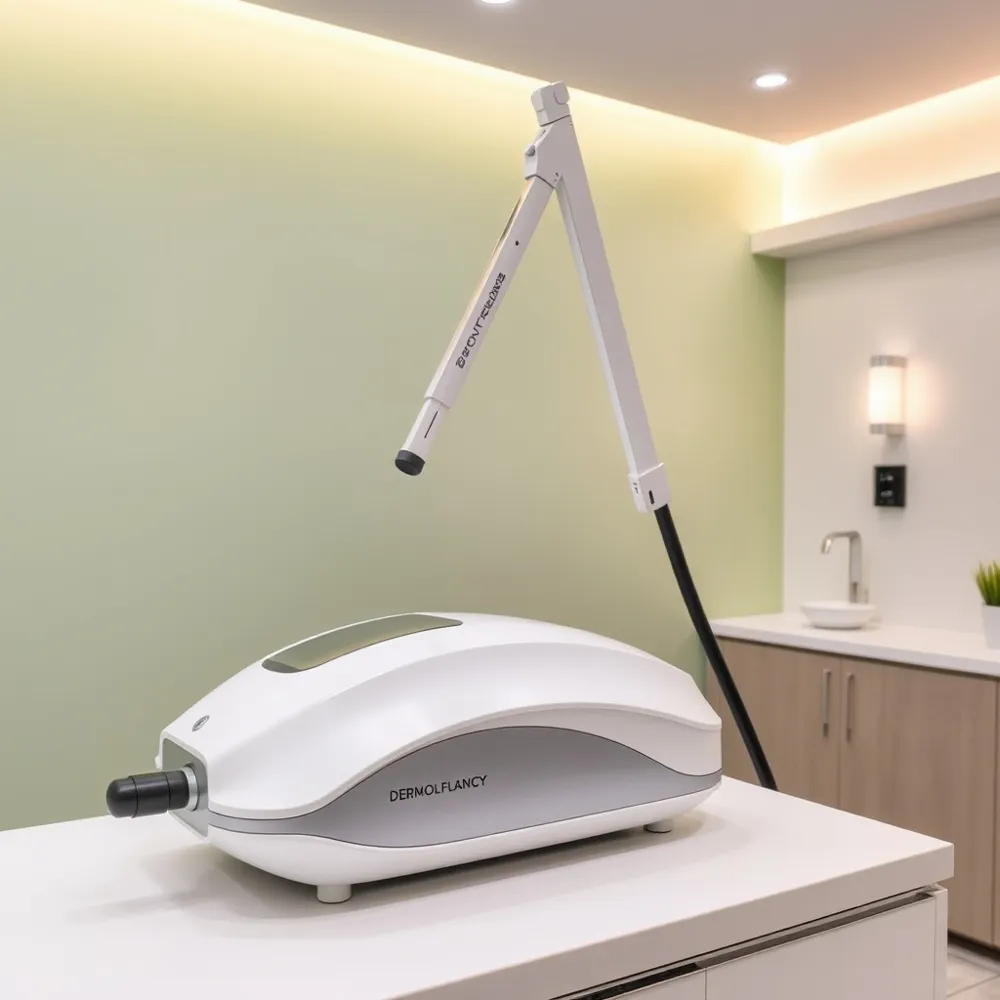
What are the side effects of low-level laser therapy for hair loss?
Low-level laser therapy (LLLT) for hair loss has an excellent safety profile. The most common side effects are mild and temporary, including slight scalp dryness, redness, or itching. Some users report occasional headaches, and a temporary increase in hair shedding (telogen effluvium) may occur during the first one to two months of treatment, which resolves with continued use. Because LLLT uses cool lasers, there is no risk of burns. The therapy is non-thermal and non-ionizing, making it safe for long-term use. No serious adverse events have been documented in clinical trials.
What is the cost of low-level laser therapy for hair loss?
The cost of LLLT varies depending on whether you choose in-clinic sessions or an at-home device. Clinic-based treatments typically require multiple sessions per week, costing hundreds to thousands of dollars per year, and are usually not covered by insurance for androgenetic alopecia. At-home FDA-cleared devices offer a one-time purchase ranging from about $200 to $1,000, depending on the brand and number of diodes. Over several years of use, the per-session cost can drop to under $1 to $2, making at-home LLLT a cost-effective alternative. Devices like the HairMax LaserComb, iRestore, and Capillus have been studied in clinical trials and are widely available.
Overall, LLLT is a safe, non-invasive option for both men and women with pattern hair loss. Its low side-effect profile and potential for long-term cost savings make it an attractive adjunct to other treatments like topical minoxidil or oral finasteride.
Groundbreaking Advances: New Breakthroughs and Emerging Therapies
While established treatments like minoxidil and finasteride remain reliable cornerstones for hair loss management, the field is rapidly evolving. Several novel therapies are advancing through clinical trials, targeting hair loss at the cellular level with unprecedented precision.
PP405: Reactivating Dormant Follicles
A particularly exciting development is PP405, a topical molecule from Pelage Pharmaceuticals that aims to reactivate dormant hair follicle stem cells rather than simply slowing hair loss. In early-phase trials, 31% of men with more advanced hair loss showed over a 20% increase in hair density. Because PP405 targets a metabolic pathway found in all hair types, it is being developed for both men and women.
As of 2026, PP405 remains an investigational drug available only through clinical trials. If Phase 3 trials proceed as expected, a realistic market availability estimate is not before 2028 or 2029, pending FDA approval.
FoLix: A New Laser Approach
FoLix is the first FDA-cleared fractional laser designed specifically to treat thinning hair. Delivering targeted energy to the scalp, it gently heats the dermal layer to activate follicles and stimulate the body's natural healing response. Each session lasts about 30 minutes with no downtime. Most candidates see noticeable results after 4 to 6 monthly treatments, with maintenance sessions twice or three times a year. It can be used on the crown, hairline, and part lines.
A dermatologist can help determine whether PP405 clinical trials are an option or if therapies like FoLix are appropriate for your specific pattern of hair loss.
Regenerative Medicine: The Role of PRP, Exosomes, and Stem Cells
Regenerative medicine is transforming hair loss treatment by using the body's own healing mechanisms to restore follicle function. At Dermatology Associates, PC, we offer advanced options that go beyond traditional medications.
Platelet-Rich Plasma (PRP) Therapy
PRP therapy concentrates growth factors from your own blood and injects them into the scalp to stimulate dormant follicles. Serial treatments, typically monthly for three months, have been shown to increase hair density and thickness with minimal downtime.
Exosome and Stem Cell Advances
Exosome therapy delivers signaling molecules that communicate with follicle cells to promote repair and regrowth, often combined with microneedling for enhanced absorption. Stem cell research, including the use of adipose-derived or follicle-derived cells, aims to regenerate follicles at a deeper level. While still evolving, these techniques represent the cutting edge of non-surgical hair restoration for 2025 and beyond.
Building a Personalized Treatment Plan with Your Dermatologist

How can I stop hair fall immediately?
There is no instant cure for hair loss, but several steps can help reduce shedding while you work with a dermatologist to address the root cause. Switch to a gentle shampoo, avoid high-heat styling tools, and skip chemical treatments or tight hairstyles that pull on follicles. A balanced diet with adequate protein, iron, and vitamins supports scalp health. Over-the-counter minoxidil may slow shedding and stimulate regrowth, though visible results typically take several months of consistent use.
A board-certified dermatologist can perform a scalp exam, review your medical history, and order blood work to identify contributing factors such as hormonal imbalances, nutritional deficiencies, or autoimmune conditions. Based on the diagnosis, they can recommend prescription medications like finasteride for men or spironolactone for women, as well as in-office options including low-level laser therapy, platelet-rich plasma (PRP) injections, or hair transplantation for lasting results. Early intervention improves the chance of preserving existing hair and achieving meaningful regrowth.
Your Path to Healthier Hair Starts Here
The range of hair loss treatments available today is broader than it has ever been, and the list continues to grow. From first-line topical solutions and prescription medications to low-level laser therapy, regenerative medicine, and emerging drug candidates, patients have more evidence-based options than at any point in the past decade. Matching the right treatment to the right patient requires a clear understanding of each option's mechanism, expected timeline, and safety profile.
Early intervention remains one of the most important factors in treatment success. When thinning is first noticed, hair follicles are often still viable but in a state of miniaturization. Treating early can preserve these follicles and improve the likelihood of regrowth. The Dermatology Associates, PC team begins every hair loss consultation with a thorough scalp assessment and medical history review to identify the underlying cause before recommending a personalized plan.
Most treatments require consistent, long-term use to maintain results. Topical minoxidil, oral finasteride, and low-level laser therapy all lose their effect if discontinued. Patients should expect to see initial changes within three to six months, with full benefits often taking a year or more. Understanding this timeline helps set realistic expectations and supports adherence.
Building a Combination Strategy
Clinicians increasingly recommend combining treatments that work through different mechanisms. Minoxidil lengthens the anagen phase and increases blood flow to the follicle. Finasteride reduces DHT production. Low-level laser therapy stimulates cellular energy production and may prolong the growth phase. Each targets a different aspect of the hair growth cycle, and research suggests the combined effect can be greater than the sum of its parts.
The team at Dermatology Associates, PC commonly designs multi-therapy regimens that pair topical or oral medications with in-office procedures such as platelet-rich plasma therapy or exosome treatments. This layered approach addresses both the hormonal and cellular contributors to hair loss, offering a more comprehensive strategy than any single modality alone.
Your Next Steps: Professional Guidance First
Before purchasing any device, supplement, or medication, a professional evaluation is essential. Hair loss has many potential causes, including androgenetic alopecia, telogen effluvium, alopecia areata, thyroid disorders, iron deficiency, and traction alopecia. The treatment that works well for one cause may be ineffective for another. A dermatologist can perform the appropriate diagnostic workup, which may include blood tests, a scalp biopsy, or a pull test, to identify the specific type of hair loss.
The providers at Dermatology Associates, PC see patients at every stage of hair loss, from those who have just begun to notice thinning to those exploring surgical options after years of progression. Early consultation offers the best chance of preserving existing hair and achieving meaningful regrowth. For patients who have already experienced significant loss, a combination of medical therapy and hair transplantation remains a viable path forward.