Understanding Vaginal Dryness in Menopause
Vaginal dryness affects roughly 20 % of women before menopause and over 50 % after menopause, making it a common symptom of the genitourinary syndrome of menopause (GSM). The primary driver is the decline in estrogen production, which thins the vaginal epithelium, reduces natural secretions, and diminishes tissue elasticity. Women typically report burning, itching, soreness, and painful intercourse (dyspareunia), as well as increased urinary frequency and recurrent infections. These symptoms can impair sexual satisfaction, cause emotional distress, and lower overall quality of life. Early recognition and discussion with a healthcare provider are essential to address discomfort and prevent secondary complications.
Moisturizers vs. Lubricants: Choosing the Right Product
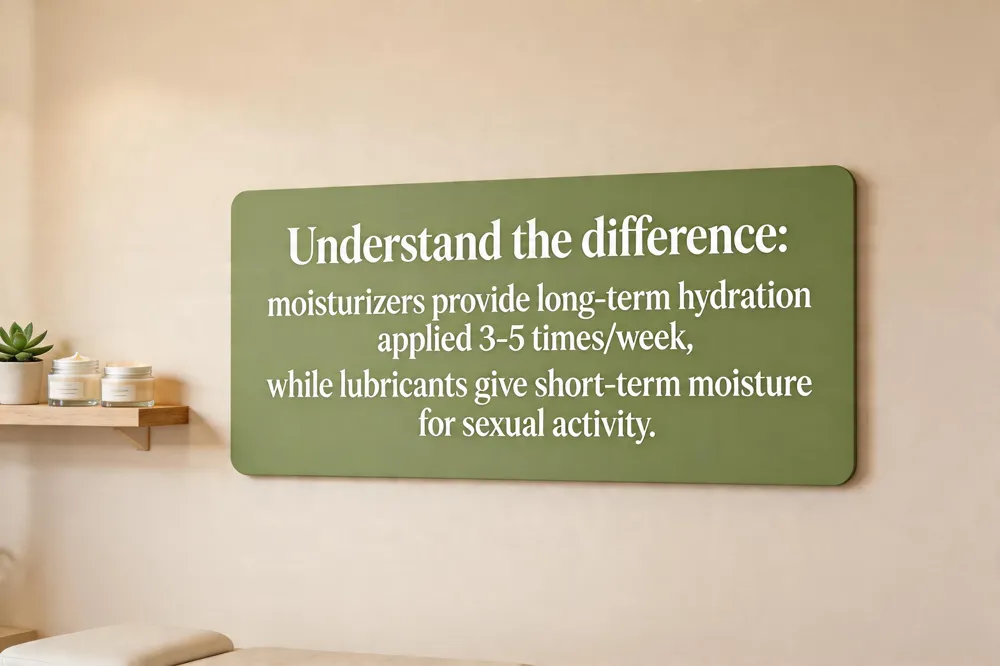 Vaginal moisturizers and lubricants serve distinct purposes. Moisturizers are formulated for long‑lasting hydration of the vaginal epithelium and are typically applied 3‑5 times per week to maintain tissue pliability. In contrast, lubricants provide short‑term moisture during sexual activity and are used as needed.
Lubricant bases
- Water‑based lubricants dry quickly but are gentle on the vaginal tissue and compatible with latex condoms and most sex toys.
- Silicone‑based products last longer; however, they can degrade silicone toys and may leave a residue that is harder to wash off.
- Oil‑based options (e.g., coconut, olive, hemp seed oils) offer lasting lubrication but should never be used with latex condoms because they weaken the material and increase breakage risk.
Irritant ingredients to avoid in both moisturizers and lubricants include glycerin (which can promote yeast overgrowth), propylene glycol, nonoxynol‑9, fragrances, artificial flavors, capsaicin, menthol, and chlorhexidine gluconate. Selecting fragrance‑free, glycerin‑free formulations reduces the risk of irritation and infection.
What is the best home remedy for dry skin? Dry skin can be managed at home with gentle, dermatologist‑approved strategies:
- Use a fragrance‑free, sulfate‑free cleanser with lukewarm water.
- Apply a ceramide‑, hyaluronic acid‑, moisturizer or petrolatum within three minutes of bathing while the skin is still damp.
- For very dry areas, a thin layer of petroleum jelly or a ceramide‑rich ointment helps lock in moisture.
- Soothing ingredients such as aloe vera gel or a honey‑based mask can provide temporary relief but should be rinsed off after 10–15 minutes.
- Use a humidifier to reduce transepidermal water loss, especially in dry climates.
- Avoid harsh soaps, alcohol‑based toners, and abrasive scrubs that strip natural lipids. These steps are safe for most patients, but persistent or severe dryness warrants a dermatology consultation.
Natural Oils as Vaginal Moisturizers
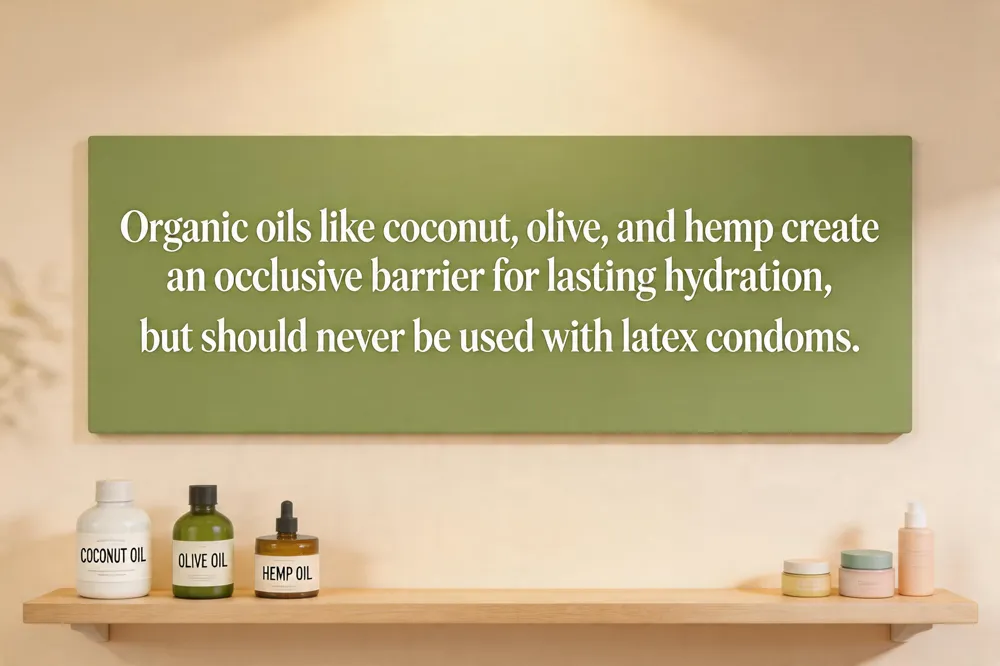 Organic, unrefined coconut oil, extra‑virgin olive oil, hemp seed oil, grape seed oil, sunflower oil, and almond oil are frequently recommended as natural vaginal moisturizers because their triglyceride composition creates a occlusive barrier that slows transepidermal water loss and helps retain mucosal moisture. When applied 3‑5 times per week, these oils can provide longer‑lasting hydration than water‑based lubricants, supporting the skin‑like epithelial barrier of the vaginal wall. Before first use, a patch test on a small area of skin for 24 hours is advised to detect any allergic reaction. Oils must never be used with latex condoms, as they degrade the material and increase breakage risk, and they can also compromise silicone sex‑toy surfaces. Some oils possess antibacterial or antifungal properties that could alter the vaginal pH or microbiome, so patients should discuss internal use with a healthcare provider to ensure safety and avoid unintended irritation.
Vitamins D and E: Supporting Vaginal Tissue Health
 Vitamin D contributes to a robust skin barrier by promoting the proliferation of epithelial cells and enhancing the production of proteins that maintain vaginal tissue integrity. Adequate levels can be achieved through modest sun exposure, dietary sources (fatty fish, fortified dairy) or a daily supplement of 800–1,000 IU, adjusting for baseline serum 25‑OH‑D levels and clinician guidance.
Vitamin E, a potent antioxidant, improves micro‑circulation and supports collagen synthesis, which together enhance tissue elasticity and reduce friction. It may be applied topically as a thin layer of pure, fragrance‑free oil or taken orally (typically 400 IU daily) for systemic benefit. When used as a lubricant, vitamin E oil should be patch‑tested for 24 hours and avoided with latex condoms or silicone toys.
Safety considerations include monitoring for hypercalcemia with excessive vitamin D (rare at recommended doses) and avoiding high‑dose vitamin E (>1,000 IU) in women on anticoagulants. Women with a history of breast cancer or clotting disorders should discuss supplementation with their provider. Combining modest oral doses with occasional topical application offers a balanced approach to supporting vaginal mucosal health.
Phytoestrogens and Dietary Support
 Phytoestrogens are plant‑derived compounds that bind weakly to estrogen receptors and can modestly augment estrogen‑dependent pathways in post‑menopausal women. The most reliable dietary sources include soy products (tofu, tempeh, soy milk), flaxseeds, chickpeas, lentils, sesame seeds, and whole‑grain foods such as barley or oats. Randomized trials and observational studies have shown that regular consumption of these foods can lead to slight improvements in vaginal moisture and a reduction in dyspareunia, likely because the isoflavones and lignans provide a low‑level estrogenic stimulus that supports the thinning vaginal epithelium associated with genitourinary syndrome of menopause. To incorporate phytoestrogens effectively, aim for 1–2 servings of soy per day (e.g., a cup of tofu or a glass of soy milk) and add a tablespoon of ground flaxseed to smoothies, oatmeal, or yogurt. Pairing a phytoestrogen‑rich diet with complementary lifestyle measures—adequate daily water intake, omega‑3‑rich foods, regular pelvic floor (Kegel) exercises, and avoidance of scented soaps or douches—offers synergistic benefits and helps maintain overall vaginal health.
Lifestyle Measures to Boost Natural Lubrication
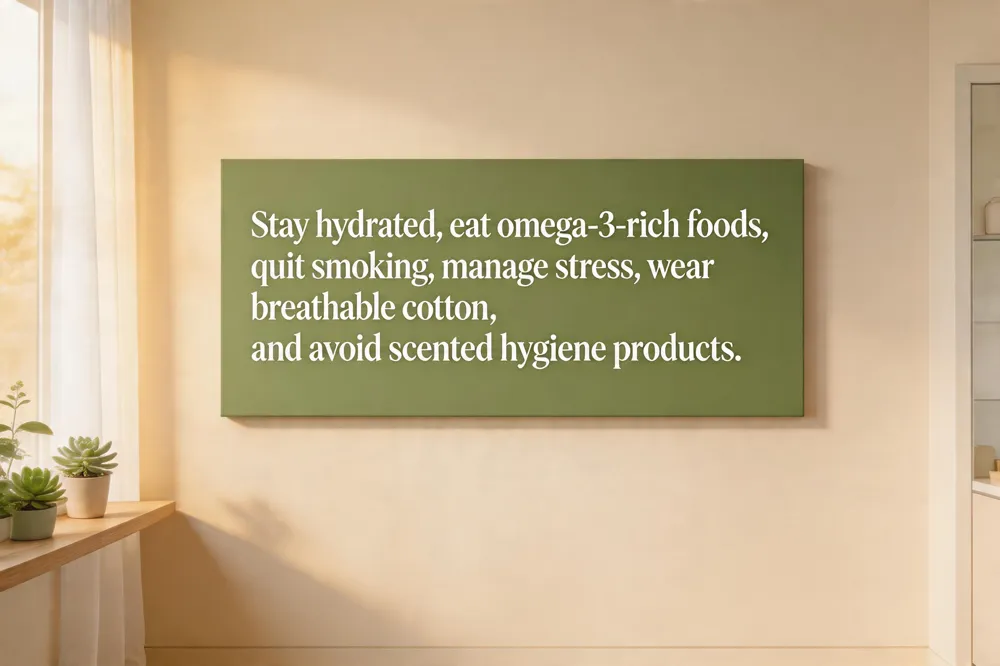 Adequate hydration is a cornerstone of vaginal health; drinking about 15.5 cups (≈3.7 L) of water daily helps maintain mucosal hydration and supports the epithelial barrier. Omega‑3‑rich foods such as fatty fish, walnuts, flaxseed, and chia provide anti‑inflammatory omega‑3 fatty acids that improve cell‑membrane integrity and promote better blood flow to the pelvic region, which can enhance natural lubrication.
Smoking constricts blood vessels and reduces tissue perfusion, accelerating atrophic changes; quitting smoking restores circulation and aids moisture retention. Stress triggers hormonal fluctuations that can worsen dryness, so regular stress‑management practices—yoga, mindfulness meditation, deep‑breathing exercises, and sufficient sleep—help stabilize estrogen levels and improve lubrication.
Clothing choices matter: breathable cotton underwear and loose‑fitting garments allow air circulation and prevent excess moisture loss, while tight synthetic fabrics increase friction and irritation.
Finally, select fragrance‑free, pH‑balanced hygiene products. Avoid scented soaps, douches, and feminine sprays that can disrupt the vaginal microbiome and irritate the delicate tissue, thereby preserving natural moisture.
Pelvic Floor Exercises and Regular Sexual Activity
 Kegel exercises target the levator ani and pubococcygeus muscles. To perform them, contract the muscles that stop urine flow, hold for 5‑10 seconds, then relax; repeat 10‑15 times, three times daily. Regular practice improves pelvic blood flow, enhances tissue oxygenation, and supports the vaginal epithelium, reducing atrophic dryness. Consistent sexual stimulation—whether with a partner or through self‑exploration—elicits arousal‑driven vasodilation, increasing vaginal lubrication and promoting elasticity of the mucosal walls. The rhythmic muscular contractions during intercourse also reinforce pelvic floor tone. When combined with structured pelvic‑floor physical therapy, these activities complement other non‑pharmacologic strategies such as adequate hydration, omega‑3‑rich nutrition, and avoidance of irritants. A therapist can tailor progressive exercises, biofeedback, and manual techniques to maximize circulation and tissue health, creating a synergistic effect that further mitigates vaginal dryness and improves overall sexual comfort.
When to Seek Professional Care
 Women who experience persistent vaginal pain, bleeding after intercourse, unusual discharge, or recurrent urinary or yeast infections should promptly consult a healthcare provider, as these red‑flag symptoms may signal infection, lichen sclerosus, or other dermatologic conditions that require medical treatment. When over‑the‑counter moisturizers and lubricants fail to relieve discomfort after two months, prescription options become appropriate. Low‑dose vaginal estrogen – available as a cream, tablet, or ring—delivers estrogen directly to the vaginal epithelium, restoring thickness and hydration while keeping systemic exposure minimal. Oral selective estrogen receptor modulators such as ospemifene (Osphena) and vaginal dehydroepiandrosterone (DHEA) suppositories are alternative non‑systemic hormonal therapies for moderate to severe genitourinary syndrome of menopause. For women who prefer non‑hormonal medical products, hyaluronic‑acid‑based moisturizers and glycerin‑free water‑based lubricants provide long‑lasting hydration without irritating the delicate mucosa. Advanced, hormone‑free interventions—including CO₂ laser (MonaLisa Touch), fractional radiofrequency, and prasterone (Intrarosa) inserts—stimulate collagen production and improve tissue elasticity. Coordinated care between dermatologists and gynecologists ensures that skin‑related contributors are addressed, that appropriate moisturizers or prescription therapies are selected, and that any underlying pathology is identified early, optimizing overall vaginal health.
Personalized Care at Dermatology Associates, PC
 Dermatology Associates, PC begins every visit with a comprehensive skin‑barrier assessment of the vulvar and vaginal area, evaluating moisture, elasticity, and any signs of irritation or infection. Based on this exam, clinicians educate patients on safe natural moisturizers—such as unrefined coconut oil, extra‑virgin olive oil, or aloe vera gel—emphasizing patch testing, avoidance of latex condoms, and the potential impact of antibacterial oils on vaginal pH. Vitamin D and vitamin E recommendations are tailored to support barrier health and microvascular flow, while lifestyle counseling highlights hydration, breathable cotton underwear, stress reduction, and a diet rich in omega‑3 fatty acids and phytoestrogens. The practice collaborates closely with gynecologists to design individualized plans that may combine hormone‑free options (natural oils, moisturizers, pelvic‑floor exercises) with low‑dose vaginal estrogen or other prescription therapies when needed. Patient‑success stories illustrate that many women experience marked comfort and reduced dyspareunia within four to six weeks of integrating these natural and OTC strategies under professional guidance.
Key Takeaways for Managing Vaginal Dryness Naturally
Menopause‑related vaginal dryness stems mainly from the estrogen drop that thins the epithelium and reduces natural secretions. First‑line non‑prescription care includes over‑the‑counter moisturizers (applied 2–5 times weekly) and water‑based lubricants for sexual activity, both of which preserve the vaginal pH and avoid latex‑condom incompatibility. Natural moisturizers such as unrefined coconut, extra‑virgin olive, hemp‑seed or grape‑seed oil, as well as pure aloe vera gel, can be patch‑tested and applied externally to retain moisture; vitamin D supports the skin barrier, while vitamin E improves local blood flow. Phytoestrogen‑rich foods (soy, flaxseed, legumes, sesame) provide modest estrogen‑like activity when incorporated into a balanced diet. Lifestyle measures—adequate hydration, omega‑3 intake, avoidance of scented soaps, breathable cotton underwear, and stress reduction—enhance tissue health. Regular pelvic‑floor (Kegel) exercises and consensual sexual stimulation increase pelvic circulation and natural lubrication. Persistent burning, severe dyspareunia, or urinary symptoms warrant a professional evaluation to rule out infection, atrophy, or other underlying conditions.