What Patients Can Expect from Mohs Surgery
Mohs micrographic surgery is the gold-standard treatment for basal cell carcinoma, squamous cell carcinoma, and early-stage melanoma. Its precise, layer-by-layer technique with immediate microscopic margin control enables complete cancer removal while preserving healthy tissue. This approach yields exceptional cure rates and minimizes scarring, especially on cosmetically sensitive areas.
At Dermatology Associates, PC, led by Dr. Sonya F. Campbell Johnson, fellowship-trained surgeons provide expert Mohs surgery with a focus on both oncologic and aesthetic outcomes. They use advanced reconstructive methods, such as flaps and grafts, to achieve natural-looking results. Patients receive personalized care from consultation through recovery, including same-day treatment and long-term surveillance. The practice's commitment to quality ensures patients can confidently expect the best possible experience and outcome.
Understanding Mohs Surgery and Its Success Rates
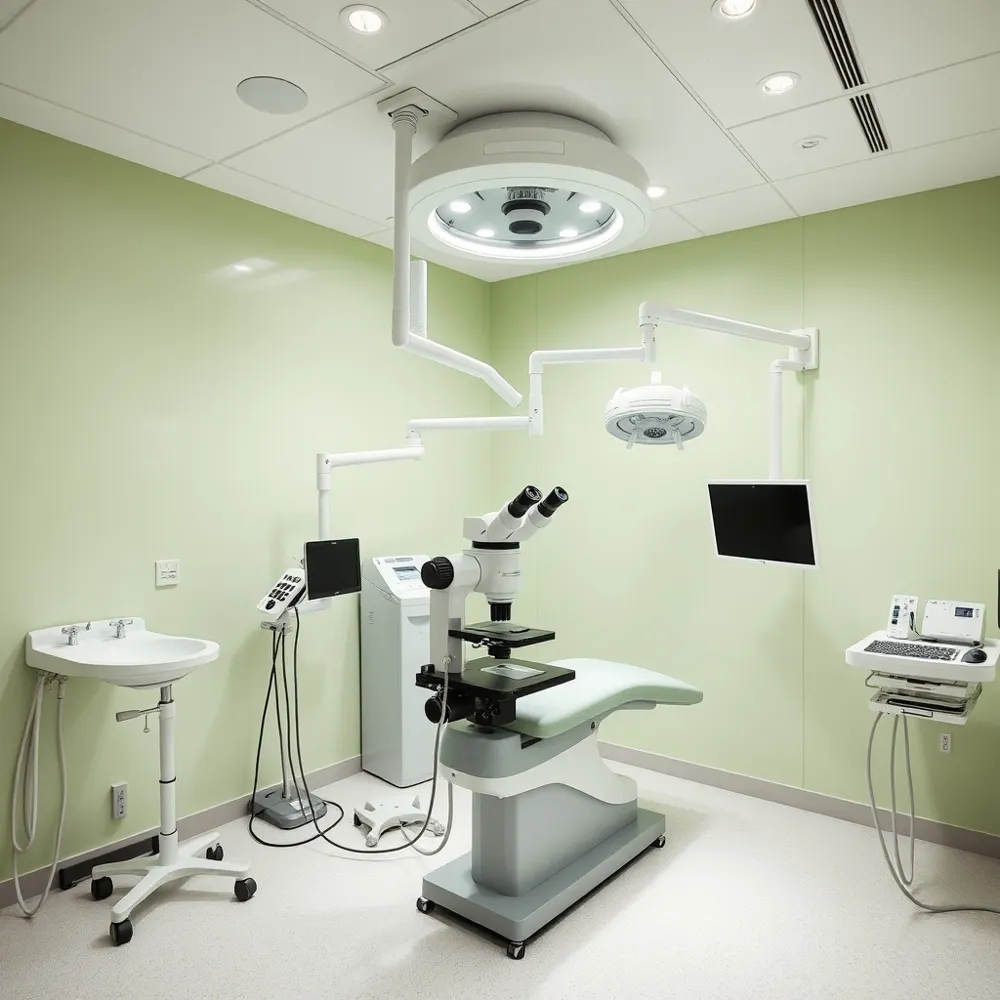 Mohs micrographic surgery is a specialized technique developed in the 1930s by Dr. Frederic E. Mohs. The procedure removes skin cancer layer by layer, examining each layer under a microscope in real time. This allows the surgeon to confirm complete removal while sparing as much healthy tissue as possible.
For newly diagnosed basal cell carcinoma and squamous cell carcinoma, Mohs surgery achieves cure rates up to 99%. For recurrent tumors, cure rates remain high at approximately 94–95%. The tissue-sparing approach minimizes scarring, particularly on the face, ears, and other cosmetically sensitive areas.
Mohs is also effective for early‑stage melanoma, with disease‑specific survival rates exceeding 99% and a mortality rate of about 0.5%. When caught early, melanoma has a five‑year survival rate of over 90%, and Mohs provides precise margin control that preserves healthy skin.
Compared with standard excision—which examines less than 1% of margins—Mohs examines 100% of the surgical margin. This thorough assessment yields the lowest recurrence rates of any skin‑cancer treatment, making Mohs the gold standard for high‑risk tumors.
When Mohs Surgery Is the Right Choice
Not every skin cancer requires Mohs micrographic surgery. The procedure is reserved for high-risk cases where precision and tissue preservation matter most. At Dermatology Associates, PC, fellowship-trained surgeons evaluate each patient to recommend the most effective treatment.
Indications for High-Risk Skin Cancers
Mohs is the gold standard for basal cell carcinoma and squamous cell carcinoma in cosmetically or functionally sensitive areas such as the face, nose, ears, and hands. It is also preferred for large, aggressive, or recurrent tumors, as well as lesions with ill-defined borders. Cure rates exceed 99% for primary cancers and remain above 94% for recurrent cases.
When Mohs Is Not the Preferred Option
For low-risk tumors on the trunk or limbs, simpler treatments like standard excision, curettage, or radiation may be sufficient. Mohs is also avoided for metastatic disease, very large tumors requiring general anesthesia, or when a patient’s medical condition prevents the use of local anesthesia.
Urgent Referral Guidelines
The two-week rule is a UK urgent-referral standard ensuring patients with suspected skin cancer see a specialist within 14 days. Urgent referral is triggered for melanoma scoring ≥3 on a weighted seven-point checklist, concerning basal cell lesions in critical locations, and any suspicious squamous cell carcinoma, especially in immunocompromised individuals.
Preparing for Your Mohs Procedure
 Preparation for Mohs surgery involves a few clear steps that help the procedure go smoothly and support good healing. Patients should stop smoking at least two weeks prior and avoid alcohol for 48 hours before and after surgery. Discontinue blood thinners and supplements — such as aspirin, ibuprofen, vitamin E, fish oil, ginkgo, and garlic — about a week ahead unless your surgeon advises otherwise. Eat a normal breakfast, wear loose clothing, and bring snacks and reading material to pass the waiting periods.
The total outpatient time varies with tumor size and the number of layers needed, typically ranging from 2 to 5 hours. After local anesthesia numbs the area, the visible tumor is removed in about 10 minutes. Each removed layer undergoes microscopic examination — a process that takes 1 to 2 hours — and the cycle repeats until clear margins are confirmed. Only then is the wound closed. Because the number of stages cannot be predicted, patients should clear their schedule for the day.
After surgery, the initial pressure bandage stays on for 24 to 48 hours. Keep it dry during that time. When instructed, remove it, clean the wound gently with mild soap and water, and apply a thin layer of petroleum-based ointment. Cover with a non-stick dressing and change it as directed. Continue using ointment for about one to two weeks, or until the wound surface is fully closed. This moisture helps prevent scabbing and supports smoother healing.
Recovery Experience: Pain, Swelling, and Healing Strategies
Most patients report only mild discomfort after Mohs surgery, typically manageable with acetaminophen (Tylenol). Significant pain is uncommon; if it worsens or does not improve, patients should contact their surgeon. Swelling and bruising peak around days 3 to 4 and can be reduced with ice packs applied for 20 minutes each hour while awake during the first 48 hours.
Facial swelling usually peaks at 48 to 72 hours after the procedure, then gradually improves over the following week. Most visible swelling resolves within one to two weeks, though deeper tissue remodeling may continue for several weeks. Keeping the head elevated and using cold compresses help minimize swelling.
Wound care involves keeping the site clean and moist. Gently wash with mild soap once or twice daily, pat dry, apply a thin layer of petroleum jelly or prescribed ointment, and change the dressing as directed. Avoid strenuous activity for at least one week and protect the area with SPF 30+ sunscreen once healed. Monitor for signs of infection such as increasing redness, warmth, or pus. At Dermatology Associates, PC, patients receive personalized aftercare plans that include these evidence-based strategies to promote optimal healing and minimize scarring.
Long‑Term Outlook and Practical Recovery Timeline
 Most patients can return to desk jobs within 1 to 3 days after Mohs surgery. Those in physically demanding roles may need 1 to 2 weeks off. The initial wound typically closes within a few weeks, but full scar maturation continues for 6 to 12 months. Surgeons advise avoiding heavy lifting and strenuous activity for 7 to 21 days, depending on the size and location of the repair.
Healing time varies by wound closure method. A linear closure (simple stitches) usually heals fastest, while flaps or grafts require a longer initial recovery period. Patients who follow post-operative instructions—keeping the wound moist with petroleum jelly, protecting it from sun exposure, and attending follow-up visits—tend to see the best outcomes.
Life Expectancy After Mohs Surgery
For early-stage skin cancers treated with Mohs surgery, patients can expect a normal life expectancy. The procedure itself does not affect long-term survival; prognosis depends on the cancer's stage, the patient's age, and overall health. A study of patients aged 90 and older who underwent Mohs found a median survival of about 37 months afterward, with no deaths occurring within the first month, underscoring the safety of the procedure even in older adults.
Scar Evolution and Appearance
Immediately after surgery, the scar appears as a red or pink line. Over several months it fades to a lighter, sometimes whitish hue. Linear closures on the face often blend into natural skin folds, while flap or graft reconstructions may produce different scar patterns. Proper aftercare — including daily broad-spectrum SPF 30+ sunscreen, silicone sheets, and gentle scar massage once cleared by the surgeon — can significantly improve the final appearance.
Patient Satisfaction and Quality of Life
Patient-reported outcomes after Mohs surgery are consistently high. A multicenter prospective cohort study of 990 facial skin-cancer patients (the FACE‑Q SCAR study) found that satisfaction with facial appearance and scar appraisal improved significantly over the first year after surgery. Psychosocial distress and cancer-related worry also decreased markedly. At one year, scar-appraisal scores rose an average of 13.5 points on a validated scale, and cancer-worry scores dropped by 13.7 points.
Most patients report being satisfied or very satisfied with their Mohs experience. A UT Southwestern study reported a 95 percent long-term satisfaction rate among melanoma patients. Factors that improve satisfaction include having a linear closure and receiving clear communication from the surgical team. Those who develop complications — about 5 percent of patients — report lower appearance satisfaction, highlighting the importance of meticulous post-operative care.
Key Takeaways for Patients Considering Mohs Surgery
Mohs micrographic surgery offers the highest cure rates among skin cancer treatments: up to 99 percent for primary basal cell carcinoma and squamous cell carcinoma, and approximately 94 to 95 percent for recurrent tumors. This precision technique examines 100 percent of the surgical margins during the procedure, ensuring complete cancer removal while sparing as much healthy tissue as possible.
Proper preparation plays a direct role in treatment success. Patients should disclose all medications, including blood thinners and supplements, to their surgeon. Most Mohs surgeons advise stopping aspirin, nonsteroidal anti-inflammatory drugs, and vitamin E several days before surgery to reduce bleeding risk. On the day of the procedure, patients are encouraged to eat a normal breakfast, wear comfortable clothing, and avoid makeup if the surgery involves the face.
Recovery from Mohs surgery is generally straightforward. Discomfort is mild and easily managed with acetaminophen; swelling and bruising peak around day three and resolve within a week. Patients can return to desk jobs in one to three days, though strenuous activity should be avoided for at least one week. The wound may take four to six weeks to close, and full scar maturation continues for up to a year.
Postoperative scar care is essential for the best cosmetic outcome. Keeping the wound moist with petroleum jelly, protecting it from sun exposure with SPF 30 or higher, and following the surgeon’s instructions for dressing changes all support optimal healing. Most patients report high satisfaction with both cancer cure and final appearance, with studies showing satisfaction rates above 95 percent.
Long-term monitoring is critical after Mohs surgery. Patients who have had one skin cancer are at increased risk for additional lesions, so regular full-body skin exams are recommended, typically every six to twelve months. Self-skin checks and sun protection habits should become part of a lifelong routine to maintain skin health.
At Dermatology Associates, PC, fellowship-trained Mohs surgeons combine expert surgical skill with a patient-centered approach. They coordinate care from tumor removal through reconstruction, often completing both in a single visit. This streamlined process reduces anxiety, shortens recovery, and helps patients achieve the highest possible cure rate while preserving natural appearance.
For patients considering Mohs surgery, the data are clear: the procedure delivers unmatched cure rates, a manageable recovery, and excellent long-term cosmetic outcomes. With careful preparation and adherence to aftercare, the vast majority of patients return to normal activities quickly and enjoy lasting peace of mind.