Understanding the Pelvic Floor After Delivery
The pelvic floor is a hammock‑like sling of muscles, ligaments, and nerves that supports the bladder, bowel, uterus and,,ora contracts to control urinary and fecal continence and to assist with sexual function. During pregnancy the growing uterus and hormonal relaxation increase intra‑abdominal pressure, stretching these muscles; labor adds further strain as the floor must relax, open, and then recover from tears, episiotomies, or cesarean incision scar tissue. This combination often leaves the pelvic floor weak, overly tight, or poorly coordinated, leading to incontinence, prolapse, pain, and dyspareunia. Targeted pelvic‑floor physical therapy—beginning as early as four weeks postpartum—provides individualized assessment, manual techniques, biofeedback, and progressive exercises that restore strength, flexibility, and neuromuscular control, preventing chronic dysfunction and enabling a safe return to daily activities and exercise.
Regaining Strength and Coordination
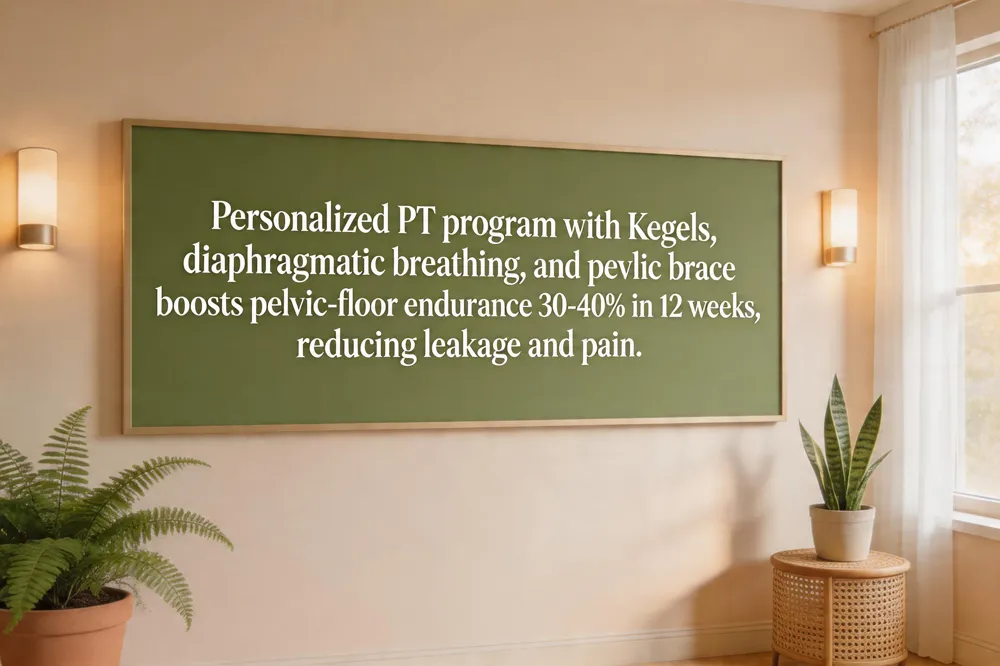 A postpartum pelvic floor physical therapist begins with a comprehensive assessment that measures muscle strength, flexibility, and endurance using digital palpation, internal examination, and, when indicated, pelvic‑floor ultrasound. The therapist grades strength on a 0‑to‑5 scale, evaluates tissue tone, and checks for tightness or over‑activity that can contribute to pain or incontinence. Based on these findings, a personalized program is created that typically combines Kegel contractions, diaphragmatic breathing, and the "pelvic brace" exercise—an integrated Kegel‑transverse abdominus activation performed while lying on the back with controlled inhalation and exhalation. Early sessions focus on gentle activation and proper coordination; as endurance builds, hold times increase from 1‑second in week 1 to 6‑seconds by week 6, with 5‑10 repetitions performed three times daily. Clinical trials consistently show that supervised pelvic‑floor therapy yields a 30‑40 % gain in muscle endurance after 12 weeks, outperforming unsupervised home programs and reducing urinary leakage, pelvic heaviness, and pain. This structured, evidence‑based approach restores functional coordination and prepares mothers for a safe return to daily activities and exercise.
Controlling Urinary and Bowel Incontinence
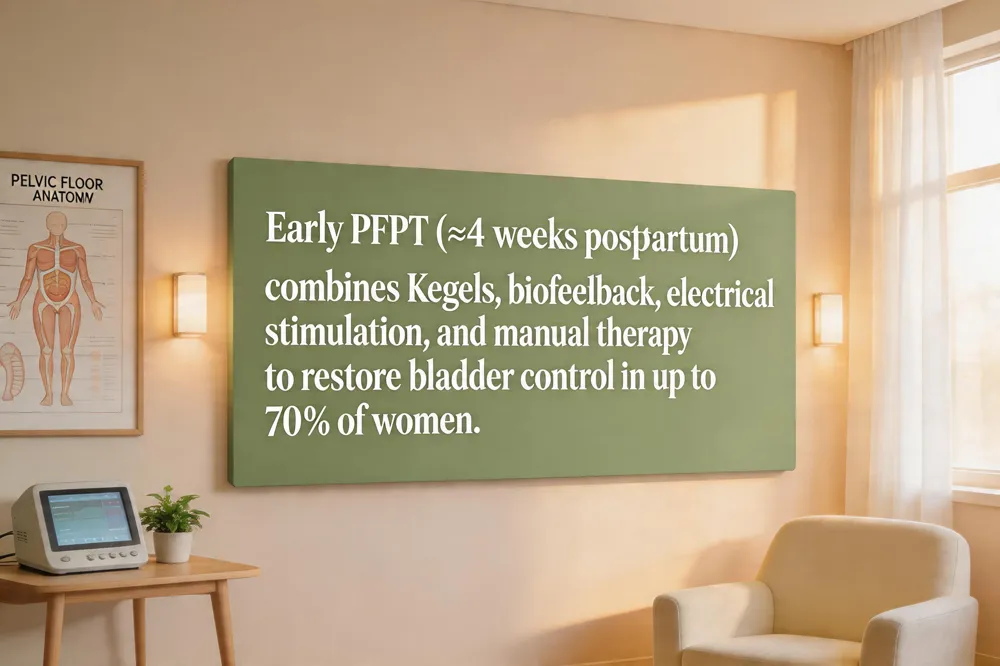 Stress urinary incontinence affects roughly one in four women after childbirth, with leakage triggered by coughing, sneezing, or exercise. Early postpartum pelvic floor physical therapy (PFPT) – typically initiated around four weeks after delivery – assesses muscle strength, coordination, and nerve function, then creates a personalized regimen. Targeted Kegel contractions, diaphragmatic breathing, and core activation rebuild pelvic floor endurance, while biofeedback devices give real‑time visual cues to ensure correct muscle engagement. Electrical stimulation relaxes hyper‑tight muscles and reduces spasms, and manual therapy (myofascial release, scar mobilization) improves tissue elasticity and pelvic alignment. Together, these interventions restore bladder control in up to 70 % of participants and also address fecal incontinence by improving sphincter coordination. Education on fluid intake, fiber‑rich diet, and safe lifting further supports long‑term continence. By integrating strength training, neuromuscular re‑education, and lifestyle counseling, PFPT offers a safe, non‑surgical pathway to eliminate leakage and restore confidence in daily activities.
Managing Pelvic Organ Prolapse and Diastasis Recti
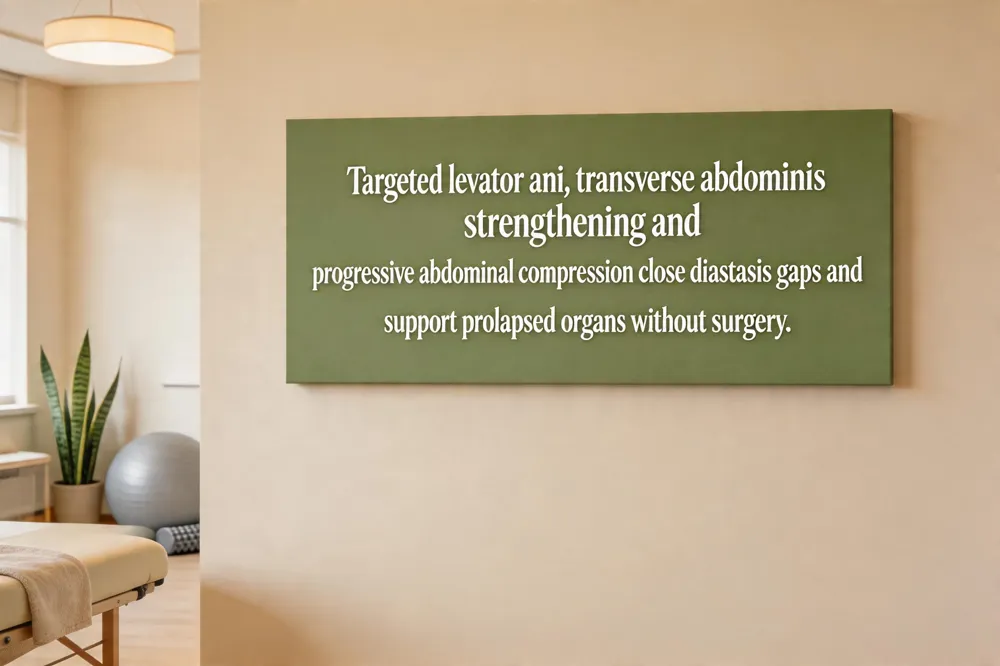 Pregnancy and childbirth place extreme strain on the pelvic floor and abdominal wall. The rapid expansion of the uterus and the pressure of fetal descent stretch the pelvic‑supporting ligaments and muscles, allowing the bladder, uterus, or rectum to slide downward—a condition known as pelvic organ prolapse (POP). Simultaneously, the rectus abdominis muscles separate along the midline, creating a diastasis recti gap that reduces core stability and increases intra‑abdominal pressure on the pelvic floor.
Pelvic‑floor physical therapy counters these changes by first assessing muscle strength, endurance, and tissue integrity. Targeted strengthening of the levator ani, pubococcygeus, and transverse abdominis restores the “hammock” support needed to pull prolapsed organs back toward their anatomic position, diminishing sensations of heaviness or bulging. For diastasis recti, therapists prescribe deep‑core activation (e.g., diaphragmatic breathing coupled with a pelvic brace) and progressive abdominal compression exercises that gradually close the gap without straining the repair.
Manual therapy—including soft‑tissue mobilization, scar‑tissue release, and myofascial techniques—helps re‑align fibers, improve circulation, and reduce adhesions. When combined with biofeedback and patient education on posture and safe lifting, these interventions provide a holistic, non‑surgical pathway to regain pelvic and core integrity while preventing long‑term dysfunction.
Supporting Sexual Health and Reducing Pain
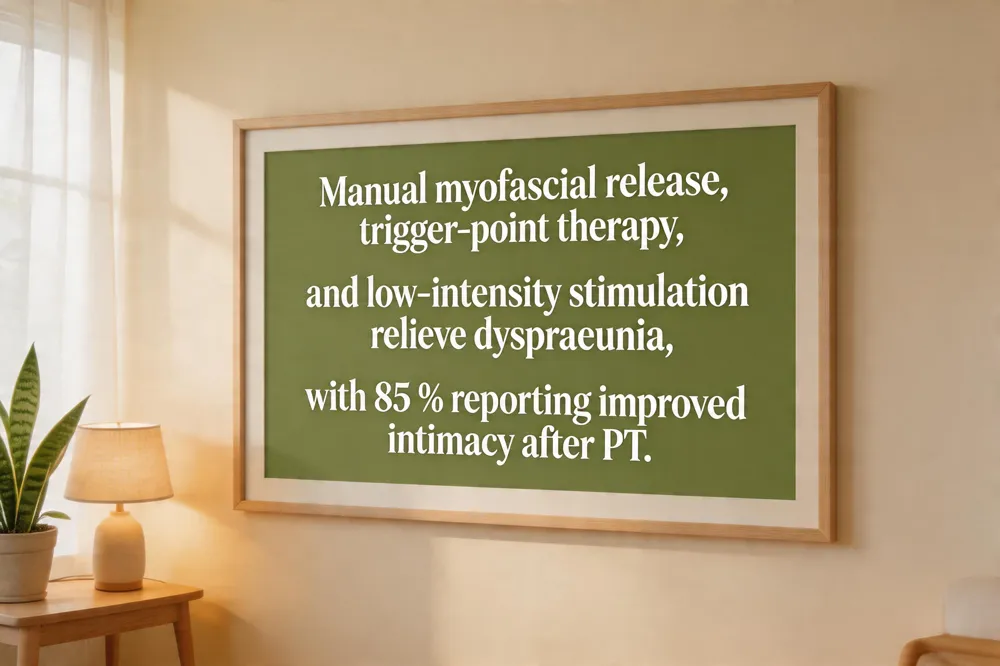 Dyspareunia and pelvic‑region pain affect a substantial proportion of new mothers—studies estimate that up to 30 % of women report painful intercourse or persistent pelvic discomfort within the first six months after delivery. Pelvic floor physical therapy addresses these symptoms by first identifying over‑tight or spastic muscles, then applying manual techniques such as myofascial release, trigger‑point therapy, and soft‑tissue mobilization to relax the deep pelvic fascia. Complementary modalities—including diaphragmatic breathing, core‑stabilization drills, and low‑intensity electrical stimulation enhance local blood flow, reduce tissue adhesions, and promote healing of perineal or cesarean‑related scar tissue. Across multiple clinical programs, 85 % of women who completed a structured PT regimen reported measurable improvements in intimacy scores, citing greater vaginal lubrication, reduced pain, and increased confidence during sexual activity. These outcomes underscore the value of individualized, therapist‑guided treatment plans that combine muscle relaxation, strength training, and patient education to restore sexual function and overall quality of life after childbirth.
Facilitating Cesarean and Perineal Healing
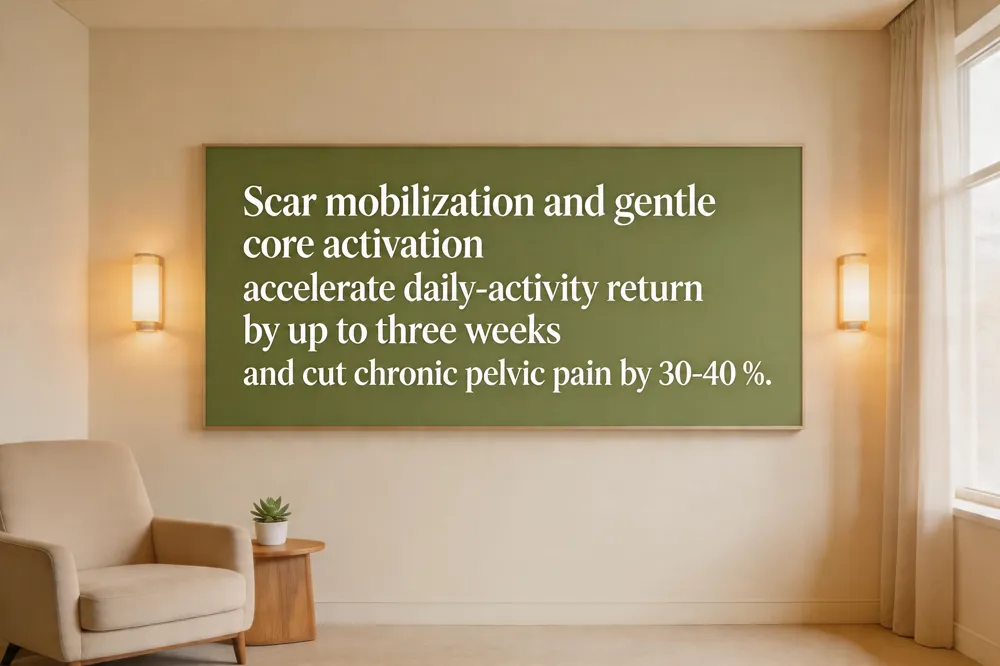 Post‑cesarean recovery benefits greatly from pelvic floor physical therapy that targets scar tissue mobilization and adhesion reduction. Manual techniques such as myofascial release and soft‑tissue mobilization help break down postoperative adhesions, improve tissue elasticity, and restore range of motion, allowing the abdominal wall and perineum to heal without excessive tension. At the same time, gentle core activation—often taught through diaphragmatic breathing, pelvic bracing, and low‑impact pelvic tilts—protects healing perineal stitches by engaging the deep transverse abdominis and pelvic floor without straining the incision site. Clinical programs typically begin with short, supported exercises and progress to more functional movements as pain permits. Recent studies report that women who receive early pelvic floor therapy (within the first six weeks) resume normal daily activities up to three weeks sooner and experience a 30‑40 % reduction in chronic pelvic and lower‑back pain compared with standard care alone. By combining scar‑focused manual work with safe core activation, pelvic floor therapists provide a comprehensive pathway that accelerates functional recovery while minimizing long‑term discomfort after both cesarean and vaginal deliveries.
Education, Emotional Support, and Long‑Term Wellness
 Pelvic floor physical therapy (PFPT) begins with a comprehensive education component that teaches new mothers the anatomy of the pelvic floor, its role in bladder, bowel and sexual function, and how everyday habits affect its health. Therapists provide self‑care strategies such as diaphragmatic breathing, proper posture, and tailored exercise programs (e.g., Kegels, pelvic brace, core activation) that women can continue at home, reducing the risk of urinary incontinence, organ prolapse, and persistent pelvic pain. In addition to technical instruction, PFPT offers compassionate guidance that addresses the emotional challenges of postpartum recovery; therapists validate feelings of anxiety or depression, provide reassurance, and empower mothers with confidence‑building resources, which research shows can lower postpartum depressive symptoms. Finally, many clinics integrate PFPT into broader wellness plans, collaborating with dermatology and cosmetic providers to highlight the link between pelvic health, stress‑related skin conditions, circulation, and overall quality of life—creating a holistic, long‑term approach that supports both internal function and external appearance.
A Path to Confidence and Whole‑Body Health
Postpartum pelvic floor physical therapy (PFPT) restores strength, coordination, and flexibility, reducing urinary incontinence, pelvic organ prolapse, diastasis recti, sexual pain, and low‑back discomfort. Early referral—ideally within the first six weeks—allows personalized assessment and targeted treatment. Optimized pelvic health improves circulation and posture, supporting clearer skin, reduced stress‑related eruptions, and overall well‑being, confidence, daily.