Understanding the Transition
Perimenopause is a gradual transition in which hormone levels, especially estrogen, fluctuate and decline. Changes may affect menstrual cycles, sleep, mood, and temperature regulation, but the experience differs from person to person. Because hormone levels vary, a clinician usually considers symptoms, menstrual history, and overall health rather than relying on a single hormone test. Mayo Clinic’s guidance on perimenopause explains how this assessment informs care.
For people exploring care beyond hormones, options may include lifestyle adjustments, symptom-specific nonhormonal medicines, and vaginal moisturizers or lubricants for dryness and discomfort. These approaches address different concerns and may not relieve every symptom. A healthcare professional can assess possible causes, review benefits and risks, and help determine whether further evaluation or treatment is appropriate.
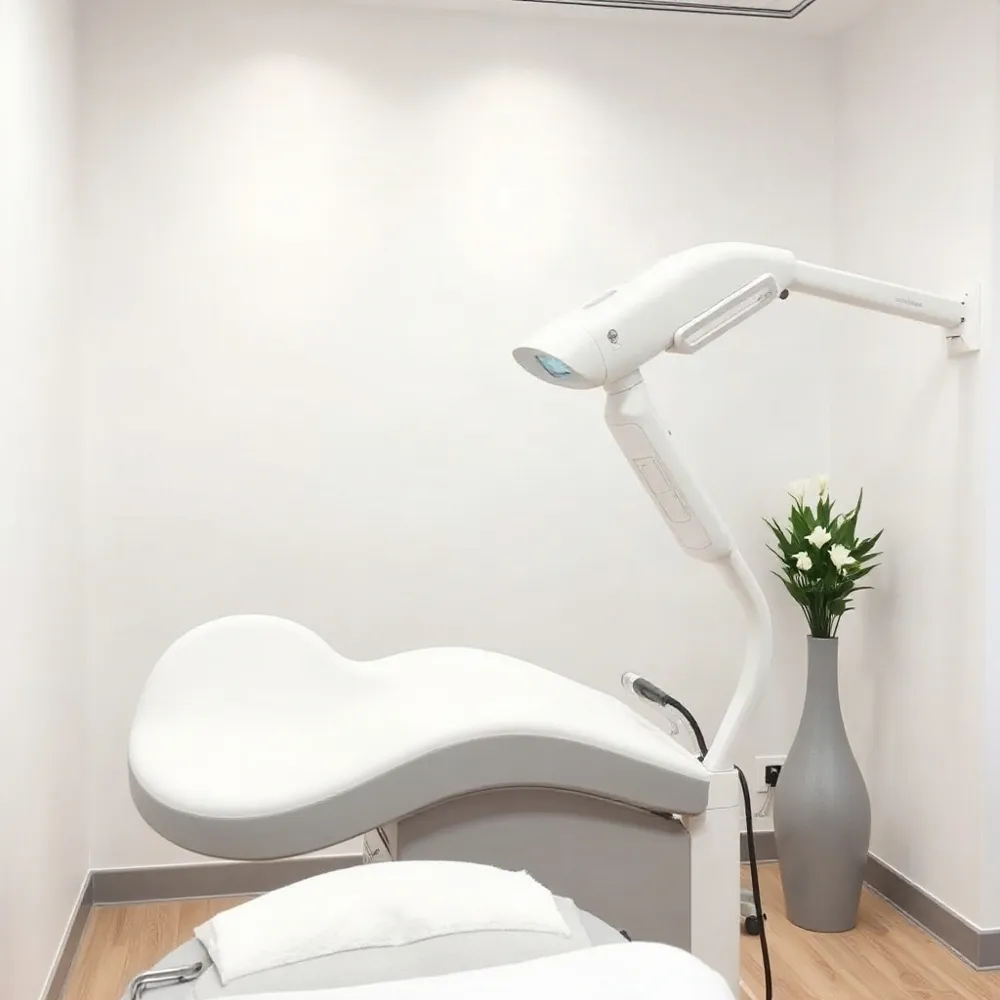
At Dermatology Associates, PC, feminine wellness services such as Morpheus8V, FormaV, and V-Tone are options to discuss with a qualified clinician for menopause-related concerns. They are not a substitute for individualized medical assessment. The practice serves patients in Indianapolis, Batesville, and Tipton.
When Perimenopause Begins
 Perimenopause commonly begins in the mid-40s, but the timing varies. Some people notice changes earlier, and the transition can affect menstrual cycles, sleep, mood, and temperature regulation.
It may continue for several years. Menopause is reached after 12 consecutive months without a menstrual period, so irregular or skipped periods alone do not confirm that the transition is complete.
Because hormone levels can fluctuate unpredictably, a hormone test is generally not useful for diagnosing perimenopause. A clinician instead considers age, menstrual history, symptoms, and other possible explanations, such as thyroid problems. The Mayo Clinic’s guidance on perimenopause diagnosis explains how these factors inform assessment.
Keeping notes on cycle dates and symptoms can help make a medical visit more useful. Dermatology Associates, PC offers wellness care in Indianapolis, as well as Batesville and Tipton; a clinician can help assess whether symptoms fit perimenopause or warrant further evaluation.
Recognizing Common Symptoms
What are common symptoms of perimenopause? Menstrual changes may include irregular, skipped, heavier, or lighter periods. Hot flashes and night sweats can occur alongside sleep difficulties, mood changes, or shifts in libido. Some people also experience vaginal dryness, discomfort during sex, urinary urgency, or other urinary symptoms. The pattern and severity vary from person to person, and symptoms may change over time. Perimenopause symptoms can also resemble changes caused by other health conditions.
A symptom diary noting menstrual changes, sleep, mood, and other concerns can help a clinician assess what is happening. At Dermatology Associates, PC, care planning can include discussion of menopause-related concerns within its broader wellness services. People seeking care in Indianapolis should discuss disruptive or unexplained symptoms with a qualified healthcare professional rather than assume they are due to perimenopause.
Bleeding patterns deserve particular attention. Seek medical assessment for very heavy bleeding, bleeding between periods, or bleeding after sex. Any bleeding after 12 consecutive months without a period also warrants evaluation, since it may have causes that need prompt investigation. The Office on Women’s Health guidance advises discussing bothersome symptoms and bleeding changes with a healthcare provider.
Building an Individual Care Plan
 How can perimenopause symptoms be managed? Start with the symptoms causing the most difficulty, then consider health history, current medicines, personal risk factors, and treatment preferences. A clinician can help distinguish perimenopause from other possible causes and weigh options suited to the individual.
Lifestyle measures such as regular activity, consistent sleep habits, and tracking possible triggers may support well-being. Depending on the symptoms and medical history, a clinician may also discuss nonhormonal prescription medicines or hormone therapy. These approaches are not interchangeable: each has different potential benefits and risks.
Systemic estrogen is the most effective treatment for hot flashes and night sweats, but it can increase risks, including blood clots, stroke, and breast cancer, and is not appropriate for everyone. People who still have a uterus generally need a progestogen alongside systemic estrogen. A qualified healthcare professional should review individual risks and preferences before treatment begins, as Mayo Clinic’s guidance on perimenopause treatment explains.
Care also benefits from periodic review. Symptoms, health circumstances, and treatment needs can change, so Mayo Clinic advises checking in yearly to reassess whether the plan remains appropriate.
At Dermatology Associates, PC, hormone replacement therapy and feminine wellness services, including Morpheus8V, FormaV, and V-Tone, are practice-specific options patients can discuss with a qualified provider. These services should be considered in the context of an individualized evaluation, not as substitutes for it. Patients can ask about available care at the practice’s Indianapolis location.
Nonhormonal Options by Symptom
What treatments can help perimenopause symptoms without hormones?
Options depend on which symptoms are affecting daily life. Certain selective serotonin reuptake inhibitors (SSRIs) may reduce hot flashes and may also be considered when mood symptoms need treatment. Fezolinetant is a hormone-free prescription medicine for hot flashes. Oxybutynin, usually prescribed for bladder symptoms, and gabapentin, commonly used for pain or seizures, may also help some people. A clinician can review potential benefits, side effects, and interactions before recommending any medication.
Cognitive behavioral therapy (CBT) can support coping and mood, and may help with sleep or pain during sex. Evidence for complementary approaches varies, so discuss expected benefits and limitations with a healthcare professional rather than assuming a treatment will work for everyone.
For vaginal dryness or discomfort, water-based lubricants are used during sexual activity to reduce friction, while vaginal moisturizers are used regularly to ease dryness. Vaginal estrogen is a local hormonal treatment, distinct from nonhormonal care. A clinician may discuss it for vaginal symptoms and assess whether it suits a person’s health history.
Dermatology Associates, PC offers feminine wellness services, including Morpheus8V, FormaV, and V-Tone, for concerns such as vaginal dryness and tissue changes. These services are not the same as the symptom-specific options above, and their suitability should be discussed with a qualified clinician. The practice’s perimenopause care information describes its approach, and patients can also contact the practice in Indianapolis.
Cooling Strategies for Hot Flashes
What can help reduce hot flashes and night sweats during perimenopause? Simple changes to your surroundings and clothing may make episodes easier to manage, though they may not prevent them. Keep the bedroom cool, use a fan, dress in removable layers, and choose breathable sleepwear. These practical steps are among the Office on Women’s Health recommendations for hot flashes.
Track when episodes happen and what was going on beforehand. Caffeine, alcohol, spicy foods, stress, and heat can be triggers, but patterns differ from person to person. A brief record can help you decide whether a particular change is worth trying, rather than avoiding foods or activities without evidence that they affect you.
A regular sleep and wake schedule can support more consistent rest. If caffeine makes it harder to sleep, or alcohol leads to interrupted sleep, consider limiting them, especially in the evening. Cool bedding and a fan may also help when night sweats are the main concern.
When hot flashes or night sweats persist or disrupt sleep and daily life, discuss treatment with a healthcare professional. Options may include nonhormonal medicines or, when appropriate, hormone therapy; the choice depends on symptoms, health history, and individual risks. Mayo Clinic’s treatment guidance emphasizes weighing benefits and risks with a clinician. Dermatology Associates, PC offers hormone replacement therapy and integrative wellness services, with care available in Indianapolis; a clinician can help determine which options fit your circumstances.
Supporting Mood and Emotional Health
How can mood changes during perimenopause be addressed?
Irritability, anxiety, or low mood may occur during perimenopause, but hormonal changes are not the only possible cause. Night sweats and poor sleep, stress, depression, or other health concerns can also affect emotional well-being. The Office on Women’s Health recommends discussing mood symptoms with a healthcare professional, especially when they persist or interfere with daily life.
Before an appointment, keep notes on mood, sleep, menstrual cycles, hot flashes, medications, and major stressors. This record can help a clinician look for patterns and consider whether depression, another health condition, or perimenopause may be contributing. Mayo Clinic’s appointment guidance also recommends tracking symptoms and bringing a current medication list.
Depending on the cause and severity, support may include counseling, regular physical activity, consistent sleep and wake times, or stress-management practices such as mindfulness or yoga. Medication may be appropriate after an individual assessment. Dermatology Associates, PC includes hormone therapy and integrative wellness in its services, but treatment choices should reflect a patient’s health history and goals. People seeking care in the area can ask about services at the practice’s Indianapolis location.
Seek prompt professional help for severe or persistent depression. If thoughts of self-harm arise, contact emergency services or a crisis service right away; do not wait for a routine appointment.
Weight Changes and Everyday Health
Is weight gain common during perimenopause, and what can help? Some people notice weight gain or a change in body composition during this transition, but it is not inevitable and may have several contributing factors. Age, sleep, stress, activity levels, and other health conditions can also affect weight.
Regular movement and strength training can support muscle, energy, and general health. Weight-bearing activity, such as walking or resistance exercise, also helps maintain bone strength. A nutritious eating pattern with vegetables, whole grains, and adequate protein can support daily needs without relying on restrictive rules or a single food as a fix. Mayo Clinic’s guidance on perimenopause care includes exercise, healthy eating, and sleep among measures that may support wellbeing.
Sleep and stress deserve attention, too. A consistent sleep routine and practices such as yoga or mindfulness may help support overall wellbeing, while exercise can benefit sleep and mood. Dermatology Associates, PC offers integrative wellness services, so patients in Indianapolis can discuss broader health concerns as part of an individualized conversation.
If weight changes are persistent, unexpected, or accompanied by other concerns, a healthcare professional can review possible contributors and discuss appropriate next steps. Supplements marketed for perimenopause-related weight gain are not established solutions; ask a clinician before starting them, particularly if you take medication or have an ongoing health condition.
Using Supplements With Caution
 Can supplements or natural remedies replace hormone therapy for perimenopause? No supplement is an established replacement for hormone therapy or individualized medical care. Evidence that herbal products and dietary supplements ease perimenopause symptoms remains limited or mixed.
Research has not clearly shown whether black cohosh relieves symptoms, and some studies raise concerns about possible liver harm. Evidence for phytoestrogens, found in foods such as soy and flaxseed, is also uncertain. Studies of DHEA for vaginal discomfort have reported mixed results, and potential risks have been raised. These products should not be treated as proven therapies.
“Natural” does not mean risk-free. Herbal products are not regulated by the FDA in the same way as approved medicines, and ingredients or quality can vary. Supplements may cause side effects or interact with prescription and over-the-counter medicines. The Mayo Clinic’s guidance on perimenopause treatment recommends discussing supplements with a healthcare professional before use.
Tell your clinician about any vitamins, herbs, or other products you already take, including how often you use them. This helps them consider possible interactions and review whether a product fits your health history and treatment plan.
Lifestyle measures such as regular activity, nutritious meals, and steady sleep habits can support general well-being, but should not be presented as guaranteed substitutes for medical treatment. At Dermatology Associates, PC, patients in Indianapolis can discuss menopause-related concerns and available care options with a qualified clinician.
How Long Hot Flashes May Last
How long can hot flashes continue after menopause? They may last for several years, and their duration and severity vary from person to person. Research suggests symptoms can continue for about five to ten years overall, including episodes that begin before menopause, and may persist after the final menstrual period. Many people find that hot flashes gradually become less frequent or intense. Johns Hopkins Medicine describes this range while noting that individual experiences differ.
The length of time symptoms have been present does not mean they must simply be endured. Night sweats that repeatedly interrupt sleep, or hot flashes that interfere with work and daily activities, are reasons to discuss treatment options with a qualified healthcare professional. A clinician can review symptoms, health history, and potential causes, then help determine whether an approach is appropriate.
For people seeking individualized menopause guidance in Indianapolis, Batesville, or Tipton, care at Dermatology Associates, PC includes hormone replacement therapy and integrative wellness services. Treatment decisions should reflect each person’s health history and preferences, and symptoms that disrupt sleep or daily life merit assessment even when they have continued for a long time.
Taking the Next Step
Perimenopause care should reflect your symptoms, health history, and preferences. Nonhormonal steps may ease some concerns, but they may not be enough for everyone. A clinician can help weigh possible benefits, risks, and monitoring needs for each option.
Before an appointment, note menstrual dates and flow, when symptoms occur, and how they affect daily life. Bring a list of medicines and supplements, and mention major stressors or life changes. These details can help guide a focused discussion about possible causes and treatment choices, as Mayo Clinic’s perimenopause guidance recommends.
Seek medical assessment if symptoms disrupt sleep, work, relationships, or emotional well-being. Unusually heavy bleeding, bleeding between periods, or bleeding after sex also warrants attention. Ask what a proposed treatment is intended to address, what risks or side effects to watch for, and whether follow-up is needed.
Dermatology Associates, PC serves patients in Indianapolis, Batesville, and Tipton. Its hormone therapy and feminine wellness services can be discussed with a qualified clinician as part of an individualized plan, rather than assumed to suit every symptom or patient.