Understanding Rosacea: An Overview
Definition and Prevalence
Rosacea is a chronic inflammatory skin condition that primarily affects the central face. It causes persistent redness, visible blood vessels, and acne-like bumps. In the United States alone, rosacea affects more than 14 million people, impacting adults worldwide at a rate of about 5% or higher in some regions.
Age, Gender, and Skin Type Commonly Affected
Rosacea most often begins after age 30 and primarily affects individuals with fair skin. Women are more frequently affected, although men may experience more severe symptoms, especially involving skin thickening. Those of Northern or Eastern European descent are at higher risk.
Types and Common Symptoms of Rosacea
Rosacea manifests in four main types: erythematotelangiectatic (persistent redness and visible blood vessels), papulopustular (red bumps and pimples), phymatous (skin thickening, notably on the nose), and ocular (eye irritation and related symptoms). Common signs include facial flushing, persistent redness, visible capillaries, bumps resembling acne, burning or stinging sensations, and, in some cases, eye issues like dryness and irritation.
Importance of Managing a Chronic Condition
Since rosacea is a chronic condition with no cure, effective management is essential. This involves identifying triggers, protecting the skin from sun exposure, and using prescribed treatments to control symptoms and prevent progression. Early consultation with healthcare providers can improve quality of life and reduce complications.
Recognizing Early Signs and Symptoms of Rosacea
What are the first symptoms of rosacea?
The initial signs of Rosacea symptoms often involve frequent flushing or blushing, particularly affecting the cheeks and nose. This flushing gradually evolves into persistent redness or a darker hue in these facial areas. A sensation of warmth or mild burning frequently accompanies these changes. Visible blood vessels in rosacea, known medically as telangiectasia, may start to appear on the surface of the skin.
How do symptoms differ in lighter versus darker skin tones?
In lighter skin tones, rosacea's redness and visible blood vessels in rosacea are more pronounced and easier to detect. Conversely, in darker skin tones, the condition may present primarily with a feeling of warmth, irritation, or subtle brown or purple patches rather than overt redness. This difference can sometimes make diagnosis more challenging in darker-skinned individuals.
What signs indicate ocular rosacea?
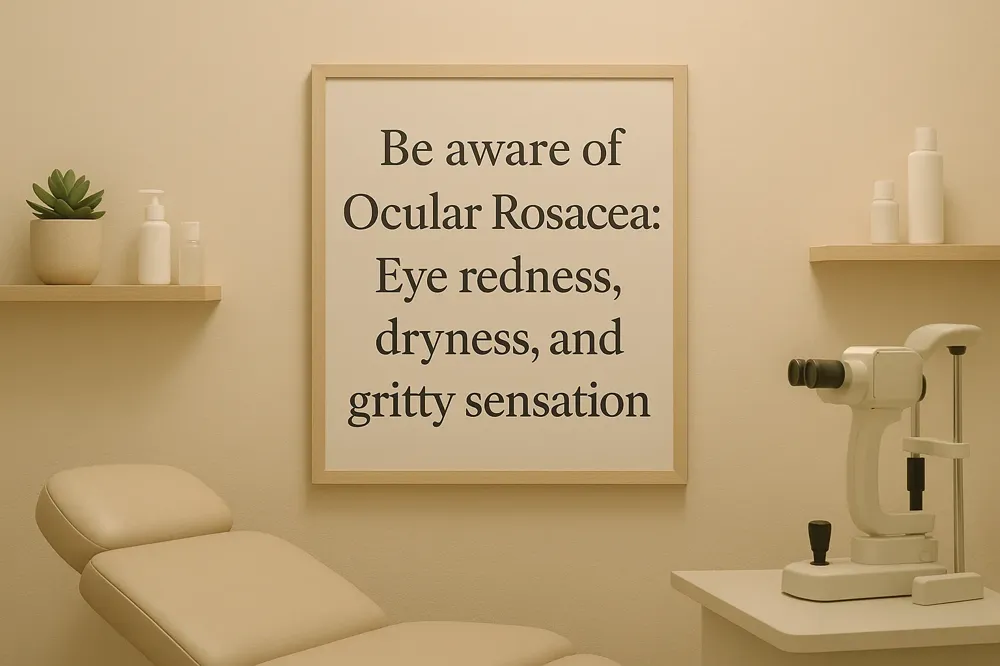
Approximately half of those affected by rosacea may develop Ocular rosacea symptoms. These include dry, irritated, or bloodshot eyes, a gritty sensation as if something is in the eye, burning, stinging, and episodes of eye redness. Rosacea eye irritation can cause discomfort and, if left untreated, may impact vision.
What sensations accompany rosacea?
Patients frequently report burning, stinging, or itching sensations in affected areas. The skin might also feel dry, tight, or sensitive, further contributing to discomfort and potential irritation.
Early recognition of these symptoms is important for timely management to prevent progression and improve quality of life.
Identifying and Avoiding Common Rosacea Triggers
What causes rosacea flare-ups?
Rosacea flare-ups are primarily triggered by a mix of environmental, lifestyle, and emotional factors. Exposure to sun exposure and rosacea is one of the most common causes, making daily use of broad-spectrum sunscreen and protective clothing essential for managing this condition. Temperature extremes—such as hot weather, cold winds, or rapid temperature changes—can also irritate the skin and provoke flare-ups.
Lifestyle choices play a significant role. Consuming Rosacea and spicy foods, hot beverages like coffee or tea, and alcohol—especially red wine—frequently trigger symptoms. Stress as a rosacea trigger and intense emotional episodes can increase inflammation and vascular reactions, contributing to flare-ups. Exercise that raises body temperature rapidly or induces heavy sweating can exacerbate symptoms, so low- to moderate-intensity workouts in cooler environments are recommended (exercise and rosacea).
How do skincare products and medications impact rosacea?
Certain skincare and hair care products can worsen rosacea by irritating sensitive skin or compromising the skin barrier. Ingredients to avoid include alcohol, fragrances, menthol, camphor, glycolic and lactic acids, and sodium lauryl sulfate. Using choosing fragrance-free products helps prevent irritation.
Additionally, some medications, such as blood pressure drugs and topical steroids, may dilate blood vessels or cause skin reactions that trigger rosacea flare-ups. Patients should consulting healthcare providers for rosacea before starting or stopping any medication.
Managing lifestyle and emotional triggers
Stress management for rosacea like meditation, yoga, or tai chi can reduce flare-up frequency. Identifying personal triggers by keeping a diary can help avoid specific foods or situations. Switching from hot to lukewarm beverages, limiting alcohol intake, choosing milder foods, and exercising moderately in cool environments also help control rosacea symptoms.
In summary, controlling rosacea flare-ups involves minimizing exposure to environmental stressors, adapting lifestyle habits, selecting appropriate skincare products, and consulting a dermatologist for tailored treatment and advice. With proper management, many individuals experience fewer flare-ups and improved skin health (Managing Rosacea).
Managing the Discomfort: Burning, Stinging, and Itching in Rosacea
What Sensations Are Common with Rosacea symptoms?
Individuals with Rosacea symptoms often experience burning and stinging sensations on affected skin areas, particularly during flare-ups. These sensations usually accompany the visible signs of redness and inflammation characteristic of the condition. Although itchiness can occur, it is less commonly reported compared to burning or stinging.
Does Rosacea symptoms Cause Itchiness?
While burning and stinging are the predominant sensory symptoms, some patients may also report mild itching. However, this is not a primary symptom and tends to be less frequent. The discomfort associated with Rosacea symptoms fluctuates depending on the severity and activity of the condition.
How Does Ocular rosacea Affect Sensory Symptoms?
Ocular rosacea affects up to half of those with Rosacea symptoms, manifesting as eye-related symptoms including burning, redness, dryness, and a gritty sensation. These symptoms can significantly impact eye comfort and may require specialized eye care in addition to dermatologic treatment.
Why Is Proper Rosacea diagnosis Important?
Because symptoms like burning, stinging, and itching can overlap with other skin conditions, accurate diagnosis by a dermatologist is crucial. Effective management tailored to individual symptom profiles helps reduce discomfort and improves quality of life. Addressing ocular involvement promptly is also key to preventing complications.
| Symptom Type | Frequency | Typical Location | Notes |
|---|---|---|---|
| Burning/Stinging | Common | Face (cheeks, nose) | Intensifies with flare-ups |
| Itching | Less common | Face | Occasional symptom |
| Eye Burning/Redness | Up to 50% patients | Eyes | Related to Ocular rosacea |
Effective Dermatologist-Recommended Skincare Practices for Rosacea

What is a dermatologist-recommended skincare routine for rosacea?
Managing rosacea with an effective rosacea skin care tips centers on gentle care and avoiding irritants. Dermatologists recommend for rosacea using a mild, non-irritating cleanser specifically formulated for sensitive or rosacea-prone skin. Cleansing should be done twice daily using lukewarm water, employing fingertips to apply the cleanser gently in circular motions, then rinsing thoroughly and patting the skin dry without rubbing.
Moisturizing is essential to repair the skin barrier and maintain hydration, which can reduce redness, dryness, and itching. Fragrance-free products, rosacea-friendly moisturizers containing soothing and barrier-supporting ingredients are recommended. Applying moisturizer after medication use helps enhance treatment tolerance and comfort.
Sun protection plays a critical role in preventing flare-ups. Broad-spectrum sunscreen SPF 30+ mineral sunscreens containing zinc oxide or titanium dioxide with SPF 30 or higher are preferred as they are less likely to irritate sensitive skin. Daily use is important, regardless of weather, and complemented by wearing protective clothing and seeking shade.
Avoidance of known irritants such as alcohol, fragrances, menthol, glycolic acid, lactic acid, sodium lauryl sulfate, and camphor in skincare products is crucial to prevent irritation that can worsen rosacea symptoms.
New skincare products should be patch tested on a small skin area before full application to identify potential sensitivities. Moreover, gentle handling of the skin by avoiding rubbing, scrubbing, or exfoliating reduces the risk of triggering flare-ups.
For cosmetic camouflage, water-based and powder makeup for sensitive skin that is oil-free and specifically designed for sensitive or rosacea-prone skin helps conceal redness without causing irritation. The use of green tinted moisturizers for rosacea or primers can neutralize facial redness effectively.
These comprehensive skincare practices, combined with medical treatment and lifestyle adjustments, allow individuals with rosacea to better manage symptoms, reduce flare-ups, and improve skin comfort and appearance.
Medical Treatments for Rosacea: Topical and Oral Options
FDA-Approved Topical Medications for Rosacea
Several topical rosacea medications are approved by the FDA to treat rosacea, tailored to address various symptoms. Brimonidine for rosacea (Mirvaso) and oxymetazoline (Rhofade) are alpha-adrenergic agonists that constrict blood vessels to reduce persistent facial redness. Other commonly prescribed topical agents include metronidazole for rosacea, azelaic acid creams, and ivermectin for rosacea, which focus on controlling inflammatory bumps and pimples associated with rosacea. These treatments usually require consistent application over several weeks to achieve noticeable improvement.
Oral Antibiotics for Inflammatory Rosacea
Oral antibiotics for rosacea such as doxycycline and minocycline are commonly prescribed to treat the inflammatory aspects of rosacea, including papules and pustules. These medications work primarily through their anti-inflammatory properties rather than antibiotic effects. Sub-antimicrobial doses of doxycycline are often used for long-term management to reduce inflammation with minimal antibiotic resistance risk.
Isotretinoin for Severe or Refractory Cases
In rare or severe instances where rosacea is resistant to other treatments, oral isotretinoin may be prescribed. It helps reduce sebaceous gland activity and inflammation, making it effective for nodular or phymatous rosacea that manifests as thickened skin and skin swelling, particularly on the nose (rhinophyma in rosacea).
Managing Various Symptoms with Tailored Therapies
Rosacea symptoms manifest in different ways; therefore, treatment plans often target specific symptoms. Persistent redness is often managed with topical vasoconstrictors or laser therapy for rosacea, while inflammatory lesions respond best to topical antibiotics, ivermectin, or oral antibiotics. Thickening of the skin may require early medical intervention or surgical procedures in addition to medical therapy.
Importance of Personalized Treatment Plans
Given the diverse types of rosacea and symptom presentations, dermatologists tailor treatment plans to individual patient needs. Combining topical and oral medications with lifestyle modifications, such as sun protection for rosacea and trigger avoidance, maximizes symptom control. Regular follow-up allows adjustment of therapy based on response and tolerability.
What is the Best Prescription Cream for Rosacea?
The most appropriate prescription cream depends on specific symptoms and skin type. Brimonidine gel treatment and oxymetazoline effectively reduce facial redness, while metronidazole, azelaic acid, and ivermectin target inflammatory bumps and pimples. Long-term effectiveness often requires combining medication with lifestyle changes and dermatologist guidance.
How is Inflammatory Rosacea Treated?
Inflammatory rosacea is treated using topical agents such as metronidazole, azelaic acid, and ivermectin, alongside vasoconstrictors for redness. Oral antibiotics like doxycycline are reserved for persistent inflammation, and isotretinoin for severe cases. Laser therapy and sun protection for rosacea complement medication for comprehensive management.
Laser and Advanced Therapies in Rosacea Management
What role does laser treatment play in managing rosacea?
Laser treatment for rosacea is a highly effective option for managing several Rosacea symptoms, particularly persistent facial redness and visible blood vessels in rosacea. Two common laser modalities used are pulsed-dye lasers and intense pulsed light (IPL) therapy. These treatments target dilated blood vessels by delivering light energy that is absorbed by the hemoglobin in the vessels, leading to their gradual destruction and reduction in redness.
Effectiveness and typical treatment course
After one to three laser treatments, many patients experience a 50% to 75% reduction in visible blood vessels and facial flushing. Some individuals achieve near-complete clearance of erythema. The beneficial effects generally last three to five years, but new blood vessels can develop, necessitating maintenance treatments. Repeated sessions may be required to maintain results, and treatment plans are tailored based on severity and patient response. For more details on laser treatment for rosacea, see dermatological guidance.
Use of laser for thickened skin and rhinophyma
In cases of phymatous rosacea, where skin thickening occurs — especially involving the nose (Rhinophyma in rosacea — laser resurfacing or surgical laser procedures can reduce excess tissue and improve skin texture. These interventions help prevent disfigurement and restore more normal skin contour.
Combining laser therapy with medical management
Laser therapy is often integrated within a comprehensive management plan that includes topical and oral medications such as Metronidazole for rosacea, Ivermectin for rosacea, Azelaic acid creams, and Doxycycline for rosacea. This combination optimizes symptom control by reducing inflammation, redness, and papules, enhancing long-term outcomes.
Insurance considerations and access to treatment
Coverage for laser treatment varies among insurance providers in the United States and often depends on whether the therapy is deemed medically necessary rather than cosmetic. Patients are advised to verify insurance benefits before proceeding. Access to treatment also depends on the availability of experienced dermatologists skilled in laser technologies, underscoring the importance of consulting healthcare providers for rosacea for personalized care.
Lifestyle and Dietary Modifications to Support Rosacea Care
Which dietary triggers should be avoided to manage rosacea?
Avoiding certain foods and beverages known to provoke rosacea flare-up triggers is crucial. Common dietary triggers include rosacea and spicy foods, alcohol—especially red wine—and hot beverages like coffee and tea. These items can increase facial blood flow and exacerbate redness and inflammation. Individuals are encouraged to monitor their reactions to these triggers and adjust their diet accordingly to reduce flare frequency.
How can diet be optimized to support rosacea management?
Incorporating anti-inflammatory foods into the diet can help control Rosacea symptoms. Options such as dark leafy greens, berries, bell peppers, carrots, peaches, and omega-3 rich foods like fatty fish or seeds provide nutrients known to reduce inflammation. Maintaining adequate hydration by drinking plenty of water also supports skin health and may alleviate dryness associated with rosacea.
What stress management techniques can help prevent rosacea flare-ups?
Stress is a recognized contributor to rosacea flare-up triggers. Techniques such as yoga, meditation, tai chi for rosacea, and participation in support groups have been shown to assist with stress reduction and may minimize flare-ups. Regular practice of these methods improves coping with emotional triggers and supports overall skin health.
What are the exercise recommendations for individuals with rosacea?
Exercise remains beneficial but requires adaptation to prevent flushing. Low to moderate intensity activities—such as walking, swimming, yoga, and Pilates—preferably conducted in cool environments, are advised. Avoiding vigorous or high-heat workouts helps reduce overheating and excessive facial blood flow. Cooling strategies like using fans or cold towels during exercise can further help manage symptoms. For additional tips, see exercise recommendations for rosacea.
Why is trigger tracking important, and how can personalized plans assist?
Because trigger sensitivity varies among individuals, keeping a diary to track rosacea flare-up triggers and flare-ups is recommended. Personalized lifestyle plans developed in consultation with consulting healthcare providers for rosacea can optimize avoidance strategies, dietary adjustments, stress management, and physical activity to effectively control symptoms and improve quality of life.
Living Well with Rosacea: Chronic Condition Management and Patient Support
Does rosacea go away permanently or is it a chronic condition?
Rosacea is a chronic skin condition that typically persists over time without a permanent cure. Symptoms, including redness, bumps, and visible blood vessels, often fluctuate with periods of flare-ups triggered by sun exposure and rosacea, spicy foods, alcohol, stress, or temperature extremes. While rosacea cannot be completely eradicated, its manifestations can be effectively managed through a combination of professional rosacea treatment options, lifestyle adjustments, and dedicated rosacea skin care tips routines. Consistent medical care, including use of topical or oral antibiotics and laser therapies, helps control symptoms and improve skin appearance, contributing to a better quality of life.
Why is it important to see a dermatologist for rosacea treatment?
Consulting a dermatologist is crucial for Rosacea diagnosis and tailored treatment plans because rosacea symptoms may resemble other skin conditions. Dermatologists provide expertise in prescribing effective therapies—topical, oral, and laser-based—and guide patients on personalized rosacea triggers avoidance, sun protection, and skincare regimens. Their guidance optimizes symptom control, helps minimize flare-ups, and prevents progression, ensuring safer and more effective management suited to the individual’s skin type and severity of the disease.
Psychosocial impact and support for rosacea
Due to its visible nature, rosacea can cause emotional distress, social anxiety, and lowered self-esteem. Addressing the psychosocial impact is essential for comprehensive care. Support groups and counseling provide platforms for sharing experiences, learning coping strategies, and receiving emotional encouragement, which can significantly improve patients' well-being. See psychosocial support for rosacea for more information.
Proactive measures to minimize progression and improve quality of life
Long-term management involves daily sun protection using broad-spectrum mineral-based sunscreens, avoiding known triggers, gentle skincare routines using fragrance-free, non-irritating products, and stress reduction techniques such as meditation or yoga. Early intervention, regular follow-ups with dermatologists, and adherence to prescribed treatments help reduce the frequency and severity of flare-ups, preventing skin damage and maintaining comfort. Prevent rosacea flare-ups and apply rosacea skin care tips to support skin health.
Rosacea management is a continuous journey combining medical, lifestyle, and emotional support components to enhance life quality and skin health.
Empowering Patients Through Knowledge and Personalized Care
Early Intervention and Trigger Management
Recognizing rosacea symptoms early and managing triggers promptly can significantly reduce flare-ups and prevent progression. Triggers commonly include sun exposure, stress, spicy foods, alcohol, and extreme temperatures. Patients benefit from consistent use of broad-spectrum SPF 30+ sunscreen, avoiding known irritants, and adhering to prescribed treatment regimens.
Dermatological Support and Patient Education
Ongoing support from dermatologists is essential to tailor treatments and monitor skin changes. Education about individualized triggers, appropriate skincare products, and symptom management techniques empowers patients to take control of their condition and improve quality of life.
Combining Medical Therapy with Lifestyle Adjustments
Optimal rosacea management combines medications—such as topical antibiotics, azelaic acid, or brimonidine—with lifestyle modifications. Implementing gentle skincare routines, stress reduction techniques, and dietary adjustments enhances treatment efficacy and reduces symptom severity.
Encouragement for Patient Consultation and Skin Health Maintenance
Patients are encouraged to seek specialist consultation early for accurate diagnosis and personalized care planning. Maintaining skin health through regular follow-up and adherence to preventive measures ensures long-term control and reduces the risk of complications.