Why a Holistic Approach Matters
The skin‑gut‑hormone triangle represents a dynamic network in which hormonal fluctuations, gut microbiota, and skin physiology influence each other. Declining estrogen during perimenopause reduces collagen synthesis, thins the epidermis, and impairs hydration, while gut dysbiosis amplifies systemic inflammation that aggravates acne, eczema, and premature aging. Restoring hormonal balance with bioidentical hormone replacement therapy (HRT) has been shown in multiple clinical studies to increase dermal collagen by up to 48%, improve epidermal thickness, and boost hyaluronic‑acid–mediated hydration. At the same time, probiotic‑rich foods, prebiotic fiber, and targeted gut‑health protocols raise short‑chain fatty‑acid production, strengthen the intestinal barrier, and lower inflammatory mediators that compromise the skin barrier.
Dermatology Associates, PC integrates these insights into a personalized wellness plan. Each patient undergoes comprehensive hormone profiling and gut‑microbiome assessment, after which clinicians tailor HRT (topical, transdermal, or pellet) and prescribe evidence‑based probiotic or dietary interventions. Regular follow‑up visits allow dose adjustments and monitoring of skin outcomes, ensuring that hormonal optimization and gut health work synergistically to achieve a more youthful, resilient complexion.
Hormone Replacement Therapy: Legal Landscape and Insurance Basics
 Is hormone replacement therapy legal in Indiana? Yes. In Indiana, HRT is legal for adults who need it for menopause, low testosterone, or other endocrine conditions. A February 27 2024 state law restricts prescribing gender‑affirming hormones to patients under 18 and bars referrals of minors to out‑of‑state providers, but it does not affect HRT for non‑gender‑related health issues. Adult patients may receive HRT from dermatologists or other clinicians following standard medical guidelines and informed‑consent procedures.
Will insurance pay for hormone therapy? Generally, yes. Most Medicare, Medicaid, and commercial plans cover FDA‑approved estrogen, progesterone, and testosterone products, though copays vary by tier and prior‑authorization requirements. Gender‑affirming hormone therapy is increasingly classified as an essential health benefit, but some insurers still require documentation from a qualified clinician. Clinics such as Dermatology Associates, PC can verify benefits, submit paperwork, and help patients navigate cost‑saving options.
Consent and monitoring: All HRT prescriptions require a thorough medical evaluation, baseline labs, and documented informed consent. Ongoing monitoring—typically every 3–6 months—includes hormone level checks, cardiovascular risk assessment, and review of side‑effects to ensure safety and efficacy.
Estrogen’s Role in Skin Youthfulness
 Collagen synthesis and hydration
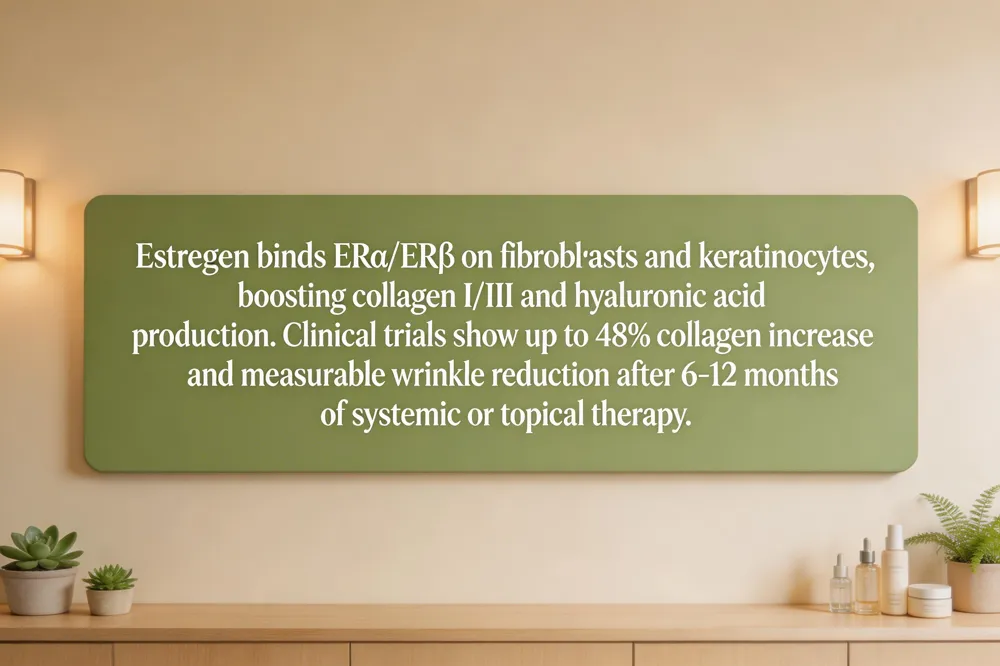
Estrogen binds to ERα/ERβ on dermal fibroblasts and keratinocytes, up‑regulating collagen I/III and hyaluronic‑acid production. This restores epidermal thickness, improves water‑binding capacity, and enhances elasticity, counteracting the thinning and dryness seen after menopause.
Collagen synthesis and hydration
Estrogen binds to ERα/ERβ on dermal fibroblasts and keratinocytes, up‑regulating collagen I/III and hyaluronic‑acid production. This restores epidermal thickness, improves water‑binding capacity, and enhances elasticity, counteracting the thinning and dryness seen after menopause.
Clinical evidence for wrinkle reduction Randomized trials in post‑menopausal women show that systemic HRT or topical estradiol increases skin collagen content by up to 48% and reduces wrinkle depth within 6–12 months. Histologic studies report a 30%‑plus gain in dermal thickness and measurable gains in elasticity scores.
Topical vs systemic delivery Topical estrogen acts locally, raising collagen and hydration in treated areas with minimal systemic exposure, ideal for facial rejuvenation. Systemic HRT (patch, gel, oral) provides uniform hormone levels, benefiting overall skin health and barrier function, but requires cardiovascular and cancer risk monitoring.
Does estrogen help skin look younger? Yes. By stimulating collagen, improving hydration, and supporting barrier repair, estrogen yields firmer, smoother skin and faster wound healing. Treatment should be individualized and supervised by a qualified clinician.
Estrogen face before and after Before therapy, skin often appears thin, dry, with fine lines and uneven texture. After 8–12 weeks of consistent estrogen (topical or systemic), patients typically show increased hydration, reduced wrinkle depth, and a plumper, more radiant complexion.
Hair, Skin Sagging, and the Limits of HRT
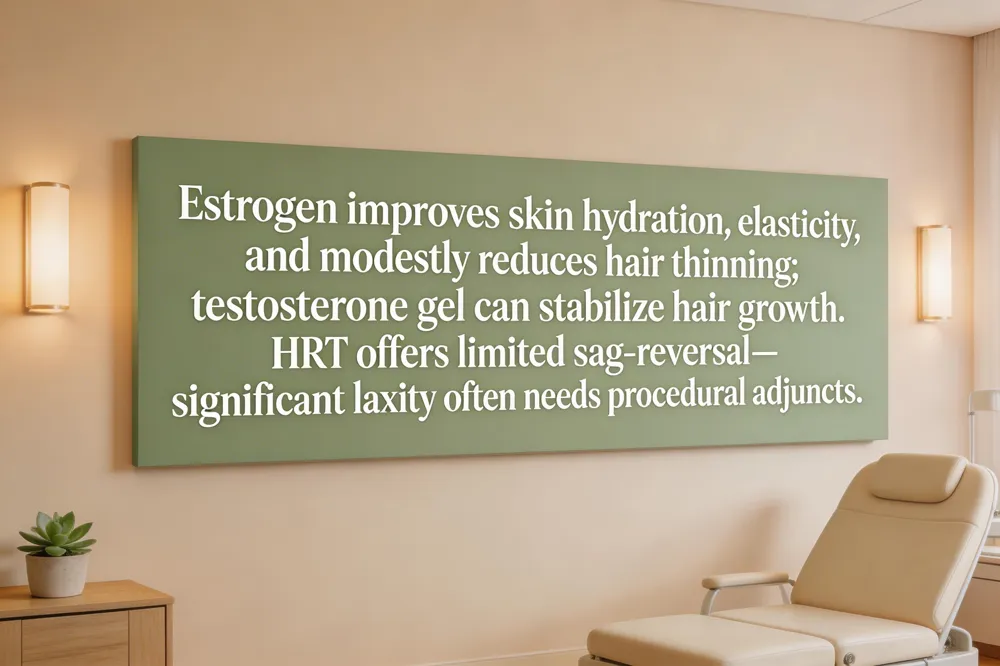 Hormone replacement therapy (HRT) restores the estrogen that declines during menopause, stimulating collagen synthesis and hyaluronic‑acid production. This improves skin hydration and elasticity and dermal thickness, often yielding smoother, plumper skin and a modest reduction in fine lines. In women, low‑dose topical estrogen or transdermal estrogen can also lessen hair thinning, while adding a modest testosterone gel may stabilize the hair‑growth cycle for both sexes. However, HRT is not a primary hair‑restoration treatment, and clinical guidelines do not endorse it solely for cosmetic skin or hair improvement. Regarding sagging, systemic or topical estrogen can partially reverse laxity by increasing collagen and elastin, but the effect is limited; significant contour loss usually requires adjunctive procedures such as laser resurfacing, radiofrequency, or dermal fillers. The most skin‑friendly regimen is transdermal estrogen (with progestin when a uterus is present) because it bypasses first‑pass metabolism and reduces clot risk. For individuals with pronounced hair loss, a carefully dosed testosterone gel may be added. All interventions should be personalized, monitored regularly, and combined with lifestyle measures—adequate nutrition, stress management, and sun protection—to optimize outcomes.
Gut‑Skin Axis: How Microbiome Health Impacts Dermatology
 Gut‑skin axis – Beneficial microbes produce SCFAs and hormone‑like metabolites that modulate systemic inflammation; dysbiosis fuels skin conditions.
Gut‑skin axis treatment – Dietary fiber, fermented foods, and evidence‑based probiotic supplements (e.g., Lactobacillus, Bifidobacterium) restore microbial balance, lower inflammatory markers, and improve barrier function.
Gut‑skin axis acne – Dysbiosis raises inflammatory molecules and alters IGF‑1, stimulating sebaceous glands; oral probiotics boost SCFA production and reduce lesion severity.
Gut‑skin axis eczema – Lower SCFA levels and leaky‑gut biomarkers correlate with atopic dermatitis; fiber‑rich diets and targeted probiotics increase anti‑inflammatory metabolites, calming flare‑ups.
Nutrition, Supplements, and Lifestyle for Skin‑Gut Harmony
 Probiotic‑rich foods such as yogurt, kefir, sauerkraut, kimchi supply live cultures that balance the gut microbiome and reduce systemic inflammation that manifests on skin. Prebiotic fibers—oats, apples with skin, garlic, onions, asparagus—feed beneficial bacteria, boosting short‑chain fatty acid production and supporting skin barrier integrity. Polyphenol‑dense foods (berries, dark chocolate, leafy greens) and omega‑3‑rich fish or nuts provide antioxidants and essential fatty acids that enhance collagen synthesis and skin elasticity. Targeted supplements combine multi‑strain probiotics (e.g., Lactobacillus rhamnosus), hydrolyzed marine collagen, vitamin C, zinc, and hyaluronic acid to simultaneously improve gut health and skin texture. Healing the gut involves limiting processed sugars and dairy, staying hydrated, and prioritizing 7‑9 hours of sleep; regular moderate exercise and mindfulness reduce cortisol‑driven gut permeability. A comprehensive gut‑skin plan thus integrates probiotic/prebiotic nutrition, collagen‑support nutrients, and lifestyle habits that lower inflammation, reinforce the skin barrier, and promote a youthful, radiant complexion and overall skin health.
Practical Pathways: Starting HRT for Menopause and Perimenopause
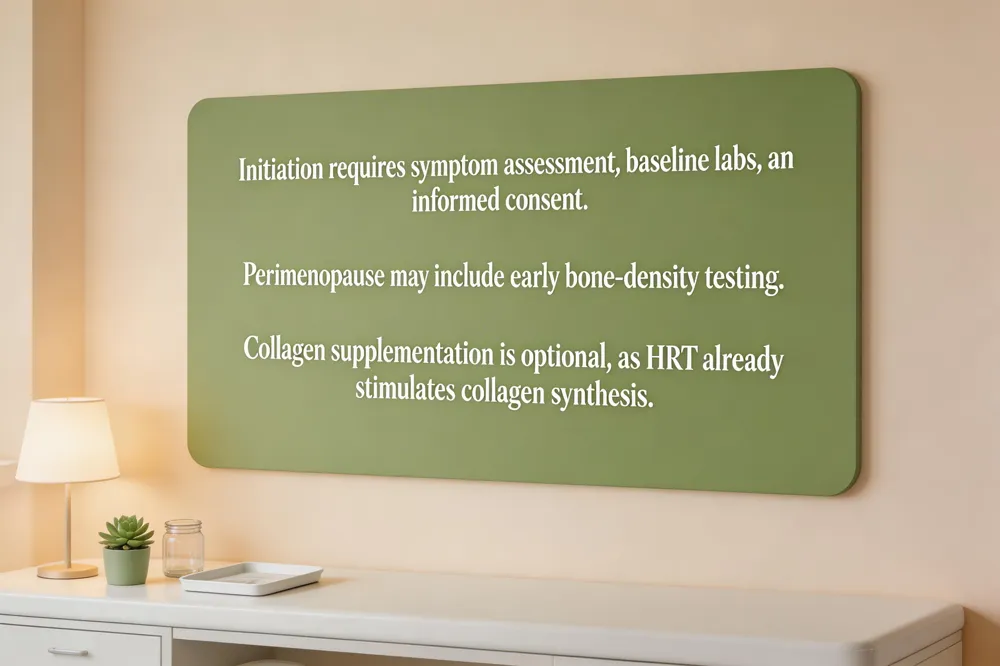 How to get hormone therapy for menopause – See the steps above; the clinician will write a prescription once eligibility is confirmed.
How to get HRT for perimenopause – The process mirrors menopause initiation, with added emphasis on early symptom tracking and possible bone‑density testing.
Do you need collagen if you’re on HRT? – HRT itself boosts collagen synthesis, often reducing the need for supplemental collagen. However, oral collagen peptides can provide extra amino acids for skin repair, especially in low‑protein diets. Adding collagen is optional and low‑risk, but discuss any supplement with your provider.
Patient Success Stories and Integrated Care at Dermatology Associates, PC
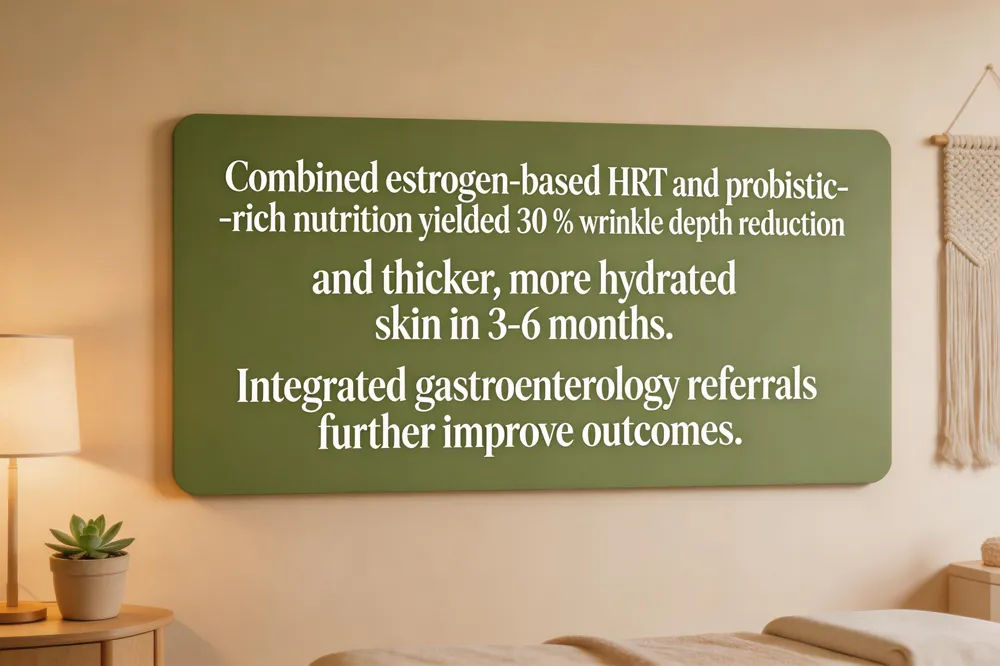 Dermatology Associates, PC blends hormone replacement therapy (HRT) with gut‑health optimization to deliver measurable skin improvements. In real‑world programs, patients report thicker, more hydrated skin and a 30% reduction in wrinkle depth after 3–6 months of combined estrogen‑based HRT and probiotic‑rich nutrition. The clinic’s collaborative model includes gastroenterology referrals and personalized diet plans that restore microbiome balance, further lowering systemic inflammation and enhancing barrier function.
Estrogen face before and after – Pre‑treatment skin appears thin, dry, and fine‑lined; 8–12 weeks of topical estrogen restores collagen, boosts hydration, and yields a smoother, plumper complexion.
HRT skin before and after – Before HRT, skin shows loss of elasticity and dullness; systemic estrogen restores thickness and firmness, reducing fine lines within months.
Face before and after HRT post‑menopause – Post‑menopausal faces are often lax and uneven; after several months of tailored HRT, patients exhibit firmer, more radiant skin with visible collagen gains.
Future anti‑aging dermatology at the practice will integrate peptide boosters and advanced microbiome profiling to further personalize skin‑rejuvenation strategies.
Your Path to Healthier Skin Starts Here
Integrating hormone replacement therapy (HRT) with gut‑health strategies and lifestyle habits creates a synergistic approach to skin vitality. Dermatology Associates, PC offers personalized assessments—including hormone panels, microbiome analysis, and skin exams—to tailor HRT dosing, probiotic recommendations, nutrition counseling, stress‑management techniques. Patients begin with a comprehensive consultation, receive a customized wellness plan, and schedule regular follow‑up visits to monitor hormone levels, gut microbiota, and skin outcomes. This coordinated care supports smoother, hydrated skin and overall long‑term well‑being.