

Navigating Intimate Health and Aesthetic Options
The phrase vaginal rejuvenation acts primarily as a marketing term rather than a formal medical definition. It encompasses a wide array of procedures, ranging from surgical interventions like labiaplasty to non-invasive, energy-based technologies. Because of this broad usage, patients should clarify whether their goals are purely aesthetic or rooted in specific physiological symptoms.
Medical experts, including ACOG, emphasize that many concerns classified under this umbrella might actually reflect underlying issues such as pelvic organ prolapse or pelvic floor weakness. Dermatology Associates, PC operates with an integrative philosophy, connecting intimate wellness services like FormaV Vaginal Rejuvenation and V-Tone Pelvic Floor Therapy to systemic health factors. By prioritizing clinical assessment before treatment, the practice ensures that patients address root causes such as hormonal shifts or muscle laxity through evidence-based care rather than relying solely on cosmetic fixes.
Patients often find themselves choosing between surgical options and non-surgical radiofrequency solutions. While surgery may offer structural changes, non-invasive paths at Dermatology Associates, PC via Morpheus8V Vaginal Rejuvenation utilize controlled energy to support natural tissue remodeling. Consulting with a qualified provider helps ensure expectations remain realistic and focused on personal confidence and comfort.
Non-Surgical Alternatives for Intimate Wellness
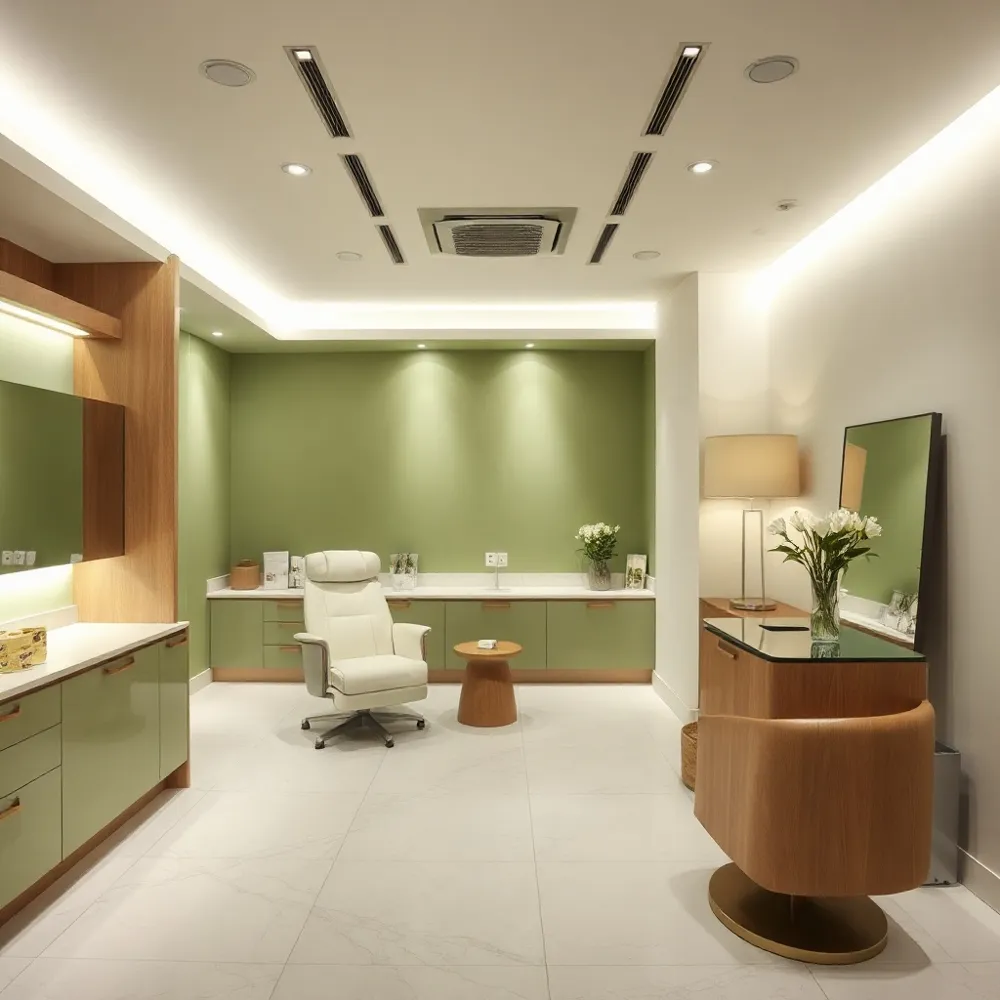 Non-surgical vaginal rejuvenation refers to office-based, minimally invasive procedures designed to address both functional and aesthetic concerns related to the vulva and vagina. Unlike invasive surgical interventions, which require anesthesia and longer recovery periods, these methods rely on advanced technology to restore tissue tone and health safely in a clinical environment. Individuals seeking restorative options often consider these therapies as a way to support their well-being after childbirth, aging, or menopause.
What is non-surgical vaginal rejuvenation?
These treatments utilize sophisticated energy platforms, including Morpheus8V, FormaV, and V-Tone, to promote internal tissue remodeling. By delivering controlled radiofrequency (RF) energy to the vaginal lining, these systems stimulate collagen production and improve local circulation. This process effectively firms the tissue, potentially addressing symptoms such as vaginal laxity and dryness that often arise from hormonal shifts. A 2018 University of Utah study emphasizes that patients should always seek these professional services to ensure anatomical concerns are evaluated against potential underlying medical conditions rather than just cosmetic goals.
Unlike cosmetic clinics that focus solely on appearance, Dermatology Associates, PC delivers an integrated approach that connects intimate health to systemic wellness. While some providers might offer treatments strictly for aesthetic reshaping, this practice positions Morpheus8V and similar platforms as components of a comprehensive regeneration strategy. This includes managing pelvic floor health and urinary incontinence through non-surgical means. For those dealing with atrophy, these sessions work in concert with other clinical solutions to improve comfort and sexual function without the risks associated with surgical procedures like vaginoplasty.
Harnessing Radiofrequency for Tissue Restoration
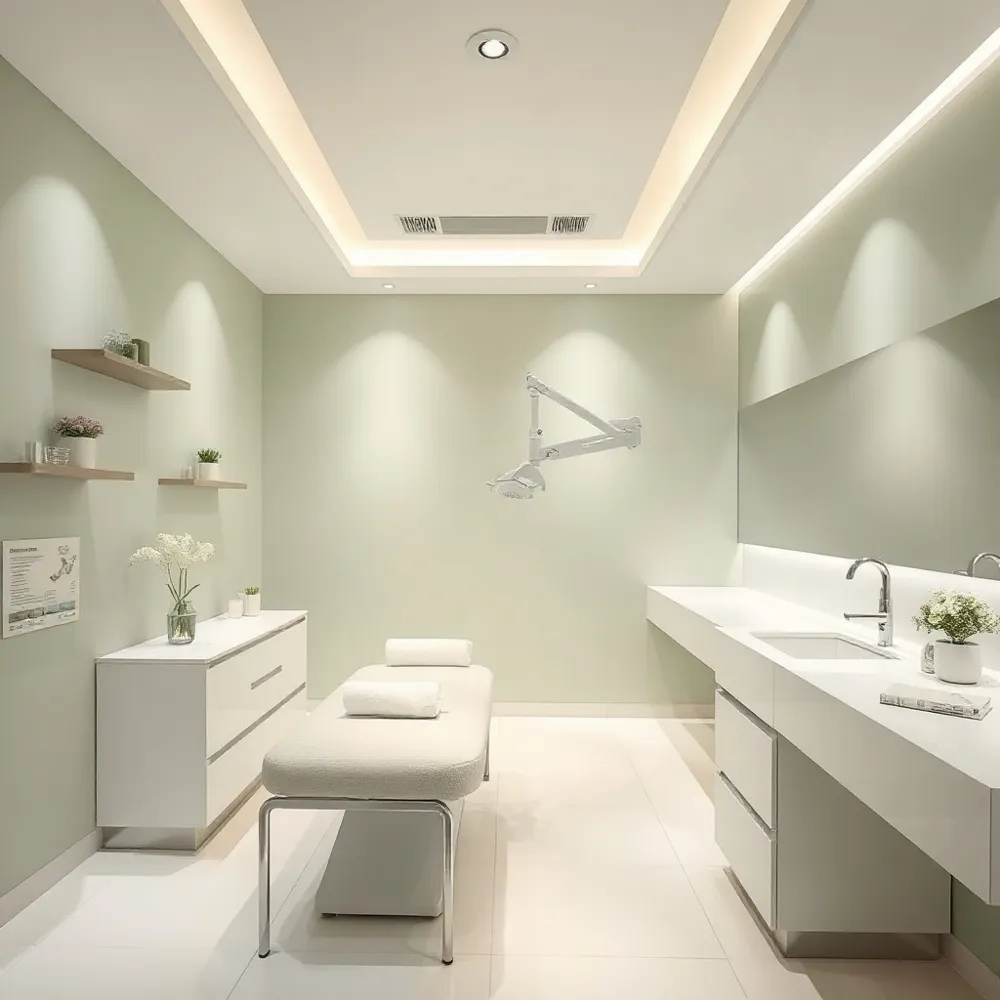 Intimate health concerns often stem from shifts in tissue elasticity linked to aging, childbirth, or hormonal changes. While surgical approaches like traditional vaginoplasty are designed to physically alter anatomy, radiofrequency technologies offer a non-invasive alternative for tissue remodeling. These therapies work by delivering deep-penetrating heat to the treated area to stimulate the natural production of collagen and elastin fibers within the vaginal walls.
How does FormaV work for intimate rejuvenation?
FormaV is a non-invasive, radiofrequency-based technology designed to restore intimate wellness and function. The device delivers controlled thermal energy to the vaginal and vulvar tissues, which gently warms the area to stimulate the body's natural healing response. This process effectively promotes the production of new collagen and elastin, leading to improved tissue tone and elasticity. By enhancing blood circulation and tissue health, FormaV helps address concerns such as vaginal laxity, dryness, and pelvic floor discomfort. These comfortable, non-surgical sessions provide a restorative solution for women navigating aging, menopause, or post-childbirth changes.
- Patient recovery: Unlike surgical interventions that require weeks for healing, radiofrequency procedures involve minimal to no downtime, allowing for a swift return to daily activities.
- Clinical benefits: By increasing local blood flow, these treatments help manage menopause-related atrophy and persistent dryness.
- Comprehensive care: Dermatology Associates, PC complements these aesthetic procedures with integrative strategies, such as hormone replacement therapy, to support systemic wellness alongside local tissue restoration.
Comparing Surgical and Non-Invasive Clinical Approaches
 Distinguishing between surgical interventions and non-invasive technologies is essential for informed decision-making regarding intimate health. Surgical procedures such as labiaplasty, vaginoplasty, and perineoplasty involve physical reconstruction of the genital anatomy, typically requiring anesthesia and a recovery period of several weeks. These methods are frequently chosen to address specific anatomical concerns or significant discomfort resulting from childbirth injuries or congenital defects.
Non-invasive alternatives like Morpheus8V, FormaV, and V-Tone are available as part of a comprehensive approach to feminine wellness. Unlike invasive surgery, these radiofrequency-based therapies focus on tissue remodeling and collagen stimulation to improve circulation and support pelvic floor health without surgical downtime. While surgical vaginoplasty is a permanent physical reconstruction, non-invasive methods serve as a supportive tool for managing symptoms like vaginal laxity, dryness, or incontinence through controlled energy delivery.
How does surgical vaginoplasty compare to non-invasive rejuvenation methods?
Surgical vaginoplasty is an invasive procedure aimed at physical reconstruction, whereas non-invasive methods focus on tissue remodeling and collagen stimulation without downtime. Candidates for surgical procedures generally fall between 20 and 60 years of age, though individual appropriateness must be determined by a qualified specialist based on medical necessity and physical examination. Professional bodies like the American College of Obstetricians and Gynecologists emphasize that a clinical assessment is necessary to rule out underlying conditions, such as pelvic organ prolapse, before pursuing any cosmetic intervention.
| Feature | Surgical Intervention | Non-Invasive Therapy |
|---|---|---|
| Procedure Type | Reconstructive surgery | Energy-based treatment |
| Recovery Time | Several weeks | Little to none |
| Primary Use | Anatomical repair | Collagen stimulation |
Safety Standards and Potential Risks of Rejuvenation
While non-surgical and aesthetic procedures are designed to be minimally invasive, they remain medical interventions that carry inherent risks. Patients considering vaginal rejuvenation should be aware of potential complications including pain, infection, bleeding, scarring, and the development of painful intercourse, known as dyspareunia. Experts at the American College of Obstetricians and Gynecologists emphasize that there is no broad clinical consensus supporting the efficacy of these procedures for sexual pleasure or body image, and that safety profiles must be evaluated carefully.
The U.S. Food and Drug Administration has issued specific warnings regarding the use of laser and energy-based devices for vaginal cosmetic procedures. Regulatory bodies have noted significant safety concerns, including potential for vaginal burns, permanent disfigurement, and chronic pain. Because these technologies function by heating tissue, the risk of epidermal injury requires the oversight of a trained practitioner who operates within a licensed clinical environment rather than9 a non-medical spa setting, as noted by the American Board of Cosmetic Surgery.
At Dermatology Associates, PC, safety is integrated into personal treatment plans for feminine wellness. By prioritizing evidence-based applications of technologies like Morpheus8V, the practice ensures that energy levels and tissue stimulation are monitored to mitigate risks like scarring or infection. Patients are encouraged to consult with their provider to rule out underlying conditions such as pelvic organ prolapse or atrophy that may require medical therapies like hormone replacement rather than aesthetic techniques alone.
Evaluating Outcomes, Efficacy, and Investment
When considering vaginal rejuvenation, patients should understand that investment is highly personalized, reflecting unique anatomical needs, the specific technology utilized, and the extent of treatment required. Because these procedures are not one-size-fits-all, pricing varies significantly based on the complexity of individual goals and the necessary number of sessions. At Dermatology Associates, PC, personalized treatment plans take into account whether the patient requires a series of non-surgical sessions or a different approach to address their specific concerns.
What should patients consider when looking into the cost and efficacy of vaginal rejuvenation treatments?
Prioritizing the qualifications and clinical experience of the provider over the lowest price is essential to ensure both safety and optimal functional outcomes. Patients should approach consultations as an opportunity to review clinical results and establish realistic expectations regarding the efficacy of minimally invasive technologies versus traditional surgical options. While American College of Obstetricians and Gynecologists guidelines emphasize that these terms are often marketing-based, a professional evaluation helps distinguish between simple aesthetic desires and underlying medical concerns.
Comprehensive treatment plans often incorporate integrative wellness to improve long-term results. By connecting intimate health with broader factors like hormone replacement therapy or systemic wellness, providers move beyond superficial changes. This holistic strategy ensures that patients manage chronic symptoms effectively rather than relying on short-term fixes. A thorough professional assessment at a practice like Dermatology Associates, PC remains the only way to receive an accurate, comprehensive estimate that covers all aspects of care and expected functional improvements.
Committing to Long-Term Intimate Health
Achieving lasting results in intimate wellness requires prioritizing evidence-based medical oversight over aesthetic trends alone. Because vaginal rejuvenation often acts as a broad marketing label, patients benefit from consulting qualified providers who can distinguish between cosmetic goals and underlying medical conditions. At Dermatology Associates, PC, the team integrates non-surgical technologies like FormaV and V-Tone with systemic wellness strategies to support long-term pelvic floor health.
Sustained success often stems from an integrative approach. By combining Morpheus8V tissue remodeling with hormone replacement therapy, the practice manages hormonal fluctuations that affect intimacy throughout aging. Understanding that symptoms like dryness or laxity may reflect physiological changes often leads to more effective, personalized treatment plans. Individuals are encouraged to schedule a consultation to identify whether their concerns require regenerative aesthetics or formal medical intervention to ensure both safety and satisfaction.