

Understanding BodyTite: A Minimally Invasive Solution
BodyTite is a radiofrequency-assisted lipolysis (RFAL) procedure that offers a middle ground between traditional liposuction and non-invasive body contouring. It removes unwanted fat while also tightening the overlying skin, addressing two concerns in a single treatment session. Built-in thermal safeguards allow controlled energy delivery that protects surrounding tissues while achieving measurable results.
The procedure uses radiofrequency energy delivered through a small internal probe and an external electrode. The targeted heat melts fat cells for removal via gentle suction and simultaneously stimulates collagen production in the dermis. This dual mechanism creates both immediate contour improvement and ongoing skin tightening that continues over several months.
Because BodyTite requires only a tiny incision and is performed under local anesthesia, recovery is significantly shorter than that of traditional liposuction. Most patients return to work within one to three days. Its growing popularity stems from this combination of effective fat reduction, meaningful skin tightening, and minimal downtime.
What Is BodyTite and How Does It Work?
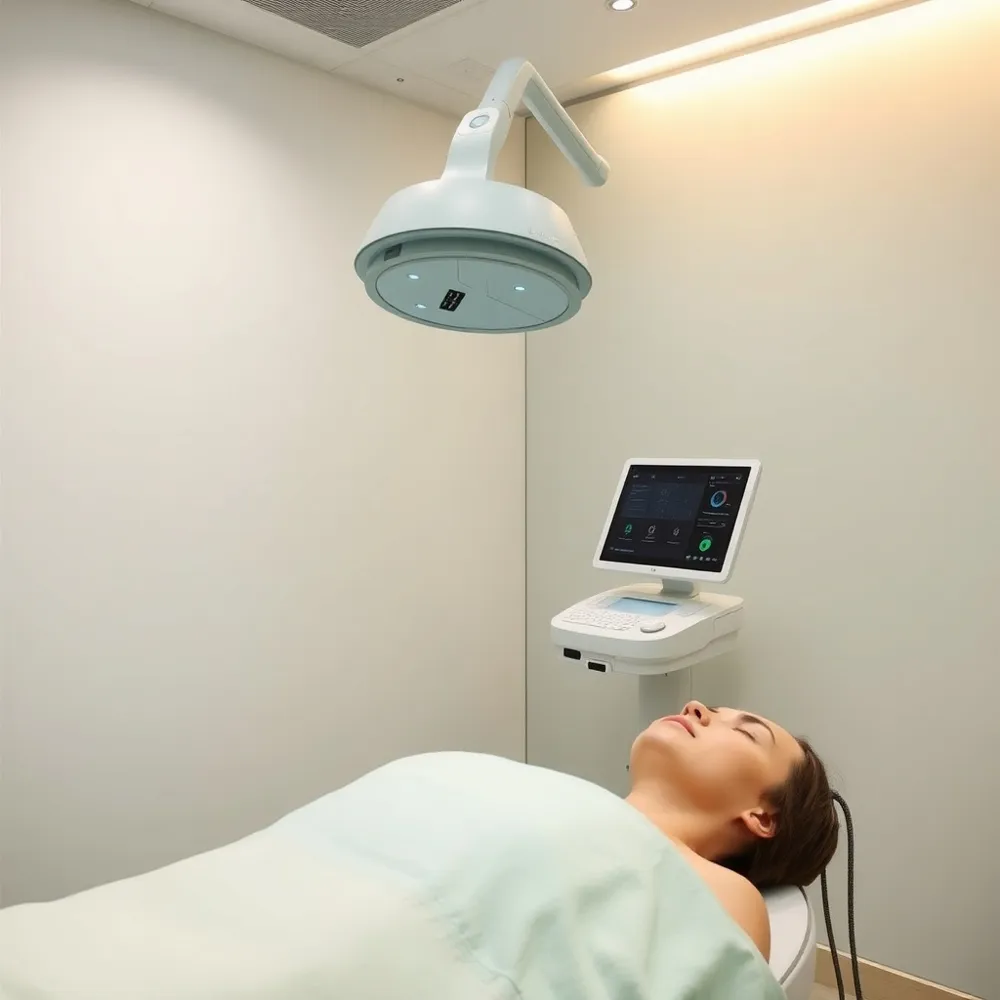 BodyTite is a minimally invasive body contouring procedure that relies on radiofrequency-assisted lipolysis (RFAL) to address both unwanted fat and loose skin in a single session. The system uses a specialized dual-handpiece design: an internal cannula is inserted through a tiny incision to deliver controlled thermal energy directly to fat cells, while an external electrode simultaneously heats the skin's surface. This synchronized approach liquefies fat for gentle suction removal and triggers collagen contraction and production in the dermis, leading to noticeable skin tightening.
The radiofrequency energy selectively targets adipose tissue without damaging surrounding structures. As the fat cells are heated and broken down, they are removed via low-pressure suction through the same cannula. The thermal energy also coagulates small blood vessels, which reduces bleeding, bruising, and post-procedure discomfort compared to traditional liposuction. Patients typically experience a shorter recovery and can return to light activities within a day or two, as noted in clinical descriptions of the RFAL technique.
A key differentiator of BodyTite is its real-time temperature monitoring and impedance detection, which help maintain safe, uniform heating and prevent overheating of the skin. The device delivers energy between the internal and external electrodes at depths up to several centimeters, making it effective for areas like the abdomen, flanks, thighs, and arms. Over the following weeks and months, the stimulated collagen continues to remodel, producing progressive improvements in skin firmness and contour. Dermatology Associates, PC uses BodyTite as part of its advanced minimally invasive body contouring offerings, helping patients achieve refined results without the lengthy downtime of surgical alternatives.
Commonly Treated Areas with BodyTite
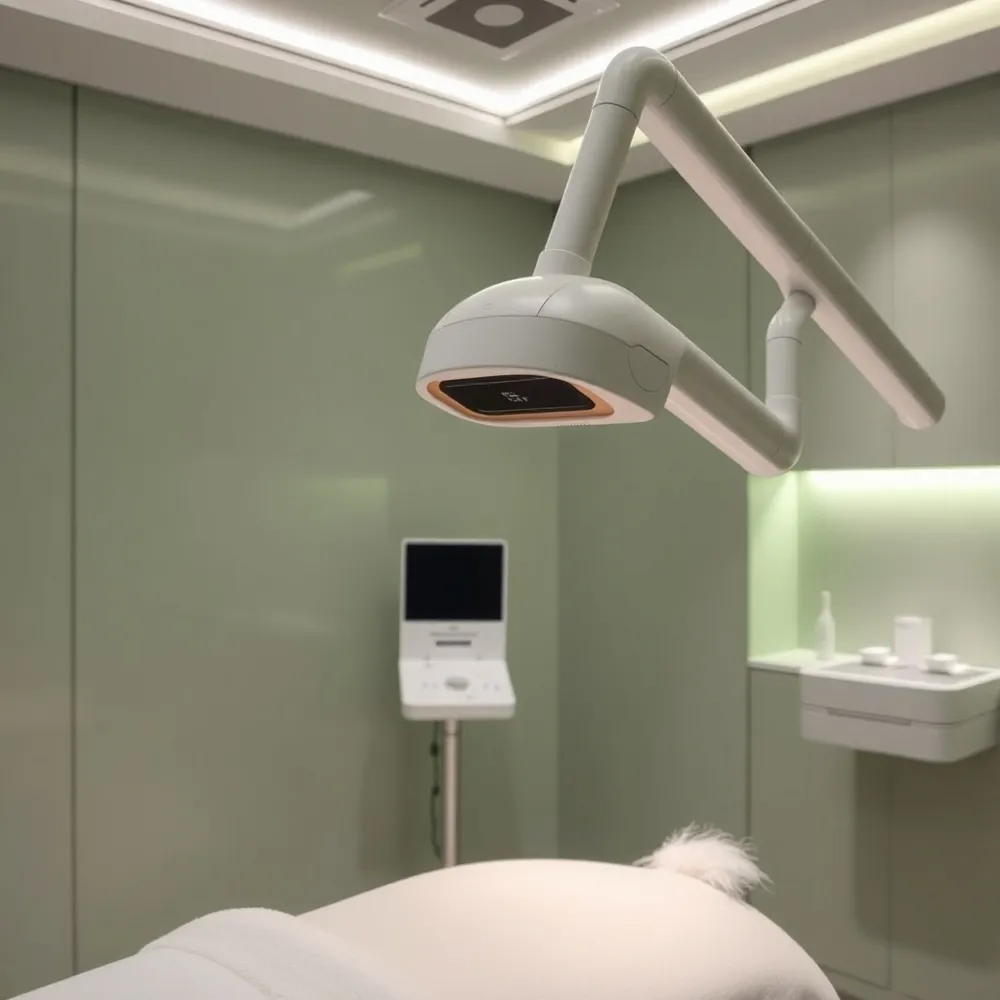 BodyTite is a versatile minimally invasive treatment that can address stubborn fat and loose skin across many areas of the body. Common treatment zones include the abdomen, flanks (love handles), inner and outer thighs, arms, back, buttocks, bra roll, chest (including male breasts), and knees. It is also effective on smaller regions such as the submental neck and jowls when used with the FaceTite attachment.
The upper arms and thighs are among the most popular treatment areas. Radiofrequency-assisted lipolysis with BodyTite simultaneously melts fat and stimulates collagen production, resulting in significant skin contraction and tightening. One study on upper arm treatment reported an average circumference reduction of 3.75 cm at six months, with patient satisfaction rising from 35% to 87% (see Use of Radiofrequency-Assisted Liposuction (BodyTite) for Upper…). These results demonstrate the procedure's ability to deliver measurable contour improvement.
For patients seeking more dramatic fat removal, BodyTite can be combined with traditional liposuction in a single session. This approach removes a larger volume of fat while leveraging BodyTite's skin-tightening capabilities to avoid the loose skin that can follow liposuction alone. Such combinations are especially useful for comprehensive contouring of the abdomen, flanks, and thighs.
Who Is an Ideal Candidate for BodyTite?
The ideal candidate for BodyTite is someone who is close to their ideal body weight, in good overall health, and has mild to moderate skin laxity with stubborn fat that resists diet and exercise. BodyTite is a body contouring procedure — it is not a weight loss treatment and is not intended for individuals who are severely overweight.
While there is no strict age limit, the best results typically appear in adults between their 20s and 40s, when collagen production is still strong. In a study of 120 patients who received BodyTite for upper arm contouring, satisfaction rates climbed from 35% before treatment to 87% at six months, reflecting the procedure's effectiveness in this age range. Patients over 40 can still benefit, but the degree of skin tightening may be less dramatic due to natural age-related changes in skin elasticity.
For patients with good skin elasticity and localized fatty deposits, BodyTite offers a minimally invasive path to a smoother, tighter contour. At Dermatology Associates, PC, a consultation helps determine whether BodyTite or a surgical option better matches your skin quality, health, and aesthetic goals.
BodyTite vs. Traditional Liposuction: Which Is Right for You?
Choosing between BodyTite and traditional liposuction comes down to understanding their core differences in technique, recovery, and results. BodyTite uses radiofrequency-assisted lipolysis (RFAL) to melt fat and tighten skin in one step, while liposuction uses vacuum suction to remove fat but does not improve skin laxity.
Invasiveness and recovery time differ significantly between the two. BodyTite is a minimally invasive procedure performed under local anesthesia through tiny incisions, typically requiring 1 to 3 days of downtime. Traditional liposuction involves larger incisions, general anesthesia, and a recovery period of 1 to 2 weeks. Scarring with BodyTite is minimal compared to the more noticeable scars that can occur with liposuction.
Cost is another distinction. BodyTite is often less expensive because it avoids fees for general anesthesia and operating room facilities. Liposuction costs vary widely but tend to be higher, especially for larger treatment areas.
The right choice depends on your primary concern. If you want significant fat removal from a stubborn area and have good skin elasticity, traditional liposuction is a strong option. If you have mild to moderate fat deposits accompanied by skin laxity, BodyTite addresses both concerns at once.
For patients who need substantial fat removal and also want to prevent loose skin, the two procedures can be combined in a single session. Liposuction handles the bulk fat removal, and BodyTite tightens the surrounding skin for a more contoured result.
Potential Disadvantages and Recovery
BodyTite is a minimally invasive procedure, but it still involves recovery and potential side effects. Understanding what to expect helps patients plan appropriately and achieve the best results.
Common Side Effects
Most patients experience temporary swelling, bruising, and mild to moderate discomfort in the treated area. These effects typically resolve within one to two weeks. Some patients also report temporary numbness or tingling, which usually fades as the nerves heal. Mild skin irregularities, such as lumps or firmness, can occur but often improve with compression garment use and massage.
Rare but Serious Risks
More serious complications are uncommon when BodyTite is performed by an experienced provider. Rare risks include infection, allergic reaction to anesthesia, skin burns (minimized by the device's real-time temperature monitoring), and seroma (fluid collection). A study of 120 upper arm BodyTite patients reported only minor complications: 8.3% experienced temporary hyperesthesia, 1.6% developed seroma, and 4.2% had fat necrosis. No cases of skin slough or hematoma were observed.
Recovery Timeline and Aftercare
Downtime for BodyTite is typically 1 to 3 days, which is shorter than the 1 to 2 weeks often required after traditional liposuction. Most patients return to light activities within a few days and desk work within 3 to 5 days. Strenuous exercise and heavy lifting should be avoided for 2 to 4 weeks to allow proper healing.
Compression garments are usually worn for 2 to 4 weeks after the procedure. They help reduce swelling, support the healing tissue, and encourage the skin to contract smoothly over the newly contoured area. Patients at Dermatology Associates, PC receive detailed aftercare instructions tailored to their specific treatment areas.
Scarring Considerations
BodyTite requires tiny incisions of about 1 to 3 mm for the RFAL cannula, which typically heal with minimal scarring. These small entry points often fade to nearly invisible over time, especially when compared to the larger incisions and more noticeable scars associated with traditional liposuction or surgical lifts.
Understanding BodyTite Costs
 The cost of BodyTite varies widely depending on the number of treatment areas, the provider's experience, and geographic location. While exact pricing is best determined during a consultation, most patients can expect to invest several thousand dollars per area. This range reflects the dual-action technology that simultaneously removes fat and tightens skin—a capability that traditional liposuction does not offer.
Factors that influence the final price include the size of the area treated, the use of anesthesia, and any combination procedures. BodyTite typically includes the consultation, the procedure itself, anesthesia fees, and follow-up visits in the quoted price. Because it is less invasive than traditional liposuction, recovery is faster, which can reduce indirect costs like time off work.
At Dermatology Associates, PC, a consultation provides a personalized treatment plan and cost estimate tailored to your goals. The practice also offers financing options to make body contouring more accessible. To get an accurate quote and explore payment plans, schedule a consultation with a board-certified professional who can assess your anatomy and discuss your aesthetic objectives.
Do Results Last? Fat Return and Maintenance
A common question about BodyTite is whether the results are permanent. The fat cells destroyed during the procedure are gone for good — they do not regenerate. Studies on radiofrequency-assisted lipolysis confirm that once fat cells are liquefied and removed from a treated area, they cannot grow back in that spot.
How Weight Gain Affects Treated Areas
While the treated fat cells are permanently removed, the remaining fat cells throughout your body can still enlarge if you gain weight. This means that even an area treated with BodyTite can appear to regain fullness if overall body weight increases. Maintaining a stable weight through a balanced diet and regular exercise is essential to preserving your results, much like after traditional liposuction.
Weight Gain After Liposuction: Swelling vs. Fat
If you have undergone lipo 360 and notice a ten-pound increase on the scale, it is often due to post-surgical swelling and fluid retention rather than new fat. However, long-term weight gain after liposuction can cause remaining fat cells to enlarge, and because treated areas have fewer fat cells, new deposits tend to accumulate in untreated regions. For patients concerned about skin laxity after liposuction, combining the procedure with BodyTite can provide the additional benefit of skin tightening through radiofrequency energy.
Ultimately, the longevity of your results depends on lifestyle. At Dermatology Associates, PC, patients are counseled on the importance of a stable weight and ongoing healthy habits to protect their investment in body contouring.
RF vs. CoolSculpting: Choosing the Right Technology
When comparing radiofrequency (RF) technologies like BodyTite to CoolSculpting, the right choice depends largely on whether your primary concern is stubborn fat alone or fat combined with skin laxity. CoolSculpting, a non-invasive cryolipolysis treatment, freezes and destroys fat cells. It is highly effective for targeted fat reduction — particularly on the abdomen and waist — but it offers little to no skin tightening.
BodyTite uses radiofrequency-assisted lipolysis (RFAL) to melt and remove fat while simultaneously delivering thermal energy to the dermis. This dual action stimulates collagen production and tightens the overlying skin, a benefit that CoolSculpting cannot provide. Because BodyTite works through a single small incision and typically requires only one treatment per area, it can be a more efficient option for patients who want both fat reduction and improved skin firmness.
The number of sessions also differs. CoolSculpting often requires multiple treatments spaced weeks apart to achieve the desired fat reduction. BodyTite produces visible results in one session, with continued improvement over 3–6 months as collagen remodeling progresses.
Ideal candidates for CoolSculpting are patients with good skin elasticity who want to reduce a localized fat bulge without any downtime. BodyTite is better suited for those who have both stubborn fat and mild to moderate skin laxity, making it an excellent option for the abdomen, arms, or thighs where loose skin is a concern. Your provider at Dermatology Associates, PC can evaluate your skin quality and treatment goals to recommend the technology that fits your needs.
Take the Next Step Toward Your Ideal Contours
BodyTite offers a minimally invasive path to smoother, firmer contours across the abdomen, arms, thighs, flanks, and other trouble spots. The key to achieving natural-looking, lasting results lies in a thorough consultation with a qualified provider who can assess your skin quality, fat distribution, and aesthetic goals.
At Dermatology Associates, PC, board-certified providers create personalized treatment plans that combine BodyTite with complementary radiofrequency technologies like Morpheus8 when needed. A one-on-one evaluation determines whether BodyTite alone or a combined approach best addresses your concerns about stubborn fat and skin laxity.
Reach out to schedule a consultation and learn how a tailored plan can help you achieve the smooth, contoured look you want.