

What to Expect During a FaceTite Treatment
FaceTite is an advanced, minimally invasive procedure that uses radiofrequency-assisted lipolysis (RFAL) to tighten loose skin and reduce fat deposits on the face, neck, and jawline. It is designed for individuals with mild to moderate signs of aging who want noticeable improvement without the recovery time of a surgical facelift. A 2016 study of 55 patients reported that 85% were satisfied with their results, and 94.5% showed good to excellent improvement as rated by independent plastic surgeons.
The procedure is performed under local anesthesia in a single office visit. A small cannula delivers radiofrequency energy directly beneath the skin, melting fat and contracting collagen fibers in the deeper tissue layers. An external electrode glides across the skin’s surface to maintain a precise temperature, ensuring uniform results. Most treatments take about 45 minutes to two hours, depending on the number of areas treated.
What to Expect During Recovery
Recovery from FaceTite is significantly shorter than recovery from a surgical facelift. Most patients experience swelling, bruising, and mild tenderness, which peak in the first three days. A compression garment worn around the clock for the first several days helps minimize swelling and supports the healing skin. Patients typically return to work within 2 to 5 days.
By the end of the first week, swelling begins to decrease, and the first signs of tightening become visible. Results continue to improve as collagen remodels, with full effects becoming apparent around 3 to 6 months after treatment. One study tracking patients over six months found an average submental length reduction of 23 mm following combined neck liposuction and FaceTite.
Long-Lasting Results Without Major Surgery
Unlike non-invasive skin tightening treatments that may require multiple sessions, FaceTite typically achieves its results in a single session. The thermal effect of radiofrequency produces both immediate tissue contraction and long-term collagen stimulation. Patients can expect results that last several years, though maintaining a stable weight and healthy lifestyle supports maximal longevity.
At Dermatology Associates, PC, led by Dr. Sonya F. Campbell Johnson, FaceTite is offered as a safe and effective non-surgical option for facial rejuvenation with minimal downtime. The practice’s approach emphasizes personalized treatment plans, combining FaceTite with complementary services such as Morpheus8 or dermal fillers when appropriate to achieve each patient’s aesthetic goals.
Understanding FaceTite and How It Works
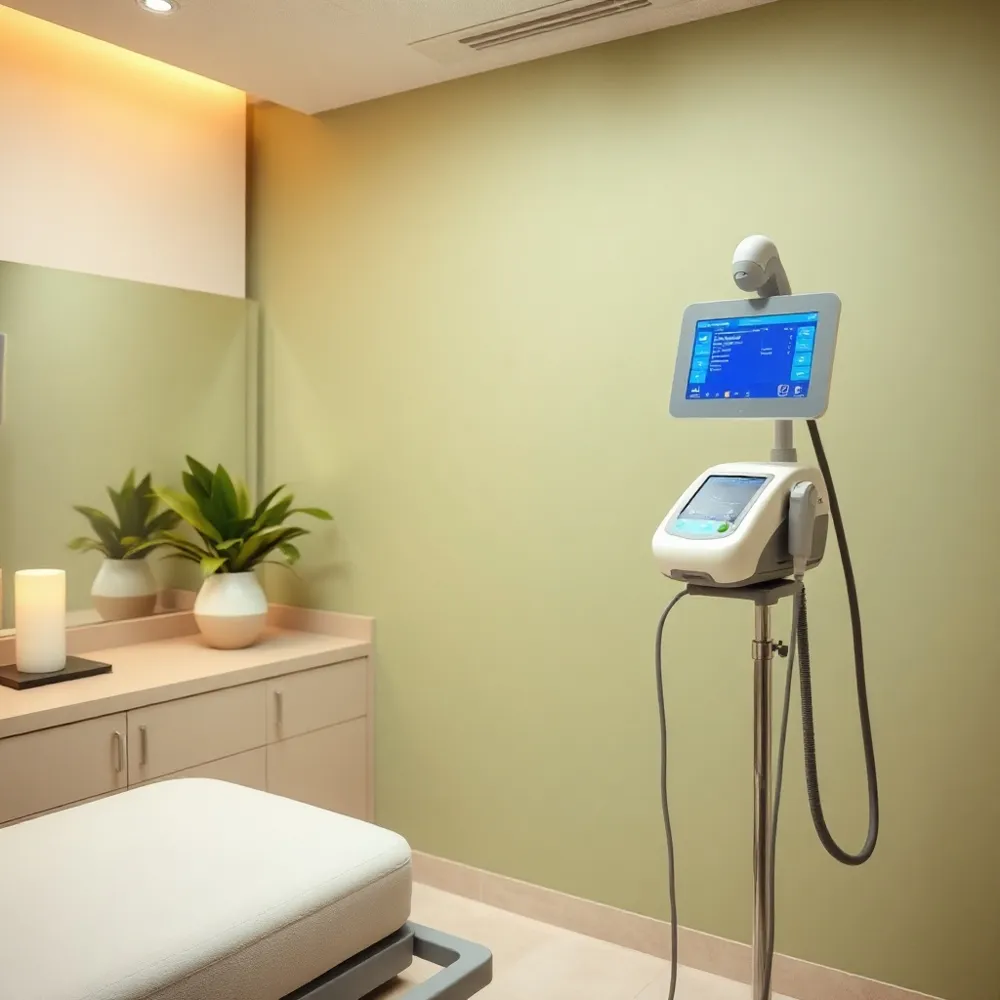 FaceTite is an advanced, minimally invasive procedure that uses radiofrequency-assisted lipolysis (RFAL) to tighten loose skin and reduce fat deposits on the face, neck, and jawline. A small probe is inserted beneath the skin to deliver precise radiofrequency energy, which simultaneously melts fat and contracts tissue. This process stimulates collagen production, enhancing skin elasticity and firmness over time. In a 2016 clinical study, 85% of patients reported satisfaction with their contouring and skin tightening results after RFAL treatment.
The procedure is performed under local anesthesia, typically takes 60 to 90 minutes, and involves minimal downtime, with most patients returning to normal activities within a week. FaceTite is an excellent non-surgical alternative to a traditional facelift for those with mild to moderate skin laxity. At Dermatology Associates, PC, FaceTite is offered as part of a comprehensive suite of advanced radiofrequency technologies, allowing for personalized treatment plans that combine procedures like Morpheus8 and BodyTite for enhanced facial and body contouring.
Does FaceTite Hurt?
Because FaceTite is performed under local anesthesia, most patients do not experience significant pain during the procedure. They may feel only mild warmth, pressure, or minimal discomfort at the treatment site. After the treatment, common side effects such as soreness, swelling, and tenderness are easily managed with over-the-counter pain relief. The combination of effective numbing and the minimally invasive nature of the procedure ensures a comfortable experience for the vast majority of patients.
What Happens During Your FaceTite Appointment
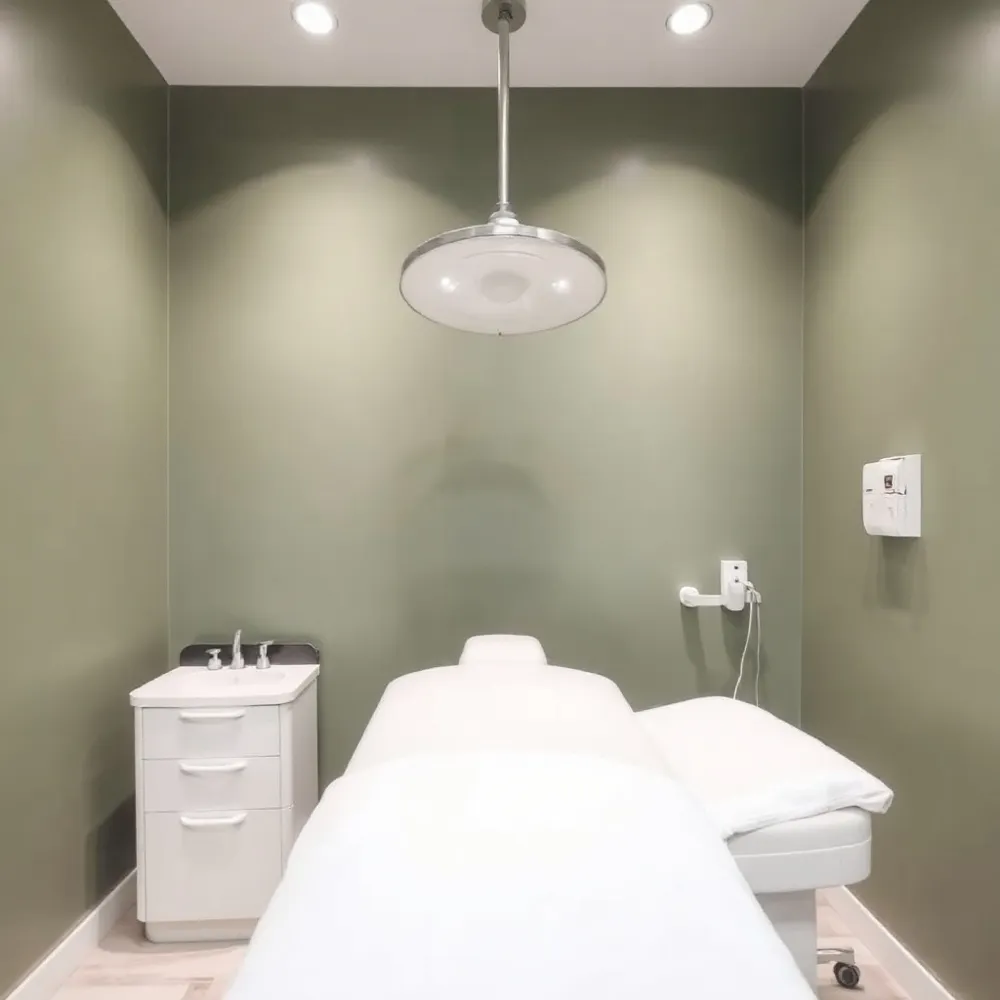 Your FaceTite appointment begins with the application of local anesthesia to numb the treatment area. This step keeps you comfortable while the provider prepares for the procedure.
Once the area is numb, the provider makes one to three tiny incisions — typically under the chin and near the earlobes — through which a thin cannula is inserted. The cannula delivers controlled radiofrequency energy to the underlying tissues, simultaneously melting fat cells and tightening the skin by stimulating collagen production. The same incisions may also be used for liposuction to remove liquefied fat, similar to a standard liposuction technique but with less post-operative pain and swelling.
Real-time temperature feedback between the internal cannula and an external electrode ensures uniform heating and safety. The device automatically adjusts or shuts off when the target temperature is reached, minimizing the risk of burns. The session typically lasts 30 minutes to an hour, depending on the size of the treated area.
Most patients describe feeling a warm sensation and mild pressure rather than pain. No general anesthesia is required, and you can return home the same day. At Dermatology Associates, PC, the procedure is performed as an outpatient visit, and many patients find they can resume light activities within 48 hours.
FaceTite vs. Other RFAL Treatments
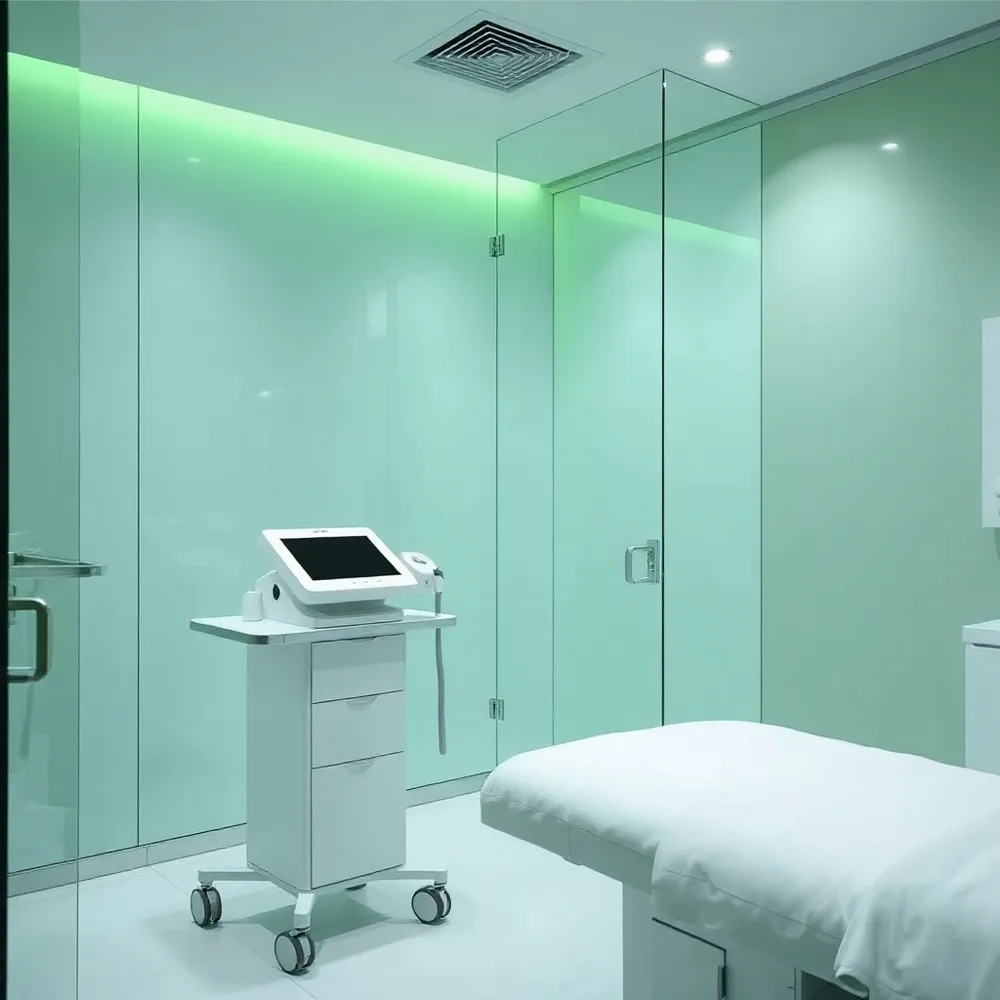 FaceTite, AccuTite, and BodyTite are all minimally invasive radiofrequency-assisted lipolysis (RFAL) treatments. All three use controlled thermal energy to melt fat, stimulate collagen, and tighten skin with minimal downtime, but each device is designed for a specific area of the body.
FaceTite: Face and Neck
FaceTite targets larger zones of the face and neck, including the jawline, jowls, and lower face. The procedure uses a bipolar RFAL applicator — an internal electrode that delivers coagulative heat beneath the skin and an external electrode that glides along the surface, providing nonablative heating that stimulates contraction. A study of 55 patients found that 85% were satisfied with their contouring and skin tightening results, and 94.5% were rated as having good to excellent improvement by independent surgeons.
AccuTite: Precision for Delicate Areas
AccuTite uses a smaller probe than FaceTite, making it suitable for precise, delicate areas such as the under-eyes, brows, nasolabial folds, and hands. Where FaceTite removes deeper fat and contracts the fibroseptal network across a broader field, AccuTite delivers the same RFAL mechanism through a finer cannula, reducing the risk of visible trauma in thin-skinned zones.
BodyTite: Larger Body Areas
BodyTite extends the same RFAL principle to larger body areas, including the abdomen, arms, inner thighs, and torso. The device operates with larger electrodes to deliver the thermal energy necessary for significant fat reduction and skin tightening over broad surfaces, providing an alternative to more invasive body-contouring surgeries.
| Device | Treatment Area | Key Feature |
|---|---|---|
| FaceTite | Jawline, jowls, lower face, neck | Mid-sized probe for facial contouring; 85% patient satisfaction in clinical study |
| AccuTite | Under-eyes, brows, nasolabial folds, hands | Smallest probe for precision in delicate, thin-skinned zones |
| BodyTite | Abdomen, arms, thighs, torso | Larger electrodes for broad fat reduction and skin tightening |
Week-by-Week Recovery Timeline
FaceTite recovery follows a predictable path. During the first week, swelling and bruising are most noticeable, but most patients can return to work and light activities within three to four days. A compression garment is typically worn around the clock for the first few days, then at night for about two weeks to support healing. Discomfort is generally mild and managed with ice packs and over-the-counter medication.
By weeks two to three, swelling continues to subside and bruising fades significantly. Most patients resume normal activities with minimal discomfort. The skin may feel firm or tight as collagen remodeling begins, and subtle contour changes become visible. Some patients notice initial tightening as early as the first week, but final results develop gradually over the following months.
Optimal results are usually visible between three to six months post-procedure as collagen production continues to improve skin firmness and definition. A published study on radiofrequency-assisted liposuction found that 85% of patients reported satisfaction with their contouring and skin tightening results. FaceTite benefits typically last one to five years, with many patients enjoying a more sculpted jawline and neck contour well beyond the first year.
Risks, Side Effects, and Safety
FaceTite has a strong safety profile when performed by a qualified provider. As a minimally invasive procedure using radiofrequency-assisted lipolysis, it avoids the larger incisions and general anesthesia risks associated with traditional facelift surgery. The most common side effects are temporary and predictable: swelling, bruising, redness, and mild numbness at the treatment sites.
Swelling typically resolves within 1 to 2 weeks, with the most noticeable puffiness occurring in the first few days. Bruising and redness follow a similar timeline, fading steadily as the skin heals. Some patients experience numbness or a tight feeling in the treated area, which resolves on its own over several days to weeks. These effects are manageable with ice packs, over-the-counter pain relief, and rest, as recommended by your provider.
Serious complications such as infection, thermal burns, hematoma, or scarring are rare. In a peer-reviewed study of 55 patients treated with RFAL for neck and face contouring, the only adverse events were minor: tissue hardness in 5 patients (9.1%) that resolved with massage after 3 months, two small burns (3.6%) that healed with local wound care, and one case of transient facial nerve weakness that resolved after 2 months. No major complications requiring further medical or surgical intervention occurred.
Certain risk factors can increase the likelihood of adverse outcomes. Smoking impairs healing and collagen production. Diabetes and other conditions that affect circulation or immune response may also slow recovery. Choosing an inexperienced provider is one of the most significant preventable risk factors. The study authors noted that the two minor thermal injuries occurred early in each surgeon's learning curve, underscoring the importance of selecting a board-certified provider with specific RFAL experience.
Overall, serious complications are uncommon. The same study reported that 85% of patients were satisfied with their contouring and skin tightening results, and independent plastic surgeons rated the improvement as good to excellent in 94.5% of cases. Dermatology Associates, PC emphasizes patient safety and realistic expectations, with Dr. Sonya F. Campbell Johnson and her team providing personalized pre-treatment consultations to assess candidacy and discuss risks before any procedure.
Results and Longevity of FaceTite
FaceTite provides noticeable skin tightening and fat reduction, with many patients seeing initial improvement within the first week and continued enhancement over several months as collagen remodels. A 2016 study published in the official journal of the American Society of Plastic Surgeons reported that 85% of patients were satisfied with their contouring result and degree of skin tightening after radiofrequency-assisted liposuction.
While the FDA approves FaceTite's tightening effects for one year, many patients and doctors report results lasting up to five years. A 2016 study found 94.5% of cases showed good to excellent improvement in contouring and skin tightening when evaluated by independent plastic surgeons. Results gradually diminish as natural aging continues, but longevity depends significantly on lifestyle factors such as daily sunscreen use, a consistent skincare routine, and avoiding smoking.
To maximize and maintain your results, we recommend maintaining a stable weight, following a healthy diet, and using a broad-spectrum sunscreen daily. At Dermatology Associates, PC, providers tailor post-treatment care plans to help each patient preserve their results. The practice emphasizes that FaceTite results do not suddenly disappear after a few years; instead, patients experience a gradual reduction in tightness as normal aging resumes.
Understanding the Cost of FaceTite
FaceTite costs vary based on the provider's expertise, geographic location, and the extent of treatment. Factors such as the specific areas treated and the degree of skin laxity also influence pricing. While national averages often fall in the range of several thousand dollars, metropolitan areas may command higher fees.
Given that results can last several years, many patients find the investment worthwhile. For an accurate estimate, a consultation is essential. At Dermatology Associates, PC, Dr. Sonya F. Campbell Johnson and her team provide a transparent quote, detailing all costs so you can make an informed decision.
Is FaceTite Right for You?
FaceTite is best suited for individuals with mild to moderate skin laxity who want noticeable tightening and fat reduction without the downtime of surgery. Candidates should be at a stable weight, in good overall health, and understand that results typically reach about 50–60% of what a traditional facelift can achieve.
Choosing a board-certified provider with extensive experience in the procedure is essential for safety and optimal outcomes. Dr. Sonya F. Campbell Johnson and the team at Dermatology Associates, PC offer personalized consultations to evaluate your anatomy and goals, discuss realistic expectations, and develop a custom treatment plan tailored to your needs.