Understanding the Mohs Micrographic Surgery Experience
Known as the gold standard for treating common skin cancers like basal cell and squamous cell carcinoma, Mohs micrographic surgery is a highly precise outpatient procedure. Unlike traditional excision, this technique involves the systematic, layer-by-layer removal of cancerous tissue, with each layer examined immediately under a microscope. This process continues until no cancer cells remain, ensuring the highest possible cure rate, often exceeding 99%.
The primary objective of this procedure is to eliminate malignancy while preserving as much healthy skin as possible. By meticulously mapping the tumor’s roots, surgeons can spare critical tissue, which is especially important for sensitive areas such as the face, nose, ears, and hands. This precision minimizes the size of the final defect and improves cosmetic outcomes.
At Dermatology Associates, PC, we prioritize evidence-based medicine and comprehensive patient education for every surgical case. Dr. Sonya F. Campbell Johnson and our team understand that navigating a cancer diagnosis can be overwhelming. We focus on customized treatment plans that guide you through every stage, from initial tissue mapping to post-operative reconstruction, ensuring you feel informed and supported throughout your journey to long-term skin health.
What is Mohs micrographic surgery and what types of skin cancer does it treat?
 At Dermatology Associates, PC, we utilize Mohs micrographic surgery as a highly precise, outpatient method for treating skin cancer. The procedure is defined by its meticulous, layer-by-layer removal technique. Surgeons remove the visible tumor along with a thin margin of surrounding tissue, which is then immediately examined under a microscope. This process repeats until the pathology confirms that no cancer cells remain at the margins, ensuring the highest possible cure rate, often cited as high as 99% for primary tumors.
This specialized approach is the gold standard for treating the most prevalent skin cancers: basal cell carcinoma and squamous cell carcinoma. Because the surgery allows for the examination of 100% of the tissue margins, it is uniquely suited for tumors that are aggressive, recurrent, or have ill-defined borders that are not visible to the naked eye. By preserving as much healthy skin as possible, the technique is particularly advantageous for high-risk lesions located in cosmetically or functionally sensitive areas such as the face, eyelids, nose, ears, hands, and genitals.
While basal and squamous cell carcinomas are the primary focus, the technique is also effectively applied to melanoma in-situ and other less common malignancies in selected cases. For patients at Dermatology Associates, PC, our evidence-based treatment plans are customized to the specific needs of each lesion. By prioritizing both total cancer removal and tissue conservation, we help patients achieve optimal clinical outcomes while minimizing the need for more invasive, broader excisions.
Is Mohs surgery considered a major procedure?
 Medical professionals generally classify Mohs surgery as a precise, minor outpatient procedure rather than a major surgery. Unlike operations requiring general anesthesia, this technique is typically performed under local anesthesia. This approach numbs only the targeted treatment area, allowing the patient to remain awake and comfortable throughout the process while avoiding the systemic risks associated with sedation.
Because the procedure takes place in an outpatient office setting, most patients return home the same day without needing a hospital stay. The process centers on the layer-by-layer removal and immediate microscopic examination of tissue. This method ensures complete cancer clearance while sparing as much surrounding healthy skin as possible, a stark distinction from more invasive, broad-excision surgical operations that may require larger incisions.
At Dermatology Associates, PC, our team utilizes this minimally invasive technique to manage skin cancer with high precision. By combining evidence-based medicine with localized treatment, we offer an efficient alternative to traditional surgery that prioritizes both patient safety and long-term skin health. While the time spent in the office can vary based on tumor size, the focused nature of the surgery ensures that patients avoid the complications and longer recovery times typical of major operative procedures.
Navigating Your Day at Our Office
 Preparing for your Mohs surgery at Dermatology Associates, PC starts with clear expectations. You should continue your normal medications unless specifically instructed otherwise, though many patients need to pause blood-thinning supplements like vitamin E or nonsteroidal anti-inflammatory drugs (NSAIDs) such as ibuprofen for about seven days before their visit. You do not need to fast; in fact, eating a normal breakfast on the morning of your procedure is encouraged. If your surgery is located on the face, please arrive with clean skin free of any makeup to ensure the site is ready for treatment.
Because the procedure requires iterative tissue removal and on-site lab analysis, please clear your schedule for the entire day. While many Mohs procedures conclude in just a few hours, the specific time depends on how many layers must be removed to clear the cancer. We recommend bringing a book, a tablet, or a fully charged mobile device to keep you occupied during the wait times between stages.
What should patients expect regarding pain and the surgical environment during Mohs procedures?
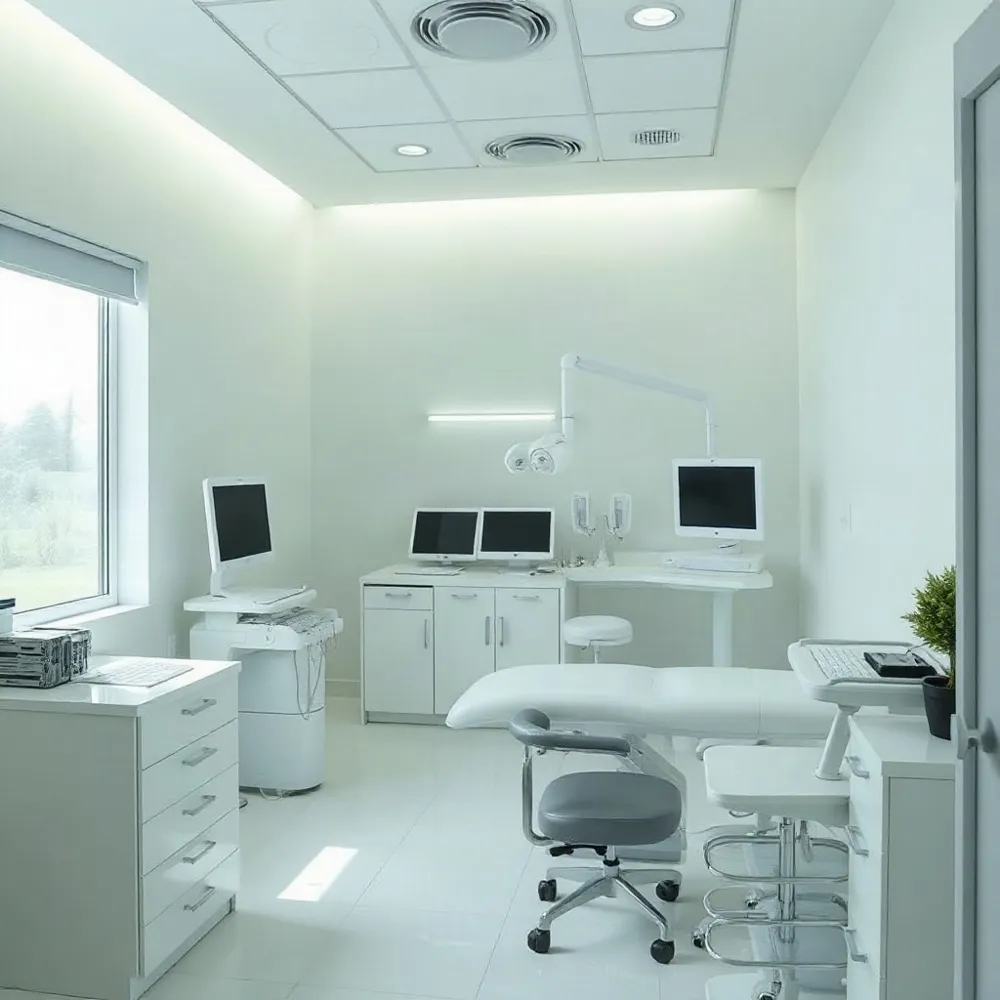
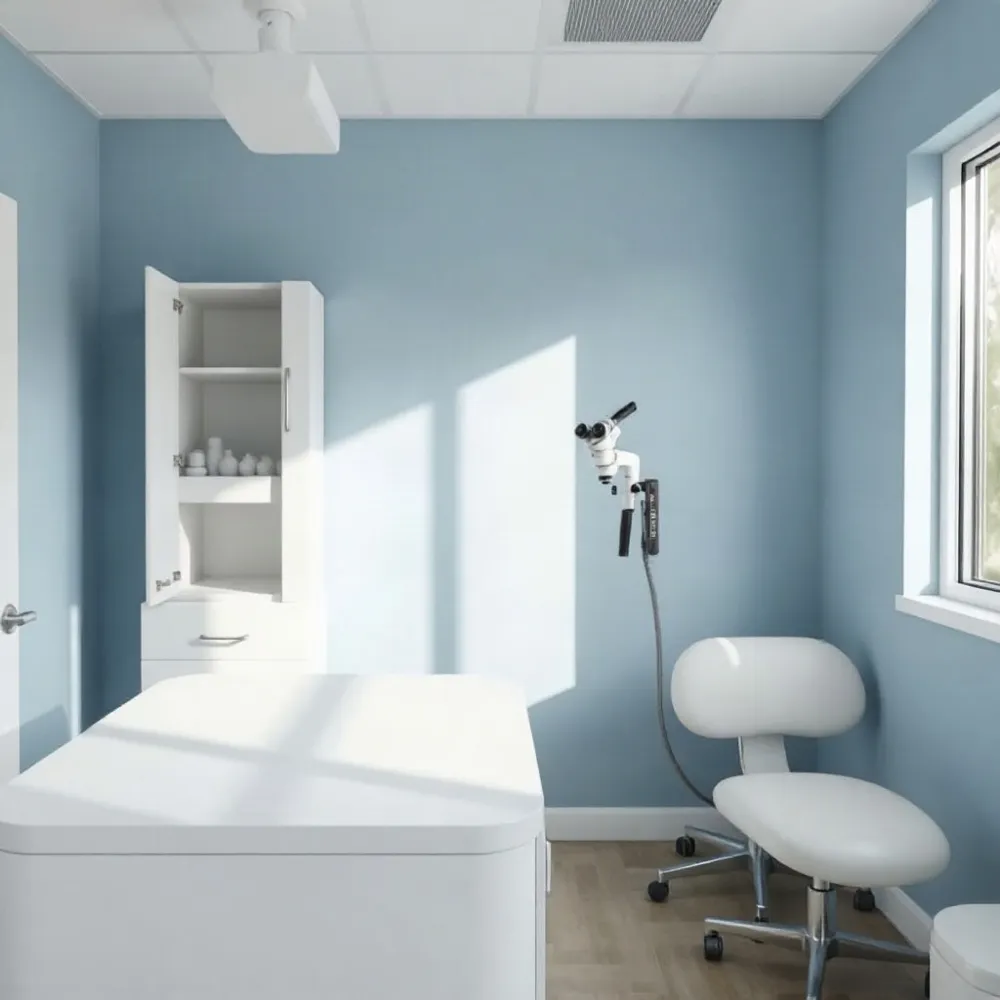
Mohs surgery is an outpatient procedure designed for comfort and precision, typically performed under local anesthesia to ensure the treatment area remains numb throughout the process. Patients remain awake during the surgery and generally do not need a hospital stay or a full surgical gown, unless the specific location of the procedure requires one for convenience and safety. Because the technique involves removing thin layers of tissue to be examined microscopically in real-time, the surgical environment is focused on efficiency and high-level accuracy. You should expect to spend part of the day at the office as the team repeats the cycle of tissue excision and microscopic review until all cancer is cleared. Our team prioritizes patient comfort throughout every step, ensuring you understand each phase of this specialized, minimally invasive procedure.
Wound Reconstruction and Aesthetic Outcomes
Once a Mohs micrographic surgery site is confirmed cancer-free, the priority shifts to repairing the surgical defect. At Dermatology Associates, PC, our team evaluates the wound's location, size, and depth to determine the most effective closure method. We focus on preserving both function and appearance, often tailoring the approach to match existing skin lines or anatomical contours for a refined final result.
Depending on the individual case, we employ several reconstruction techniques to optimize post-operative care:
- Second intention healing: Allowing the wound to close naturally for superficial areas.
- Sutures: Precise stitching to bring the wound edges together for faster healing.
- Skin grafts: Moving healthy tissue from another area to cover the defect.
- Skin flaps: Utilizing adjacent healthy skin to resurface the surgical site.
Achieving an excellent aesthetic outcome requires a delicate balance. While the primary goal is the complete removal of malignant tissue, our surgical dermatology experts also prioritize the final cosmetic appearance. Scars from the procedure typically mature over 12 to 18 months, during which time sun protection with SPF 30 remains essential for long-term health.
Post-Operative Care and Minimizing Scars
How can patients support the healing process and minimize scarring after Mohs surgery?
At Dermatology Associates, PC, achieving an optimal aesthetic outcome is a priority that continues long after the procedure is complete. To support proper healing and minimize scarring, it is essential to keep the surgical site consistently moist by applying a petrolatum-based ointment, as directed by your surgeon. Maintaining this hydrated environment promotes efficient skin cell regeneration and prevents the formation of hard scabs, which can otherwise impede the healing process and potentially increase the appearance of a scar.
Protecting the wound site is equally critical for successful recovery. Patients should follow their personalized post-operative care instructions, which typically include guidance on gentle cleaning and proper bandage management to protect the area from bacteria and environmental irritants. While minor redness, swelling, or inflammation are temporary side effects common after Mohs micrographic surgery, diligent care helps keep these symptoms manageable.
Long-term scar maturation is a gradual journey, often taking 12 to 18 months for the tissue to fully remodel and fade. During this time, the scar remains sensitive to sun exposure, which can cause permanent pigmentation changes. Utilizing sunscreen with an SPF of at least 30 is essential for any scar site as the skin matures. By combining consistent moisturization, site protection, and strict sun safety, patients can support their skin's health and achieve the best possible cosmetic result.
Safety and Long-term Skin Health
Prioritizing safety after Mohs micrographic surgery is essential for achieving optimal healing. At Dermatology Associates, PC, we provide personalized guidance to help you navigate recovery successfully. Most patients manage minor symptoms like swelling, bruising, or mild discomfort using cold compresses and over-the-counter pain relievers as directed by their clinical team.
What are the common post-operative care instructions following Mohs surgery?
Following your procedure, keep the surgical site clean and protected with the prescribed bandage to prevent infection. You must avoid strenuous exercise, heavy lifting, or bending that could strain the wound and increase the risk of bleeding. While most recovery is straightforward, you should monitor for potential signs of infection, such as fever, foul-smelling discharge, or increasing redness and heat around the site. If these symptoms appear, contact our office promptly.
Long-term skin health requires ongoing vigilance. Because a history of skin cancer indicates a higher predisposition for new lesions, regular skin self-checks are important. We also emphasize the necessity of keeping all follow-up appointments. These visits allow our team to assess your healing progress and develop a tailored skin cancer surveillance strategy, ensuring early detection and consistent care. Consistent sun protection, including using sunscreen with at least SPF 30, remains a non-negotiable part of your post-operative care to protect maturing scars from UV damage throughout the year.
Your Journey to Clearer Skin and Long-term Wellness
Mohs micrographic surgery stands as the gold standard for skin cancer treatment, offering a highly effective, tissue-sparing approach that achieves cure rates as high as 99%. By analyzing 100% of the tissue margins in real-time, this procedure ensures the complete removal of malignant cells while preserving the surrounding healthy skin that is vital for both function and aesthetics.
At Dermatology Associates, PC, we prioritize your long-term wellness through a commitment to evidence-based medicine and personalized care. Our team understands that every patient has a unique medical history and cosmetic goal, which is why we develop customized treatment plans that prioritize both clinical success and your comfort throughout the entire recovery process.
Achieving clear skin is a shared effort that extends beyond the surgical suite. Maintaining your health requires ongoing vigilance, including regular skin self-checks and scheduled follow-up appointments with our specialists. Because a history of skin cancer often indicates a predisposition for new lesions, professional screenings remain the most important tool for detecting new concerns early and ensuring your continued dermatologic health for years to come.