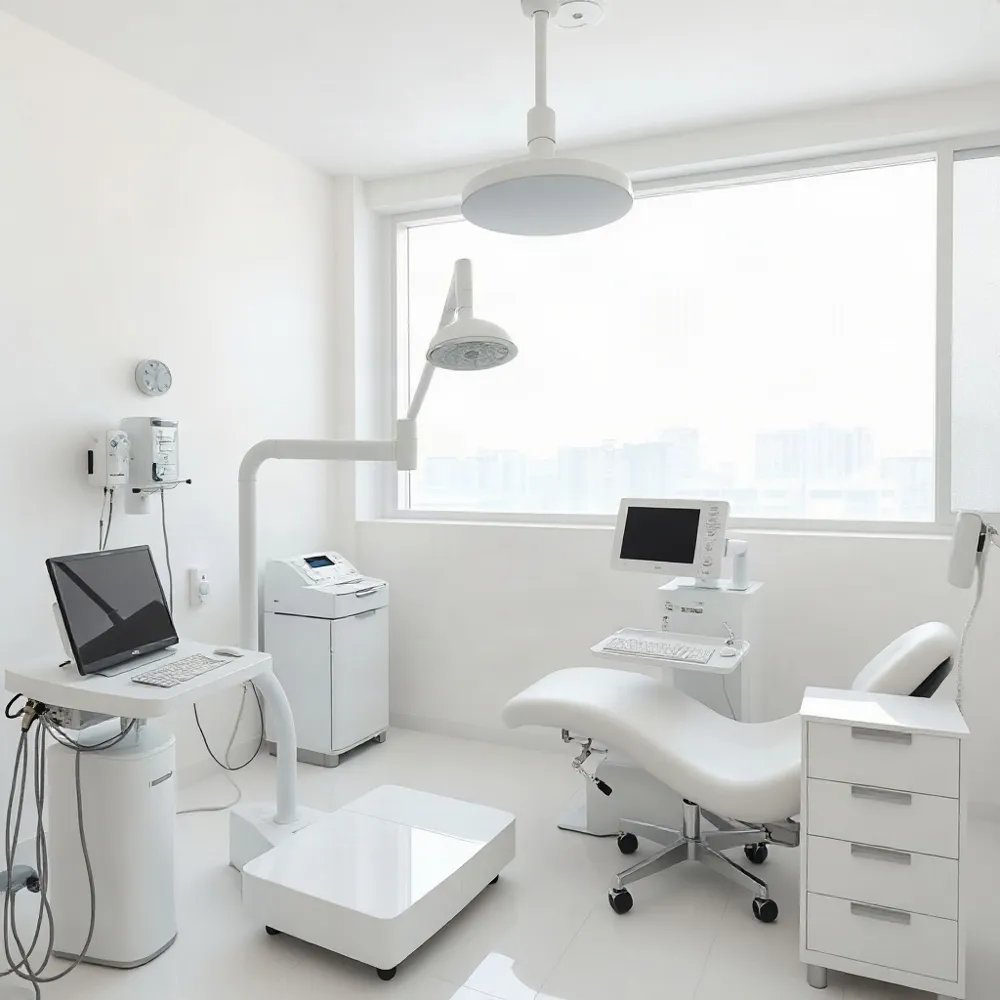
Why Mole Changes Deserve Attention
Moles, also called nevi, are common clusters of pigment-producing cells. Most are harmless, but a new spot or a change in an existing mole can deserve a closer look. A dermatologist can assess whether a spot needs monitoring or further evaluation. Cleveland Clinic’s overview of moles explains common mole features and when to seek care.
Warning signs are prompts to arrange an examination, not a way to diagnose skin cancer at home. Harmless spots can resemble cancer, and concerning spots do not always look alike. The American Academy of Dermatology’s ABCDE guide can help you recognize changes such as uneven shape, irregular borders, varied color, or evolution over time. A clinician must assess the spot.
Dermatology Associates, PC provides medical dermatology, including care for moles and skin cancer, for patients in Indianapolis, Batesville, and Tipton. If you notice a new or changing spot, professional assessment can clarify whether it needs follow-up.
Recognizing the ABCDE Warning Signs
 The ABCDE guide can help you notice features that deserve a dermatologist’s attention. It is a screening aid, not a way to diagnose skin cancer at home.
Asymmetry. The two halves of the spot do not look alike.
Border. The edge is irregular, scalloped, or blurred.
Color. The spot has several colors or uneven shades.
Diameter. A spot larger than about 6 millimeters, roughly a pencil eraser, may be concerning. Smaller spots can also warrant assessment.
Evolving. The spot changes in size, shape, color, or height over time.
The American Academy of Dermatology’s ABCDE guide also advises attention to spots that look different from a person’s other moles. This “ugly duckling” sign can matter even when a spot does not show every ABCDE feature.
Itching, bleeding, scabbing, or crusting are additional reasons to seek an assessment. None of these signs alone proves that a spot is cancerous, and early melanoma may not show familiar warning features. Avoid relying on photographs or self-diagnosis to decide whether a spot is safe.
At Dermatology Associates, PC, medical dermatology includes care for moles and skin cancer, with surgical services such as excisions for dysplastic nevi when indicated. If you notice a concerning spot, arrange an examination at a Dermatology Associates location in Indianapolis, Batesville, or Tipton.
When to Arrange a Dermatology Visit
 Arrange a dermatology visit if a new mole or spot appears in adulthood, an existing mole grows or changes, or one spot looks noticeably different from your others. A monthly skin check can help you notice changes, but the ABCDE signs are not a diagnosis and should not be used to rule out a concern at home. New, changing, or atypical spots merit professional assessment.
Seek assessment for persistent itching, tenderness, pain, bleeding, oozing, or crusting, and for a sore that does not heal. Friction or irritation can cause temporary symptoms, but symptoms that continue or worsen deserve a clinician’s attention. A changing or symptomatic spot should not be left until a routine skin check.
Size alone is not a reliable guide: a concerning spot can be smaller than 6 millimeters, while some harmless moles are larger. Dermatology Associates, PC evaluates moles and skin-cancer concerns as part of its medical dermatology care, with surgical services that include excisions for dysplastic nevi. Patients can seek an assessment in Indianapolis, Batesville, or Tipton.
How a Suspicious Mole Is Evaluated
A dermatology visit usually begins with questions about when you first noticed the spot and whether its size, shape, color, height, or symptoms have changed. The dermatologist then examines its appearance and may use a dermatoscope, a lighted magnifying tool that can reveal details not easily seen with the naked eye.
The clinician may compare the spot with nearby moles or with earlier photographs and measurements. If it does not appear clearly concerning, monitoring over time may be appropriate, with a later comparison to check for changes. At Dermatology Associates, PC, medical dermatology care includes evaluation of moles and skin cancer concerns, with surgical dermatology available when a procedure is indicated.
If the examination raises concern, the dermatologist may take a tissue sample or remove the spot for a biopsy. A pathologist examines the tissue under a microscope; this is how a diagnosis of skin cancer is confirmed. Not every unusual-looking mole needs removal, and the clinician recommends next steps based on the examination and any biopsy findings. Patients can seek an assessment at the practice’s Indianapolis location, as well as in Batesville and Tipton.
What Happens During a Full Skin Examination
A full-body skin examination usually begins with a conversation about your medical and skin history. The dermatologist may ask about spots that have changed and whether you or a family member has had skin cancer. This background helps guide the examination and identify areas that may need closer attention.
You may be asked to change into a gown so the clinician can examine your skin from scalp to soles. If you have questions about privacy or feel uncomfortable, raise them with the care team before the examination begins. Patients in Indianapolis, Batesville, and Tipton can ask their care team how to prepare.
The examination may include the scalp, back, feet, spaces between the toes, and skin beneath the nails, areas that can be difficult to check at home. A dermatologist may use a handheld magnifying tool called a dermatoscope to inspect a spot more closely.
If a spot looks unusual, the dermatologist may recommend monitoring it or discussing a biopsy for further evaluation. An irregular appearance does not automatically mean cancer; a biopsy can help determine what a spot is. Dermatology Associates, PC provides medical and surgical dermatology, including excisions for dysplastic nevi. The care team can explain any recommended next steps and answer questions during the visit.
Skin Cancer Can Appear Without a Mole
Yes. Skin cancer can begin in skin that previously looked normal, appearing as a new spot rather than a change in an existing mole. Many skin cancers first show up as new spots, and appearance alone cannot confirm whether a spot is cancerous.
Possible changes include a sore that does not heal, a rough or scaly patch, a firm or shiny bump, or a dark streak beneath a nail. These features do not establish a diagnosis, but persistent or unusual changes should be assessed. Some spots itch, hurt, or bleed; others cause no discomfort.
Melanoma can also appear on areas with little sun exposure, including the feet, and can affect people of every skin tone. At Dermatology Associates, PC, medical dermatology includes evaluation of moles and skin cancer concerns, with surgical care such as excisions for dysplastic nevi when indicated.
Patients in Indianapolis, Batesville, and Tipton can arrange an assessment for a persistent sore, unexplained nail change, or other skin change that seems unusual. A clinician can determine whether it needs monitoring or further evaluation.
New Moles and Changes Across Ages
Moles often develop during childhood and adolescence, though new spots may be noticed later in life. Genetics, sun exposure, and hormonal changes can affect their number or appearance. Most moles are harmless, but a spot that seems to appear suddenly may have been overlooked or may be another type of skin growth.
A new adult spot or a change in a mole’s size, shape, color, or texture is a reason to seek a dermatologist’s opinion, especially if it itches, hurts, bleeds, or looks unlike your other spots. Dermatology Associates, PC evaluates moles and skin concerns at its Indianapolis location, as well as in Batesville and Tipton.
When should a child’s mole be evaluated?
A mole may grow gradually in proportion to a child’s overall growth. Arrange an assessment if it changes quickly, grows out of proportion, or looks different from the child’s other moles. Irregular borders, several colors, or a raised, dome-shaped appearance are also worth discussing with a dermatologist.
Have a child’s mole checked promptly if it bleeds without an obvious injury, forms an open sore, or remains itchy or painful. Having many moles, including around 50 or more, is a reason to discuss individual risk and follow-up with a dermatologist, not a diagnosis. Dermatology Associates, PC provides medical dermatology assessments for children and adults in Indianapolis, Batesville, and Tipton.
When Mole Removal May Be Considered
 A dermatologist may recommend removing a mole when its appearance or changes call for closer evaluation. Removal can also be considered if a mole repeatedly rubs against clothing, becomes irritated, or causes discomfort. Some patients ask about removal for cosmetic reasons, but an examination first helps determine whether it is appropriate.
Depending on the mole and the reason for removal, a dermatologist may use a shave technique or surgical excision, typically with local anesthetic. The removed tissue may be sent to a laboratory for examination under a microscope. A biopsy can help determine whether a lesion is benign or needs further care. Suspicious moles should be assessed by a clinician.
Avoid trying to remove a mole at home with burning, freezing, or laser products. These methods can injure the skin, cause infection, and delay diagnosis if the spot is cancerous. Dermatology Associates, PC provides medical and surgical dermatology, including excisions for dysplastic nevi and removal of benign growths. Patients can discuss an evaluation in Indianapolis, Batesville, or Tipton.
Notice Changes and Seek Guidance
A monthly head-to-toe skin check can help you notice new or changing spots. Look beyond easy-to-see areas: check your scalp, back, feet, and the skin beneath your nails, using a mirror or asking someone to help where needed. Cleveland Clinic’s self-exam guidance explains how to check areas that can be easy to miss.
If you notice a spot worth watching, take a dated photograph in consistent lighting and include a ruler for scale. These records can help you describe changes at an appointment, but they cannot determine whether a spot is harmless or replace a dermatologist’s assessment. Not every change signals cancer, and appearance alone is not enough to diagnose it.
Arrange an evaluation if a spot is new, changing, itchy, bleeding, or otherwise concerning. Dermatology Associates, PC provides medical dermatology, including care for moles and skin cancer, in Indianapolis, Batesville, and Tipton. A clinician can assess the spot and advise whether monitoring or further evaluation is appropriate.