A Parent’s Guide to Eczema
Atopic dermatitis, often called eczema, is a common childhood condition that causes dry, itchy, inflamed skin. Symptoms may ease and return over time, and persistent itching can affect a child’s comfort, sleep, and family routines. Eczema is not contagious, and its appearance can vary with a child’s age and skin tone. Mayo Clinic’s overview of atopic dermatitis explains common symptoms and why they may flare.
There is no single care plan that suits every child. A clinician can help families choose skin care and treatment based on the child’s symptoms, age, affected areas, and response to previous care. The American Academy of Pediatrics’ treatment guidance emphasizes individualized, stepwise management.
Dermatology Associates, PC treats eczema and atopic dermatitis as part of its medical dermatology services. Families can seek care at the practice’s Indianapolis, Batesville, and Tipton locations.
What Atopic Dermatitis Means
 Atopic dermatitis, commonly called eczema, is a long-lasting inflammatory skin condition that causes dry, itchy, irritated skin. Symptoms often flare and then improve, sometimes leaving periods with few or no symptoms. It is not contagious and cannot spread from one person to another. Mayo Clinic’s overview of atopic dermatitis explains its recurring course and common symptoms.
“Dermatitis” is a broad term for skin inflammation, and different types have different causes. Contact dermatitis follows exposure to an irritant or allergen, while seborrheic dermatitis often affects the scalp. Atopic dermatitis is recognized by its recurring pattern and its links to skin-barrier disruption and inflammation. A clinician can distinguish eczema from other conditions that may look similar.
The exact cause is not fully understood. Inherited susceptibility, a weakened skin barrier, immune activity, and environmental exposures may all contribute. Cold or dry weather, hot baths, soaps, detergents, and some fabrics can aggravate symptoms, though triggers vary between children. Family histories of eczema, asthma, hay fever, or allergies may help inform an assessment, but do not confirm a diagnosis.
Families seeking an evaluation can consult a dermatologist at Dermatology Associates, PC, which provides medical dermatology for patients of all ages in Indianapolis, Batesville, and Tipton.
Recognizing Symptoms and Triggers
Common signs of childhood atopic dermatitis include dry, scaly skin, intense itching, and patches that look swollen or irritated. Repeated scratching can leave skin cracked, raw, or thickened. The rash may appear in a few spots or across different areas, and symptoms can flare and settle over time. Mayo Clinic’s overview of eczema symptoms explains that its appearance can vary.
Location often changes with age. Infants may have patches on the face, scalp, neck, elbows, or knees, while older children commonly develop them inside the elbows, behind the knees, or on the hands, wrists, and ankles. On darker skin, eczema may look brown, purple, or gray rather than red. After a flare clears, lighter or darker patches can remain for months.
Dry air, heat, sweat, rough fabrics, fragranced products, soaps, and detergents can worsen irritation, but triggers differ from child to child. Keeping a simple note of flare timing, activities, clothing, and products may help reveal patterns. The American Academy of Pediatrics’ treatment guidance recommends tailoring care to the child and their symptoms.
Food is not automatically the cause of a flare. If a reaction seems connected to a particular food, discuss it with the child’s clinician before changing their diet. Families in Indianapolis, Batesville, and Tipton can seek an assessment from Dermatology Associates, PC when a rash persists or its cause is uncertain.
How Clinicians Diagnose Eczema
A clinician usually diagnoses childhood eczema by reviewing the child’s symptoms and medical and family history, then examining the skin. There is no single routine test that confirms atopic dermatitis; the assessment is based on the overall pattern of symptoms and findings.
During the visit, the clinician may ask when the rash began, whether itching returns, where patches appear, and whether they worsen after contact with particular products or fabrics. They may also ask what treatments have already been tried. Eczema can look different across ages and skin tones, so the skin examination and history help guide the assessment.
Blood or skin tests are not usually needed to diagnose atopic dermatitis. A clinician may consider testing if another skin condition or a specific allergy is suspected, rather than treating test results alone as proof of an eczema trigger.
Other rashes can resemble eczema, so seek an assessment if the diagnosis is uncertain or symptoms are unusual, persistent, or getting worse. Dermatology Associates evaluates children at its Indianapolis, Batesville, and Tipton locations, where clinicians can assess the skin and discuss an individualized care plan.
Building a Gentle Daily Skin Routine
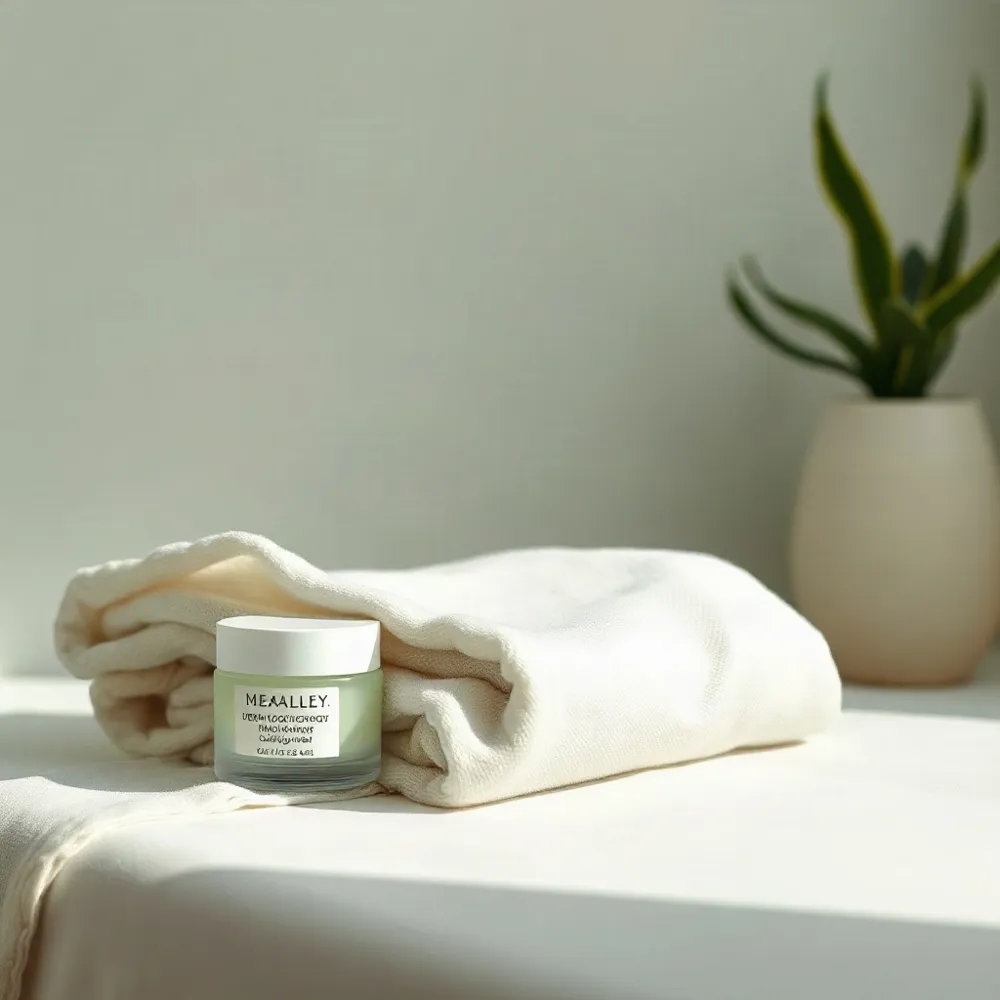 Regular moisturizing helps relieve dryness and support the skin barrier. Thick creams and ointments may hold moisture better than lotions, though the best choice is one your child tolerates and your family can use consistently. Choose a fragrance-free product, and ask a clinician for advice if it stings or seems to irritate the skin. The American Academy of Pediatrics’ eczema treatment guidance describes moisturizers as a foundation of care.
Keep baths brief and use warm, not hot, water. A gentle, fragrance-free, non-soap cleanser is usually best when cleansing is needed. Pat the skin with a soft towel rather than rubbing. Then apply moisturizer promptly, ideally within three minutes, while the skin is still damp. This timing can help limit moisture loss after bathing. The American Academy of Dermatology’s child eczema tips also recommend gentle bathing and regular moisturizing.
Soft, breathable clothing, a comfortably cool environment, and short, smooth fingernails may reduce rubbing, overheating, and skin damage from scratching. For over-the-counter care, ask a clinician or pharmacist before using hydrocortisone on a child, especially on the face or other sensitive areas, and follow the product label. Antihistamines are not routinely recommended for eczema itch; use them only with clinician advice.
If symptoms worsen, appear infected, or persist despite home care, seek medical guidance. Families can consult Dermatology Associates, PC in Indianapolis, where the practice treats eczema and atopic dermatitis with individualized care.
Treatment Plans for Flares and Facial Eczema
Treatment depends on a child’s age, eczema severity, symptoms, affected skin areas, and response to earlier care. Regular moisturizing and gentle skin care remain part of the plan, while a clinician may adjust treatment when a flare develops.
For flares, topical corticosteroids are a common first choice to reduce inflammation. The clinician selects the medicine’s strength and duration based on the child and the treatment site. Follow the instructions rather than changing or stopping a prescribed treatment without medical advice. The American Academy of Pediatrics’ treatment guidance also describes other prescription options and wet-wrap therapy for selected cases.
Facial skin, especially near the eyes, needs extra care. Use a gentle, fragrance-free cleanser and bland moisturizer, and avoid known irritants. Apply medicated creams to the face only as directed by a clinician, since the appropriate treatment depends on the child and location. Seek medical advice if a facial rash persists, worsens, or does not improve with skin care.
More severe or persistent eczema may call for other prescription treatments, wet-wrap therapy, or specialist care. Dermatology Associates, PC provides individualized medical dermatology for children and families in Indianapolis, Batesville, and Tipton.
Arrange prompt medical assessment for pus, oozing, yellow or honey-colored crusts, painful blisters, or a rash that is spreading. Fever alongside a rash that appears infected needs urgent attention. The American Academy of Dermatology’s guidance on seeing a dermatologist can help families understand when specialist input may be appropriate.
Supporting Sleep and Family Decisions
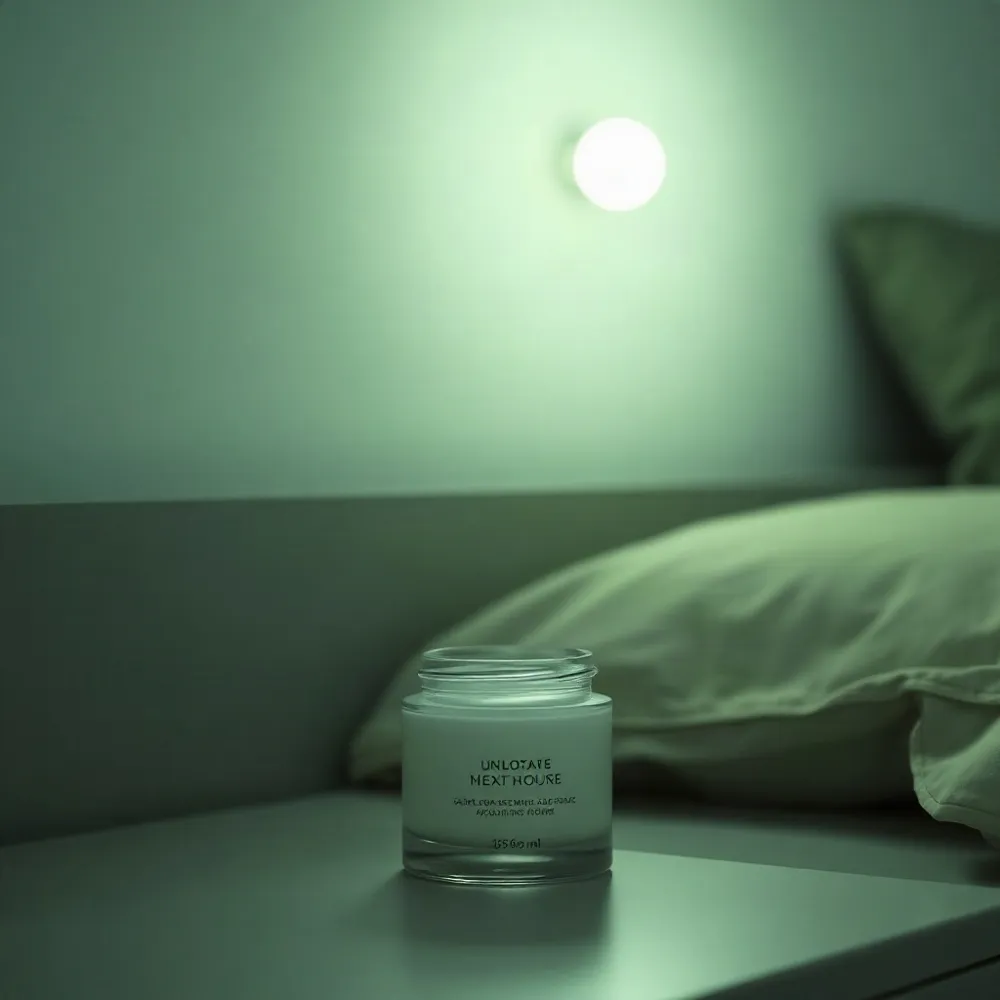 Nighttime itching can make rest difficult for children and parents. A bedtime routine may help: apply a fragrance-free moisturizer, keep the room comfortably cool, and choose soft, loose sleepwear. Keep nails short and smooth, and try cotton gloves if your child tolerates them. A calm, consistent sleep schedule can also support better rest. The American Academy of Pediatrics’ eczema treatment guidance includes sleep and caregiver support as part of care.
How can parents help a child who scratches eczema at night?
Do not start medicines or wet wraps without clinical advice. Contact your child’s clinician if itching repeatedly interrupts sleep, the skin becomes broken or infected, or the current plan is not helping. Dermatology Associates, PC provides medical dermatology care for eczema at its Indianapolis, Batesville, and Tipton locations.
Can foods cause or worsen eczema in children, and should families avoid certain foods?
Some children have food allergies, but eczema alone does not mean a child needs to avoid foods. Foods are rarely eczema triggers, and unnecessary restrictions can affect nutrition. Discuss a suspected reaction with your child’s clinician before changing their diet or pursuing allergy testing. The University of Chicago Medicine’s pediatric eczema guidance explains that foods are rarely the cause.
Can atopic dermatitis be cured, or can children outgrow it?
There is no guaranteed permanent cure, but treatment can control symptoms and reduce flares. Many children improve as they grow, although the course varies and symptoms can return. Ongoing skin care and an individualized plan can help manage changes over time. Families can read more about long-term eczema management. Seek medical advice for persistent, severe, widespread, sleep-disrupting, or possibly infected eczema.
A Practical Plan for the Long Term
Eczema may return, so a manageable routine matters more than expecting symptoms to disappear permanently. Gentle skin care and treatment chosen for a child’s age, affected areas, and symptoms can help control recurring flares. The American Academy of Pediatrics’ treatment guidance emphasizes individualized care and clinician guidance.
Ask a healthcare professional for help if a rash persists or worsens, disrupts sleep, or develops signs of infection such as oozing or yellow crusts. Families can seek dermatology care through Dermatology Associates, PC in Indianapolis, Batesville, and Tipton.