Why Maintaining Your New Shape Matters
Reaching a goal weight after a long weight-loss journey brings immense health benefits. Significant weight loss can reverse conditions like type 2 diabetes and sleep apnea and lower the risk of heart disease and certain cancers. Yet for many people, the outcome also includes excess sagging skin that exercise and diet alone cannot correct.
Loose skin is not just a cosmetic concern. It can cause rashes, fungal infections in skin folds, limit mobility, make exercise uncomfortable, and affect body image and self-esteem. Addressing this remaining skin is an essential final phase of the weight-loss transformation, helping patients feel as good as they look.
Body contouring is a plastic-surgery specialty that removes excess sagging skin and tightens the supporting tissue beneath it. Procedures such as abdominoplasty, arm lifts, thigh lifts, and lower-body lifts target the areas most affected by dramatic weight loss — typically the abdomen, arms, thighs, breasts, and buttocks. The result is smoother, firmer body contours that complement the patient's new shape.
For patients who are not ready or do not need surgery, advanced non-surgical options can improve mild to moderate skin laxity and reduce stubborn fat pockets. Radiofrequency treatments, cryolipolysis, ultrasound therapy, and laser skin tightening stimulate collagen production and destroy fat cells with minimal downtime. When performed by a qualified provider, these modalities offer a bridge between lifestyle measures and more invasive procedures.
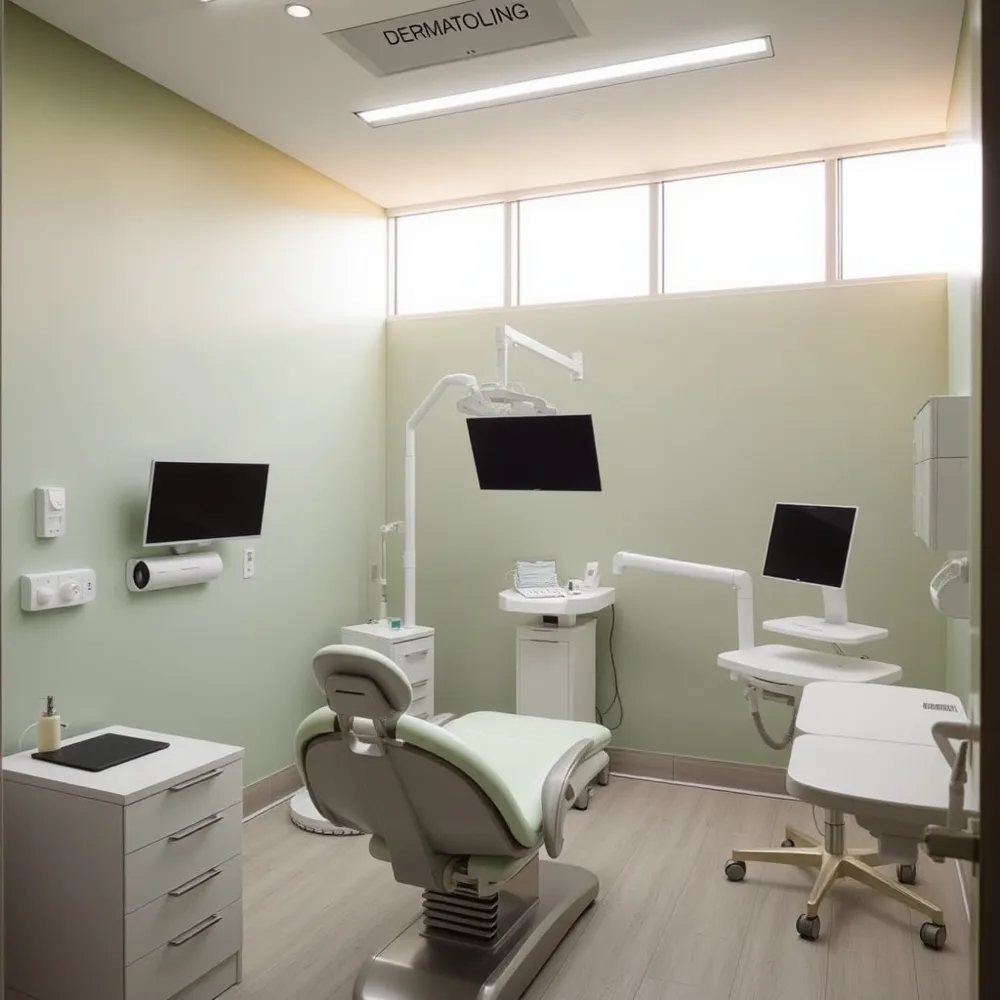
Dermatologists play an important role in the body-contouring continuum. They can assess skin quality, recommend appropriate non-surgical treatments, and guide patients toward surgical options when needed. The practice at Dermatology Associates, PC brings together comprehensive medical dermatology, advanced laser and radiofrequency technologies such as Morpheus8 and BodyTite, and close collaboration with plastic surgeons. This integrated approach ensures that each patient receives a personalized plan that fits their goals, skin type, and recovery preferences.
Maintaining the results of any body-contouring procedure requires a stable weight, good nutrition, regular exercise, and diligent skin care. The investment in contouring is most rewarding when it is supported by a healthy lifestyle that preserves the new silhouette for years to come.
Rapid Weight Loss and the Challenge of Loose Skin
 Rapid weight loss significantly increases the risk of loose skin because the skin has less time to contract and adapt to the body's changing size. Factors such as older age, genetics, and the duration of being overweight further contribute to skin laxity, as the elastic fibers and collagen in the dermis lose their ability to snap back. Younger individuals with higher collagen reserves generally experience less pronounced sagging, while rapid loss often leaves visible folds, particularly on the abdomen and arms.
Minor skin laxity after weight loss may gradually improve over 12 to 24 months as collagen remodeling occurs, but the degree of improvement is limited. For moderate to severe loose skin, the skin often lacks enough elasticity to fully retract on its own, especially after significant or rapid weight loss. The timeframe varies based on factors such as age, genetics, and the amount of weight lost, with younger individuals typically seeing better natural improvement.
If loose skin persists beyond two years or causes physical discomfort or hygiene issues, medical or surgical intervention may be the most effective solution. Our dermatologists at Dermatology Associates, PC can help assess your skin's potential for natural improvement and guide you to the best treatment options for lasting results.
Natural Ways to Tighten Skin After Weight Loss
 After significant weight loss, the body's natural ability to produce collagen and elastin often cannot keep pace with the rapid reduction in volume. While surgery or non-invasive procedures offer definitive solutions for moderate to severe laxity, there are evidence-based lifestyle measures that support skin tightening from within. These strategies work best for mild to moderate skin laxity and as a complement to professional treatments.
Nutrition for Collagen and Elastin
A nutrient-dense diet is the foundation of natural skin tightening. Collagen synthesis requires adequate vitamin C, found in citrus fruits, bell peppers, and strawberries, as well as the amino acids proline and glycine from protein-rich foods like lean meat, fish, eggs, and legumes. Vitamin A (from leafy greens and orange vegetables) supports skin cell turnover, while vitamin E and omega-3 fatty acids from nuts, seeds, and fatty fish protect skin cells from oxidative damage that breaks down collagen.
Hydration and Topical Retinol
Skin cells are roughly 64% water, so drinking at least two liters of water daily helps maintain skin plumpness and resilience. Topical retinoids, such as over-the-counter retinol creams or prescription-strength tretinoin, have been shown to modestly stimulate fibroblast activity and boost collagen production in the dermis. While no topical product can permanently "tighten" loose skin, consistent use of a retinoid can improve texture and firmness over several months.
Supplements and the 3-3-3 Rule
Oral supplements like collagen peptides, vitamin C, hyaluronic acid, and omega-3s may offer modest support for skin hydration and structure. However, they work best when paired with a balanced diet rather than as a standalone solution. The 3-3-3 rule provides a practical framework: three balanced meals daily with protein, fiber-rich plants, and colorful or fermented foods, plus three short movement bouts of eight to fifteen minutes each. This pattern promotes gradual weight stabilization, which is critical for allowing skin to retract naturally. Consistent sun protection, smoking avoidance, and adequate sleep round out a comprehensive natural skin-tightening approach.
Non‑Surgical Solutions for Loose Skin
For patients with mild to moderate skin laxity after weight loss, non‑surgical treatments can improve firmness and texture without the downtime of surgery. These procedures work by stimulating the body's own collagen and elastin production, leading to gradual tightening over several months.
Radiofrequency (RF) therapy delivers controlled heat to the deeper layers of the skin to trigger collagen remodeling and tighten loose tissue. Ultrasound‑based treatments, such as Ultherapy, use focused sound waves to lift and firm the skin by targeting the foundational layer beneath the surface. Fractional laser resurfacing also promotes new collagen growth, helping to improve skin texture and reduce laxity. An advanced option combining microneedling with radiofrequency energy is Morpheus8, which penetrates up to 5mm into the dermis to firm skin and improve texture for mild to moderate sagging. Dermatology Associates offers a full range of these non‑surgical tightening technologies, giving patients an effective middle ground between topical care and surgery.
Non‑Surgical Fat Removal vs. Full Body Contouring
Non‑surgical fat removal is a specific category within body contouring that uses devices such as cryolipolysis (CoolSculpting) to freeze and destroy fat cells without incisions. These treatments reduce only fat, not loose skin. In contrast, surgical body contouring removes both excess skin and fat, producing more dramatic reshaping but requiring general anesthesia and a longer recovery. Non‑surgical fat removal works best for patients at a stable, near‑ideal weight who have stubborn fat pockets that resist diet and exercise. Multiple sessions are typically needed to achieve an average fat reduction of 20–25% per treated area, with results visible over weeks to months. Choosing a qualified provider is essential for safety and effectiveness.
| Treatment | How It Works | Best For | Expected Results |
|---|---|---|---|
| Radiofrequency (RF) | Heats dermis to stimulate collagen remodeling | Mild to moderate laxity, skin texture | Gradual tightening over 3–6 months |
| Ultrasound (Ultherapy) | Focused sound waves lift and tighten deeper skin layers | Skin lifting on face, neck, and body | Single session, results over 2–3 months |
| Fractional Laser Resurfacing | Creates micro-injuries to trigger collagen production | Texture, fine lines, mild laxity | Series of 3–5 sessions, gradual improvement |
| Morpheus8 | RF energy delivered via microneedling (up to 5mm depth) | Moderate laxity, acne scars, skin firmness | Visible tightening after 3 sessions |
| Cryolipolysis (CoolSculpting) | Freezes fat cells, which are cleared by the body | Localized fat pockets, not for loose skin | 20–25% fat reduction per session |
When Surgery Is the Right Path
 For patients who have lost a substantial amount of weight—often 100 pounds or more—non-surgical treatments may not be sufficient to address moderate to severe skin laxity. At this stage, surgical body contouring becomes the primary option for removing excess sagging skin and restoring a smoother, more toned silhouette.
Excess skin that persists after weight loss is more than a cosmetic concern. It can cause chronic irritation, rashes, and fungal infections in skin folds, limit mobility, make exercise uncomfortable, and interfere with daily activities such as walking or urination. When these functional problems arise, surgery is often the most effective solution.
Candidacy and Timing
Ideal candidates for body-contouring surgery have maintained a stable weight for at least 6 to 12 months, are in good overall health, and have realistic expectations about the outcomes. Surgeons typically recommend that patients be within 10 to 15 pounds of their goal weight and have a body mass index (BMI) below 30 to minimize surgical risks. Common procedures include abdominoplasty (tummy tuck), arm lift, thigh lift, and lower body lift, each designed to remove sagging skin and tighten underlying tissue.
Because body-contouring surgeries are major operations performed under general anesthesia, pre-operative preparation is essential. Patients may need to stop smoking at least six weeks before surgery, optimize nutrition, and manage chronic health conditions such as diabetes or hypertension to reduce complication risks.
Cost Ranges and Insurance Coverage
The cost of body contouring varies widely depending on the procedure, surgeon, and geographic location. A single-area surgery such as an arm lift or tummy tuck may cost between $5,000 and $15,000, which includes surgeon fees, anesthesia, facility charges, and post-surgical garments. Multiple procedures performed in a single session will increase the total cost but can reduce overall recovery time.
Most health insurance plans do not cover body contouring for cosmetic purposes. However, they may provide coverage when surgery is deemed medically necessary. For example, a panniculectomy to remove an overhanging abdominal apron that causes recurrent rashes, infections, or hygiene difficulties may be partially or fully covered. To qualify, the surgeon must document the functional problems caused by excess skin, and pre-authorization is typically required.
For purely cosmetic procedures, patients often use healthcare flexible spending accounts (HCFSAs), health savings accounts (HSAs), medical credit cards, or third-party financing plans that offer introductory 0% APR periods. A pre-operative consultation is the best time to review coverage details, obtain a detailed cost estimate, and explore available payment options.
Preparing for Your Body Contouring Journey
Success with body contouring starts long before the day of surgery. Proper preparation reduces complications, speeds recovery, and improves the final result. Patients who invest time in pre-operative planning consistently report better outcomes and higher satisfaction.
Choosing a Board-Certified Surgeon
The single most important decision is selecting a surgeon with advanced training and experience in post-weight-loss body contouring. Board certification in plastic surgery ensures the surgeon has completed rigorous training and adheres to safety standards. Patients should review before-and-after photos of similar cases, ask about complication rates, and confirm hospital privileges. A surgeon who specializes in post-bariatric contouring will have the skills to plan incisions that minimize visible scarring and achieve a natural, balanced shape.
Pre-Operative Health Optimization
Optimizing health before surgery lowers risk and supports healing. Patients are typically advised to reach and maintain a stable weight — within 10 to 15 pounds of their goal — for at least six months before surgery. Weight fluctuations after contouring can stretch the skin and undo the results.
Nutrition plays a critical role. Adequate protein intake provides the amino acids needed for wound healing and collagen synthesis. Smoking cessation is mandatory: nicotine reduces blood flow to tissues, delays healing, and dramatically increases the risk of wound complications. Most surgeons require patients to stop smoking six to eight weeks before surgery and will not operate on active smokers.
Medical clearance is also essential. Conditions such as high blood pressure and diabetes must be well-controlled before the procedure. Blood-thinning medications and herbal supplements are typically stopped two weeks prior to surgery to reduce bleeding risk.
Staging Procedures and Recovery Planning
Many patients require multiple body contouring procedures to address all areas of concern. Because total operating time is usually limited to six to eight hours for safety, surgeons often stage procedures three to six months apart. A typical plan might combine a lower body lift with thigh lift in one session, followed by brachioplasty and mastopexy in a later session.
Recovery expectations vary by procedure. Patients having a single area treated may return to desk work in one to two weeks; those undergoing multiple or extensive procedures should plan for three to six weeks off work. Compression garments are worn for six to eight weeks to control swelling and support healing. Surgical drains, if placed, remain for one to three weeks.
The Role of Dermatology Associates in Your Journey
Comprehensive care does not end with the surgeon. Dermatology Associates, PC plays a valuable role both before and after surgery. Before surgery, a dermatologic evaluation can assess skin quality, identify areas of chronic irritation in skin folds, and recommend pre-treatment to improve skin health. After surgery, ongoing skin care — including scar management with silicone sheets, proper moisturization, and sun protection — helps optimize the appearance of incisions and maintain skin firmness.
Patients at Dermatology Associates also have access to non-surgical adjuncts such as radiofrequency microneedling and laser treatments, which can further improve skin texture and firmness after recovery. Coordinating surgical and dermatologic care under one practice helps patients achieve a smoother, more cohesive result.
Post‑Procedure Care and Maintaining Your New Shape
Immediately after body‑contouring surgery, you will likely wear compression garments for six to eight weeks to minimize swelling and support the healing tissues. Surgical drains may be placed to remove excess fluid, typically staying in place for one to three weeks. Managing swelling with elevation and gentle walking helps speed recovery.
Scar care begins as soon as incisions close. Silicone sheets or gels can flatten and soften scars, while daily broad‑spectrum sunscreen (SPF 30 or higher) prevents UV‑induced discoloration. Scars continue to mature for 12–18 months, so consistent protection is essential.
Maintaining a stable weight within 10–15 pounds of your goal is critical to preserving surgical results. Continue a balanced diet rich in protein, omega‑3s, and vitamins C and E to support collagen production, and incorporate strength training to build muscle that keeps skin firm.
Regular follow‑up visits with your provider allow monitoring of healing and skin health. At Dermatology Associates, adjunct non‑surgical therapies such as Morpheus8 radiofrequency microneedling can further tighten skin and improve texture, complementing your surgical outcome and helping you maintain your new shape long term.
Your Path to a Confident, Tighter You
Whether you choose natural approaches, non‑surgical treatments, or surgical contouring, the right path depends on your skin laxity, health, and goals. A thorough evaluation is essential to match you with the most effective options.
At Dermatology Associates, PC, Dr. Sonya F. Campbell Johnson and her team provide personalized assessments that consider your unique anatomy and lifestyle. Schedule a consultation to discuss your concerns and take the next step toward a confident, tighter you.