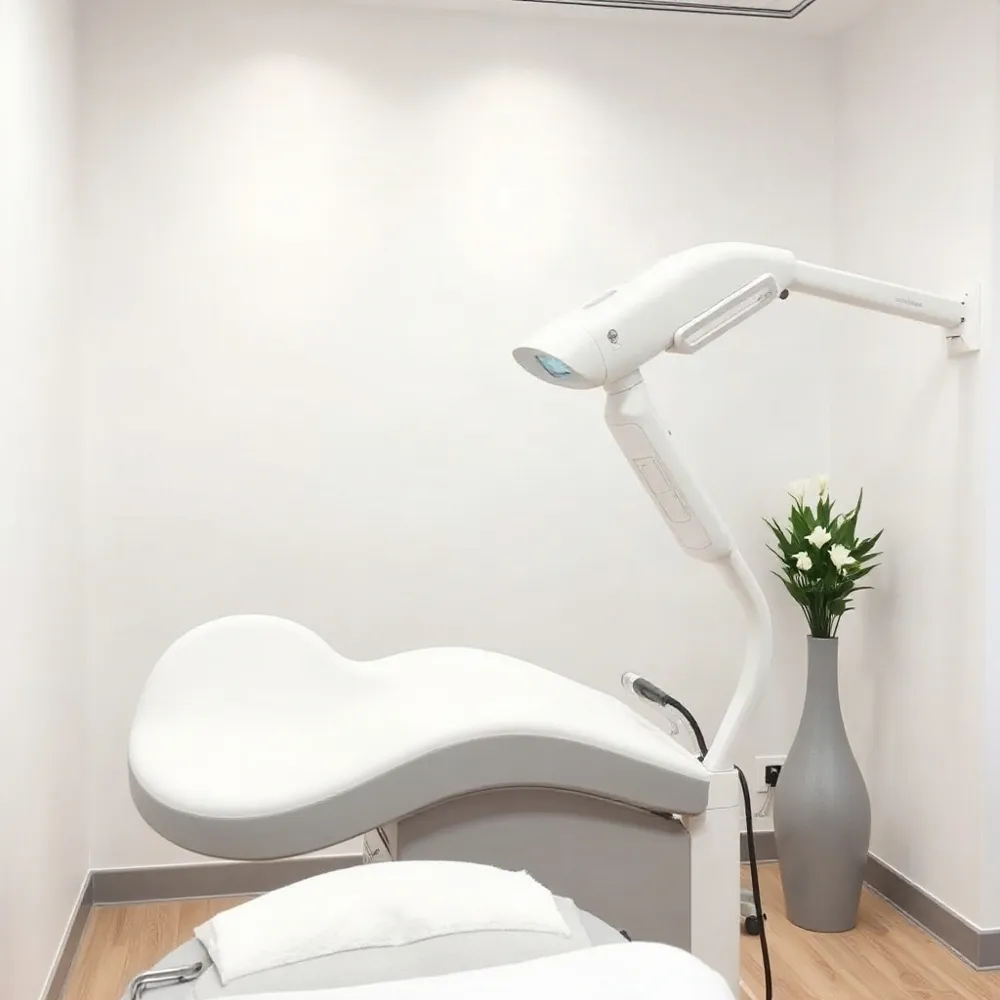
A More Focused Approach to Body Contouring
BodyTite and traditional liposuction are options for addressing localized fat and refining body contours. Neither is a substitute for weight loss, and neither guarantees a particular shape. The right approach depends on what a patient wants to change and how their body may respond.
The main distinction is that liposuction focuses on removing fat, while BodyTite adds radiofrequency energy intended to tighten skin as well as reduce fat. This can matter when loose skin is part of the concern, but the best fit depends on factors such as skin quality, fat distribution, health, and recovery preferences.
At Dermatology Associates, PC, body-contouring options include both liposuction and BodyTite, with treatment planning shaped around individual goals and concerns. Patients from Indianapolis, Batesville, and Tipton can discuss which approach may be appropriate and what results and limitations to expect.
How BodyTite Differs From Liposuction
 The main difference is that BodyTite pairs fat reduction with radiofrequency energy intended to tighten tissue. Traditional liposuction focuses on removing fat, so skin laxity may remain after treatment.
BodyTite uses radiofrequency-assisted lipolysis (RFAL). A small cannula delivers energy beneath the skin, heating and loosening targeted fat so it can be removed. The heat may also encourage tissue contraction and collagen production, adding a skin-tightening component. A clinical review of BodyTite describes this radiofrequency-assisted approach, though individual results can vary.
Traditional liposuction uses a cannula and suction to remove fat from specific areas. It may be considered when greater fat-volume reduction is the goal, while BodyTite may be discussed when modest fat reduction and some skin contraction are both priorities. Neither procedure is a weight-loss method, and neither guarantees a particular contour.
At Dermatology Associates, PC, BodyTite and liposuction are offered as body-contouring options, with treatment planning based on a patient’s goals, anatomy, and health. The American Society of Plastic Surgeons’ liposuction guidance also emphasizes individualized goals and notes that skin contraction after liposuction is limited.
Candidacy, expected changes, and recovery differ from person to person. Patients in Indianapolis, Batesville, or Tipton can discuss which approach may fit their concerns during a clinical consultation.
Who May Consider Each Procedure
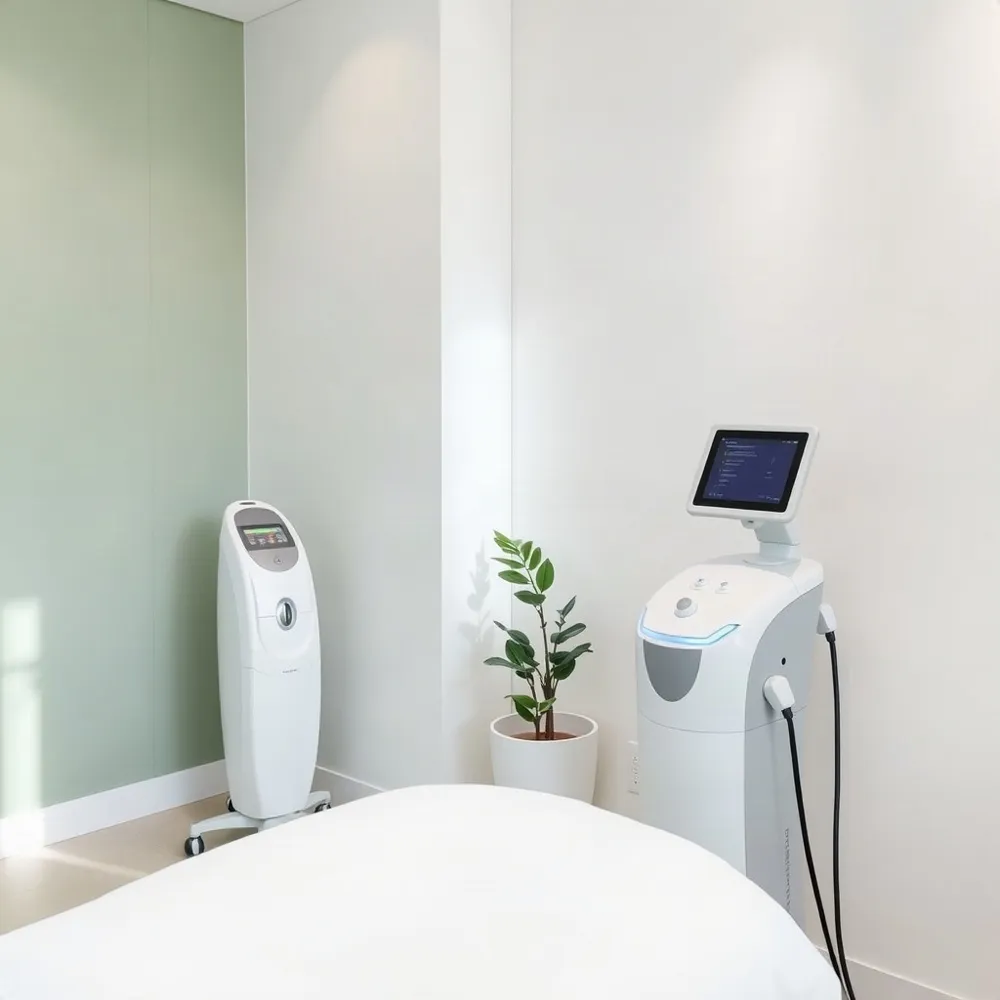 People who are generally healthy, near a stable weight, and bothered by localized fat that persists despite diet and exercise may wish to discuss contouring options. Liposuction is intended to remove targeted fat, not to treat overall weight, and ASPS liposuction candidacy guidance emphasizes personal goals and realistic expectations.
ASPS describes typical liposuction candidates as adults within 30% of their ideal weight who have firm, elastic skin and good muscle tone. This is general guidance, not a stand-alone eligibility test. Good overall health and nonsmoking and non-vaping status are also considerations, but a clinician must assess each person’s health and circumstances.
Skin elasticity, the amount and location of fat, and the area being treated can affect which procedure may fit a person’s goals. Liposuction focuses on fat removal, while BodyTite adds radiofrequency-assisted skin tightening and may be considered when loose skin is also a concern. Neither option is right for everyone.
A consultation should review medical history, preferences, potential benefits, limitations, and risks before a treatment plan is considered. Dermatology Associates, PC offers liposuction and BodyTite as part of its body-contouring services, with individualized planning for patients in Indianapolis, Batesville, and Tipton.
Treatment Areas and Expected Changes
BodyTite may be considered for localized fat and loose skin on the abdomen, arms, and thighs. The team at Dermatology Associates, PC also assesses other areas, such as the flanks, based on a patient’s anatomy and goals.
The procedure uses radiofrequency-assisted lipolysis (RFAL) to target fat while encouraging tissue tightening. The aim is to refine contours, not to reduce overall body weight. A clinical review of BodyTite describes its use for body contouring, though individual outcomes depend on the patient and treatment plan (clinical review of BodyTite).
The treated area may look different as swelling settles and healing progresses. Skin tightening can continue over the following months as collagen remodels, so an early view may not reflect the eventual contour. The timing and degree of change vary; no single treatment area or technique guarantees a particular result.
Skin quality, the amount and location of fat, and individual healing all shape what may be achievable. At Dermatology Associates’ Indianapolis practice, a consultation can help clarify whether BodyTite suits a patient’s concerns and what changes are realistic.
How Long Contouring Results May Last
BodyTite results may last for years, but no specific duration can be guaranteed. Fat cells removed from a treated area do not regenerate in the same way, though remaining fat cells can enlarge if weight increases. The American Society of Plastic Surgeons’ liposuction guidance notes that liposuction targets localized fat rather than serving as a weight-loss method.
Skin and body shape continue to change with age, weight fluctuations, and shifts in skin quality. Radiofrequency-stimulated collagen remodeling is gradual, so firmness may continue to develop over several months rather than appearing immediately. A clinical review of radiofrequency-assisted liposuction provides evidence on the procedure, but individual results and their duration can differ.
Stable weight and following the treating clinician’s aftercare instructions may help support contouring results, without ensuring permanence. At Dermatology Associates, PC, BodyTite is one option used to address localized fat and loose skin; treatment planning considers a patient’s goals and circumstances. Patients in Indianapolis, Batesville, or Tipton can discuss realistic expectations for the areas they want treated.
Recovery and Aftercare Considerations
 Recovery after BodyTite or liposuction depends on the treatment area, the extent of the procedure, and individual healing. Early effects can include swelling, bruising, tenderness, and a feeling of tightness. These procedures are not weight-loss treatments, and recovery expectations should be based on the specific plan.
A clinician may recommend a compression garment to support the treated area and gentle walking as recovery begins. Instructions on wound care, compression use, and activity limits should be followed as provided. Swelling typically peaks in the first few days and gradually subsides over the following weeks. Most patients return to normal activities within a week, though strenuous exercise may need to wait several weeks. The practice serves patients in Indianapolis, Batesville, and Tipton, and follow-up care can be arranged at the location most convenient for you.
Risks and Important Limitations
BodyTite is minimally invasive, but it is still a medical procedure and is not risk-free. Temporary swelling, bruising, tenderness, and discomfort may occur during recovery.
Potential complications include infection, bleeding, heat-related tissue injury, uneven contours, changes in skin sensation, and scarring. A clinical review of radiofrequency-assisted liposuction discusses the procedure and its reported outcomes, but research cannot predict an individual patient’s result or eliminate procedural risks.
The degree of fat reduction and skin tightening varies. Improvement may be limited or less noticeable than expected, and BodyTite cannot guarantee that loose skin will tighten to a particular degree. Neither BodyTite nor liposuction is a weight-loss method; liposuction candidate guidance likewise describes treatment as focused on specific fat deposits.
Dermatology Associates, PC offers BodyTite and liposuction, with treatment planning based on individual goals and concerns. A qualified clinician should review health history, the treatment area, and other factors that may affect risk, then discuss alternatives and realistic expectations before a decision is made. Patients in Indianapolis can ask about an assessment tailored to their circumstances.
Understanding Procedure Costs
BodyTite may cost more than traditional liposuction because it uses radiofrequency technology and adds a skin-tightening component. This is not a fixed pricing rule: the total depends on the treatment plan and the services it requires.
An estimate may reflect the treatment area, the amount of fat addressed, and the complexity of the procedure. Anesthesia, facility fees, compression garments, and follow-up care may also affect the total. Treating multiple areas or combining BodyTite with other procedures can change the final cost, so the best way to get an accurate number is to ask for a personalized quote during a consultation.
When Loose Skin Changes the Discussion
Liposuction and a tummy tuck address different concerns. Liposuction removes localized fat to refine body contours, while a tummy tuck, also called abdominoplasty, removes excess abdominal skin and may tighten weakened or separated abdominal muscles.
When stubborn fat is the main concern and the skin has enough elasticity to adapt, liposuction may be worth discussing. It does not remove loose skin or repair abdominal muscles, and skin contraction after fat removal can be limited, as the American Society of Plastic Surgeons explains.
If hanging skin or muscle laxity is more prominent, a tummy tuck may be among the options to review. Whether it is suitable depends on a person's anatomy, health, and goals. The procedures also differ in scope, potential risks, scarring, and recovery, so they should not be treated as interchangeable.
Neither procedure is intended for weight loss. At Dermatology Associates, PC, patients can discuss body-contouring concerns and available services, including liposuction and BodyTite, through individualized treatment planning. A consultation can help clarify which approach, if any, fits the concern; patients in Indianapolis, Batesville, and Tipton can ask about options suited to their anatomy and priorities.
Make the Choice With Individual Guidance
Neither procedure is universally better. Liposuction focuses on removing localized fat, while BodyTite adds radiofrequency energy intended to support skin tightening. The right approach depends on what a patient hopes to change and what their anatomy can reasonably support.
Health, skin elasticity, fat distribution, treatment priorities, and willingness to manage recovery all shape the decision. The American Society of Plastic Surgeons’ liposuction guidance stresses that candidacy and goals should be assessed individually, rather than treating liposuction as a weight-loss method.
At Dermatology Associates, PC, body-contouring services include both liposuction and radiofrequency-assisted options, with treatment planning tailored to individual concerns. A consultation can cover risks, alternatives, expected recovery, and realistic outcomes before a decision is made. Patients can seek care at the practice’s Indianapolis location, as well as its Batesville and Tipton locations.