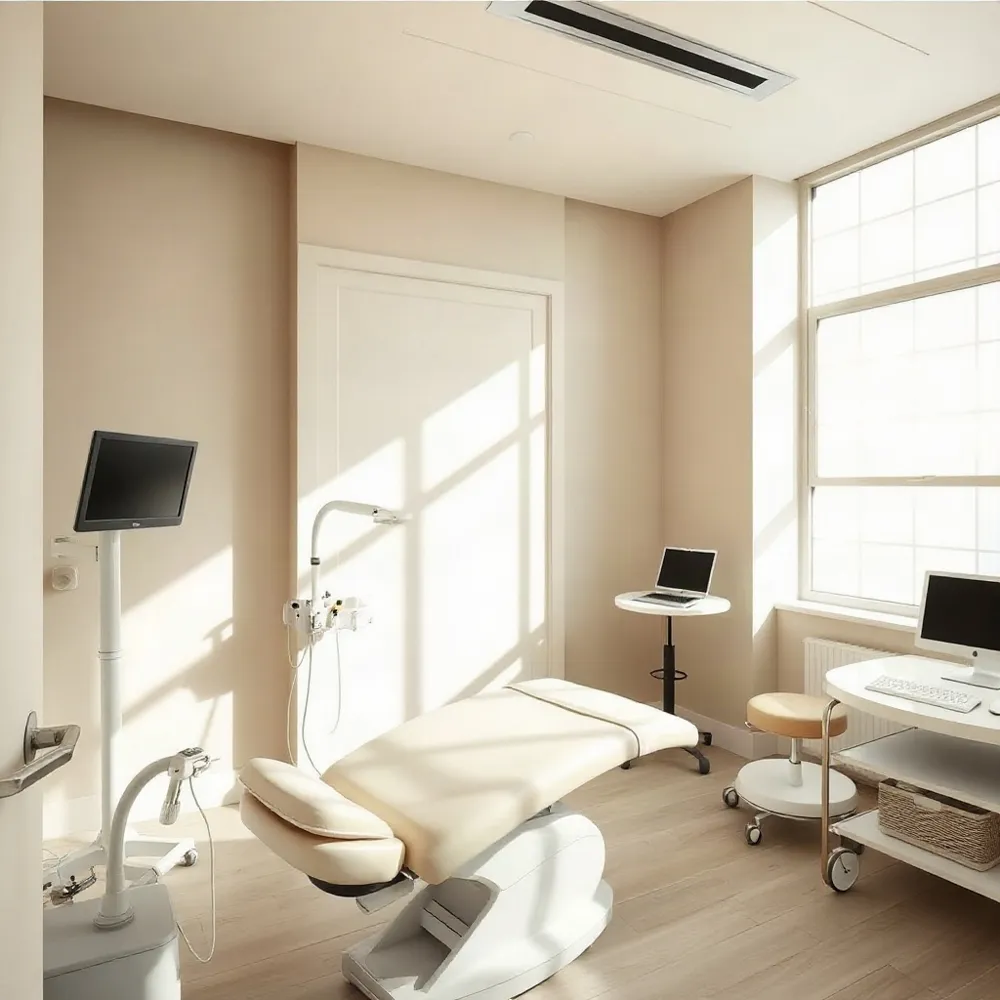
The New Wave of Facial Rejuvenation
The landscape of aesthetic medicine in the United States has shifted significantly, with minimally invasive aesthetic treatments now accounting for approximately 80% of all cosmetic procedures. Patients increasingly prioritize options that offer minimal social downtime, lower risk profiles compared to surgery, and natural, gradual improvements. This evolution away from invasive methods is driven by demand for recovery-friendly solutions that align with active lifestyles.
At Dermatology Associates, PC, we address this growing preference by utilizing advanced radiofrequency technologies, including Morpheus8, FaceTite, and BodyTite. While other practices might offer standard laser resurfacing or traditional surgery, our approach focuses on subdermal tissue remodeling to achieve nuanced results without incisions. By integrating these specialized energy-based devices, we help patients manage concerns like skin laxity, texture irregularities, and volume loss.
The focus of modern aesthetic medicine has moved toward regenerative biological processes, such as collagen and elastin stimulation. According to research published in 2026, this shift toward non-surgical modalities allows for significant facial contouring and rejuvenation while minimizing the complexities of surgical recovery. As technology continues to advance, our practice remains committed to providing these efficient, science-backed treatments to enhance both clinical outcomes and patient confidence.
Leading Non-Surgical Options for 2026
The most effective non-surgical options for facial rejuvenation and skin tightening utilize advanced technologies to stimulate the body’s natural collagen production and improve skin structure. Radiofrequency-assisted procedures, such as Morpheus8 and FaceTite, are highly regarded for their ability to tighten lax skin, reduce fat, and refine texture from within. At Dermatology Associates, PC, these energy-based platforms are central to personalized treatment plans aimed at addressing early to moderate signs of aging with minimal downtime.
For comprehensive rejuvenation, many patients supplement energy-based therapies with biostimulators like Sculptra, which promote cellular repair to combat age-related volume loss. While some practices rely on singular approaches, Dermatology Associates, PC emphasizes a regenerative strategy by pairing these technologies with neuromodulators like Botox and various hyaluronic acid-based dermal fillers. This multitiered approach addresses both the underlying structural decline and visible surface concerns.
- Radiofrequency Microneedling: Technologies like the Morpheus8 platform combine fractionated energy with physical stimulation to remodel subdermal tissue and improve skin laxity.
- Focused Ultrasound: Procedures such as Ultherapy use ultrasound energy to reach deep foundational skin layers, triggering a tightening response similar to surgical outcomes.
- Biostimulators and Injectables: Agents like Sculptra encourage long-term collagen growth, while fillers and neuromodulators provide volume restoration and wrinkle reduction.
- Combination Protocols: Integrating multiple modalities allows providers to customize care based on specific skin tone, depth of aging, and individual aesthetic goals.
The industry standard for 2026 centers on 'undetectable' results, where the focus shifts toward precise, technique-driven applications that avoid over-treatment per Dermatology Times. As minimally invasive aesthetic treatments now account for roughly 80% of cosmetic procedures in the United States, according to research in PMC, patients who seek long-term health should prioritize clinicians capable of mapping these treatments to their specific facial anatomy.
Morpheus8 vs FaceTite: Understanding the Difference
At Dermatology Associates, PC, patients often choose between radiofrequency-based interventions to address signs of aging. While both Morpheus8 and FaceTite leverage advanced energy to improve appearance, they function at distinct tissue depths. These technologies are frequently utilized in Indianapolis, Batesville, and Tipton as minimally invasive alternatives to traditional surgery for those seeking refined, natural-looking results.
How do Morpheus8 and FaceTite treatments differ in their approach to skin improvement?
Morpheus8 combines radiofrequency energy with microneedling to penetrate the skin surface, promoting collagen production to improve texture, minimize fine lines, and address acne scarring. In contrast, FaceTite utilizes radiofrequency-assisted lipolysis to treat deeper tissue layers, making it highly effective for contouring, reducing localized fat deposits, and tightening mild to moderate skin laxity. While Morpheus8 is primarily a resurfacing and rejuvenation tool for the skin's surface and upper dermal layers, FaceTite acts as a minimally invasive bridge to surgery by addressing structural fat and deeper skin sagging. Your provider can help determine the ideal approach based on your specific aesthetic goals and the degree of laxity being addressed.
Many patients benefit from a combined approach. By using FaceTite to handle deep structural tightening and fat reduction, followed by Morpheus8 to refine the surface skin, candidates often receive a more comprehensive result. This coordinated strategy allows for a smoother transition between deeper tissue remodeling and surface texture enhancement.
What to Expect from Morpheus8 Results
Initial improvements in skin clarity and texture may be noticeable as early as 5 to 7 days following your Morpheus8 treatment. Because the procedure stimulates the body's natural collagen production, significant structural results such as skin tightening and lifting continue to develop progressively over several months. Patients typically see the most prominent improvements around the three month mark after their session.
At Dermatology Associates, PC, our approach integrates these advanced radiofrequency technologies with personalized skin health plans to ensure your results look natural and last. Unlike some standard clinics that offer single-modality sessions, we focus on a comprehensive pathway for your aesthetic goals. The longevity of these results can extend for 12 months or longer, particularly when supported by a customized maintenance plan tailored to your specific skin needs.
Consistent follow up care helps to preserve these aesthetic enhancements and maintain long term skin health. While some providers suggest repeating the procedure every six months, many patients at our practice find that maintenance sessions every 1 to 2 years are sufficient to sustain their rejuvenated appearance. We evaluate your progress individually, ensuring your treatment plan aligns with your evolving concerns.
Safety and Side Effects of Morpheus8
While Morpheus8 is a minimally invasive procedure, patients should expect common, temporary side effects including redness, swelling, bruising, and mild tenderness immediately following treatment. These effects generally subside within a few days as the skin begins its natural recovery process. Some individuals may notice transient pinpoint crusting or a faint grid-like pattern at the needle entry sites, both of which fade as the surface heals.
What are the potential side effects associated with Morpheus8?
Although rare, potential risks such as temporary hyperpigmentation or hypopigmentation can occur if improper energy settings or technique are used. At Dermatology Associates, PC, we mitigate these risks by tailoring energy levels and needle depth specifically to your unique skin type and tone. Our approach ensures both safety and efficacy, as improper use of energy-based devices can sometimes lead to tissue plane distortion or prolonged irritation.
Adherence to personalized post-care instructions is essential for protecting the skin barrier and facilitating optimal remodeling. Patients should prioritize hydration, gentle cleansing, and diligent sun protection to avoid complications during the initial healing window. Choosing a provider who understands how to calibrate device settings to individual anatomy is as important as the technology itself for ensuring a smooth, predictable outcome.
Customizing Treatments for Your Aging Concerns
Effective facial rejuvenation in the modern era relies on a personalized strategy rather than a one-size-fits-all approach. At Dermatology Associates, PC, providers perform a thorough examination of your facial anatomy and skin quality to develop a treatment plan that addresses your unique concerns, whether you seek to mitigate early signs of aging or restore lost volume.
How can aesthetic treatments be tailored to address specific signs of facial aging?
Aesthetic treatments are highly personalized based on a thorough consultation that evaluates your unique skin health, anatomy, and aesthetic goals. To address volume loss and facial deflation, providers often use dermal fillers such as hyaluronic acid or Sculptra to restore contours to hollowed areas like the cheeks or beneath the eyes. Dynamic wrinkles, such as those caused by repetitive facial muscle movement, are effectively softened using neuromodulators like Botox, Dysport, or Xeomin.
For concerns involving sagging, skin laxity, or texture, advanced technologies provide targeted solutions. At Dermatology Associates, PC, we utilize Morpheus8 to stimulate collagen production at deeper layers, while Ultherapy employs focused ultrasound energy to lift and firm sagging tissues that are often addressed in surgical facelifts. By combining these targeted, minimally invasive options, practitioners can create a customized plan that harmonizes your features and achieves natural-looking, rejuvenated results.
Beyond the Face: Body Contouring and More
Achieving comprehensive aesthetic goals often extends beyond facial rejuvenation to include targeted body contouring and skin renewal. Dermatology Associates, PC supports these objectives by integrating advanced technologies like Morpheus8 and BodyTite to address loose skin and fat volume on areas including the abdomen, arms, and thighs.
For patients seeking specialized fat reduction and muscle toning, various non-invasive modalities offer distinct advantages. Emsculpt NEO utilizes a combination of radiofrequency heating and high-intensity electromagnetic energy to simultaneously reduce fat by an average of 30% and increase muscle mass by 25%. In contrast, cooling technologies such as CoolSculpting Elite perform cryolipolysis to permanently eliminate stubborn fat cells in the flanks and under the chin, while SculpSure provides similar permanent fat reduction in common areas like the thighs and love handles.
Beyond fat reduction, maintaining skin health remains a priority. The DiamondGlow treatment provides a multi-step experience that exfoliates, extracts, and infuses customized serums for immediate hydration. For those looking to improve radiance without adding structural volume, SkinVive by Juvéderm offers injectable hydration that smooths the skin surface from within. By selecting the right combination of these technologies, patients at Dermatology Associates, PC can achieve refined, natural-looking results across the body.
The Rise of Regenerative Aesthetics
 Regenerative aesthetics shifts the focus from simply correcting surface-level signs of aging to leveraging the body's own biological mechanisms for repair. At Dermatology Associates, PC, this approach incorporates Platelet-Rich Plasma (PRP) and Platelet-Rich Fibrin (PRF) therapies. These treatments isolate growth factors from a patient's own blood to stimulate natural collagen production, offering a biocompatible option that minimizes the risk of allergic reactions while enhancing skin tone and texture.
Beyond autologous treatments, emerging technologies like exosome therapy support cellular health by facilitating communication between cells to accelerate regeneration. This practice often complements specialized injections such as NAD+ therapy, which targets mitochondrial function to improve energy production and combat age-related cellular decline at the systemic level. By addressing these internal biological markers, providers can foster more sustainable improvements in skin vitality.
Integrating skin health with overall wellness is a distinct feature of the Dermatology Associates, PC clinical model. Their integrative wellness services, including hormone replacement therapy (HRT), demonstrate how hormonal balance can directly impact skin thickness, moisture retention, and collagen density. As Dermatology Times observes, the merging of dermatology with longevity science represents the next phase of personalized aesthetic intervention.
Prejuvenation: Starting Early for Lasting Results
 A growing trend in aesthetic medicine centers on prejuvenation, where patients in their late 20s and 30s seek preventive treatments to address early signs of aging before they become deeply etched. By intervening early, individuals can proactively manage volume loss and skin laxity rather than correcting deep-seated lines later in life. Dermatology Associates, PC supports these proactive goals by offering customized plans that emphasize long-term skin health.
Neuromodulators serve as a cornerstone of this approach, as they effectively relax the muscles responsible for expression lines. When used consistently in youth, these treatments prevent dynamic movements from deepening into static wrinkles. While other practices may focus primarily on corrective transformation, Dermatology Associates, PC prioritizes a measured, conservative technique that maintains natural facial harmony and prevents over-treatment.
Maintenance strategies also play an essential role in preserving skin quality throughout adulthood. Regular protocols involve microneedling and light chemical peels, which stimulate ongoing collagen production and improve surface texture. These non-invasive modalities at dermassoc.net ensure that the skin stays resilient against environmental stressors, helping patients maintain a refreshed appearance without requiring the intensity of surgical intervention.
The Importance of Expert Consultation
 Selecting the right provider is the most critical decision in your aesthetic journey. Because minimally invasive treatments require precise placement and depth control, partnering with a board-certified professional is essential for achieving safe, natural-looking outcomes. At Dermatology Associates, PC, providers combine a deep understanding of facial anatomy with advanced diagnostics to ensure each treatment addresses your unique concerns without the risk of an unnatural appearance.
Expert consultations at Dermatology Associates, PC center on a comprehensive physical examination rather than a standardized menu of services. By evaluating your specific skin type, baseline laxity, and medical history, your provider can develop a customized plan that aligns with your long-term goals. This diagnostic rigour helps prevent common issues seen with over-treatment, such as tissue distortion or unnecessary inflammation.
As noted by About Skin Derm, specialized knowledge of facial structures is necessary to ensure both the safety and effectiveness of non-surgical procedures. A thorough consultation also provides an opportunity to set realistic expectations regarding downtime, the progression of results, and the cumulative nature of collagen-stimulating therapies. By prioritizing professional expertise, you ensure that every intervention contributes to a subtle, refined improvement in your skin health.
Planning for Future Surgery After Non-Invasive Treatments
While many patients opt for minimally invasive aesthetic treatments to delay the need for intervention, these procedures can affect the tissue landscape if you eventually choose a surgical facelift. At Dermatology Associates, PC, we emphasize that a strategic approach to your long-term aesthetic plan requires considering how prior treatments, such as energy-based devices or injectables, interact with future surgical planes. Deeply delivered energy-based devices or permanent fillers may complicate flap elevation by causing tissue tethering, scarring, or potential compromise to vital neurovascular structures.
A 2026 study in the Journal of Aesthetic Plastic Surgery highlights that surgical complexity varies by modality. To ensure the safest surgical outcome, practitioners advise specific waiting periods based on the type of previous treatment. For instance, patients who have received absorbable threads should wait 6 to 9 months before surgical intervention. Those who underwent superficial laser or microneedling procedures generally require a 3 to 6 month window for edema resolution, while a 4 month waiting period is recommended after cryolipolysis to ensure lipid metabolism is fully resolved.
Before proceeding with any permanent surgical correction, a thorough preoperative evaluation is essential. Clinicians must gather a detailed aesthetic history and conduct a physical examination to identify any existing nodules or vascular compromise. If an individual has a significant history of prior treatments, surgical strategies may be adjusted, such as developing thicker adipocutaneous flaps to maintain robust blood supply. Postoperative recovery for these patients is often more individualized, potentially requiring frequent monitoring to address inflammatory responses, which helps ensure the most natural, durable results possible.
Future Trends in Non-Surgical Aesthetics
The aesthetic landscape for 2026 is rapidly evolving toward highly personalized, precision-based care that prioritizes natural, undetectable outcomes. A major trend this year is the demand for versatile platforms that treat all skin tones safely, a standard that Dermatology Associates, PC consistently meets by utilizing advanced, color-blind technologies in its practice.
Technological integration is transforming treatment accuracy. Innovations such as AI-driven pulse spacing in laser devices improve clinical predictability, while new laser coring platforms offer variable-depth resurfacing that achieves significant rejuvenation with minimal downtime. These systems allow practitioners to effectively manage concerns ranging from deep wrinkles to pore texture.
Looking further, the intersection of dermatology with regenerative medicine is reshaping patient strategies. Practitioners are increasingly focused on emerging applications, such as exosome therapy, to enhance cellular repair. Looking ahead, the integration of genetic testing into clinical workflows promises to usher in an era of hyper-personalized care, allowing providers at centers like Dermatology Associates, PC to anticipate and address individual aging patterns before they fully manifest.
Embracing a New Era of Facial Rejuvenation
The 2026 aesthetic landscape offers a diverse array of treatments that prioritize precision and patient-specific needs. Modern care has evolved to favor a combination of energy-based devices, such as radiofrequency platforms, alongside regenerative therapies and targeted injectables to achieve a refreshed, natural appearance. At Dermatology Associates, PC, providers integrate these modalities into customized plans, ensuring that patients receive treatments tailored to their skin health and anatomy.
Achieving lasting skin health requires shifting from quick fixes to a strategy focused on gradual improvement. Because minimally invasive treatments now constitute most cosmetic procedures, it is essential to consult with an expert who can guide you through the latest, safest technologies. By balancing subtle enhancements today with long-term maintenance, you can attain outcomes that look authentic and enhance your unique features for years to come.