A New Era in Non-Surgical Body Contouring
A Morpheus8 body treatment session is designed to be manageable, and most patients tolerate it well with only topical numbing applied beforehand. The provider moves a handheld device across the treatment area, delivering microneedling combined with radiofrequency energy to the deeper layers of the skin. Depending on the size of the area, a single session typically lasts between 30 and 60 minutes, making it easy to fit into a lunch break or a busy schedule.
After the procedure, you can expect some redness and mild swelling, similar to a sunburn, which usually subsides within a few days. Most people return to their normal activities the same day or the next, though you may want to plan for a little downtime if you have treated a larger area. The full benefits develop gradually as collagen production increases, with noticeable improvements in skin laxity and texture appearing over the following weeks.
What to Expect After Treatment
Recovery from Morpheus8 body is generally straightforward, but following aftercare instructions is important for optimal results. Keep the treated area clean and moisturized, avoid direct sun exposure, and skip strenuous exercise for a few days to minimize swelling. Mild bruising or pinpoint marks can occur, but these resolve quickly. For a detailed day-by-day breakdown of the healing process, you can refer to this Morpheus8 recovery timeline.
When Will You See Results?
While some improvement may be visible right away due to tissue tightening, the most significant changes appear over two to three months as your body produces new collagen. Most patients undergo a series of two to four sessions, spaced four to six weeks apart, to achieve their desired outcome. The results are long-lasting, especially when paired with a healthy lifestyle and proper skin care. To see what the process looks like in practice, you can explore Morpheus8 before and after examples for a clearer idea of the possible outcomes.
Understanding what to expect before, during, and after your Morpheus8 body treatment helps you approach the process with confidence. Whether you are addressing loose skin on your abdomen, thighs, or arms, the treatment offers a minimally invasive path to a firmer, more contoured appearance. For more information on how this technology works and what it can do for you, visit our Morpheus8 body contouring guide.
Understanding the Technology: Microneedling Meets Radiofrequency
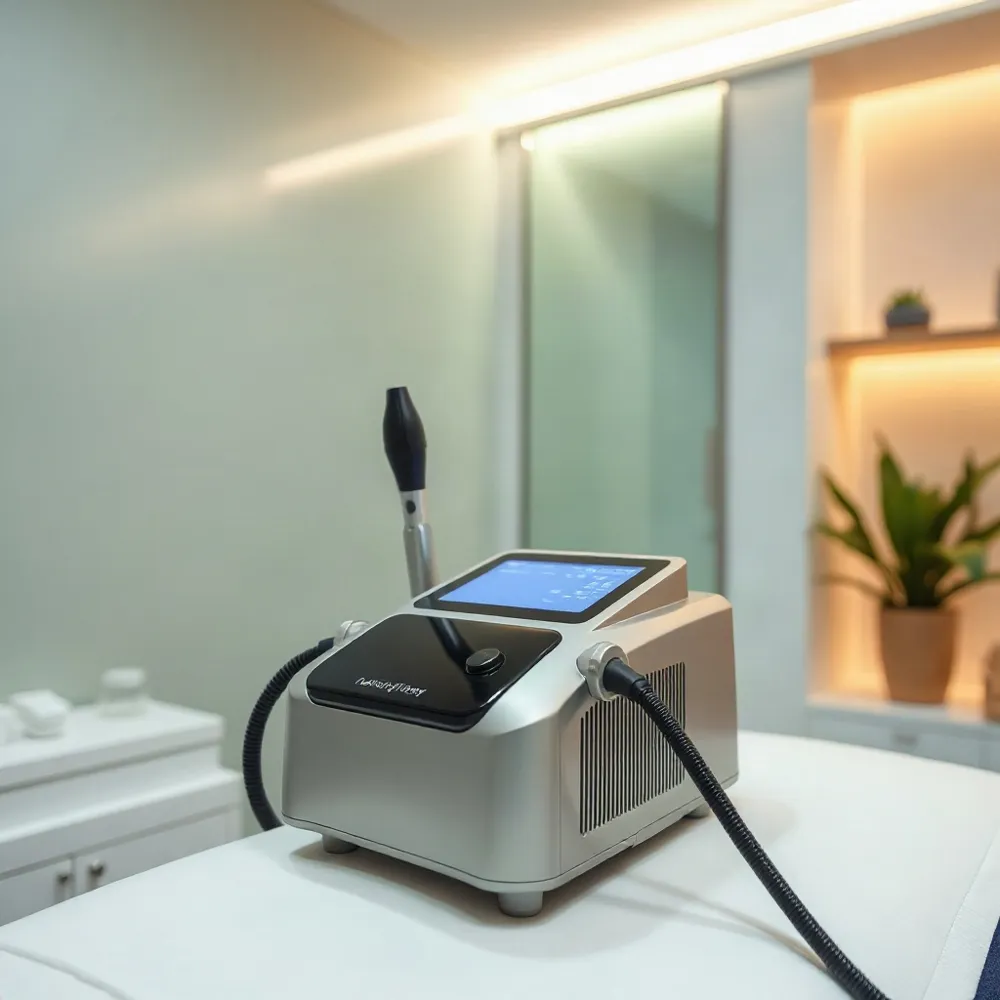 Morpheus8 combines two established technologies to address skin laxity, texture, and contour in ways that older devices cannot. The treatment uses a matrix of ultrafine insulated pins to deliver radiofrequency energy directly into the dermis, while a second phase targets the deeper fat compartments that contribute to a heavy or sagging appearance. Because the energy bypasses the skin’s surface, providers can safely treat delicate areas on the face, neck, and body with less downtime than traditional surgery.
The dual-action approach is what sets it apart. As the pins penetrate, the radiofrequency heat contracts existing collagen fibers for immediate tightening, then stimulates new collagen and elastin production over the following weeks and months. Over time, patients typically notice smoother texture, firmer skin, and reduced fat bulges, with most people scheduling 2 to 4 sessions spaced 4 to 6 weeks apart for optimal results. Dermatology Associates uses Morpheus8 as part of a broader plan that includes Morpheus8V, FormaV, and V-Tone therapies for intimate wellness, as well as body contouring and skin tightening procedures.
Who Is a Good Candidate
Morpheus8 is versatile enough for nearly any skin type and tone, making it an attractive option for patients who want noticeable change without a scalpel. It works well for early to moderate skin laxity, fine lines, acne scarring, and stubborn pockets of fat on the face, neck, abdomen, arms, and thighs. However, it is not a weight-loss tool. Ideal candidates are close to their target weight, have realistic expectations, and understand that multiple sessions produce the best outcome.
During a consultation, the provider evaluates skin quality, laxity, and fat distribution to determine whether Morpheus8 or an alternative such as FaceTite or BodyTite is the better fit. The practice emphasizes personalized care and education so patients know exactly what to expect, from the number of sessions to the healing timeline.
What the Procedure Feels Like
Most patients describe the sensation as a series of quick, pricking pulses combined with a deep heating sensation. A topical numbing cream is applied before treatment to keep discomfort minimal, and newer Morpheus8 models include built-in cooling to protect the skin’s surface. Sessions typically last 30 to 60 minutes depending on the treatment area, and most people return to normal activities the same day or the following day.
Afterward, mild redness, swelling, and warmth are common and usually resolve within a few days. Some patients experience pinpoint bruising that fades quickly. Providers recommend avoiding sun exposure, strenuous exercise, and heat-based activities for a short period to allow the skin to heal properly.
Expected Results and Downtime
While some immediate tightening is visible right away, the full effect develops gradually as collagen remodels over 6 to 12 weeks. Most patients need a series of 2 to 4 sessions spaced a month apart, with maintenance treatments every 6 to 12 months to sustain results. Downtime is minimal compared with surgery; most people return to work within a day or two, though social redness may persist for a few days.
The practice’s Morpheus8 recovery guidance highlights that following aftercare instructions is essential for optimal healing. This includes keeping the treated area moisturized, using gentle cleansers, and avoiding direct sun exposure until the skin has repaired itself.
| Aspect | Typical Experience | Details |
|---|---|---|
| Sensation | Mild to moderate | Numbing cream and built-in cooling minimize discomfort |
| Session length | 30-60 minutes | Depends on treatment area size |
| Downtime | 1-2 days | Mild redness and swelling, usually subside quickly |
| Results timeline | 6-12 weeks | Gradual collagen remodeling, with improvement continuing |
| Sessions needed | 2-4 | Spaced 4-6 weeks apart for best outcome |
By understanding how Morpheus8 works and what to expect, patients can approach treatment with confidence. The combination of radiofrequency energy and microneedling offers a modern, non-surgical option for those seeking firmer, smoother skin and a more contoured appearance without the extended recovery of invasive surgery.
Targeted Areas: From Abdomen to Thighs
 Morpheus8 is a popular choice for patients who want body contouring without the downtime of traditional liposuction or surgery. The procedure combines microneedling with radiofrequency energy to remodel collagen, tighten skin, and reduce localized fat. Most people schedule a series of 2 to 4 sessions, spaced 4 to 6 weeks apart, to achieve their desired outcome. Early improvements in skin texture and clarity can appear after the first treatment, but the most noticeable changes develop gradually as collagen production increases over the following months.
The treatment itself begins with a topical numbing agent to keep you comfortable. During the session, the provider glides a handheld device across the skin, delivering tiny, penetrating needles that release radiofrequency heat into the deeper layers of the dermis and subcutaneous tissue. This heat triggers a healing response that tightens existing collagen and stimulates the formation of new collagen and elastin. At Dermatology Associates, the team tailors the energy settings and the depth of the needles to each patient’s skin type, treatment area, and goals, which helps maximize results while minimizing risk.
What to Expect During and After Each Session
Most sessions last between 30 and 60 minutes depending on the size of the area being treated. Patients commonly describe the sensation as a series of quick, warm pricks rather than sharp pain. Because the radiofrequency energy also affects the fat layer beneath the skin, some providers combine the treatment with additional body-contouring approaches for enhanced fat reduction and tightening. You may feel a warm, prickling sensation during the procedure, but this subsides quickly once the treatment ends.
Afterward, you can expect temporary redness, swelling, and mild tenderness in the treated area, similar to a sunburn. These effects usually resolve within a few days, and most people return to work and normal activities within 24 to 48 hours. More strenuous exercise and hot showers should be avoided for the first few days to reduce swelling. Swelling may peak around day 2 or 3 and then gradually subside, so it’s important not to judge your results until the initial inflammation settles.
Recovery Timeline and Results
The recovery timeline for Morpheus8 varies by individual and the area treated. The table below summarizes the typical progression so you know what to expect at each stage.
| Timeframe | What You May Notice | Activity Level |
|---|---|---|
| Day 0–1 | Redness, mild swelling, pinpoint redness, slight tenderness | Return to light work, avoid heavy exercise |
| Day 2–3 | Swelling may peak; skin feels tight and warm | Continue avoiding strenuous activity and heat |
| Day 4–7 | Redness fades; skin may peel or flake slightly | Gradually resume normal exercise and skincare |
| Week 2–4 | Improvement in skin texture; collagen production ramps up | Full activity; makeup can usually be worn |
| Month 2–3 | Noticeable skin tightening and fat reduction | Normal routine; final results become visible |
While initial skin laxity improvements can be seen within a few weeks, the full benefits of Morpheus8 develop over 3 months as new collagen matures. Many patients see continued improvement for up to 6 months after their final session. The procedure works well for the abdomen, thighs, arms, buttocks, and other areas that respond to both fat reduction and skin tightening. For those who want a more thorough body-contouring effect, some providers recommend combining Morpheus8 with surgical liposuction or other technologies, but for many patients the minimally invasive approach is enough.
Candidates and Realistic Expectations
Ideal candidates are close to their target weight and have mild to moderate skin laxity or stubborn fat pockets that don’t respond to diet and exercise. Morpheus8 is not a weight-loss tool; it’s designed for body contouring and refinement. During your consultation at Dermatology Associates, the provider will assess your skin tone, medical history, and treatment goals to determine if Morpheus8 is right for you. They’ll also review the expected number of sessions, the recovery period, and realistic outcomes so you can make an informed decision.
As with any cosmetic treatment, results vary. Some patients require more than one session to achieve their desired level of tightening, while others see significant improvement after just one. Factors such as age, skin elasticity, and the area treated all play a role. Your provider will give you specific aftercare instructions, including avoiding sun exposure and applying moisturizer to support healing and optimize results.
Choosing the Right Provider
The success of Morpheus8 depends heavily on the skill and experience of the person performing it. A board-certified dermatologist with advanced training in radiofrequency and microneedling can deliver safer, more consistent results. At Dermatology Associates, the team emphasizes patient safety, customized treatment plans, and realistic expectations. They take the time to educate you on the procedure, recovery, and what to look for in the weeks ahead, so you feel confident throughout your journey.
What to Expect During Your Morpheus8 Session
Morpheus8 is a minimally invasive treatment that combines microneedling with radiofrequency energy to stimulate collagen production, tighten skin, and improve overall texture. Unlike traditional surgical options, this technology works by delivering heat into the deeper layers of the skin while the micro-pins create controlled micro-injuries, prompting your body's natural healing response. For most patients, the treatment feels like a series of quick, targeted pulses rather than a painful procedure. Many practices, including Dermatology Associates, PC, offer this advanced option for facial and body rejuvenation.
The Treatment Session Step by Step
A typical Morpheus8 session begins with a thorough skin assessment and the application of a topical numbing cream, which helps ensure comfort throughout the procedure. Once the area is prepared, the provider moves the handpiece across the skin, delivering radiofrequency energy to the targeted depths. Depending on the area being treated and your goals, a session may last anywhere from 30 minutes to over an hour. According to the Morpheus8 treatment guide, patients can generally expect a series of 2 to 4 sessions, spaced about 4 to 6 weeks apart, to achieve optimal results.
During the treatment, you may feel a warming sensation and mild prickling as the radiofrequency energy penetrates the skin. Providers often adjust the depth and energy levels based on your skin type, tolerance, and specific concerns, such as acne scarring, laxity, or texture irregularities. Because the procedure is designed to be minimally invasive, downtime is typically short, and most individuals can resume normal activities within a day or two.
Recovery Timeline and Aftercare
Immediately following your Morpheus8 session, it is normal to experience redness, mild swelling, and a sunburn-like sensation. These temporary side effects usually subside within a few days, but the exact recovery timeline can vary depending on the intensity of the treatment and the area addressed. A day-by-day recovery guide explains that the first 24 to 48 hours are the most noticeable, with skin appearing flushed and slightly swollen. By day three, the swelling begins to decrease, and by the end of the first week, most patients feel comfortable wearing makeup and returning to their regular routines.
For optimal healing, it is important to follow your provider's aftercare instructions closely. This includes keeping the treated area clean and moisturized, avoiding direct sun exposure, and refraining from strenuous exercise for the first few days. Applying a gentle, non-comedogenic sunscreen and using soothing skincare products can also help protect the skin and enhance results. For those undergoing Morpheus8 on the body, such as the abdomen, thighs, or arms, similar aftercare principles apply, though the treatment areas may require a bit more attention due to their size.
What Results to Expect
While some patients notice an immediate improvement in skin texture and a mild tightening effect, the most significant changes develop gradually as collagen production increases over the following weeks and months. Many individuals see optimal outcomes after completing a full series of treatments, with continued improvement up to three months after the final session. A comprehensive guide on Morpheus8 results notes that the treatment can effectively address fine lines, wrinkles, laxity, and acne scars while also providing subtle fat reduction and skin tightening in the treated areas.
For those considering Morpheus8 for body contouring, the results are often more dramatic when combined with other technologies like FaceTite or BodyTite, which target deeper fat deposits and more significant skin laxity. However, it is important to have realistic expectations and understand that results vary based on age, skin condition, and the number of sessions completed. A consultation with a qualified provider can help you determine whether Morpheus8 is the right choice for your goals and create a personalized treatment plan.
| Aspect | Details | Consideration |
|---|---|---|
| Session Duration | 30 to 60+ minutes | Depends on treatment area size and number of passes |
| Recommended Sessions | 2 to 4 sessions | Typically spaced 4 to 6 weeks apart |
| Recovery Time | 1 to 3 days for mild redness | Swelling may last up to a week; makeup can usually be worn after day one |
| Visible Results | Progressive over 3 months | Collagen production continues to improve skin texture |
| Aftercare | Sunscreen, gentle cleansing, moisturizing | Avoid sun exposure and strenuous activity initially |
Before committing to Morpheus8, it is wise to review before-and-after photos and discuss the expected recovery timeline with your provider. Many practices offer detailed guidance on what to expect, and reviewing a before-and-after gallery can help set realistic expectations. Remember, while Morpheus8 offers impressive results, it is not a substitute for a healthy lifestyle or a comprehensive skin care routine. By combining professional treatments with good skin habits and sun protection, you can maximize the longevity of your results and enjoy a more youthful, refreshed appearance for years to come.
Recovery Timeline: Day by Day Healing
The recovery experience after Morpheus8 is generally manageable, especially when compared to more invasive surgical procedures. Most patients can return to their normal routines within a few days, though the exact timeline depends on the treatment area, the intensity of the session, and individual healing patterns. Understanding what happens during each stage can help you plan accordingly and avoid unnecessary stress.
Immediately after your session, you may notice redness, warmth, and mild swelling, similar to a sunburn. This is a normal response to the microneedling and radiofrequency energy used during the treatment. Over the next 24 to 48 hours, swelling may peak, and you might experience some tenderness or a slight tingling sensation. These effects are temporary and typically subside within a few days.
Day-by-Day Healing Timeline
- Day 1: Redness and mild swelling are most noticeable. The treated area may feel warm and tender. You can usually resume light activities but should avoid strenuous exercise, saunas, and hot showers.
- Day 2-3: Swelling may increase, especially around the eyes or jawline if the face was treated. Some patients notice a sandpaper-like texture or tiny bumps, which are temporary. Continue gentle skincare and avoid makeup for at least 24 hours.
- Day 4-5: Redness begins to fade, and any crusting or flaking starts to subside. You may feel comfortable returning to work or social activities, though some patients prefer to wait a few extra days.
- Day 6-7: Most visible side effects resolve, leaving behind smoother, tighter skin. You can gradually reintroduce your regular skincare products and resume more intense workouts if cleared by your provider.
- Week 2-4: Deeper collagen remodeling continues. You may notice progressive improvements in skin texture, tone, and firmness over the coming weeks as new collagen forms.
By the end of the first week, most patients feel confident enough to resume their normal appearance. However, the most significant results develop gradually. Over the following two to three months, your body continues to produce new collagen, which means the skin’s firmness and elasticity keep improving. For those looking for a detailed look at what’s normal during recovery, this day-by-day healing guide breaks down each stage.
Aftercare Tips for a Smooth Recovery
Proper aftercare plays a major role in how quickly you heal and how well your results show. The main goals are to keep the treated area clean, hydrated, and protected from sun exposure. Here are some essential aftercare steps to follow:
- Use a gentle, non-comedogenic moisturizer to keep skin hydrated and support the skin barrier.
- Avoid direct sun exposure and apply a broad-spectrum sunscreen (SPF 30 or higher) daily for at least a few weeks.
- Skip vigorous exercise, saunas, hot tubs, and swimming pools for the first few days to reduce swelling and infection risk.
- Avoid picking, scratching, or exfoliating the treated area, even if you notice flaking or crusting.
For a more comprehensive overview of what to expect after treatment, including specific recovery timelines and tips, check out this Morpheus8 recovery article. Remember that everyone heals at their own pace, so be patient with your skin during the process.
| Timeline | Common Symptoms | What to Do |
|---|---|---|
| Day 1-2 | Redness, swelling, warmth | Use cold compresses; avoid makeup; rest |
| Day 3-4 | Peak swelling, possible flaking | Keep skin moisturized; continue gentle cleansing |
| Day 5-7 | Fading redness, mild tightness | Resume normal activities; ease back into exercise |
| Week 2-4 | Progressive firming and smoothing | Maintain sun protection; follow up with provider |
Morpheus8’s recovery is often described as straightforward, especially when you compare it to surgical body contouring. That said, individual experiences vary. If you have any concerns during your healing process, it’s always best to reach out to your provider. They can offer personalized advice based on your specific treatment and health history.
Essential Aftercare for Optimal Results
Recovery after Morpheus8 is generally manageable, but knowing what to expect day by day helps you plan around work, social events, and daily responsibilities. Most patients experience initial redness, swelling, and a sandpaper-like texture as the micro-injuries heal. These effects are temporary and typically resolve within a few days, though deeper treatments or areas with thinner skin may take slightly longer to settle.
Day-by-Day Healing Overview
The first 24 to 48 hours bring the most noticeable redness and mild swelling, similar to a sunburn. By day three to four, the skin may feel dry, flaky, or start to peel, which is a normal sign that the treated area is renewing itself. Most people can return to makeup and normal daily activities within three to five days, though strenuous exercise and heat exposure should be avoided for about a week to reduce the risk of irritation or infection.
For those undergoing Morpheus8 on the body, recovery follows a similar pattern but may involve more swelling and tenderness due to the larger treatment areas. It’s common to experience temporary numbness or a heavy feeling in the treated zones. Gentle cleansing, consistent moisturizing, and strict sun protection are essential throughout the healing process to optimize results and minimize complications.
Faster Recovery Tips
- Keep the treated area clean and moisturized with gentle, fragrance-free products.
- Avoid direct sun exposure and apply a broad-spectrum SPF daily.
- Skip strenuous exercise, saunas, and hot showers for at least one week.
- Sleep on your back with the head elevated to reduce swelling.
- Stay hydrated and follow a balanced diet rich in protein and vitamin C to support tissue repair.
- Do not pick or scratch peeling skin, as this can lead to scarring or hyperpigmentation.
When to Seek Medical Advice
While most side effects are mild, you should contact your provider if you notice excessive pain, oozing, crusting that worsens after the first few days, or signs of infection such as increasing redness, warmth, or fever. These could indicate an infection or an adverse reaction that requires professional evaluation. Being proactive ensures your recovery stays on track and your final results meet expectations.
What Results Will You See and When?
Morpheus8 Body is a non-surgical treatment that combines microneedling with radiofrequency energy to target deeper layers of the skin and subdermal tissue. The procedure is designed to stimulate collagen production, tighten loose skin, and reduce localized fat deposits on areas like the abdomen, thighs, arms, and back. Unlike traditional liposuction, it does not remove large volumes of fat but instead works on skin quality and mild-to-moderate contouring through controlled heating of the tissue.
The Treatment Process: What Happens During a Session
During a typical Morpheus8 Body session, the provider uses a handheld device with fine needles to deliver radiofrequency energy into the skin. The energy heats the dermis and subdermal fat, causing immediate tissue contraction and triggering a wound-healing response that leads to collagen remodeling over the following weeks. Most patients describe the sensation as a warm prickling feeling, and a topical numbing cream is applied beforehand to minimize discomfort. Sessions generally last between 30 and 60 minutes, depending on the treatment area.
Patients typically undergo a series of two to four sessions spaced four to six weeks apart. The exact number depends on the individual's skin laxity, fat distribution, and desired outcome. Each session builds on the previous one, with improvements in skin firmness and contour becoming more noticeable as collagen production increases.
Expected Results and Timeline
Results from Morpheus8 Body are not immediate. The initial effect may include some swelling and redness, which can make the treated area appear slightly firmer or more voluminous for a few days. As the swelling subsides and collagen continues to rebuild, improvements in skin laxity and texture become evident over two to three months. Full results typically appear around three to six months after the final session, reflecting the body's natural healing and collagen production cycle.
Some patients notice a reduction in circumference and improved skin tightness after just one treatment, but the most significant changes come after the full series. A Morpheus8 recovery timeline shows that most people return to normal activities within 24 hours, with mild side effects like redness and swelling lasting a few days. For more detailed information on what to expect day by day, you can refer to resources that outline the recovery stages.
Morpheus8 Body vs. Other Skin Tightening Options
Morpheus8 Body is often compared to other non-surgical body contouring treatments like traditional skin tightening procedures, radiofrequency lipolysis, or even surgical liposuction. The primary difference lies in the depth of energy delivery and the dual action on both skin and fat. While surgical liposuction removes fat more directly, Morpheus8 Body offers a less invasive approach with minimal downtime, making it an attractive option for individuals who prefer to avoid surgery.
For those considering body contouring, it's important to understand that Morpheus8 Body is not a weight-loss solution. It is best suited for patients who are close to their ideal weight but struggle with stubborn fat pockets and skin laxity. A consultation with a qualified provider can help determine if this treatment aligns with your goals.
Is Morpheus8 Body Right for You?
Ideal candidates for Morpheus8 Body are individuals with mild to moderate skin laxity and localized fat that does not respond well to diet and exercise. It is also important to have realistic expectations: the treatment enhances skin quality and provides subtle contouring rather than dramatic fat reduction. During a consultation, a dermatologist will assess your skin type, medical history, and aesthetic goals to determine the most appropriate treatment plan.
For those interested in learning more about how Morpheus8 Body compares with other skin tightening methods, this guide offers insights into its role in non-surgical body sculpting. Additionally, understanding the before and after results can help set realistic expectations for your own journey.
How Morpheus8 Compares to Traditional Skin Tightening
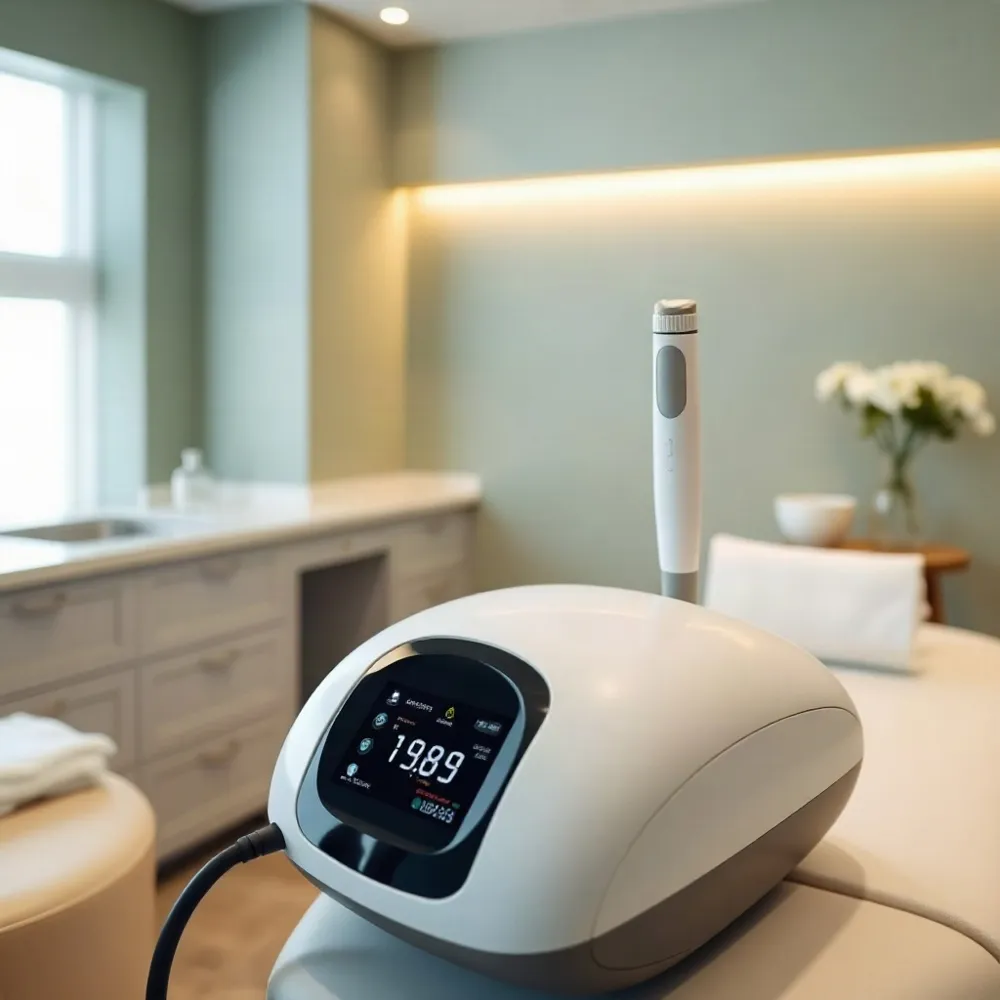 Morpheus8 Body is a non-surgical treatment that combines microneedling with radiofrequency energy to address stubborn fat deposits and skin laxity. Unlike traditional liposuction, this approach does not require general anesthesia or extended downtime, making it an attractive option for patients seeking body contouring with minimal disruption to their daily lives.
During the procedure, a handheld device delivers micro-pins into the skin at controlled depths, simultaneously emitting radiofrequency heat to the underlying tissue. This dual action stimulates collagen production and breaks down fat cells, resulting in tighter, smoother skin over the following weeks and months. Most patients require a series of 2 to 4 treatment sessions, spaced 4 to 6 weeks apart, to achieve optimal results, as noted in our Morpheus8 aftercare guide.
What to Expect After Treatment
Immediately following a Morpheus8 Body session, you can expect mild redness and swelling similar to a sunburn. These effects typically subside within a few days, though some patients may experience bruising or pinpoint bleeding at the treatment sites. According to Dermatology Associates, the recovery process is generally well-tolerated, and most individuals can return to work and light activities within 24 to 48 hours.
Over the following days, you may notice small grid-like marks on the treated areas, which are normal and fade within a week. Skin peeling and dryness are also common as the skin's outer layer regenerates. To support healing, it's essential to keep the skin moisturized, avoid direct sun exposure, and follow the specific aftercare instructions provided by your practitioner. For a detailed day-by-day timeline, consult our Morpheus8 recovery guide.
Results and Longevity
Visible improvements typically emerge gradually as collagen production increases, with the most significant changes apparent around 8 to 12 weeks post-treatment. The body continues to remodel collagen for up to six months, meaning skin tightness and contour improvements improve over time. While individual results vary, many patients enjoy the benefits of Morpheus8 Body for one to two years, depending on factors like age, skin quality, and lifestyle. To maintain results, some individuals opt for annual touch-up sessions, as discussed in our Morpheus8 Body contouring page.
Compared to traditional skin-tightening procedures, Morpheus8 Body offers a less invasive alternative with fewer risks and shorter recovery times. For those considering their options, a consultation can help determine candidacy based on skin elasticity, fat distribution, and overall health goals. At Dermatology Associates, PC, we emphasize realistic expectations and personalized treatment plans to ensure safe, effective outcomes.
| Aspect | Morpheus8 Body | Traditional Liposuction |
|---|---|---|
| Anesthesia | Local only | General or IV sedation |
| Downtime | 1-2 days | 1-2 weeks |
| Results Timeline | 8-12 weeks | Immediate but swelling |
| Skin Tightening | Yes, via collagen | Limited |
| Procedure Time | 30-60 min per area | 1-3 hours |
Is Morpheus8 Right for You?
Morpheus8 is a standout option in non-surgical body contouring because it pairs two proven technologies: microneedling and radiofrequency (RF) energy. The handpiece delivers tiny, computer-controlled needles into the skin’s deeper layers while simultaneously emitting RF heat. This dual action creates controlled micro-injuries that trigger the body’s natural healing response, stimulating collagen and elastin production. The result is gradual skin tightening and texture improvement without the downtime of traditional surgery. For a detailed breakdown of how the treatment works, the Morpheus8 Treatment Guide explains the process in practical terms.
Morpheus8 vs. Traditional Liposuction
Traditional liposuction physically removes fat through suction, but it does little for skin laxity. Morpheus8, by contrast, focuses on both fat reduction and skin remodeling. The RF energy heats the dermis and subdermal tissue, causing immediate collagen contraction and long-term neocollagenesis. This makes it particularly effective for areas like the abdomen, thighs, and arms where loose skin is a common concern after weight loss or aging. While liposuction is reserved for larger fat deposits, Morpheus8 excels at refining contours and tightening skin, making it a complementary rather than competing procedure.
What to Expect During a Treatment Session
A typical Morpheus8 session lasts between 30 and 60 minutes depending on the treatment area. A topical numbing cream is applied beforehand to minimize discomfort, and most patients describe the sensation as a warm prickling feeling. The provider adjusts the needle depth and energy level based on the target tissue and your skin’s thickness. According to Dermatology Associates of Indiana, the practice’s approach prioritizes patient comfort and safety, using the latest handpieces and protocols.
Immediately after treatment, you can expect redness and mild swelling, similar to a sunburn. These effects typically subside within a few days. A full recovery timeline is available in the Morpheus8 Recovery Guide, which outlines day-by-day expectations. Most patients return to work within 24 to 48 hours, though strenuous exercise should be avoided for about a week.
Results: What the Studies Show
Clinical evidence supports Morpheus8’s efficacy. Studies demonstrate significant improvements in skin laxity, texture, and overall firmness after a series of 2 to 4 sessions. The Morpheus8 Body Before and After Results highlight visible changes in skin tightness and contour over a 3 to 6 month period as new collagen forms. While individual results vary, patients often notice early changes within a few weeks and optimal outcomes at the 3-month mark.
| Aspect | Morpheus8 | Traditional Liposuction |
|---|---|---|
| Invasiveness | Minimally invasive, no incisions | Invasive, suction cannulas |
| Downtime | 1-2 days recovery | 1-2 weeks recovery |
| Skin Tightening | Yes, stimulates collagen | Minimal to none |
| Target Areas | Face, neck, body | Larger fat deposits |
| Results Timeline | 3-6 months for full effect | Immediate but longer healing |
| Procedure Length | 30-60 minutes | 1-2 hours |
| Ideal Candidate | Mild to moderate laxity | Significant fat, good skin tone |
For those considering body contouring, Morpheus8 offers a balanced solution that addresses both fat and skin laxity. Its ability to combine microneedling with RF energy positions it as a versatile tool in the modern aesthetic practice, and its growing body of clinical evidence continues to support its role in non-surgical rejuvenation.
Making an Informed Decision
Morpheus8 Body is a non-surgical treatment that combines two established technologies: microneedling and radiofrequency (RF) energy. The device uses fine, insulated pins to penetrate the skin at controlled depths while delivering heat to the deeper dermal and subdermal layers. This dual action stimulates collagen production and remodels fat tissue, which is why it is often grouped with other RF-based skin tightening tools like Morpheus8 for facial and body applications.
The procedure is designed for people who want noticeable skin tightening and mild fat reduction without the downtime of traditional surgery. Because the energy targets deeper layers while sparing the surface, most patients experience only temporary redness and swelling, similar to a sunburn. Early improvements in texture and firmness may be visible within a few weeks, with continued collagen remodeling over several months.
What to Expect During a Session
During a typical session, a provider moves the handheld applicator over the treatment area. Patients often describe the sensation as a series of quick, warm pricks. Numbing cream is applied beforehand to keep discomfort minimal. Most sessions last between 30 and 60 minutes depending on the area being treated. Afterward, you can return to most daily activities, though some temporary side effects like swelling and redness are common.
Results are not immediate. According to Morpheus8 treatment guides, most patients require a series of 2 to 4 sessions spaced 4 to 6 weeks apart to achieve optimal outcomes. The exact number depends on the area, the severity of skin laxity, and your individual response to treatment.
| Aspect | Typical Experience | Notes |
|---|---|---|
| Sensation | Warm pricking, minimal pain | Numbing cream applied first |
| Session length | 30-60 minutes | Depends on treatment area |
| Downtime | Minimal to none | Redness, mild swelling 1-3 days |
| Number of sessions | 2-4 | Spaced 4-6 weeks apart |
| Results onset | 2-3 weeks | Full effect at 3 months |
For a more detailed day-by-day look at recovery, resources like Morpheus8 Recovery Timeline: Day-by-Day Healing break down what is normal at each stage. That guide also covers how to manage side effects and when to resume normal activities, which is especially useful if you are planning around work or social events.