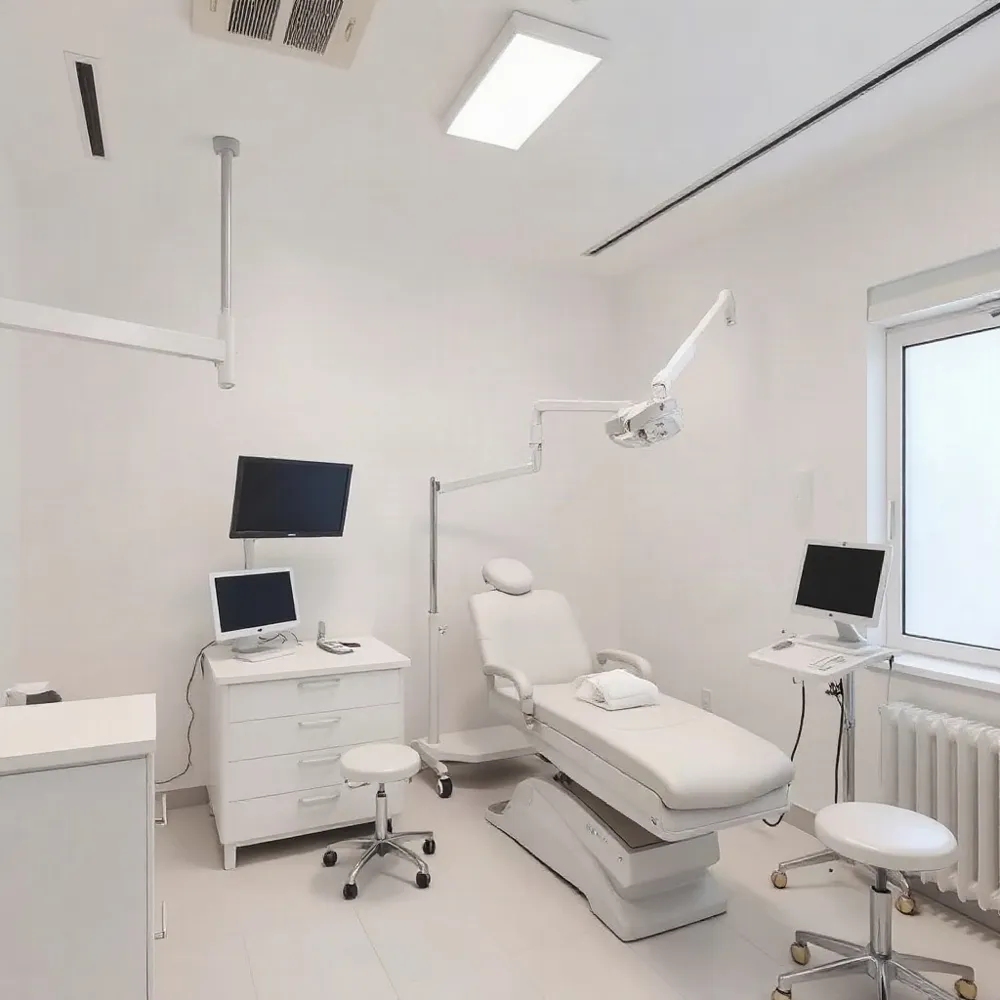
The Art of Subtle Enhancement
The modern approach to dermal fillers focuses on restoring balance and radiance rather than erasing every line. Many patients express concern about looking "overdone" or developing "pillow face," a puffy, unnatural appearance that can result when too much product is used.
An overfilled look often stems from excessive product, poor technique, or a one-size-fits-all approach that does not account for individual facial structure. According to the FDA, working with an experienced provider who is knowledgeable about facial anatomy and complications is essential for safe, natural-looking outcomes. At Dermatology Associates, PC, every treatment plan begins with a thorough consultation and a customized plan tailored to each patient's anatomy and goals.
A conservative, artistic approach using gradual enhancements helps patients avoid an overdone appearance. Starting with smaller amounts of filler and building over time allows the provider to assess tissue integration and adjust as needed. This staged method ensures results remain balanced and harmonious with the patient's natural features.
Advanced injection techniques and customized treatment plans are central to achieving natural results. The FDA emphasizes that patients should request and read product labeling, know what type of filler is being injected, and understand the risks. A skilled injector, such as a board-certified dermatologist, will evaluate the face in both repose and movement to ensure enhancements look natural from every angle.
Types of Dermal Fillers and How They Work
 Dermal fillers are gel-like substances injected beneath the skin to restore lost volume, smooth lines, and enhance facial contours. Choosing the right type depends on the treatment area and the desired outcome. Each category has distinct characteristics that determine how long results last and what kind of correction they provide.
Hyaluronic Acid. The most common group, found in brands like Juvéderm and Restylane. These fillers attract moisture, integrate seamlessly with tissue, and are reversible — a doctor can dissolve them quickly with hyaluronidase if needed. Particle size varies: smaller particles treat fine lines, while larger particles address deeper wrinkles and cheek volume.
Calcium Hydroxylapatite. Radiesse is the only FDA-approved filler in this category. It is thicker than HA fillers, making it suitable for deeper wrinkles, restoring cheek volume, and contouring the jawline. It also stimulates natural collagen production, with effects lasting about 12 months.
Poly-L-lactic Acid. Sculptra is a collagen stimulator rather than a direct volumizer. The gel dissipates within days, but the collagen response builds gradually, and results can last more than two years. It is not recommended for the lips or periocular area.
PMMA (Permanent). Bellafill contains polymethylmethacrylate beads suspended in bovine collagen. It remains beneath the skin indefinitely to provide continued support. Because it is non-reversible, this type demands careful candidate selection and an experienced provider.
Autologous Fat. The patient's own fat is harvested via liposuction, purified, and injected. Because it is permanent, some resorption is expected; surgeons may initially overfill. Downtime and cost are higher due to the harvesting procedure.
An experienced provider at Dermatology Associates, PC will evaluate your specific anatomy and goals to select the ideal filler type and injection approach, helping you avoid the overfilled appearance that can result from using the wrong product or improper technique.
Which Fillers Offer the Most Natural Look
 Modern dermal fillers, including the popular hyaluronic acid and RHA fillers, are designed to restore volume and smooth lines while preserving the ability to make natural facial expressions. The goal is subtle enhancement, not a frozen or overfilled look. According to the American Board of Cosmetic Surgery, today’s fillers offer predictable results that can be tailored to each patient’s facial anatomy and aesthetic goals. Injectable Dermal Fillers Guide
Achieving natural-looking results depends heavily on the injector’s technique and product selection. For example, hyaluronic acid fillers are versatile and reversible, while collagen-stimulating options like Sculptra work gradually to rebuild structure. A comprehensive narrative review in the journal Life highlights how understanding facial anatomy and using appropriate injection techniques can help avoid an overfilled appearance. Comprehensive narrative review on lip filler techniques
The FDA also emphasizes the importance of choosing a qualified provider and understanding the properties of different fillers to ensure safe, natural outcomes. Their guidance notes that while side effects are common and usually temporary, serious complications can occur if fillers are injected incorrectly. Dermal Filler Do’s and Don’ts
Best Filler Choices for Older and Thinning Skin
Choosing a filler isn't about picking the most popular brand. It's about understanding how each product behaves in the skin and matching that behavior to your specific concern. Modern dermal fillers fall into a few distinct categories, and knowing the difference helps you have a more informed conversation with your provider.
Hyaluronic Acid Fillers
Hyaluronic acid (HA) fillers are the most common type used in aesthetic medicine. HA is a naturally occurring sugar molecule in the skin that attracts and holds water, which is why these fillers provide immediate volume and hydration. Brands like Juvederm and Restylane fall into this category. A major advantage of HA fillers is reversibility: if you're unhappy with the result, an enzyme called hyaluronidase can dissolve the product. This makes them a popular first choice for patients who are new to injectables or want more flexibility. As the FDA explains in its dermal filler guidance, HA fillers are used for wrinkles, lips, and facial volume, and they typically last anywhere from six months to two years depending on the specific product and area treated.
Calcium Hydroxylapatite Fillers
Calcium hydroxylapatite (CaHA) is a mineral compound that's naturally found in bones. When used as a filler, it provides immediate volume while also stimulating your body's own collagen production over time. Radiesse is the best-known brand in this category. CaHA fillers tend to be thicker and more supportive, making them well-suited for deeper wrinkles, cheek volume loss, and jawline contouring. They aren't reversible with hyaluronidase, so they require a more experienced injector who understands facial anatomy. The American Board of Cosmetic Surgery's filler guide notes that this type of filler is often used for patients seeking a lifting effect rather than just simple volumization.
Poly-L-Lactic Acid (Collagen Stimulators)
Poly-L-lactic acid (PLLA) is a biocompatible, biodegradable synthetic substance that doesn't provide immediate volume. Instead, it works by stimulating your skin's natural collagen production gradually over several weeks. Sculptra is the primary brand in this category. PLLA is used for deeper facial volume loss, particularly in the cheeks and midface, and it's often described as a
Cheek Fillers: Youthful Lift or Age-Defying Risk?
As the face ages, the cheeks often lose fat and structural support, creating a sunken, tired look. Strategic use of dermal fillers in the cheeks can restore lost volume, enhance cheekbone definition, and stimulate collagen production, which helps lift the midface and smooth nasolabial folds. The result can be a more youthful, refreshed appearance.
However, the benefit depends entirely on the practitioner who places the filler. Overdone or incorrectly placed cheek fillers can create an unnatural, weighed-down look that actually ages the face. Too much product, or filler placed in the wrong facial layer, can lead to puffiness and a distortion of natural contours rather than a lift. A skilled injector who understands facial anatomy will prioritize balanced, natural enhancement tailored to each patient's unique face.
A standard cheek filler treatment typically uses 1 to 4 syringes (each being 1 ml), so 2 syringes is a moderate and common amount that provides effective contouring while still allowing for a natural result. A thorough consultation with an experienced provider will help determine the ideal volume for your specific goals and anatomy.
At Dermatology Associates, PC, led by Dr. Sonya F. Campbell Johnson, patients receive individualized treatment plans that emphasize safe, gradual enhancement. The team carefully evaluates facial proportions and skin condition to ensure that added volume supports, rather than overburdens, the facial structure.
Can Fillers Accelerate Aging? Truth About Overuse
When dermal fillers are overused or placed incorrectly, the results can paradoxically make a person look older. Repeatedly injecting large volumes can stretch the skin and soft tissues, leading to a heavy, distorted appearance known as "pillow face." Instead of restoring a youthful contour, the face can take on a puffy, swollen look that emphasizes the very signs of aging the filler was meant to correct.
Filler does not always fully dissolve as intended. Research has shown that hyaluronic acid filler can persist in tissues for years or even decades, gradually migrating to unintended areas. Over the course of multiple treatments, this buildup can create an unnatural puffiness that worsens as natural facial fat continues to diminish with age. The contrast between the overfilled areas and the surrounding aging tissue can make the face look unbalanced and older.
The goal of treatment should be to restore structure, not to simply add volume. At Dermatology Associates, the approach is conservative and precise, placing small amounts of filler strategically to support the natural contours of the face. Techniques such as using cannula injection instead of needles reduce the risk of vascular complications and product migration, allowing the results to age gracefully rather than becoming heavy or distorted.
A responsible injector will prioritize undercorrection, using staged treatments that can be built upon over time. This avoids the look of being "done" and ensures that enhancements complement the face's natural aging process. When filler is used sparingly and with anatomical precision, it supports long-term results that continue to look refreshed rather than overfilled.
Recognizing Pillow Face and Overfilled Features
Too much filler creates an overfilled, unnatural appearance often called "pillow face." This condition is characterized by excessive volume that distorts the face's natural contours, resulting in a puffy, swollen, or overstuffed look that masks the underlying bone structure and muscle movement. The term describes a face that appears round and featureless rather than rejuvenated.
Pillow face is most commonly seen in the cheeks, lips, and nasolabial folds. In the cheeks, overfilling eliminates the natural midface hollow, creating a round, featureless appearance. In the lips, it produces the familiar "ducky" look. In the nasolabial folds, it can create an unnatural, bulging contour. The piled-up volume gives the face a static, mask-like quality that lacks the natural animation of healthy skin.
Research shows that filler can persist for years or even decades, and some hyaluronic acid products can double in size from water absorption over time. This means that layering new filler over old, undissolved filler year after year gradually creates puffiness and heaviness. The result is a face that looks artificially inflated rather than naturally refreshed.
The best way to avoid pillow face is to choose an experienced provider who prioritizes facial balancing over volume alone. At Dermatology Associates, PC, the approach centers on understanding each patient's unique facial proportions and using a conservative, gradual treatment plan. Small amounts of filler are added over time, allowing the provider to assess integration and make adjustments. This method ensures that results enhance the natural contours rather than overtaking them.
An experienced injector evaluates the face as a whole, considering how the cheeks, jawline, chin, and skin quality work together. This holistic approach avoids the trap of treating individual wrinkles or hollows in isolation. The goal is subtle, natural-looking enhancement that preserves movement and expression.
| Overfilled Feature | Appearance | Cause |
|---|---|---|
| Cheeks | Round, puffy, loss of contour | Excessive volume in midface |
| Lips | Duck-like, protruding, stiff | Overfilling beyond natural proportions |
| Nasolabial folds | Bulging, unnatural contour | Too much product in crease |
| Overall face | Mask-like, static, featureless | Cumulative product over years |
Proven Strategies to Avoid an Overfilled Look
 The most effective strategy to avoid an overfilled look begins with selecting a qualified provider who prioritizes facial harmony and uses a conservative treatment philosophy. A skilled injector assesses the face as a whole, considering bone structure, muscle movement, and skin quality rather than treating isolated lines. The FDA advises working with a licensed healthcare provider experienced in anatomy and filler injection, as complications like vascular occlusion are significantly lower among practitioners with more than five years of experience.
Starting with less product is a fundamental principle. It is always easier to add more filler later than to correct overfilling. A gradual approach using small amounts per session, spaced over weeks or months, allows the provider to evaluate how the filler integrates with your tissue and how your face responds. Research on lip augmentation recommends administering no more than 0.5 mL per session at intervals of 4–8 weeks for thin or mature lips, which minimizes risk of asymmetry and nodularity.
Selecting the right filler texture for each specific area is equally important. Softer hyaluronic acid formulations designed for delicate zones like the lips and under-eyes move naturally with facial expressions, while thicker fillers are reserved for deeper volume loss in the cheeks or jawline. Restoring lost volume to support structural points — such as the cheekbone or jawline — creates a lifting effect that looks natural, whereas simply plumping individual lines often leads to a puffy, overstuffed appearance. At Dermatology Associates, PC, providers select from a range of modern fillers to match each patient's unique anatomy and aesthetic goals.
Preventing Product Buildup Over Time
Spacing out treatments prevents product buildup, which can cause filler to persist longer than intended and create a heavy, inflated look. Filler does not always fully dissolve on its own, and layering new product over old, undissolved filler year after year can lead to puffiness and migration. Instead of scheduling top-ups on a fixed calendar, patients should base follow-up appointments on when the initial volumizing effect truly fades. Being slightly underfilled almost always looks more natural than being overfilled.
A personalized treatment plan based on your unique anatomy — not a preset number of syringes — is the best safeguard against unnatural results. The consultation should include an evaluation of the face both at rest and in motion, ensuring that the final result enhances your features without altering your identity. If there is any question about results, hyaluronidase can safely dissolve hyaluronic acid fillers, offering a reversal option that other filler types do not provide.
Riskiest Injection Zones and Safety Protocols
The glabella, the area between the eyebrows, is the riskiest place for filler injections. The region's dense network of blood vessels means that accidental injection into an artery can cause vascular occlusion, leading to skin necrosis, scarring, or blindness if filler travels into the ophthalmic artery.
Other high-risk zones include the nose, nasolabial folds, and forehead. The nose and nasolabial fold have the highest complication rates due to complex vascular branching, while the forehead's variable blood supply demands careful technique to avoid adverse events.
Safety Protocols That Make a Difference
Experienced providers follow proven safety protocols to reduce these risks. Aspiration before injection and serial injections into the periosteal layer are standard in high-risk areas. Using a cannula instead of a needle lowers the odds of vascular occlusion by 77.1%, according to clinical research.
When complications do occur, hyaluronidase can reverse HA filler issues. This enzyme dissolves hyaluronic acid quickly, with doses ranging from 1.5 units for minor corrections up to 1500 units for vascular emergencies.
At Dermatology Associates, PC, providers are trained in facial vascular anatomy and safety protocols. This expertise allows them to map each patient's unique blood supply and choose the safest injection approach for every treatment area.
Post-Filler Aftercare and What to Avoid
The minutes and hours after your injection play an outsized role in how your results settle. While a skilled injector controls where the filler lands, you control how it heals. The right aftercare minimizes swelling, bruising, and the dreaded "overdone" look, while also protecting your investment in the procedure. For most patients, the first 24 to 48 hours are the most critical, but a few simple habits over the following week make a measurable difference.
Immediately after treatment, expect mild redness, swelling, and pinpoint tenderness at the injection sites. These reactions are normal and temporary. To keep swelling in check, apply a clean ice pack or cold compress in short intervals, typically 10 to 15 minutes per hour, for the first day. Avoid pressing firmly on the treated area, and never use ice directly on the skin without a cloth barrier, as this can cause tissue damage. Dermatology Associates recommends keeping your head elevated on two pillows when you sleep for the first 24 to 48 hours, which uses gravity to limit fluid accumulation in the face.
The First 24 to 48 Hours: What to Avoid
- Skip strenuous exercise for at least 24 to 48 hours. A fast heart rate and elevated blood pressure can increase bruising and cause filler to shift before it settles.
- Avoid alcohol and smoking during this window. Alcohol thins the blood and promotes swelling, while smoking impairs circulation and slows healing.
- Stay away from excessive heat, including saunas, steam rooms, hot tubs, and intense sun exposure. Heat dilates blood vessels and can worsen swelling or trigger pigment changes.
- Do not massage, press, or manipulate the treated area unless your provider explicitly instructs you to. Routine facial cleansing should be gentle, and makeup should be applied with a light hand to avoid dislodging the filler.
These restrictions may sound strict, but they mirror the guidance from the FDA's Dermal Filler Do's and Don'ts, which emphasize protecting the treated site from trauma and temperature extremes during the initial recovery window. Following these steps does more than reduce downtime; it helps prevent the asymmetrical or lumpy results that can occur when filler moves or when inflammation is allowed to peak unchecked.
Weeks One and Two: Encouraging Natural Results
After the first 48 hours, you can gradually resume normal activities, but moderation still matters. For the remainder of the first week, continue to avoid heavy lifting, high-impact workouts, and any activity that causes you to hold your breath or strain. If you exercise, keep sessions short and low-intensity, and pay attention to how your face feels. Some patients notice that exercise increases swelling in the treated area for a few days; this is normal and resolves as the filler settles.
Hydration plays a surprisingly important role in filler outcomes. Hyaluronic acid-based fillers, which include most modern lip and dermal fillers, attract water molecules to the injection site. Staying well-hydrated helps these fillers achieve their full volumizing effect and supports the skin's overall texture. Aim for your usual daily water intake, and avoid sodium-heavy meals that cause water retention and puffiness. The American Board of Cosmetic Surgery notes that well-hydrated tissue also bruises less and recovers more quickly.
By the end of week one, most swelling and bruising have subsided, but the filler continues to integrate with your tissue over the next two to four weeks. This is when you'll appreciate the value of patience. The final, natural-looking result emerges gradually, not instantly. If you see minor asymmetry or lumpiness during this period, resist the urge to press on it. In most cases, gentle massage by your provider at a follow-up visit can smooth any irregularities, but only a trained professional should attempt it.
Signs You Should Call Your Provider
While most recovery is uneventful, a small percentage of patients experience complications that warrant prompt attention. Seek immediate medical care if you develop severe or increasing pain, skin that turns white or blue in the treated area, sudden vision changes, or a fever. These can be signs of vascular compromise or infection, which are rare but serious. The FDA's consumer guidance outlines these warning signs, and your provider's office should be reachable around the clock for urgent concerns.
Also, plan for a follow-up appointment about two weeks after your treatment. This gives your provider the chance to assess the results, address any lingering swelling or asymmetry, and determine whether a touch-up is needed. Touch-ups are common and are usually performed with a small amount of additional product, so don't consider them a failure of the initial treatment. At Dermatology Associates, the goal is always a balanced, natural outcome that enhances your features without announcing itself.
| Timeline | Do | Don't |
|---|---|---|
| 0-48 hours | Ice in short intervals, sleep elevated, stay hydrated | Exercise, alcohol, heat exposure, massage |
| 3-7 days | Gentle cleansing, light makeup, resume low-impact activity | Heavy lifting, high-intensity workouts, saunas |
| 1-2 weeks | Attend follow-up, report concerns, keep skin moisturized | Press on lumps, ignore signs of infection |
| 2-4 weeks | Enjoy final results, schedule touch-up if needed | Undergo additional facial treatments without approval |
Why Choosing a Dermatology Associate Matters
Modern dermal fillers are gel-like substances injected beneath the skin to restore lost facial volume and smooth fine lines. The FDA, which regulates these products, emphasizes that the results depend on the type of filler used and the skill of the injector. Different formulations are designed for different depths and purposes, which is why a thorough consultation with a board-certified dermatologist matters as much as the product itself.
The most common category is hyaluronic acid (HA) fillers. HA is a naturally occurring sugar molecule in the skin that attracts and holds water, which is why these fillers provide immediate hydration and volume. Brands such as Juvederm and Restylane fall into this group. Depending on the formulation, HA fillers can last anywhere from 6 to 18 months, and they have the added advantage of being reversible with an enzyme called hyaluronidase if results are not desired. For patients seeking natural-looking outcomes, HA fillers are often the first choice because they integrate smoothly into facial tissues and can be adjusted gradually.
Hyaluronic Acid Fillers: The Workhorse
Juvederm and Restylane are the most recognized HA fillers. Juvederm's Voluma, Vollure, and Volbella are formulated with Vycross technology, which cross-links the HA molecules to create different consistencies for different facial zones. Restylane's products, including Restylane Lyft, Defyne, and Refyne, use NASHA technology for a similar effect. Both families have been extensively studied and are FDA-approved for specific areas like the cheeks, lips, and nasolabial folds. A skilled injector will select the right viscosity and injection depth based on the patient's anatomy and desired result.
- Juvederm Voluma: adds volume to the cheeks and midface, lasting up to 2 years
- Juvederm Vollure: softens moderate to severe facial wrinkles and folds
- Juvederm Volbella: enhances the lips and smooths vertical lip lines
- Restylane Lyft: adds volume to the midface and corrects age-related volume loss
- Restylane Defyne: softens moderate to severe facial wrinkles and folds
- Restylane Refyne: smooths smile lines while maintaining natural facial movement
Because each product has distinct properties, the choice depends on the treatment area and the patient's anatomy. For example, a deeper fold may require a more cohesive, thicker filler, while a delicate area like the lips needs a softer, more flexible one. This is why the injection technique matters: the American Board of Cosmetic Surgery notes that the provider's knowledge of facial anatomy directly affects both safety and natural-looking results.
Calcium Hydroxylapatite: Collagen Stimulation and Structure
Calcium hydroxylapatite (CaHA) is a mineral compound found in Radiesse, a filler that does more than add volume. CaHA microspheres are suspended in a gel carrier, and once injected, they stimulate the body's own collagen production. This dual effect makes it suitable for deeper wrinkles, cheek volume, and jawline definition. Results can last 12 to 18 months, and the filler gradually dissolves while new collagen forms in its place. Radiesse is particularly valued for structural support in areas like the midface and hands, where it can also be used off-label for body contouring.
Unlike HA fillers, CaHA is not reversible, so precision and a thorough understanding of facial anatomy are critical. Injecting it too superficially can lead to lumps or visibility, which is why a board-certified dermatologist's skill is essential. When performed correctly, CaHA provides a firm yet natural foundation that improves with time as collagen builds.
Poly-L-Lactic Acid: A Biostimulatory Approach
Poly-L-lactic acid (PLLA) is a synthetic, biodegradable substance used in Sculptra. Rather than filling a wrinkle immediately, PLLA works by stimulating collagen production over several sessions. The results are gradual, typically appearing over 2 to 3 months and lasting up to 2 years. This makes PLLA a favorite for patients who prefer a subtle, progressive improvement rather than an instant change. It is often used to address volume loss in the cheeks, temples, and midface, and can also improve skin quality by encouraging collagen remodeling.
- Undergo a series of 2 to 3 treatment sessions spaced 4 to 6 weeks apart
- Expect mild swelling and redness that resolves within a few days
- Results develop gradually as collagen is stimulated
- Plan for touch-up sessions every 12 to 18 months to maintain volume
Because PLLA is not a true filler but a biostimulator, the injection technique involves a specific dilution and placement method to prevent nodules. This is another reason why choosing an experienced injector, such as those at a medical practice with advanced training, is vital for safety and natural outcomes.
Polymethyl Methacrylate: The Permanent Option
Polymethyl methacrylate (PMMA) is the only synthetic, non-biodegradable filler used in the US. Marketed as Bellafill, PMMA contains tiny microspheres that remain in the skin after the collagen gel is absorbed, providing long-lasting correction for nasolabial folds and acne scars. Because it is permanent, PMMA requires the highest level of expertise and is generally reserved for patients who have not achieved adequate results with other fillers. The FDA cautions that PMMA is not suitable for everyone, and it cannot be dissolved if complications arise.
Given the permanent nature, a thorough consultation and realistic expectations are paramount. The practice at Dermatology Associates emphasizes patient education, ensuring that individuals understand the risks and benefits before committing to a permanent option. For most patients, temporary or semi-permanent fillers offer sufficient longevity without the commitment.
Fat Grafting: The Natural Alternative
Fat grafting, also known as fat transfer, involves harvesting a patient's own fat from areas like the abdomen or thighs and injecting it into the face to restore volume. Because the fat is autologous, there is no risk of allergic reaction, and the results can last for years. However, the procedure requires liposuction, which adds downtime and recovery compared to injectable fillers. Not all fat survives the transfer, so multiple sessions may be needed. Fat grafting is best suited for patients seeking a natural, long-lasting solution for volume loss, but it is not appropriate for everyone, particularly those who are not good candidates for liposuction.
| Type | Examples | Key Features |
|---|---|---|
| Hyaluronic acid | Juvederm, Restylane | Reversible, hydrating, 6-18 months |
| Calcium hydroxylapatite | Radiesse | Collagen stimulation, 12-18 months |
| Poly-L-lactic acid | Sculptra | Biostimulatory, gradual, up to 2 years |
| Polymethyl methacrylate | Bellafill | Permanent, non-reversible |
| Fat grafting | Autologous fat | Natural, long-lasting, requires liposuction |
Understanding these categories helps patients make informed decisions. The choice of filler should be based on the treatment area, desired longevity, and the patient's anatomy and goals. A board-certified dermatologist can explain the differences and recommend the most suitable option. For those concerned about looking overdone, modern techniques and product selection prioritize subtle enhancement, and resources like this guide on natural-looking results offer further insight.
Your Path to Natural, Confident Results
Dermal fillers are injectable, gel-like substances designed to restore facial volume, smooth fine lines, and enhance contours. The results depend on the specific formulation and how it interacts with your skin's natural structure. Understanding the main categories helps you choose the right approach for your goals, whether you're addressing early signs of aging or seeking subtle facial balancing.
Most modern fillers fall into three broad families: hyaluronic acid (HA) fillers, calcium hydroxylapatite (CaHA) fillers, and poly-L-lactic acid (PLLA) biostimulatory agents. HA fillers, such as Juvederm and Restylane, are the most common because they naturally attract and bind water, providing immediate volume that feels soft and natural. CaHA fillers, like Radiesse, have a thicker consistency that supports deeper folds and stimulates collagen production over time. PLLA products work differently: they don't fill directly but encourage your body to produce its own collagen gradually, making them ideal for treating volume loss in areas like the cheeks and temples.
Hyaluronic Acid Fillers: The Workhorse of Natural Results
Hyaluronic acid is a naturally occurring sugar in your skin that holds up to 1,000 times its weight in water, making it excellent for restoring hydration and plumpness. When injected, HA fillers add volume to areas like the lips, nasolabial folds, and cheeks. Because the results are immediate and reversible with hyaluronidase, they offer flexibility for patients who want to fine-tune their appearance. For a comprehensive guide on what to expect, the American Board of Cosmetic Surgery notes that modern HA fillers are designed to look natural and integrate smoothly with your tissue.
In the hands of an experienced injector, HA fillers can achieve the 'natural look' patients increasingly seek. The key lies in placement and amount: small, precise injections in strategic zones create subtle enhancement rather than an 'overfilled' appearance. The FDA's consumer guidance on dermal fillers emphasizes the importance of choosing a qualified practitioner to minimize risks like lumps, swelling, or asymmetry. Always ask to see before-and-after photos and discuss your aesthetic goals openly before treatment.
Calcium Hydroxylapatite and PLLA: Biostimulatory Options
For patients seeking longer-lasting results, biostimulatory fillers offer a different mechanism. Calcium hydroxylapatite (Radiesse) provides immediate volume and then stimulates collagen production, with effects lasting up to 18 months in some studies. Poly-L-lactic acid (Sculptra) requires a series of treatments to build collagen gradually, often over 2-3 sessions spaced a month apart. A comprehensive narrative review on lip filler techniques highlights that these products require a skilled injector to avoid nodules, especially in delicate areas like the lips.
According to a narrative review on lip filler techniques, choosing between HA and biostimulatory fillers depends on your anatomy, skin thickness, and desired outcome. For instance, a patient with deep nasolabial folds may benefit from a thicker CaHA filler, while someone with thinning lips might prefer a softer HA option. During your consultation at Dermatology Associates, PC, Dr. Sonya F. Campbell Johnson and her team assess these factors to recommend a personalized treatment plan. They emphasize that natural results come from understanding each patient's unique facial proportions and starting with conservative amounts.
What to Expect During and After Treatment
Most dermal filler procedures take 15-30 minutes, depending on the areas treated. Your provider will apply a topical numbing cream or use fillers containing lidocaine for comfort. You may notice immediate results, but some swelling and bruising are common for a few days. The American Society of Plastic Surgeons advises avoiding alcohol, aspirin, and vigorous exercise for 24-48 hours to reduce bruising. Applying a cold compress in short intervals and sleeping with your head elevated can help minimize swelling, as noted in guidance on natural filler results.
The longevity of your results varies by product and treatment area. HA fillers typically last 6-18 months, while biostimulatory fillers may last up to 2 years with proper maintenance. For example, the American Board of Cosmetic Surgery reports that dermal fillers can provide results lasting anywhere from 6 months to 2 years, depending on the type. At Dermatology Associates, PC, follow-up appointments are part of the process, allowing adjustments to ensure you maintain a balanced, refreshed look over time.
| Filler Type | Main Ingredients | Duration | Best For |
|---|---|---|---|
| HA Fillers | Hyaluronic acid | 6-18 months | Lips, folds, cheeks, tear troughs |
| CaHA Fillers | Calcium hydroxylapatite | 12-18 months | Deep folds, cheek volume, facial contouring |
| PLLA Fillers | Poly-L-lactic acid | Up to 24 months | Collagen stimulation, facial volume loss |
Understanding the differences between filler types empowers you to make an informed decision. Always choose a board-certified dermatologist with extensive experience in facial anatomy. At Dermatology Associates, PC, we take the time to understand your goals, assess your skin's condition, and develop a customized treatment plan that prioritizes natural-looking results. Whether you're considering your first filler or seeking to refine previous work, our team is here to guide you through every step.