
Skin Changes Can Begin Before Menopause
Dryness, sensitivity, acne, or changes in skin firmness may become noticeable during the transition to menopause. This section covers practical skin care and treatment options that a clinician can help assess, since the right approach depends on the concern and the person.
Menopause is defined as 12 consecutive months without menstruation. Hormonal fluctuations can begin years earlier during perimenopause, so skin changes may appear before the final menstrual period. Declining estrogen can affect collagen, hydration, and elasticity, though the timing and degree of change vary from person to person. Research on menopause-related skin changes describes these effects while emphasizing that individual outcomes differ.
Age, genetics, sun exposure, smoking, and other factors also influence skin health. For persistent or concerning changes, a dermatologist can help distinguish common shifts from conditions that need treatment. Dermatology Associates, PC provides personalized dermatologic care in Indianapolis, with treatment plans shaped around each patient’s concerns.
How Hormonal Changes Affect Skin
 Estrogen helps maintain collagen, skin thickness, elasticity, and moisture. As levels decline, skin may become drier and more fragile, and fine lines or sagging may become more noticeable. Reduced oil production can add to dryness, while changes in the skin barrier may increase sensitivity. Skin may also take longer to repair after minor injury.
A 2025 narrative review reports study estimates of an average 2.1% annual decline in skin collagen over time. Individual results vary, and the review notes that not all skin changes are solely due to hormone levels. The practice serves patients in Indianapolis, Batesville, and Tipton, where dermatologists can help address skin concerns related to hormonal changes.
A Gentle Routine for Dryness
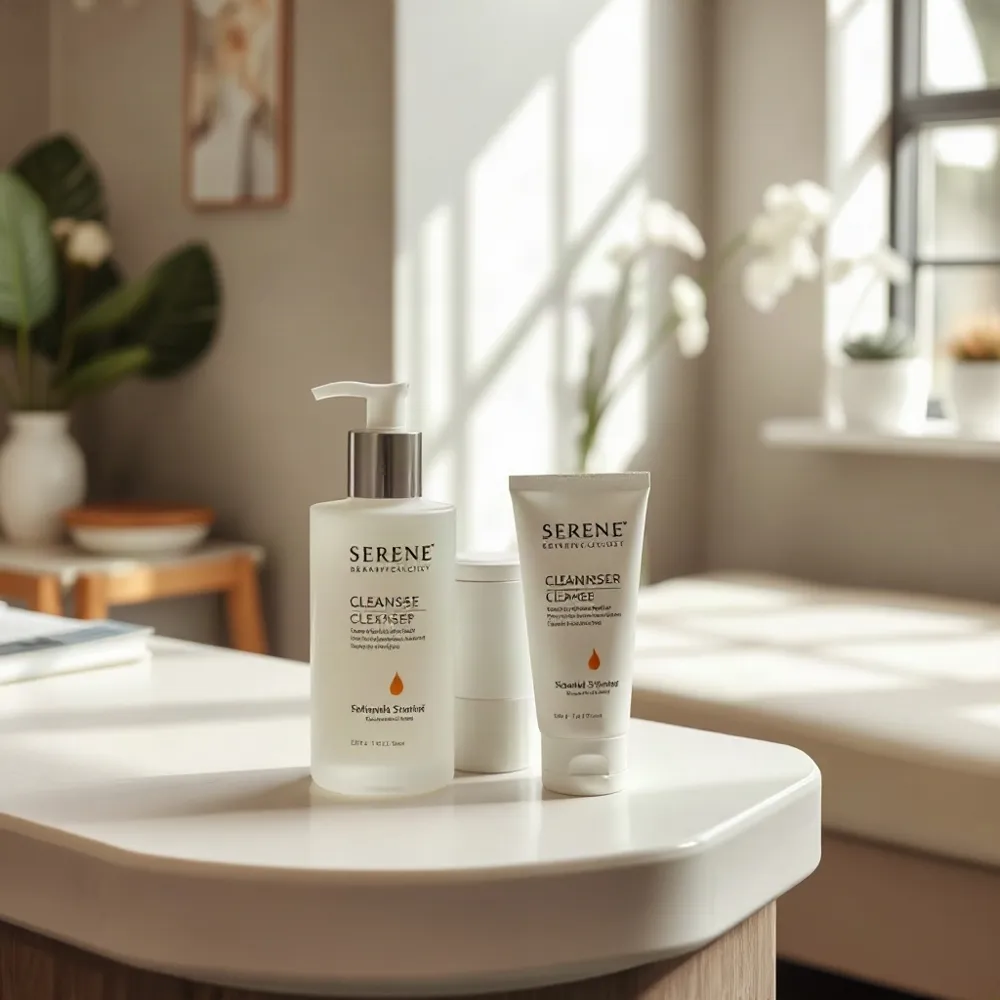 When skin feels dry or tight, a simpler routine is often easier to tolerate than adding several active products. Menopause can affect the skin’s ability to retain moisture, and gentle cleansing plus regular moisturizing can help support comfort and the skin barrier.
How can I care for dry skin during and after menopause?
Wash with lukewarm water and a mild, fragrance-free cleanser, then apply moisturizer while skin is still slightly damp. Creams or ointments containing glycerin, hyaluronic acid, ceramides, or petrolatum are options for supporting hydration. The American Academy of Dermatology’s menopause skin-care guidance also advises moisturizing after bathing and avoiding at-home exfoliation without professional guidance, since thinner skin may be more easily irritated.
A practical morning routine is gentle cleansing, moisturizer, and broad-spectrum sunscreen with SPF 30 or higher. At night, cleanse gently and moisturize again. Avoid long, hot showers, harsh scrubs, and products that sting or leave skin persistently red. If dryness continues, becomes very itchy, or leads to cracking or a rash, seek dermatologic advice rather than adding stronger exfoliants.
What skincare routine do dermatologists recommend for menopausal skin?
Dermatologists generally tailor routines to a person’s skin condition and sensitivity. If a retinoid is appropriate, introduce a low-strength product gradually and pause if irritation persists. Do not start multiple active ingredients at once, which can make it harder to identify what is causing discomfort.
At Dermatology Associates, PC, a clinician can assess persistent dryness or sensitivity and help shape a personalized skin-care plan. The practice serves patients in Indianapolis, as well as Batesville and Tipton.
Acne and Irritation Need Individual Care
Hormonal shifts during perimenopause and menopause can contribute to breakouts for some people. As estrogen declines, relative androgen activity may increase oil production and clog pores. At the same time, skin may be drier, thinner, and more sensitive than adolescent skin, so aggressive acne routines can cause irritation. The American Academy of Dermatology’s guidance on menopausal skin recommends avoiding products that excessively dry the skin.
Can menopause cause acne or breakouts, and how can they be treated?
Try gentle cleansing and a non-comedogenic moisturizer. A salicylic-acid cleanser may help unclog pores, but introduce acne products gradually and stop if they cause irritation. Avoid harsh scrubbing and picking, which can inflame skin and increase the chance of marks or scars. A 2025 review of menopause-associated skin changes notes that skin responses and treatment needs vary. Painful, persistent, or scarring acne deserves assessment by a dermatologist.
At Dermatology Associates, PC, medical dermatology care can assess acne alongside dryness, sensitivity, and other skin concerns, then guide treatment choices for the individual. The practice serves patients in Indianapolis, as well as Batesville and Tipton.
Can menopause cause rashes, and when should I see a dermatologist?
Menopause is not itself a direct cause of every rash, but changing skin hydration and sensitivity may make irritation more likely. Existing eczema or rosacea may worsen, and hot flashes can bring temporary facial flushing. Use fragrance-free, gentle products and avoid suspected irritants. Arrange a dermatology assessment if a rash persists, recurs, spreads, becomes painful or very itchy, or does not settle with gentle care. Rapid worsening, signs of infection, facial swelling, or trouble breathing require prompt medical attention.
Dermatology Associates, PC provides individualized evaluation for persistent acne and skin irritation at its Indianapolis, Batesville, and Tipton locations.
Sun Protection and Changing Spots
Menopause can make changes in skin tone more noticeable, but not every dark spot has the same cause. Hormonal shifts may influence pigmentation, while sun exposure can bring age spots into view and acne or other inflammation can leave lingering marks. Thinner, drier skin may also make uneven tone more apparent.
Daily broad-spectrum sunscreen with SPF 30 or higher on exposed skin helps limit further sun damage and lower skin-cancer risk, as the American Academy of Dermatology recommends. Apply it as part of your daily routine, not only during sunny weather.
Have a new, changing, or suspicious dark spot examined before applying a fading product. Skin cancer can resemble an age spot, and treating it as harmless discoloration could delay diagnosis. A dermatologist can assess the spot and recommend an appropriate next step.
Regular skin examinations and self-checks can help you notice changes. Ask a dermatologist how often to check your skin and what signs deserve attention. Dermatology Associates, PC provides individualized dermatologic care for patients in Indianapolis, as well as Batesville and Tipton.
Thinning and Loss of Firmness
Declining estrogen during perimenopause and menopause can contribute to reduced collagen, elasticity, and moisture in the skin. As a result, skin may look thinner, crepier, or less firm, and fine lines may become more noticeable. These changes vary from person to person and can reflect several influences, not hormones alone.
Chronological aging, accumulated sun exposure, genetics, and other individual factors also affect skin structure. A 2025 review describes how lower estrogen is associated with changes in collagen, hydration, and skin thickness, while emphasizing that study findings do not predict what will happen for each person. The review of menopausal skin changes offers context, not a treatment guideline.
Daily broad-spectrum sunscreen and regular moisturizing are practical starting points. The American Academy of Dermatology’s guidance on skin in menopause notes that sunscreen can help prevent further sun-related damage, but it does not thicken skin that has already become thin. Persistent concerns or changes that are difficult to manage merit professional assessment.
At Dermatology Associates, PC, clinicians can assess skin concerns and discuss care options in the context of a patient’s skin and goals. The practice serves patients in Indianapolis, as well as Batesville and Tipton. Hormone therapy is not a cosmetic fix for everyone; decisions should be made with a qualified clinician based on overall symptoms and health risks.
Options for Texture and Skin Laxity
Thinner, drier skin can look crepey, while age and accumulated sun exposure also affect collagen and elasticity. Daily broad-spectrum sunscreen with SPF 30 or higher, sun-protective clothing, and regular moisturizing can help protect skin and soften the appearance of dryness. The American Academy of Dermatology’s guidance on menopausal skin also advises getting professional guidance before trying exfoliation or microdermabrasion, since thinner skin may be more easily irritated.
A dermatologist may consider a retinoid or an exfoliating product for some patients, based on skin sensitivity, health history, and treatment goals. These options are not right for everyone, and a clinician can help weigh potential benefits against irritation.
For more noticeable texture or laxity, procedures such as radiofrequency microneedling or other skin-tightening treatments may be discussed after an examination. A 2025 review notes that research on aesthetic-treatment outcomes specifically in menopausal patients remains limited, so results should not be assumed or promised (review of menopausal skin changes).
At Dermatology Associates, PC, cosmetic and laser services include Morpheus8, which combines radiofrequency energy with microneedling. A clinician can assess whether it or another option suits a person’s skin type, sensitivity, goals, and health history. These procedures address cosmetic concerns and do not replace evaluation of a medical skin problem. Patients can discuss options at the practice’s Indianapolis location, as well as its Batesville and Tipton locations.
Hair Thinning Deserves an Assessment
Can menopause contribute to hair thinning, and what treatments may help?
Yes. Hormonal changes during and after menopause can contribute to gradual scalp thinning, but they are not the only possible cause. Thyroid problems, low iron or other nutrient levels, stress, medications, and female-pattern hair loss may also affect shedding. A widening part, persistent shedding, or bald patches are reasons to seek an assessment rather than assume menopause is responsible.
A dermatologist can examine the scalp and consider medical history and other factors to help identify the cause. The American Academy of Dermatology’s guidance on menopausal hair thinning recommends seeking evaluation when thinning first appears, since treatment depends on the underlying cause.
For some types of hair loss, a clinician may recommend topical minoxidil; other cases may call for treating an underlying health issue. Temporary shedding, such as telogen effluvium, may improve when its trigger resolves, while other forms of hair loss may benefit from treatment to slow further loss. A clinical assessment helps set realistic expectations and avoid using a treatment that does not match the cause.
Dermatology Associates, PC provides medical dermatology care at its Indianapolis, Batesville, and Tipton locations. An individualized evaluation can help distinguish menopause-related changes from other causes and guide next steps.
Hormone Therapy Requires Medical Guidance
Hormone replacement therapy (HRT) may improve skin hydration, thickness, collagen, and elasticity in some people. However, research findings are mixed, and results are not guaranteed. A 2025 narrative review of menopausal skin changes notes that studies have reported benefits, while others found no significant changes in some skin measures.
HRT is not indicated solely to treat estrogen-related skin changes. Decisions about systemic hormone therapy should consider the symptoms being treated, medical history, potential risks, and contraindications. A qualified clinician can help weigh those factors and discuss whether HRT is appropriate for an individual.
Topical hormone products are a separate consideration. Research on their use for facial skin is limited, and questions remain about safety and effectiveness. Avoid starting or applying hormone products to facial skin without medical guidance.
At Dermatology Associates, PC, patients can discuss skin concerns as part of individualized dermatologic care, separate from decisions about systemic HRT. The practice serves patients in Indianapolis, Batesville, and Tipton, and offers medical dermatology and cosmetic treatment options that a clinician can assess for suitability.
Personalized Care Sets Realistic Expectations
Menopause-related skin changes vary, and dryness, irritation, breakouts, or changes in firmness can have causes beyond hormonal shifts. A dermatologist can help distinguish expected changes from conditions that need diagnosis, especially when symptoms persist, worsen, or feel unusual. The American Academy of Dermatology’s guidance on menopausal skin recommends seeking professional advice for ongoing concerns.
A gentle cleanser, regular moisturizer, and daily broad-spectrum sunscreen can support skin comfort and help limit further sun damage. When a concern remains or a specific treatment goal matters, an assessment can help match options to skin type, health history, and expectations rather than relying on a one-size-fits-all plan.
At Dermatology Associates, PC, patients can discuss medical and cosmetic dermatology options as part of individualized care. The practice serves patients in Indianapolis, Batesville, and Tipton. A clinician can review concerns and explain which approaches may be appropriate, along with their limits.