Two Technologies With Different Uses
Radiofrequency (RF) and laser treatments can both support skin rejuvenation, but they deliver energy differently and are not interchangeable. RF uses electromagnetic energy to heat deeper tissue and encourage collagen remodeling, while lasers use focused light to address specific skin concerns. A recent review describes RF’s mechanism and notes that outcomes depend on the device and treatment plan, rather than one approach being best for everyone (radiofrequency technology review).
The sections ahead explain how these technologies work, the results and recovery they may involve, and why skin type, treatment goals, and clinical assessment matter. Dermatology Associates, PC serves patients in Indianapolis, Batesville, and Tipton, offering laser services alongside RF options such as Morpheus8, which combines RF with microneedling.
How RF and Laser Energy Work
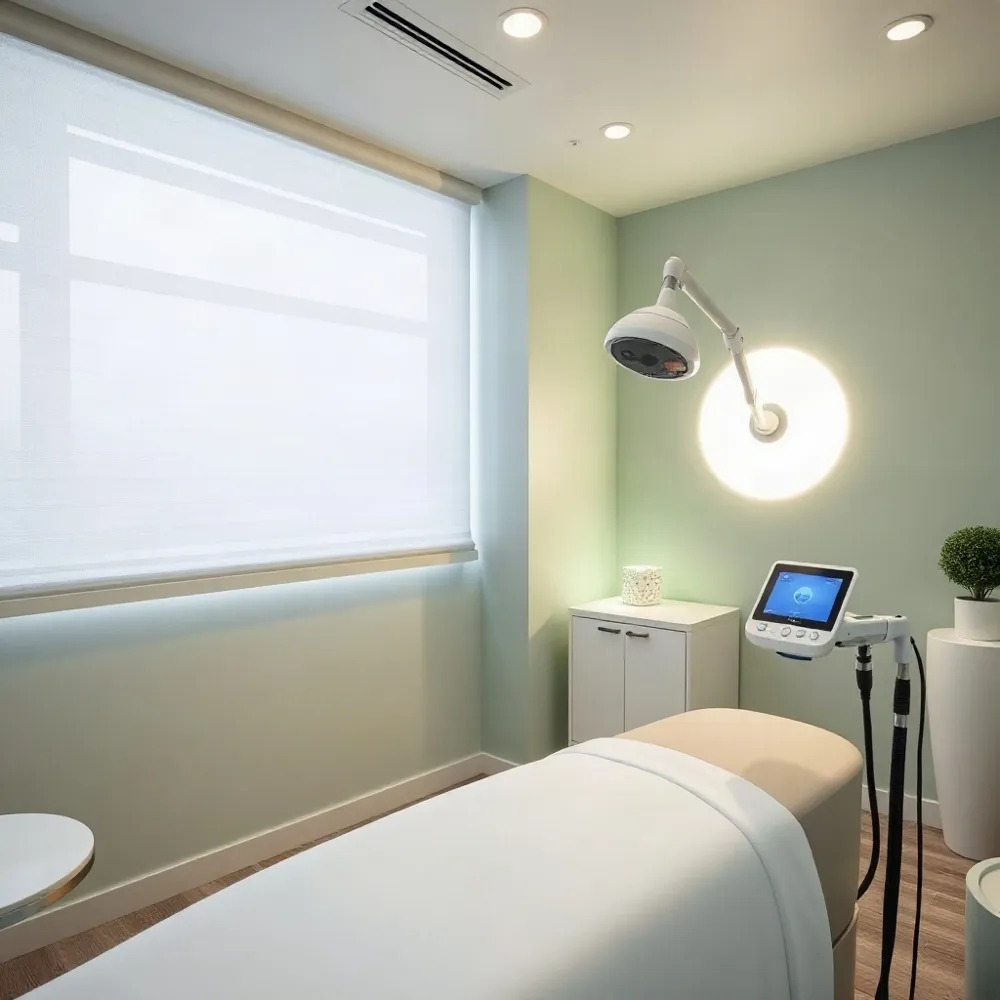 Radiofrequency (RF) sends electromagnetic energy into the skin, where controlled heating can prompt collagen remodeling. The response may gradually support firmer-looking skin and improved texture. RF devices vary in how they deliver energy, so treatment depth and approach depend on the technology and clinical plan. A recent review describes RF’s heating and collagen-remodeling process while noting that outcomes depend on the device and treatment method (review of radiofrequency technology).
Some RF treatments combine this energy with microneedling. At Dermatology Associates, PC, Morpheus8 pairs RF with microneedling to stimulate collagen and address skin tightness and texture. It is an RF-based treatment, not a laser.
Lasers use selected wavelengths of light to target tissue. Depending on the laser and its settings, treatment may focus on surface concerns such as uneven tone and texture, or use heat to encourage collagen and improve firmness. Ablative and nonablative approaches affect the skin differently, and their expected recovery can vary.
Both approaches may improve firmness or texture over time, but they rely on different energy sources and treatment mechanisms. The appropriate option depends on the concern, treatment area, skin type, and medical history. Dermatology Associates, PC serves patients in Indianapolis, Batesville, and Tipton, and offers customized treatment planning so a clinician can discuss expected benefits, risks, and recovery for the options available.
Choosing a Treatment for Your Goals
 Neither radiofrequency (RF) nor laser treatment is best for everyone. The choice depends on the concern, treatment area, skin characteristics, goals, and the specific device.
RF is often considered for mild to moderate laxity because controlled heat reaches deeper tissue and encourages collagen production. At Dermatology Associates, PC, Morpheus8 combines RF with microneedling to support collagen remodeling and improve skin tightness and texture. A clinician can assess whether that approach fits your needs.
Laser treatments vary by type and can target surface concerns such as sun damage, uneven tone, and texture; some also encourage collagen and firmness. Laser resurfacing can carry a higher risk of lasting skin-color changes for people with brown or Black skin, so skin tone and device settings matter. Medical history and current treatments should also be reviewed.
Neither approach reliably corrects significant sagging. A consultation at the practice’s Indianapolis location can help clarify likely benefits, risks, recovery, and alternatives, including whether RF microneedling, laser treatment, or another option is appropriate. Cleveland Clinic’s RF guidance also notes that RF tends to be more effective for early signs of aging than severe sagging.
Results, Timing, and Maintenance
Radiofrequency (RF) and laser treatments may gradually improve firmness, mild skin laxity, and fine lines. Depending on the device, treatment may also address texture or sun damage, but neither approach guarantees the same result for every person.
With RF, visible changes can take two to six months as collagen and elastin develop, and a provider may recommend a series of treatments. Results are temporary because skin continues to age; Cleveland Clinic notes that RF effects may last about one to three years with proper skin care. Laser resurfacing results can also last for years, though aging and further sun damage may reduce them.
The amount and duration of improvement depend on the technology, treatment area, skin condition, and individual plan. Treatments tend to be more suitable for mild to moderate laxity than substantial loose skin. At Dermatology Associates, PC, Morpheus8 combines RF with microneedling, while FaceTite and BodyTite use RF-assisted lipolysis to address loose skin and fat. A clinician can discuss whether these options or laser treatment fit your goals.
Maintenance may be considered as the skin changes over time. Sun protection and the aftercare recommended by your clinician support ongoing skin care. Patients can discuss expected results and treatment options at the practice’s Indianapolis office, as well as its Batesville and Tipton locations.
Risks and When to Seek Help
 Common short-term effects of radiofrequency (RF) skin tightening include redness, swelling, tenderness, and temporary discomfort. Burns are rare but possible, and complications can vary with the device, settings, treatment area, and provider’s experience. The Cleveland Clinic’s RF skin-tightening guidance advises choosing an experienced provider who uses an appropriate device.
Less common complications may include scarring, changes in skin color, or unwanted effects on underlying tissue. Serious injuries, including fat loss, disfigurement, and nerve damage, have also been reported with RF microneedling. These are not typical outcomes, but they underline why device selection, technique, and clinician training matter. Ask about the specific device, its risks, and alternatives before treatment, and do not use RF microneedling devices at home.
Contact your treating clinician promptly about unexpected pain, blistering, worsening swelling, persistent redness or sensitivity, skin-color changes, or other concerning symptoms. Arrange an assessment rather than waiting for a possible burn or irritation to resolve on its own. Severe or rapidly worsening symptoms call for immediate medical care. Avoid applying new treatments or booking another procedure for a complication unless a qualified clinician recommends it.
Current evidence has not established that properly performed cosmetic RF or laser treatments cause cancer. RF uses electromagnetic energy to heat tissue, while lasers use focused light, but that difference does not make every device or use risk-free. Burns, pigment changes, and other complications remain possible, particularly with unsuitable settings or technique. Share your medical history, skin conditions, medications, and cancer-risk concerns with your clinician.
If you are dissatisfied with your results but have no urgent symptoms, discuss your concerns and realistic next steps with the clinician who performed the treatment. Dermatology Associates, PC offers RF procedures such as Morpheus8, which combines RF energy with microneedling, and provides consultations for patients in Indianapolis, Batesville, and Tipton to review treatment suitability and risks.
Downtime and Aftercare Depend on Treatment
Recovery varies with the device, treatment intensity, area treated, and individual response. Many RF skin-tightening treatments cause temporary warmth, redness, or swelling, while RF microneedling may leave skin sensitive for several days. Morpheus8 combines RF energy with microneedling, so its aftercare should reflect the specific treatment plan.
Laser recovery also depends on the procedure. Nonablative treatments may involve a shorter recovery, while ablative resurfacing removes outer skin layers and can require more healing time. Mayo Clinic’s laser resurfacing guidance describes these differences and notes that recovery varies by approach.
After either treatment, follow your clinician’s instructions, protect treated skin from the sun, and use gentle skincare while it heals. After RF microneedling, your provider may ask you to avoid makeup briefly and pause retinoids, acids, or exfoliants. These precautions are treatment-specific, so confirm the timing with your care team.
At Dermatology Associates, PC, patients in Indianapolis can discuss expected recovery and aftercare for the recommended device and settings before treatment.
Choosing a Qualified Provider and Planning Costs
Choose a qualified medical professional with specific training and experience in the radiofrequency or laser device being considered and the concern you want to treat. Ask who will perform the procedure, what supervision is provided, and how the practice responds to side effects or complications.
A careful consultation should cover your medical history, skin type, goals, and whether the treatment is suitable for you. Ask about the device’s FDA status for its intended use, expected results, recommended sessions, recovery, risks, and alternatives. The FDA’s device information can help explain device regulation, but a clinician should clarify the status of the specific device and its intended use.
At Dermatology Associates, PC, treatment planning can include RF options such as Morpheus8, which combines radiofrequency energy with microneedling, or FaceTite and BodyTite, which use radiofrequency-assisted lipolysis. The appropriate option depends on your concerns and clinical assessment, not simply on the device name.
Costs vary by device, treatment area, provider, and the number of sessions recommended. Ask for an itemized estimate covering all planned treatments, aftercare, and possible maintenance. Cosmetic procedures are generally not covered by insurance, though coverage depends on the service and plan.
Patients in Indianapolis, Batesville, and Tipton can request a consultation and personalized quote from Dermatology Associates, PC before deciding.
Make the Choice With a Clinician
Radiofrequency and laser treatments use different forms of energy and address skin concerns in different ways. The right choice depends on your goals, skin, and the treatment plan a clinician recommends. Laser resurfacing and radiofrequency skin tightening each have benefits and risks that merit an individual assessment.
At Dermatology Associates, PC, options include Morpheus8, which combines RF energy with microneedling, and FaceTite and BodyTite, which use RF-assisted lipolysis to tighten skin and address fat deposits. A consultation can cover suitability, expected benefits, risks, downtime, and cost. Patients can discuss personalized options at the practice’s Indianapolis location, Batesville, or Tipton.