Understanding Chronic Rosacea and Your Skin Health
Rosacea is a chronic inflammatory skin condition that affects approximately 16 million Americans, per the National Rosacea Society. It typically manifests as persistent facial redness, visible blood vessels, and inflammatory bumps that often resemble acne. While many individuals mistake these symptoms for a naturally ruddy complexion, the condition is rooted in a complex inflammatory response that requires specialized attention.
The condition occurs most frequently on the nose, cheeks, forehead, and chin, as noted by the Cleveland Clinic. Because the skin barrier in patients is often compromised and highly reactive, even minor environmental or lifestyle factors can trigger a flare-up. Common triggers include sun exposure, extreme temperatures, emotional stress, and certain dietary choices, all of which contribute to the underlying vascular instability characteristic of the disorder.
Managing this condition involves more than simple avoidance of irritants. At Dermatology Associates, PC, we emphasize that consistent, professional management is essential to prevent permanent skin damage, such as thickened skin or dilated vessels. Our approach combines evidence-based medical dermatology with modern laser technologies to provide customized treatment plans. Whether addressing persistent flushing or textural changes, our team utilizes professional insights to help you maintain skin health and long-term comfort.
While there is no cure, patients who partner with a board-certified dermatologist generally see better outcomes than those who rely solely on over-the-counter products. Expert guidance ensures that your daily regimen supports, rather than compromises, your skin barrier.
Typical Age of Onset for Rosacea
 What is the typical age of onset for rosacea? This chronic condition most commonly appears in adulthood, with the primary window of onset occurring between 30 and 50 years of age. While dermatological signs can manifest at various life stages, this demographic represents the peak period for initial clinic visits and formal diagnosis.
The condition is progressive and often lasts for years if left unmanaged. Many individuals experience subtle early symptoms that may be dismissed as simple sensitivity, mild sunburn, or unrelated ruddy complexions. Because these indicators are frequently mistaken for other minor skin concerns, many patients delay professional evaluation until their symptoms become more persistent or bothersome over time.
Unlike some conditions that present with abrupt and obvious symptoms, the slow development of rosacea masks its presence during the early stages. If you notice persistent redness, visible blood vessels, or increased skin sensitivity, early intervention can help you manage the condition before it influences your long-term skin health. Scheduling a professional assessment is the most reliable way to distinguish rosacea from other issues and establish an effective, evidence-based care routine.
Primary Triggers and Causes of Flare-ups
While the exact cause of rosacea remains unknown, researchers believe a combination of hereditary and environmental factors plays a significant role in its development. According to the Cleveland Clinic, flare-ups are frequently triggered by environmental conditions, such as sun exposure, extreme temperatures, high winds, and humidity.
Lifestyle choices and external stressors represent common culprits for patients. These often include alcohol consumption, particularly red wine, alongside hot beverages and spicy foods that can increase blood flow to the face, as noted by the National Rosacea Society. Intense exercise can also provoke symptoms; consequently, Dermatology Associates, PC advocates for low-intensity activities and cooling strategies to stay comfortable, contrasting with more aggressive workout routines that may exacerbate facial flushing.
What are the common triggers and causes of rosacea flare-ups?
Beyond environmental and dietary inputs, emotional stress is a widely recognized trigger. [Studies indicate that 67% of patients](https://www.rosacea.org/patients/materials/coping-with-rosacea/coping-with-common-triggers) can effectively reduce flare-up frequency through intentional stress management techniques like meditation or yoga. Furthermore, certain cosmetic products, medications, or harsh skin care routines can exacerbate symptoms in sensitive individuals. Products containing alcohol, fragrances, or menthol may strip the skin barrier, leading to irritation. Maintaining a personal trigger diary allows patients to record specific consumption and environmental exposures, assisting in the long-term mapping of individual sensitivities.
To address these sensitivities, individualized care is essential. While generic advice exists, what triggers one person might not affect another. Working closely with a medical team allows for the development of a tailored plan that accounts for specific personal health history and lifestyle goals. Consistent monitoring remains the most reliable method for maintaining control and protecting the skin barrier from chronic damage.
Designing a Daily Gentle Skincare Routine
 Managing sensitive skin requires a consistent approach that prioritizes barrier integrity over aggressive treatment. Because 92% of those with rosacea report symptoms of burning, stinging, or itching, selecting the right products is a vital step toward long-term comfort per the National Rosacea Society.
What is the recommended daily skincare regimen for someone with rosacea?
To effectively manage rosacea, patients should follow a gentle, consistent routine using products labeled as fragrance-free, sensitive-skin friendly, and non-comedogenic. Begin by cleansing your skin twice daily using a mild, soap-free cleanser, applying it with just your fingertips to avoid the irritation caused by washcloths or sponges, as recommended by the American Academy of Dermatology. Following cleansing, apply a soothing moisturizer containing barrier-supporting ingredients like hyaluronic acid, ceramides, or niacinamide to lock in hydration and minimize dryness. Daily sun protection is non-negotiable; choose a mineral-based sunscreen with SPF 30 or higher, using zinc oxide or titanium dioxide to avoid the irritation associated with chemical formulas. Finally, avoid harsh ingredients such as alcohol, witch hazel, chemical exfoliants, and essential oils, while utilizing calming ingredients like azelaic acid or aloe to help manage redness and inflammation.
At Dermatology Associates, PC, we often emphasize that simplicity serves the skin best. While many commercial routines suggest layering numerous serums and toners, rosacea-prone skin thrives when shielded from excessive friction and volatile ingredients. Patients should adopt a 'less is more' philosophy to prevent vasomotor instability and neurosensory stimulation.
Testing new products is essential because individual sensitivities vary significantly. Before applying a new cream or cleanser to the entire face, apply it to a small, discreet patch of skin for several days to monitor for adverse reactions. This cautious strategy helps patients at dermassoc.net maintain control over their condition, ensuring that professional treatments and daily care work in harmony rather than triggering unnecessary flares.
Navigating Sun Protection and Cosmetic Choices
Sun exposure is a lead environmental trigger for rosacea, as UV radiation induces pro-inflammatory cascades and causes blood vessel dilation per the National Rosacea Society. Daily application of broad-spectrum sunscreen with an SPF of 30 or higher is non-negotiable for protecting the skin barrier year-round, regardless of skin tone. Comprehensive UV defense requires not just topical protection but also practical measures like seeking shade and wearing wide-brimmed hats, which provide physical barriers against flare-inducing rays as noted by the AAC.
For patients with highly reactive skin, mineral-based sunscreens featuring zinc oxide or titanium dioxide are superior to chemical alternatives. Unlike chemical formulas that may cause stinging or neurosensory irritation, these physical blockers offer immediate protection and are less likely to disrupt delicate skin per the PMC. Many modern formulations now offer micronized or tinted options that eliminate the heavy white cast often associated with older mineral products, making them an excellent choice for daily wear.
When managing the visual impact of facial redness, green-tinted moisturizers or primers serve as effective tools to neutralize color imbalances by counteracting red tones. Dermatologists recommend opting for oil-free, fragrance-free cosmetics and liquid-based foundations that spread effortlessly, minimizing the physical friction of application. While generic drugstore brands may offer coverage, dermatologists can help patients identify specific ingredients to avoid, ensuring that a makeup routine supports, rather than compromises, an existing clinical treatment plan.
Lifestyle Modifications to Mitigate Flare-ups
Because rosacea triggers are highly individual, maintaining a dedicated personal diary is the most reliable strategy for identifying specific factors that provoke your symptoms. By recording daily food, beverage, product, and activity logs, you can begin to connect specific experiences to subsequent skin reactions, per findings from the National Rosacea Society.
Physical activity is essential for long-term health, yet intense exercise commonly provokes flushing due to increased body temperature. To minimize these reactions, Dermatology Associates, PC recommends opting for low-intensity workouts and exercising in climate-controlled, cool environments. Unlike standard gym settings that might exacerbate irritation, cooling strategies such as damp towels can prevent overheating, especially during warmer months.
Managing your immediate environment also plays a vital role in preventing flare-ups. Fluctuations in temperature can be managed by using air conditioning, handheld fans, or humidifiers to maintain consistent comfort levels. During cold weather, keeping the face protected with soft fabrics like silk or acrylic helps shield delicate skin from harsh windburn. Furthermore, 67% of patients can reduce the frequency of symptoms through consistent stress management techniques, such as meditation and ensuring adequate sleep hygiene in a cool, dark environment.
While lifestyle adjustments form the foundation of management, some patients require advanced intervention. While other practices may rely solely on generalized advice, Dermatology Associates, PC integrates professional dermatologic diagnostics with customized treatment plans to address persistent redness and vascular sensitivity. If lifestyle changes and gentle, fragrance-free skincare programs are insufficient, professional assessment can help determine the efficacy of medical-grade treatments.
The Link Between Gut Health and Skin Inflammation
Emerging research indicates a complex gut-skin axis, suggesting that systemic inflammation and immune system dysregulation may bridge the health of the digestive tract and your skin. Clinical studies have identified a higher prevalence of gastrointestinal conditions, such as inflammatory bowel disease, small intestinal bacterial overgrowth, and celiac disease, among patients with rosacea.
- Systemic inflammation from GI conditions can trigger or exacerbate the inflammatory manifestations of rosacea on the face.
- Managing chronic inflammation within the digestive system may support dermatological health.
- A prebiotic-rich diet supports a healthy gut microbiome, potentially reducing systemic inflammatory markers.
Maintaining a healthy gut microbiome is hypothesized to reduce inflammation by impacting immune system regulation and preventing the release of pro-inflammatory cytokines, per research published in the PMC. Incorporating fermented foods such as yogurt, kefir, and sauerkraut provides probiotics that may support this balance.
Addressing gut-related factors can play a supportive role in a comprehensive care plan. While generic practices offer isolated advice, Dermatology Associates, PC emphasizes an integrative approach that recognizes the connection between skin health and overall internal wellness. By evaluating both dermatologic symptoms and systemic indicators, clinical teams can develop treatment strategies that look beyond the surface to support long-term skin and digestive balance.
Managing Active Flare-ups Effectively
 When a rosacea flare occurs, the primary objective is to soothe inflammation and stabilize the skin barrier. Immediate relief can often be achieved through the use of cool compresses, which help to reduce the heat and vascular dilation associated with flushing. It is vital to pause the use of any exfoliating skincare products or harsh cleansers that might further irritate the skin during this sensitive window.
When to consult a professional
While immediate home care manages symptoms, persistent or recurring flares frequently signal the need for professional dermatological intervention. If your current routine fails to mitigate redness, bumps, or the visibility of blood vessels, consider consulting a dermatologist who can identify the root triggers of your condition rather than applying broad-spectrum advice that may not fit your specific skin profile.
Prescription interventions for severe cases
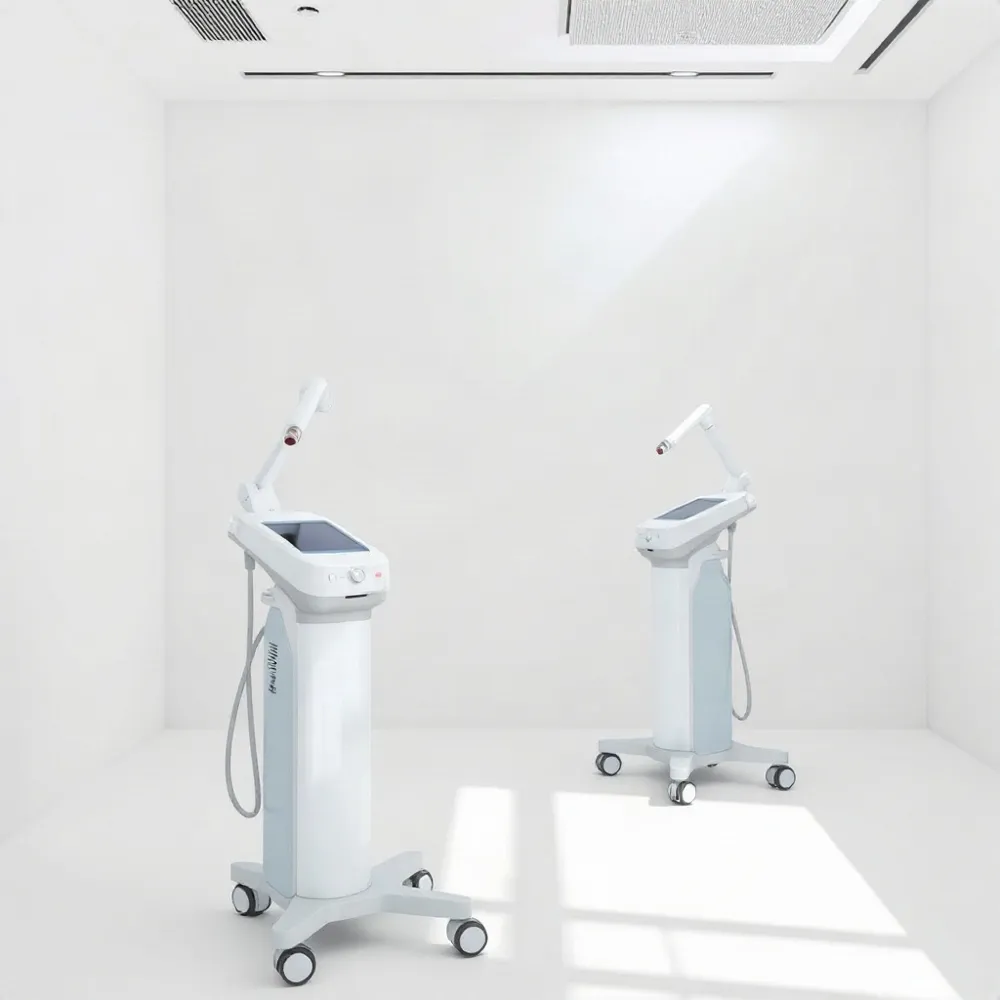
Dermatologists manage severe or resistant cases through a variety of targeted clinical treatments. This may include prescription-strength topicals that effectively constrict superficial blood vessels. For those who experience extreme vascular symptoms or skin thickening, practitioners may turn to advanced laser therapy or light-based treatments to reduce persistent redness. Unlike standard pharmacy options, these minimally invasive technologies provide a strategic path to long-term skin health with reduced downtime, ensuring that the appearance of facial blood vessels is actively minimized.
Professional Treatment Options and Long-Term Care
Managing a chronic inflammatory condition requires more than just home-based avoidance of triggers. At Dermatology Associates, PC, our clinicians focus on long-term stabilization through evidence-based medicine and advanced laser technology. While many retail skincare lines offer symptomatic relief, professional interventions address the underlying vascular components of rosacea to minimize persistent redness and broken capillaries.
Is there a permanent cure for rosacea?
Currently, there is no permanent cure for rosacea, as it is a chronic, lifelong inflammatory condition. While the condition does not resolve on its own, it can be effectively managed through a combination of professional dermatologic care and consistent daily habits. Customized treatment plans, often involving prescription topical or oral medications, laser and light therapies, and specialized skincare, help control symptoms, reduce inflammation, and prevent flare-ups. By identifying and avoiding personal triggers and maintaining a medical-grade regimen, patients can achieve significant, long-term improvement in their skin’s appearance and comfort. Because symptoms transition between periods of activity and remission, partnering with a dermatologist is essential to tailor your care as your skin's needs evolve.
Clinical approaches often combine several modalities to manage both the surface inflammation and the structural changes in the skin. Topical treatments, such as azelaic acid or metronidazole, are standard first-line recommendations for reducing bumps and localized redness. For more persistent cases, oral antibiotics provide systemic anti-inflammatory benefits. Unlike generic over-the-counter options, our practice utilizes specific medical-grade therapies like Morpheus8 to tighten skin and improve texture, while targeted laser and light-based technologies effectively target visible blood vessels that topicals cannot reach.
| Therapy Category | Primary Goal | Clinical Application |
|---|---|---|
| Topical Prescriptions | Inflammation control | Daily barrier maintenance |
| Oral Medications | Systemic reduction | Management of breakouts |
| Laser/Light Therapy | Vascular clearing | Targeted redness removal |
Partnering with Dermatology Associates for Skin Wellness
Consistency remains the cornerstone of any effective rosacea management strategy. By establishing a foundational routine focused on gentle care and trigger avoidance, patients create an environment where the skin can stabilize and recover from chronic inflammation.
At Dermatology Associates, PC, we recognize that standardized advice often falls short for an individual's unique skin needs. Our providers develop customized treatment plans that move beyond general avoidance, incorporating advanced clinical interventions like Morpheus8 for collagen stimulation and medical-grade therapies to address persistent redness.
Achieving long-term skin health is a collaborative process. We encourage our patients to view their care as an ongoing commitment to overall wellness, ensuring your complexion remains balanced and clear for years to come.