Wart Treatment Depends on the Case
Warts are common, usually harmless growths caused by human papillomavirus. Some clear without treatment, while others persist, spread, or become uncomfortable. Freezing and laser treatment are among several options, alongside topical medicines and other clinician-directed approaches.
No single treatment suits every wart. Choice depends on its location, symptoms, treatment history, and the patient’s circumstances; evidence from a small trial comparing freezing with CO2 laser for plantar warts does not establish that laser is better for all cases (clinical trial).
At Dermatology Associates, PC, medical dermatology care includes assessment of warts and treatment plans tailored to individual concerns. The sections ahead explain how freezing and laser compare, what treatment may involve, and when professional evaluation can help confirm the diagnosis and guide care.
Recognizing Warts and Knowing When to Seek Care
 Warts are noncancerous growths caused by certain types of human papillomavirus (HPV), which infects the outer layer of skin. Many eventually clear as the immune system responds, though some persist or return. Warts can also spread through contact, either to another person or to a different area of your body. Covering a wart and washing your hands after touching it can help limit transmission.
A rough or raised bump is not always a wart. Some other skin conditions can look similar, so a dermatologist can examine the growth and confirm what it is before treatment. The American Academy of Dermatology’s wart guidance recommends seeking care when a growth is painful, bleeding, changing, or difficult to identify, or when home treatment has not helped.
Professional assessment is especially prudent for growths on the face or genitals, or near or under the nails. Skin in these areas can be sensitive, and applying over-the-counter wart products without a confirmed diagnosis may cause irritation or injury. A dermatologist can also treat warts in these locations with methods that are less likely to damage surrounding skin.
Home Care and Other Treatment Options
Treatment choices depend on a wart’s location, size, duration, prior treatment, and the person’s health and preferences. Dermatology Associates, PC develops treatment plans around individual concerns, so a clinician can help weigh home care against office-based options.
For one or a few small warts, over-the-counter salicylic acid can gradually remove affected skin. Soak the wart in warm water for about five minutes, dry it, then apply the product as directed, taking care to avoid nearby skin. Gently file softened dead skin with a disposable emery board or pumice stone used only on that wart. The process may take weeks or months; the American Academy of Dermatology’s salicylic acid guidance recommends following treatment instructions and returning for care when needed.
Stop treatment and contact a dermatologist if the area becomes very sore or irritated, or if pain, bleeding, or blisters develop. Get medical guidance before treating a growth on the face or genitals, or if you have diabetes, poor circulation, or numbness in the area. When a growth is not clearly a wart, professional assessment can help avoid treating the wrong condition.
Covering a wart with duct tape is sometimes tried, but evidence for this approach is mixed. If careful home treatment does not help, a dermatologist may consider cryotherapy, which freezes the wart with liquid nitrogen, or another procedure suited to its location and history. Dermatology Associates, PC provides medical dermatology care for warts; the clinician can discuss appropriate options and realistic expectations. More than one treatment may be needed, and a wart can return.
Freezing and the Challenge of Plantar Warts
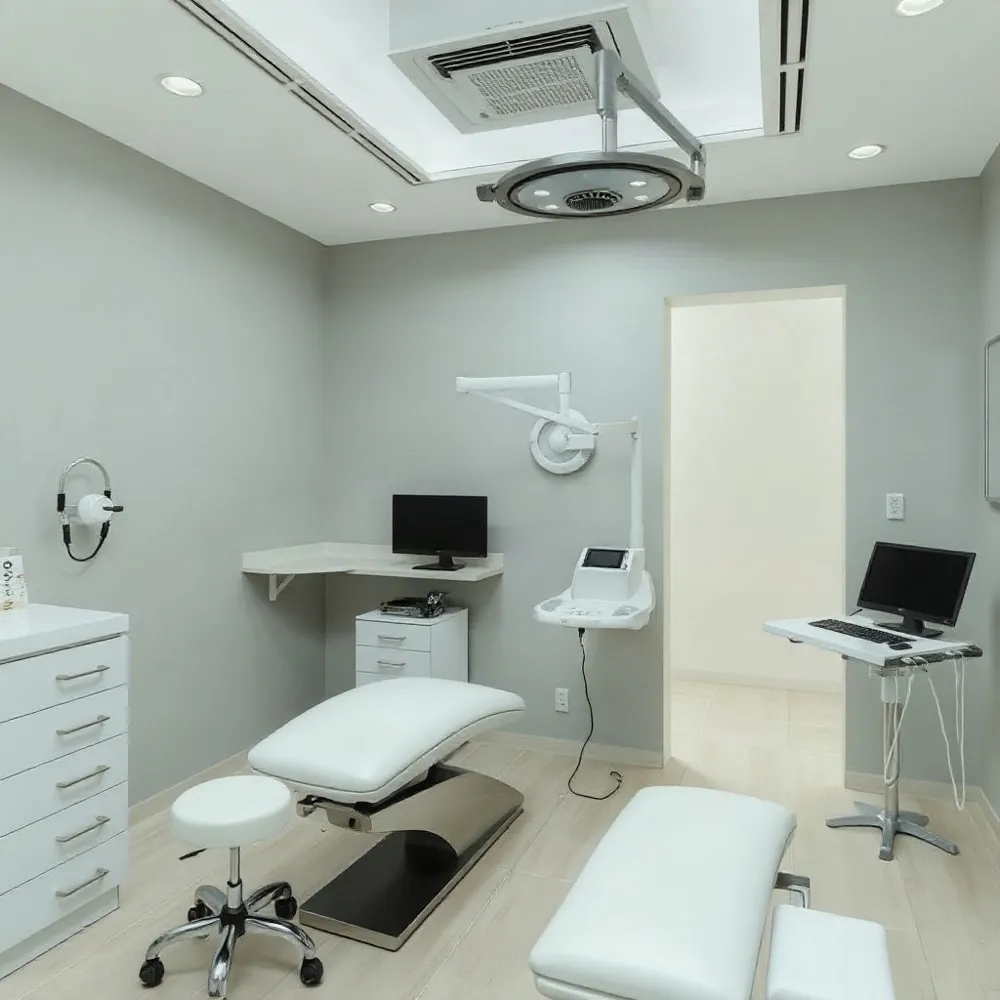 Cryotherapy is an office treatment in which a clinician applies liquid nitrogen to freeze and damage a wart and a small area of nearby skin. The cold can trigger brief stinging or burning, followed by soreness, redness, or swelling. A blister may form, then dry into a scab as the area heals.
Keep the treated site clean, protect it with a bandage if it rubs or drains, and avoid picking at a blister or scab. Follow the clinician’s wound-care instructions, and contact the office if redness, heat, or swelling worsens or if pus appears. Healing time varies by treatment site and extent; after cryosurgery, treated skin may take a few weeks to heal, according to the American Academy of Family Physicians.
One visit may not be enough. Cryotherapy is often repeated every few weeks, and clearance varies with the wart and the amount of thickened skin over it. At Dermatology Associates, PC, wart care is part of medical dermatology, with treatment plans tailored to the patient’s concerns and circumstances rather than assuming one method suits every case.
Plantar warts can be especially troublesome because pressure from standing and walking may push them inward, make them painful, and thicken the skin above them. That thickened layer can make treatment more difficult, and repeated visits or another approach may be considered if freezing does not resolve the wart. A small trial comparing cryotherapy with CO2 laser for plantar warts found different treatment-session needs, but its results do not establish that laser is better for every patient or wart type (trial details).
Corns and calluses can resemble plantar warts, so an examination matters before treatment. A clinician can confirm the diagnosis and weigh the spot’s location, symptoms, health factors, and response to earlier care. Seek assessment if a spot changes, becomes unusually painful, or does not improve with treatment.
Comparing Laser Treatment With Freezing
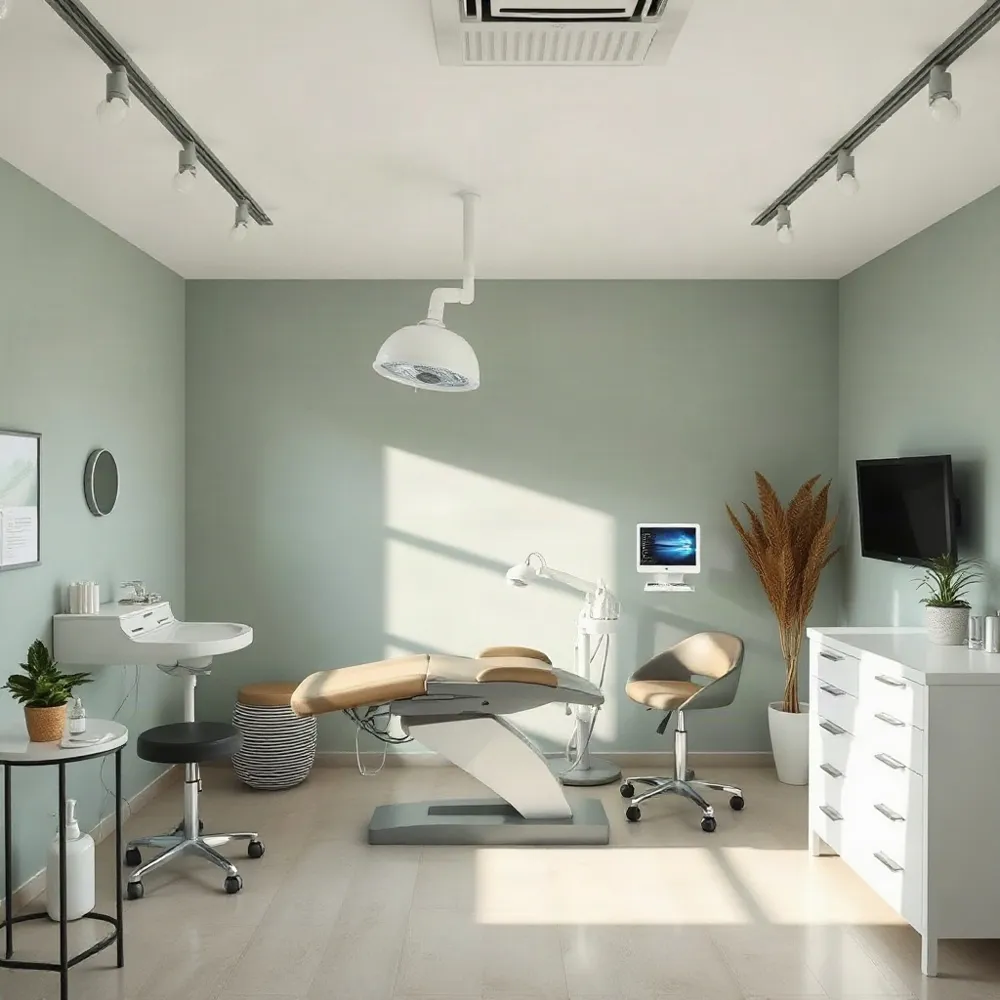 Laser treatment is not established as more effective than cryotherapy for every wart. Results can differ with the wart’s location and type, the laser used, and the treatment plan. At Dermatology Associates, PC, wart care is part of medical dermatology, where treatment planning can account for a patient’s skin and health needs.
A study comparing long-pulsed Nd:YAG laser with cryotherapy found similar clearance rates at 16 weeks and six months. Laser treatment cleared warts faster in some analyses and was associated with less severe side effects, but those findings do not show that it is the better option in every case. The study is available through PubMed Central.
A separate randomized trial of 60 adults with plantar warts compared CO2 laser with freezing. Among participants who completed treatment, the median number of sessions for resolution was one with laser and three with cryotherapy. Recurrence at the three-month follow-up was not significantly different between the groups, so the trial did not establish that laser treatment is the better option for plantar warts.
Laser Recovery and Treatment Costs
After laser wart treatment, the area may feel tender or sore, look red or swollen, or develop a blister or scab. Temporary pigment changes, scarring, and infection are also possible, and a wart may persist or return. Risks vary with the laser used, the wart’s size and depth, and its location. The American Academy of Dermatology’s guidance on laser therapy notes that discomfort and swelling can last for a time after treatment.
Healing is not the same for everyone. Keep the treated area clean and follow the clinician’s directions for dressings and ointments. Your health and the wart’s characteristics can affect recovery, and some lesions need follow-up or additional treatment. Contact your clinician if pain worsens, redness or swelling spreads, or drainage develops, as these may signal infection.
At Dermatology Associates, PC, wart care is part of its medical dermatology services, with treatment plans tailored to each patient. The practice also offers laser and radiofrequency procedures for other skin concerns.
A Personalized Plan Sets Expectations
A wart’s diagnosis, location, symptoms, treatment history, health conditions, and personal preferences all help shape an appropriate plan. Freezing, laser treatment, or another approach may be considered, but no single option suits every wart, and recurrence remains possible.
At Dermatology Associates, PC, treatment planning is personalized and grounded in evidence-based medical care. Ask a dermatologist which options fit your situation, how many visits may be needed, what aftercare involves, and what risks and costs to expect. Laser procedures used for warts are not confirmed among the practice’s listed services, so ask about availability rather than assuming a particular treatment is offered.