The Unexpected Return of Breakouts
Acne is often viewed as a teenage problem, yet a growing number of adults face breakouts well into their 30s, 40s, and 50s. Adult acne is defined as any acne that occurs after age 25. It can be a frustrating surprise, especially for those who had clear skin during adolescence.
There are two main forms. Persistent acne continues from the teenage years without ever fully clearing. Adult-onset acne appears for the first time in adulthood. According to the American Academy of Dermatology, adult-onset acne is most common among women going through menopause.
No two cases of adult acne are exactly alike. At Dermatology Associates, PC, Dr. Sonya F. Campbell Johnson and her team develop personalized treatment plans for patients of all ages, skin types, and ethnic backgrounds. This individualized approach addresses the specific causes and concerns of each person.
This article covers the root causes, lifestyle triggers, medical treatments, and strategies for achieving clear skin. Understanding the unique nature of adult acne is the first step toward effective management.
Root Causes of Adult Acne
 Adult acne, defined as acne that occurs after age 25, is driven by the same four direct factors as teenage breakouts: excess oil production, clogged pores, bacteria, and inflammation. However, the triggers that set these processes in motion are often different for adults, especially women. Understanding these root causes is the first step toward effective treatment.
Hormones: The Primary Driver
Hormonal fluctuations are the leading cause of adult acne. Androgens like testosterone stimulate the sebaceous glands to produce excess sebum, which clogs pores and feeds acne-causing bacteria. This is especially common in women during perimenopause and menopause, when declining estrogen allows androgens to become more dominant. Conditions like polycystic ovarian syndrome (PCOS) can raise testosterone levels, leading to persistent, painful cystic breakouts along the jawline and chin.
For many women, acne flares predictably with the menstrual cycle due to natural shifts in hormone levels. Even starting or stopping birth control pills can trigger breakouts. While these hormonal shifts are natural, their effects on the skin can be managed. At Dermatology Associates, PC, Dr. Sonya F. Campbell Johnson and her team design personalized treatment plans that address the underlying hormonal causes of acne, helping patients restore clear, healthy skin.
Stress, Diet, and Lifestyle Triggers
Stress is a significant contributor to adult acne. When stressed, the body produces more cortisol, which signals the oil glands to overproduce sebum, leading to clogged pores and inflammation. This can create a frustrating cycle where acne causes more stress, leading to further breakouts.
Diet also plays a role. A meta-analysis of 14 studies involving nearly 80,000 participants found a link between dairy products and an increased risk of acne. High-glycemic foods, such as refined carbohydrates and sugary snacks, can cause insulin spikes that increase oil production and inflammation. Additionally, certain medications, including corticosteroids, anabolic steroids, and lithium, are known acne triggers.
The Role of Skincare and Underlying Conditions
Many adults unknowingly use pore-clogging hair and skincare products. Products labeled "non-comedogenic" or "oil-free" are least likely to cause breakouts. Harsh cleansers or over-washing can strip the skin barrier, triggering rebound oil production and worsening acne. Sometimes, acne is a sign of an underlying medical condition. A sudden onset of acne accompanied by symptoms like hair loss, irregular menstrual cycles, or rapid weight changes should be evaluated by a doctor, as it may indicate an endocrine disorder.
Hormonal vs. Bacterial Acne
 Hormonal acne has a telltale signature: deep, painful cysts clustered along the jawline, chin, and lower face in a U-shaped pattern. Research shows chin involvement occurs in 91.4% of cases, while nose involvement is only 21.8%. Many women notice these flares aligning with their menstrual cycle, often worsening in the premenstrual period.
Bacterial acne is driven by Cutibacterium acnes, a bacterium that lives on nearly everyone's skin. However, an overgrowth of this bacteria does not mean you have an infection that can be treated with antibiotics alone—antibiotic monotherapy is not recommended due to increasing bacterial resistance. Benzoyl peroxide, which kills bacteria without encouraging resistance, is a safer first-line option.
In most cases, hormonal fluctuations and bacterial overgrowth work together. Hormones stimulate excess oil, which creates a breeding ground for bacteria, triggering inflammation. Location and lesion type offer strong clues, but the most reliable way to tell them apart is through an evaluation by a board-certified dermatologist, who can assess the lesion depth, location, and your personal triggers to create an effective treatment plan.
At Dermatology Associates, PC, the team led by Dr. Sonya F. Campbell Johnson evaluates each patient's unique combination of hormonal and bacterial factors to design a customized regimen. This may combine topical retinoids to unclog pores, azelaic acid to fight bacteria and fade dark spots, or spironolactone to block androgen-driven oil production.
Adult Acne Over 30 and 40
 Acne is not just a teenage concern. According to Yale Medicine, roughly 50% of women in their 20s, 33% in their 30s, and 25% in their 40s experience breakouts. For men, acne also persists into these decades, often triggered by changes in testosterone levels. The prevalence of adult acne underscores that it is a widespread issue, not an isolated or unusual problem.
For women in their 40s, the hormonal shifts of perimenopause and menopause are common triggers. As estrogen levels decline, androgens can become relatively more dominant, stimulating oil glands and leading to breakouts. Stress, which raises cortisol levels, can further compound the issue by signaling the skin to produce more sebum.
Genetics also play a significant role. A family history of acne can predispose individuals to breakouts well into adulthood, as inherited traits influence sebaceous gland activity and skin sensitivity. In both men and women, adult acne typically presents differently from teenage acne, appearing as deeper, cystic bumps concentrated along the jawline, chin, and neck in a U-shaped pattern.
Sometimes, adult acne can signal an underlying medical condition. Sudden onset or persistent acne accompanied by symptoms like irregular menstrual cycles, hair loss, or rapid weight changes may indicate polycystic ovarian syndrome (PCOS) or other endocrine disorders. A board-certified dermatologist can evaluate these signs and help determine if further medical investigation is warranted.
Starting Your Acne Treatment Journey
 A successful acne treatment journey begins with a gentle, consistent skincare routine. Harsh scrubbing or over-washing can strip the skin of natural oils, triggering a rebound in oil production that actually worsens breakouts. The best approach is to wash twice daily with a mild cleanser and warm water, then apply moisturizer as needed to maintain the skin's natural barrier.
Equally important is selecting the right products. Look for non-comedogenic, oil-free, or "won't clog pores" labels on moisturizers, sunscreen, and makeup. Products containing facial oils or heavy pomades can block follicles, so check ingredient lists before applying anything to acne-prone skin.
Which OTC ingredients work best?
For mild to moderate acne, several over-the-counter (OTC) active ingredients have proven efficacy:
- Benzoyl peroxide kills acne-causing bacteria and removes excess oil. Starting with a 2.5% strength is recommended because it is just as effective as higher concentrations but causes significantly less dryness and irritation.
- Adapalene (Differin 0.1%) is a retinoid that unclogs pores and prevents new breakouts. It is available without a prescription and works by speeding up skin cell turnover.
- Salicylic acid (0.5% to 2%) helps unclog pores and exfoliate the skin surface, making it particularly effective for whiteheads and blackheads.
- Azelaic acid (10%) prevents pore plugging, has mild antibacterial properties, and also helps fade the dark spots (post-inflammatory hyperpigmentation) that often persist after acne clears.
Apply a thin layer of your chosen OTC product to the entire area prone to acne, not just existing spots, to treat current breakouts and prevent future ones.
Timeline for results
Consistency matters more than intensity. With daily use, you can expect to see fewer breakouts in 4 to 8 weeks, with clearer skin typically appearing after about 16 weeks. Acne may worsen briefly before it improves, so patience is part of the process. If after 8 to 12 weeks of consistent OTC use you are not seeing meaningful improvement, or if your acne is painful, cystic, or leaving scars, the American Academy of Dermatology recommends scheduling an appointment with a board-certified dermatologist for prescription-strength treatments.
Professional Treatment Options for Severe Acne
 When over-the-counter products fail to manage cystic breakouts, deep scars, or persistent inflammation, it is time to see a board-certified dermatologist. According to the American Academy of Dermatology, painful pimples deep under the skin or acne that leaves scars rarely respond to store-bought remedies and require a prescription-based approach. The same is true if acne has not improved after 8 to 12 weeks of consistent self-treatment.
Prescription Topical and Oral Medications
Dermatologists typically begin treatment with prescription-strength topical retinoids such as tretinoin, which increases skin cell turnover to unclog pores and also helps fade fine lines and uneven skin tone, as noted by Harvard Health. For hormonally driven breakouts that flare with the menstrual cycle, oral medication like spironolactone blocks testosterone to reduce oil production, and birth control pills can regulate hormone levels. These options are often combined with a topical retinoid for maximum effect.
For the most severe, treatment-resistant cases of cystic or scarring acne, dermatologists may prescribe isotretinoin (commonly known by the former brand name Accutane). Harvard Health describes it as "the closest thing to a cure for acne that exists." It works by shrinking the sebaceous glands and dramatically reducing oil production. Because isotretinoin can cause significant harm to a developing fetus, women who can become pregnant must follow strict pregnancy prevention protocols. Treatment typically lasts 4 to 12 months with regular blood tests.
Oral antibiotics such as doxycycline or minocycline are sometimes used short-term to bring down inflammation and control bacterial overgrowth. They are not recommended as a stand-alone therapy due to the risk of bacterial resistance, and they are often paired with a topical retinoid or benzoyl peroxide.
In-Office Procedures for Stubborn Acne
For deep, painful cysts, dermatologists can perform cortisone injections directly into the lesion to rapidly reduce swelling and prevent scarring. Chemical peels and photodynamic therapy are also effective for treating active acne and fading the dark spots (post-inflammatory hyperpigmentation) that often linger after breakouts, a concern Harvard Health notes is especially common in adults.
At Dermatology Associates, PC, led by Dr. Sonya F. Campbell Johnson, each patient receives a customized treatment plan that may combine prescription medications with in-office options like chemical peels and advanced radiofrequency microneedling (Morpheus8) to improve both active acne and existing scars. The practice tailors these evidence-based approaches to the patient's specific skin type, hormonal profile, and treatment goals, with follow-up appointments every few months to adjust the plan and prevent relapse.
Treating Acne Scars and Hyperpigmentation
 For many adults, the aftermath of a breakout can be as frustrating as the pimple itself. Post-inflammatory hyperpigmentation (PIH)—the dark spots left behind after a blemish heals—is especially common in people with darker skin tones. The AAD notes that when dark spots linger, over-the-counter treatments are often not effective, making professional care a necessary step.
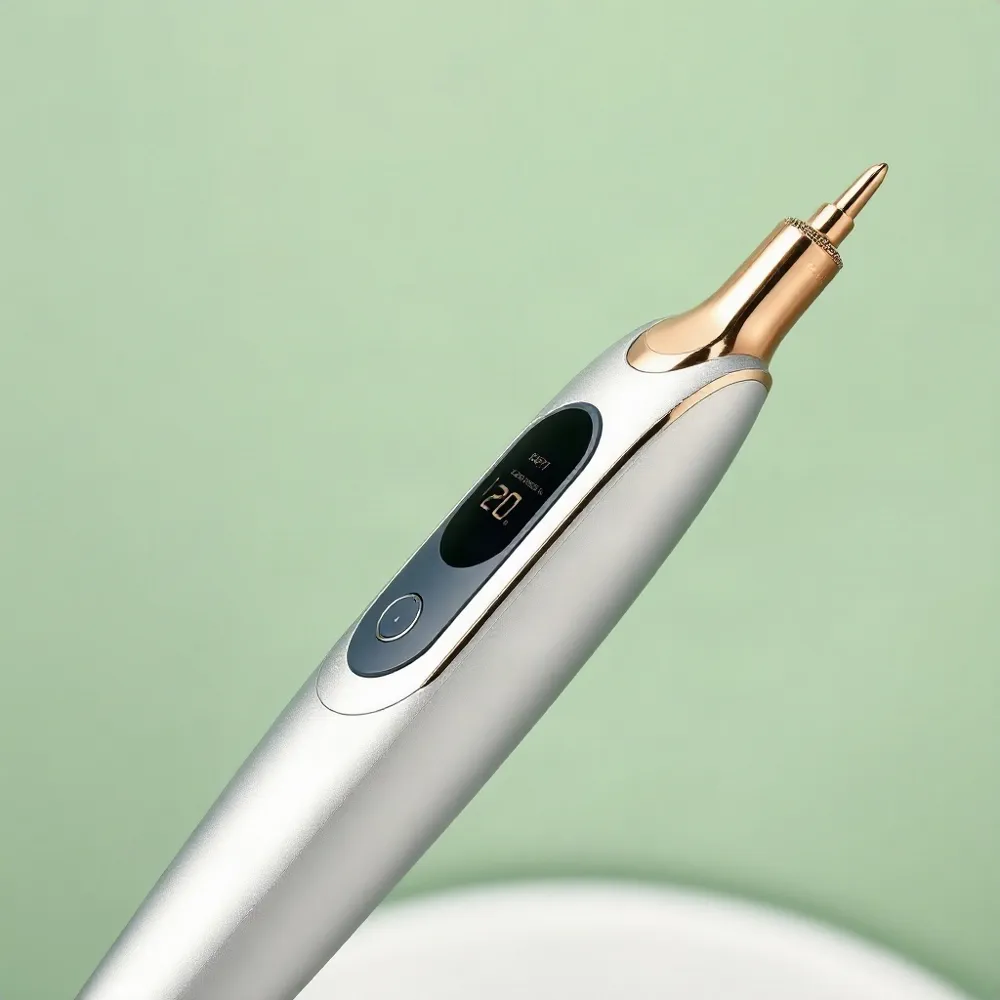
Dermatologists have a range of tools to address both scars and hyperpigmentation. At Dermatology Associates, PC, advanced radiofrequency microneedling with Morpheus8 is a leading option. This technology combines tiny needles with radiofrequency energy to stimulate collagen deep within the skin, improving the texture of depressed acne scars and tightening the skin simultaneously. For many patients, Morpheus8 offers a minimally invasive path to significant improvement with minimal downtime.
Chemical Peels. Superficial peels using glycolic acid, salicylic acid, or Jessner's solution remove the top layer of skin to fade hyperpigmentation and smooth mild textural irregularities. The PMC guide on adult female acne confirms their effectiveness for comedonal and mild inflammatory acne.
Laser Resurfacing. Fractional lasers create microscopic injuries in the skin to trigger collagen remodeling. This can reduce the depth of rolling or boxcar scars and even out skin tone.
Injectable Fillers. For deep, depressed scars, soft tissue fillers can be injected beneath the scar to lift the depression, restoring a smoother contour. Hopkins Medicine notes this as a procedure that replaces lost collagen.
Regardless of the treatment path, one rule is universal: daily SPF 30+ sunscreen is non-negotiable. Harvard Health emphasizes that sun exposure darkens post-inflammatory spots, undoing the progress made by any scar treatment. Equally important is avoiding the habit of picking or squeezing blemishes, which turns a temporary spot into a permanent scar.
Natural and Lifestyle Approaches for Clear Skin
 Many adults with acne want to start with natural or lifestyle-based changes before considering medication. While these approaches are helpful for preventing breakouts and supporting overall skin health, they have limits—especially for persistent or cystic cases.
A meta-analysis of 14 studies published by Harvard Health, involving nearly 80,000 participants, found links between dairy products, high-glycemic foods, and an increased risk of acne. Reducing these items from your diet may help stabilize blood sugar and hormone levels, which can reduce breakouts. Evidence on diet and acne is still developing, but many patients see improvement after limiting milk, sugary snacks, and refined carbohydrates.
Stress is a well-known trigger for adult acne. When stressed, the body produces cortisol, which signals oil glands to overproduce sebum and worsens inflammation. Daily stress management—whether through exercise, meditation, or simply prioritizing sleep—can help lower cortisol levels and reduce the severity of hormonal breakouts.
Daily habits matter just as much. Wash your face gently twice a day with a mild cleanser and lukewarm water. Avoid scrubbing, which strips the skin barrier and triggers more oil production. Never sleep with makeup on, and choose skincare, haircare, and makeup products labeled “non-comedogenic” or “oil-free” to prevent pore clogging. Change pillowcases frequently and try not to touch your face during the day to limit the transfer of oil and bacteria.
Picking or squeezing blemishes is one of the worst things you can do. It worsens inflammation, spreads bacteria, and can turn a small spot into a permanent scar or dark mark. The American Academy of Dermatology notes that post-inflammatory hyperpigmentation is especially common in adults with darker skin tones, making non-picking even more important.
When natural approaches are not enough
For mild acne, lifestyle changes and consistent gentle care can produce visible improvement over 6–12 weeks. However, if you have large, painful cysts, deep nodules, or acne that leaves scars, OTC products and natural adjustments are unlikely to be sufficient. The AAD advises that adult acne with scarring or significant inflammation requires a board-certified dermatologist’s evaluation. At Dermatology Associates, PC, customized treatment plans combine lifestyle guidance with proven medical therapies, including prescription topicals, oral medications, and in-office procedures like Morpheus8 and chemical peels, to address stubborn acne and its aftermath.
When to See a Dermatologist
 Recognizing when to move from self-care to professional care can make the difference between a temporary breakout and permanent scarring. Several clear signs point to the need for a dermatologist's evaluation.
If your acne is painful, cystic, or leaving scars, over-the-counter products are unlikely to be sufficient. The American Academy of Dermatology advises that large, deep pimples and scarring require prescription-strength treatment. Likewise, if you have used an OTC product consistently for 8 to 12 weeks without noticeable improvement, it is time to schedule an appointment.
A sudden onset of acne—especially with symptoms like irregular menstrual cycles, hair loss, or rapid weight changes—can signal an underlying condition such as polycystic ovarian syndrome (PCOS) or another endocrine disorder. Pregnancy also calls for caution: some common acne ingredients are not safe during pregnancy, so a dermatologist's guidance is essential before starting or continuing any treatment.
Post-inflammatory hyperpigmentation—dark spots that linger after a pimple heals—often requires professional care, especially in darker skin tones where OTC products may not be effective. Emotional distress from acne is another valid reason to seek help; adult female acne has been linked to anxiety and depression, and timely care can prevent lasting damage to both skin and confidence.
At Dermatology Associates, PC, led by Dr. Sonya F. Campbell Johnson, patients receive customized treatment plans based on evidence-based medicine. The practice offers free consultations to assess your skin, identify triggers, and design a regimen that fits your goals—whether that involves prescription topicals, oral medications, or in-office procedures like chemical peels and Morpheus8 for scarring. Early intervention with a board-certified dermatologist offers the best path to clear, healthy skin.
Clear Skin is Within Reach
Adult acne can feel frustrating, but it is a manageable condition. The most effective path to clear skin combines a consistent daily skincare routine with professional care.
With a board-certified dermatologist, almost all cases of acne can be successfully treated. At Dermatology Associates, PC, patients receive customized treatment plans tailored to their skin type, lifestyle, and goals.
Seeking help is a step toward clearer skin and renewed confidence. Reliable sources like the American Academy of Dermatology and Harvard Health confirm that with the right approach and patience, improvement is not only possible but expected.