A Common Condition with Modern Solutions
Hair loss in women is a widespread concern, affecting approximately 30 million people in the United States alone. While often viewed through the lens of aesthetics, the condition frequently carries a significant psychological burden, impacting self-esteem and social confidence. Because women often experience diffuse thinning rather than the localized baldness common in men, early clinical assessment is essential to identify the underlying cause.
At Dermatology Associates, PC, our approach moves beyond one-size-fits-all strategies by utilizing professional diagnostic tools like trichoscopy and scalp biopsies. Whether addressing follicular miniaturization through FDA-approved medications like minoxidil or exploring regenerative options such as platelet-rich plasma, modern dermatology offers diverse ways to manage hair health. By integrating these targeted medical interventions with personalized wellness support, we help patients address both the physical progression of hair loss and its emotional effects.
What Causes Female Hair Loss?
 The primary cause of hair loss in females is female pattern hair loss, also known as androgenetic alopecia. This inherited condition affects approximately 30 million women in the United States and involves a gradual miniaturization of hair follicles. Over time, these follicles shrink, producing progressively finer and shorter hair strands rather than full-diameter terminal hairs.
While genetics provide the foundation, hormonal influences significantly accelerate thinning. Declining estrogen levels during menopause often reveal underlying genetic tendencies, while conditions like polycystic ovary syndrome (PCOS) can cause thinning in younger women due to elevated androgen activity. Dermatology Associates, PC provides personalized evaluation to determine whether hormonal imbalances are driving your specific pattern of loss.
Not all hair loss is permanent. Conditions like telogen effluvium often present as sudden, temporary shedding triggered by acute physical or emotional stress, childbirth, or significant nutritional deficiencies. Other clinical causes require distinct management:
- Alopecia areata: An autoimmune response causing patchy, localized shedding.
- Traction alopecia: Results from repetitive pulling or mechanical stress exerted by tight hairstyles like braids or buns.
- Nutritional deficits: Low ferritin, vitamin D, or zinc levels can weaken hair health.
At Dermatology Associates, PC, clinicians utilize advanced diagnostic tools, including trichoscopy and targeted blood panels, to differentiate between these transient issues and progressive androgenetic alopecia. Early intervention is vital, as identifying the underlying trigger allows for timely medical or regenerative support before follicles suffer irreversible damage.
The Hair Growth Cycle and When It Goes Awry
Healthy hair follows a predictable, three-phase growth cycle: the anagen phase, where hair actively grows; the catagen phase, a brief transition; and the telogen phase, the resting period before shedding. Most people naturally lose 50 to 100 hairs daily as part of this continuous replacement process. When this balance shifts, however, shedding exceeding 125 hairs per day often signals an underlying concern.
Various physical and emotional stressors can trigger telogen effluvium, a condition where the cycle is disrupted, causing a large portion of hair to enter the shedding phase prematurely. Clinical triggers for this diffuse thinning include significant psychological stress, rapid weight loss, childbirth, or recovering from a major illness or surgery. Certain medications can similarly disrupt these phases.
At Dermatology Associates, PC, our experts evaluate whether your shedding stems from these temporary cycle shifts or a chronic condition like androgenetic alopecia. Identifying the specific cause is necessary to determine if the hair loss is reversible or if targeted intervention is required to maintain density.
How Dermatologists Diagnose Hair Loss
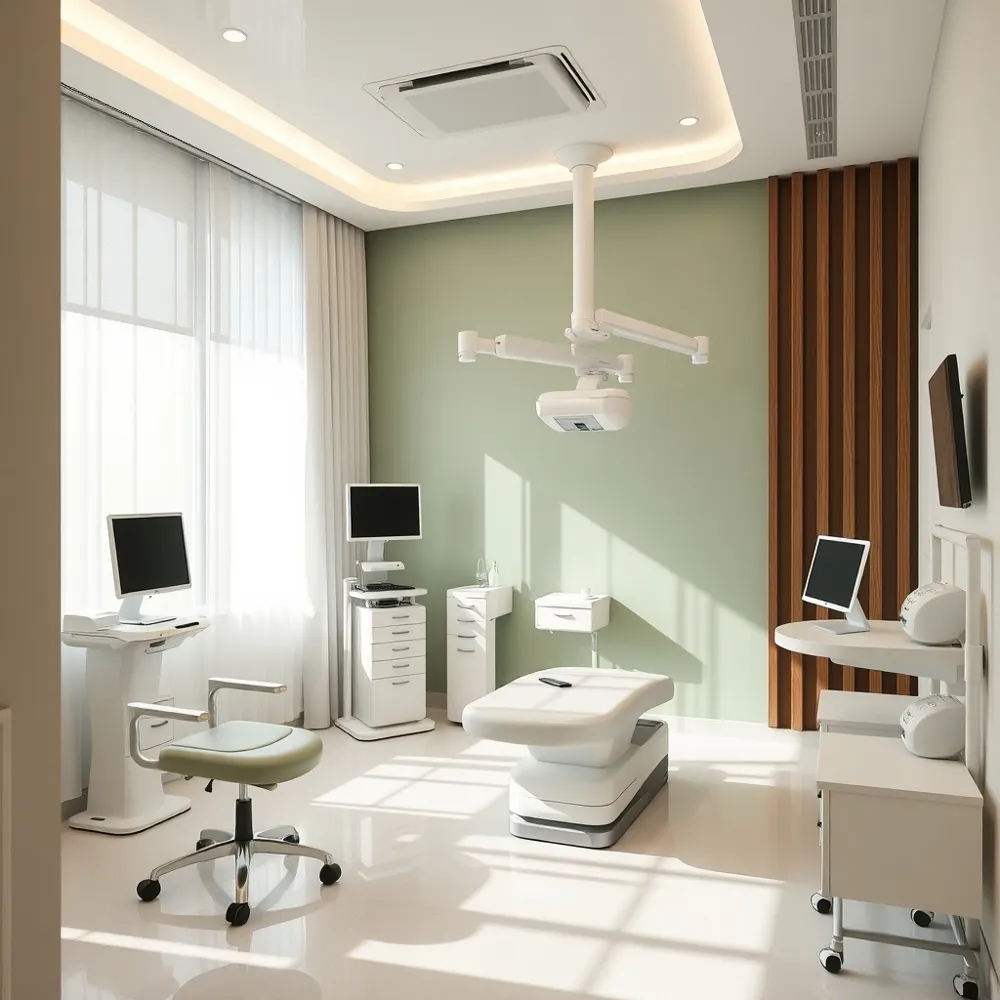 The diagnostic process begins with a comprehensive physical examination and a review of the patient's medical history. Dermatologists at Dermatology Associates, PC evaluate hair care routines, family history, and potential internal triggers such as stress or significant weight loss. This history-taking is essential to differentiate between conditions like female pattern hair loss (FPHL) and chronic telogen effluvium.
Clinicians utilize several specialized tools to assess scalp health. A pull test helps evaluate the phase of hair shedding, while trichoscopy using a dermatoscope allows for the precise visualization of follicles and hair density. If a systemic cause is suspected, blood work is ordered to screen for thyroid disorders, anemia, or deficiencies in iron, zinc, and vitamin D. In cases where the underlying cause remains unclear despite these assessments, a scalp biopsy with horizontal sectioning provides a definitive way to examine hair roots for miniaturization.
How do dermatologists diagnose and treat female hair loss?
Dermatologists diagnose female hair loss by conducting a thorough evaluation of the patient’s medical history, hormonal levels, and scalp health to identify the underlying cause. Once a diagnosis is established, clinicians at Dermatology Associates, PC create personalized treatment plans, often beginning with topical minoxidil, which is considered a first-line therapy with high evidentiary support. Additional medical interventions may include oral medications like spironolactone to address hormonal factors, alongside the correction of any identified vitamin or nutrient deficiencies. For comprehensive care, the practice offers regenerative solutions such as platelet-rich plasma (PRP) therapy to stimulate follicles and enhance hair density. By combining evidence-based medicine with these advanced therapies, dermatologists can effectively manage hair thinning while supporting long-term scalp and hair health.
Nutrition and Lifestyle: Foundations for Healthy Hair
Hair health is deeply connected to overall physiological wellness, making it essential to monitor both nutritional intake and lifestyle habits for those concerned about thinning. Deficiencies in vital nutrients such as iron, ferritin, zinc, vitamin D, and various B vitamins can significantly contribute to hair shedding. Because hair follicles are highly metabolically active, they are sensitive to both caloric and protein malnutrition, meaning a balanced diet is fundamental to maintaining follicle function.
What lifestyle factors or nutritional deficiencies should women monitor regarding hair health?
Beyond nutrition, women should manage chronic stress and evaluate hormonal health, as these factors frequently influence hair growth cycles. Certain mechanical habits, such as keeping hair in tight braids, ponytails, or using excessive heat and harsh chemicals, can lead to persistent breakage and long term damage. At Dermatology Associates, PC, our clinicians emphasize that hair-thickening shampoos and serums are cosmetic tools that provide volume without stimulating new biological growth.
Consulting a professional before selecting dietary supplements is vital. While popular products like biotin appear beneficial, excessive intake of certain minerals can paradoxically trigger health concerns. We recommend laboratory testing to identify specific deficiencies before beginning any regimen, ensuring that treatments are tailored to the actual needs of your body and scalp.
Topical Minoxidil: The First-Line Treatment
Minoxidil serves as the primary FDA-approved pharmacological intervention for female pattern hair loss. This treatment functions by enlarging miniaturized hair follicles and extending the anagen (active growth) phase of the hair cycle, which helps shift follicles from resting states back into productive growth.
At Dermatology Associates, PC, our customized approach ensures that patients select the appropriate concentration for their hair and scalp needs. While the 2% solution has long been the standard recommendation for women, our team often supervises the off-label use of 5% minoxidil due to clinical evidence suggesting improved efficacy in hair retention and regrowth.
Success with this therapy requires significant long-term commitment. Patients are typically cautioned that 'shedding,' or a temporary increase in hair loss, may occur during the first few weeks as follicles are stimulated to re-enter the growth phase. Additionally, consistency is vital because discontinuing the treatment usually leads to the regression of any achieved benefits.
Monitoring for side effects is also a key part of your care plan. Some individuals may experience scalp irritation due to ingredients like alcohol, or the growth of unwanted facial or hand hair if the solution makes contact with those areas.
Oral Medications for Hormonal Hair Loss
When topical treatments fail to arrest shedding, clinicians may explore systemic pharmacological options to counteract androgenic influences. At Dermatology Associates, PC, we often coordinate these therapies with comprehensive health screenings to ensure patient safety and hormonal balance.
Spironolactone serves as a prominent off-label anti-androgen for women. By competitively inhibiting androgen receptors and reducing ovarian androgen production, it helps stabilize hair density in patients with hyperandrogenism.
For women beyond menopause, finasteride may be considered, though its use is restricted in patients of childbearing age due to severe teratogenic risks. Because these medications can cause birth defects, dermatologists typically require patients to use effective birth control during the duration of therapy.
Supplemental management often involves ketoconazole shampoo. While primarily an antifungal agent, it provides anti-inflammatory and anti-androgenic properties that support scalp health in patients with pattern hair loss.
Platelet-Rich Plasma (PRP): A Regenerative Breakthrough
Platelet-rich plasma (PRP) therapy represents a modern, autologous approach to hair restoration. By utilizing a patient's own blood components, this treatment targets hair follicle activity through regenerative science. The preparation process involves collecting a blood sample and utilizing a centrifuge to concentrate platelets, which are rich in growth factors like Fibroblast Growth Factor and Vascular Endothelial Growth Factor.
These concentrated growth factors play a direct role in follicle health. When injected into the scalp, they assist in stimulating stem cells, promoting angiogenesis, and extending the anagen (growth) phase of the hair cycle. This process inhibits follicle apoptosis, or shedding, per meta-analysis data, which suggests significant improvements in both hair density and thickness for women experiencing androgenetic alopecia.
What is Platelet-Rich Plasma (PRP) therapy and how effective is it for hair regrowth?
PRP therapy functions as a regenerative treatment that uses a patient's own concentrated blood platelets to stimulate tissue healing and cell reproduction. By promoting blood circulation and revitalizing dormant follicles, it serves as a minimally invasive option for hair thinning. Clinical studies show that while individual response varies, many patients see noticeable improvements after a series of sessions. At Dermatology Associates, PC, our clinicians often combine PRP with prescription therapies to create comprehensive care plans tailored to individual needs.
- A typical protocol involves three sessions spaced one month apart, followed by maintenance boosters.
- The treatment maintains a favorable safety profile since it is autologous, with mild, transient side effects like scalp sensitivity typically resolving quickly.
- Candidates with early-to-moderate thinning often see better results than those with extensive or scarred areas.
- Optimal clinical outcomes are frequently achieved when PRP is used as an adjuvant to treatments like topical minoxidil.
Innovative and Emerging Therapies
Are there new or innovative treatments for female hair loss? The field of women’s hair loss treatment is evolving to include several regenerative and innovative strategies. Beyond traditional medications and structural supports like PDO thread lifts, emerging research is exploring the use of specialized botanical, vitamin, and mineral compounds, such as ALRV5XR, which aim to prolong the hair follicle's growth phase and activate molecular pathways essential for hair regeneration. Integrative approaches now frequently incorporate platelet-rich plasma, or PRP, and exosome therapies to stimulate scalp health and follicular activity. These treatments focus on inducing neogen in involuted follicles rather than just masking thinning. Dermatology Associates, PC utilizes these advanced, minimally invasive technologies to provide customized treatment plans designed to improve hair density and overall patient confidence.
Expanding the clinical toolkit
- Low-level laser therapy (LLLT) uses, such as HairMax Lasercomb, involve FDA-cleared devices that stimulate hair density through light exposure.
- Microneedling serves as an effective adjuvant procedure, creating micro-channels that significantly enhance the absorption of topical treatments when combined with minoxidil.
- Regenerative advancements now explore exosome therapy to support cellular communication and rejuvenation within the scalp environment.
- Molecular research continues to investigate proprietary compounds that target the specific biological pathways linked to follicular miniaturization.
While many of these therapies show promise, success often depends on early diagnosis. Unlike facilities that offer limited, one-size-fits-all services, Dermatology Associates, PC integrates these emerging modalities into a broader framework of dermatologic wellness. By combining evidence-based medicine with modern technology, patients receive targeted support rather than relying solely on off-the-shelf products.
Surgical Options: When Is Hair Transplantation Right?
For women experiencing progressive thinning, surgical intervention like follicular unit transplantation may offer a path to restoration. Unlike male pattern loss, female thinning is often diffuse, requiring careful assessment to ensure the patient has sufficient donor hair density on the occipital scalp to achieve meaningful coverage. At Dermatology Associates, PC, we evaluate candidacy by considering both the extent of loss and the patient's long-term hair goals.
Surgery is rarely a standalone cure. Because female pattern hair loss is a chronic, progressive condition, patients must commit to ongoing medical therapy to protect existing, non-transplanted follicles from further miniaturization. While modern techniques like those discussed on dermassoc.net provide refined results, candidates should maintain realistic expectations regarding density and timing. As with all invasive procedures, potential risks including swelling, infection, or scarring must be balanced against the desired aesthetic outcome.
Cosmetic Solutions and Camouflage
While medical treatments like minoxidil focus on stimulating follicles, cosmetic interventions provide immediate improvements to hair's visual density. These methods serve as essential bridges for patients, helping to manage self-esteem while waiting for clinical therapies to produce results. Unlike restorative approaches that target biological cycles, cosmetic aids mask thinning without altering follicle health.
At Dermatology Associates, PC, we emphasize that appearance is closely tied to quality of life. For patients seeking quick relief, several options are available:
- Hair-building fibers: Microscopic fibers that cling to existing strands to create a thicker appearance.
- Scalp micropigmentation: A technique that uses pigment to shade the scalp and mimic the look of natural follicles.
- Volumizing products: Specialized shampoos and styling agents designed to coat the hair shaft for added volume.
- Hair prostheses and wigs: Modern integrations that offer high-quality, natural coverage for those with widespread thinning.
Effective management often involves combining these cosmetic tools with gentle care routines, such as avoiding high-tension styles or excessive heat. Many commercial thickening agents only coat the exterior of the hair, distinguishing them from the regenerative procedures offered at our practice that target the root cause of hair loss. By addressing both the medical and aesthetic components of thinning, patients can maintain confidence throughout their treatment journey.
The Importance of Early Intervention
 Addressing hair loss effectively often hinges on speed. Because female pattern hair loss is a chronic, progressive condition, starting treatment early provides the best opportunity to preserve existing follicles before miniaturization causes permanent thinning. At Dermatology Associates, PC, our experts prioritize timely assessments, identifying diagnostic signs like a widening part line early to ensure patients have access to effective FDA-approved maintenance plans.
Management of hair loss is typically a long-term commitment that requires indefinite adherence to maintain results. Since the underlying biology of the condition rarely resolves on its own, partnering with a board-certified dermatologist allows for the creation of a personalized, evidence-based strategy. While competitors may offer off-the-shelf kits, Dermatology Associates, PC differentiates care by combining clinical diagnostics with tailored therapies like nutritional counseling, topical protocols, and advanced regenerative options.
The emotional impact of shedding often manifests as lowered self-esteem or anxiety, as hair is frequently associated with feminine identity. Patients should not feel they must carry this burden alone. Integrating your hair health plan with support for mental well-being is vital, and our team is committed to addressing both the physical symptoms and the psychological stress associated with hair transitions.
Empowering Women Through Knowledge and Care
Hair loss in women is a complex, multi-factorial condition that extends beyond surface appearance to touch upon hormonal, nutritional, and genetic factors. Because symptoms like thinning often overlap across different causes, understanding the specific source of hair loss is vital for successful management.
At Dermatology Associates, PC, we believe that an individualized treatment approach is the most effective path forward. Whether addressing androgenetic alopecia through minoxidil or utilizing platelet-rich plasma for regenerative stimulation, modern evidence-based solutions offer hope. Early intervention remains the most reliable strategy to preserve existing follicles and support long-term density, ensuring that our patients feel confident and well-supported throughout their dermatologic wellness journey.