Understanding Changes in Vaginal Health During the Menopausal Transition
The menopausal transition brings significant physiological changes, primarily driven by a natural decline in estrogen production. This hormone is essential for maintaining vaginal lubrication, tissue elasticity, and the presence of healthy bacteria that prevent infection, according to The Menopause Charity. As estrogen levels drop, the vaginal and vulvar tissues become thinner, drier, and more prone to inflammation.
Medical experts now use the term Genitourinary Syndrome of Menopause (GSM) to describe this collection of symptoms. GSM encompasses more than just vaginal dryness; it often includes vulvar irritation, pain during intercourse, increased urinary urgency, and a heightened susceptibility to recurrent urinary tract infections. Harvard Health Publishing reports that approximately 50% of postmenopausal women experience these symptoms, yet many do not seek treatment.
Addressing these changes early is essential to maintaining long-term comfort and quality of life. Left unmanaged, persistent dryness and atrophy can lead to ongoing discomfort, significant relationship stress, and potential tissue trauma. For those seeking comprehensive care, Dermatology Associates, PC provides an integrative approach that connects skin health, hormonal balance, and overall systemic wellness to help patients navigate this life stage effectively.
Recognizing the Symptoms and Root Causes of Vaginal Dryness
 The menopausal transition frequently leads to genitourinary syndrome of menopause (GSM), a clinical term that replaces the older, more limited concept of vaginal atrophy. This condition occurs as estrogen production declines, causing vaginal tissues to lose their natural moisture, elasticity, and thickness.
What are the common symptoms and causes of vaginal dryness during perimenopause and menopause?
Women experiencing GSM often report a range of physical discomforts, including persistent burning, itching, and soreness of the vulva. Because the protective vaginal lining becomes thinner, many patients also encounter significant pain during intercourse, formally known as dyspareunia. Beyond direct tissue sensitivity, the decline in estrogen can negatively affect the urinary tract, leading to increased urinary frequency and a higher susceptibility to recurrent infections like cystitis or yeast infections.
While hormonal shifts are the primary driver, other factors can exacerbate these symptoms. Lifestyle elements such as smoking, stress, and alcohol consumption, alongside certain medications like antidepressants or anti-estrogen therapies, are known non-hormonal contributors to dryness. Because untreated symptoms can lead to chronic pain and reduced quality of life, an integrative approach to care that pairs professional medical evaluation with personalized wellness strategies can help address both the physical symptoms and the underlying hormonal causes.
Mechanism of Action for Radiofrequency Feminine Wellness Technologies
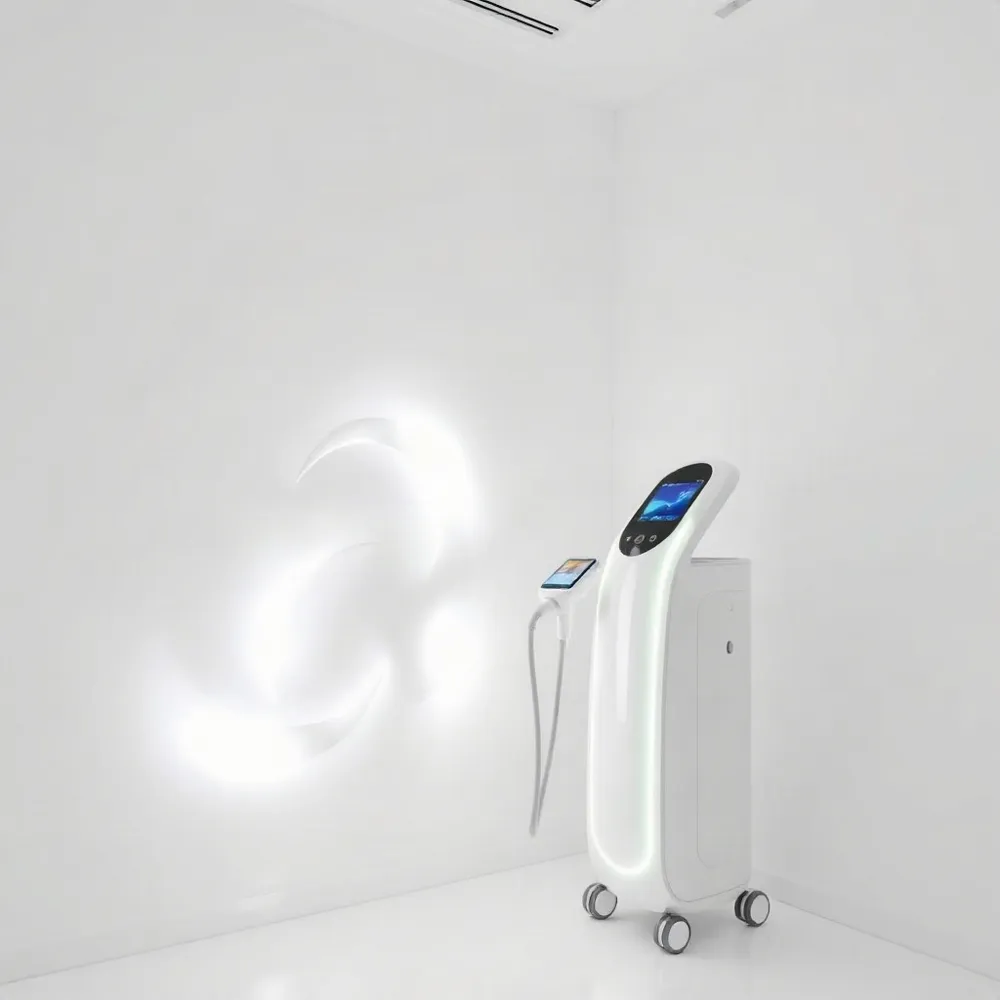
 Radiofrequency-based vaginal treatments like Morpheus8V and FormaV work by delivering controlled thermal energy to both internal and external vaginal tissues. This energy gently heats the tissue, which triggers the body’s natural healing response and stimulates the production of new collagen and elastin fibers. As these structural proteins regenerate, the treated tissue becomes firmer, more elastic, and better hydrated, which can help address concerns such as vaginal laxity and dryness.
Beyond stimulating structural proteins, the heat generated by these devices promotes improved local blood flow. Enhanced circulation supports better natural moisture levels and overall tissue health, mitigating symptoms often associated with genitourinary syndrome of menopause. In addition to Morpheus8V and FormaV, the V-Tone platform utilizes specialized electrical muscle stimulation to address pelvic floor strength, providing a non-surgical option for patients looking to improve functionality alongside tissue health.
These minimally invasive procedures are often integrated into a comprehensive care plan. At Dermatology Associates, PC, the use of these technologies is combined with hormone replacement therapy and regenerative wellness services to offer a more integrative path to menopause management. A systematic review published in Urology Times found that over 90% of studies reported positive patient outcomes from these energy-based therapies, highlighting their potential as a safe alternative or adjunct to traditional vaginal estrogen treatments.
Non-Surgical Rejuvenation Options and Clinical Integration
 Many patients explore non-surgical paths to avoid the risks associated with invasive procedures, such as scarring or prolonged recovery times. These technologies serve as effective alternatives or complements to traditional interventions like topical estrogen or over-the-counter moisturizers. Because genitourinary syndrome of menopause (GSM) is a chronic condition, many women prefer solutions that support long-term tissue health and elasticity.
What non-surgical options are available for intimate rejuvenation and addressing vaginal dryness?
Non-surgical intimate rejuvenation options primarily utilize radiofrequency (RF) technologies to address concerns like vaginal dryness, laxity, and pelvic floor function. Treatments such as Morpheus8V, FormaV, and V-Tone deliver controlled RF energy to the internal and external tissues, which stimulates collagen production, improves blood circulation, and promotes tissue remodeling. These minimally invasive procedures are designed to enhance intimate wellness without the need for anesthesia, incisions, or extended downtime. Before pursuing these treatments, patients should undergo a thorough examination by a qualified medical professional to ensure they are appropriate candidates and to rule out underlying medical conditions. At Dermatology Associates, PC, these customized solutions are integrated into a broader approach to feminine wellness and long-term health.
An integrative wellness philosophy is essential for managing the multifaceted nature of menopause. By combining feminine wellness procedures with hormone replacement therapy (HRT) or regenerative therapies, practitioners can address both the local tissue changes and systemic hormonal shifts. A 2024 review of studies found that these RF-based therapies provide safe, effective improvements in patient-reported outcomes for those suffering from GSM. Ensuring a proper clinical assessment before treatment remains standard practice to prioritize patient safety and verify that symptoms do not stem from other dermatological or gynecological issues.
Considerations, Safety Profiles, and Financial Investment
Selecting a qualified provider is the most critical step in ensuring safety when undergoing radiofrequency treatments. While platforms like Morpheus8V, FormaV, and V-Tone are designed to deliver controlled energy for tissue remodeling, outcomes depend heavily on professional execution. Dermatology Associates, PC prioritizes evidence-based protocols to minimize common, temporary side effects such as redness, mild swelling, or localized tenderness that may persist for a few days post-procedure.
What are the potential downsides or considerations when considering Morpheus8 or similar rejuvenation treatments?
Patients should approach energy-based rejuvenation with realistic expectations regarding the necessity of a multi-session treatment plan. Although clinical data suggests that a high percentage of patients report improved outcomes after treatment, the American College of Obstetricians and Gynecologists emphasizes the importance of clinical oversight to address underlying medical conditions. Rare but potential risks, such as scarring or altered tissue sensation, are best mitigated by choosing a practice that provides a thorough pre-treatment assessment and adheres to strict safety standards.
What is the typical cost range for non-surgical vaginal rejuvenation procedures?
Investment for these elective procedures typically ranges from $1,800 to $4,000, depending on the specific technology used and the scope of your personalized treatment plan. Because these services are elective, they are generally not covered by insurance. Dermatology Associates, PC provides transparent cost estimates during a private consultation, ensuring that each patient understands the value of combining Morpheus8V or other RF therapies with hormone replacement therapy to achieve long-term wellness goals. By choosing a comprehensive practice, patients gain access to an integrative approach that connects aesthetic rejuvenation with their broader health needs.
Empowering Your Menopausal Journey Through Personalized Medical Care
Addressing symptoms of genitourinary syndrome of menopause early is vital for preserving tissue health and preventing discomfort. Because vaginal atrophy can progress if left unmanaged, professional evaluation ensures you receive a treatment plan tailored to your specific needs.
At Dermatology Associates, PC, we advocate for a holistic, evidence-based approach that integrates hormone replacement therapy with advanced technologies like Morpheus8V, FormaV, and V-Tone. By combining these regenerative feminine wellness solutions with systemic care, our team works to restore your comfort, confidence, and overall quality of life during your menopausal transition.