
Hormones and Your Wellness Journey
The relationship between hormonal balance and skin health is foundational to internal wellness. As estrogen levels naturally decline during menopause, individuals often notice changes such as reduced collagen content, increased skin atrophy, and significant moisture loss Managing Menopausal Skin Changes: A Narrative Review of .... Because the skin functions as an endocrine organ, these systemic shifts manifest visibly, often impacting self-esteem and overall quality of life.
In modern clinical practice, discussions surrounding hormone replacement therapy have become frequent as patients seek to address both vitality and aesthetic concerns. At Dermatology Associates, PC, our integrative approach connects these hormonal changes to long-term dermatological outcomes. We emphasize that effective care requires distinguishing between widely available medical options and unverified protocols.
Prioritizing evidence-based decision-making ensures that treatments for menopause-related symptoms, such as vaginal dryness, remain safe and reliable. By integrating Hormone Replacement Therapy with specialized procedures like Morpheus8V, we focus on customized plans that favor FDA-approved therapies, which offer documented safety profiles that compounded alternatives currently lack Compounded Bioidentical Menopausal Hormone Therapy.
Defining Bioidentical and Traditional Hormone Therapies
 Bioidentical hormone therapy utilizes substances that are chemically identical to hormones naturally produced by the human body, such as estrogen and progesterone. These compounds are typically synthesized in a laboratory from plant sources, such as soy or yams, to mirror the exact molecular structure found in the patient. Many patients are surprised to learn that numerous commercially available, FDA-approved hormone therapies already incorporate these identical structures, demonstrating that the term bioidentical is not unique to alternative medicine.
Correcting the Natural Marketing Misconception
The term natural is frequently used in wellness marketing to suggest that a treatment is inherently safe or organic, but it does not describe the manufacturing process. Bioidentical hormones require extensive commercial laboratory processing to achieve their final, usable state. Because they are processed, they are not all-natural in the colloquial sense, even when derived from plant materials. Understanding this distinction helps clarify that the safety of any hormone treatment relies on its regulatory status and clinical testing rather than its source label.
Distinguishing Custom Compounding from Regulated Medication
The most significant divide in hormone care lies in the production environment. Compounded bioidentical menopausal hormone therapy consists of custom-mixed preparations created by specialized pharmacies, which operate outside the standardized and rigorous FDA approval processes. These compounded versions are not subject to the same potency, purity, or consistency requirements as commercial drugs. Consequently, independent testing of prescriptions has occasionally revealed formulations that deviate from their label claims. At Dermatology Associates, PC, the medical team prioritizes evidence-based protocols, emphasizing that patients should look for approved, standardized treatment options to ensure both safety and predictable therapeutic outcomes.
Balancing Advantages and Risks of Compounded Hormones
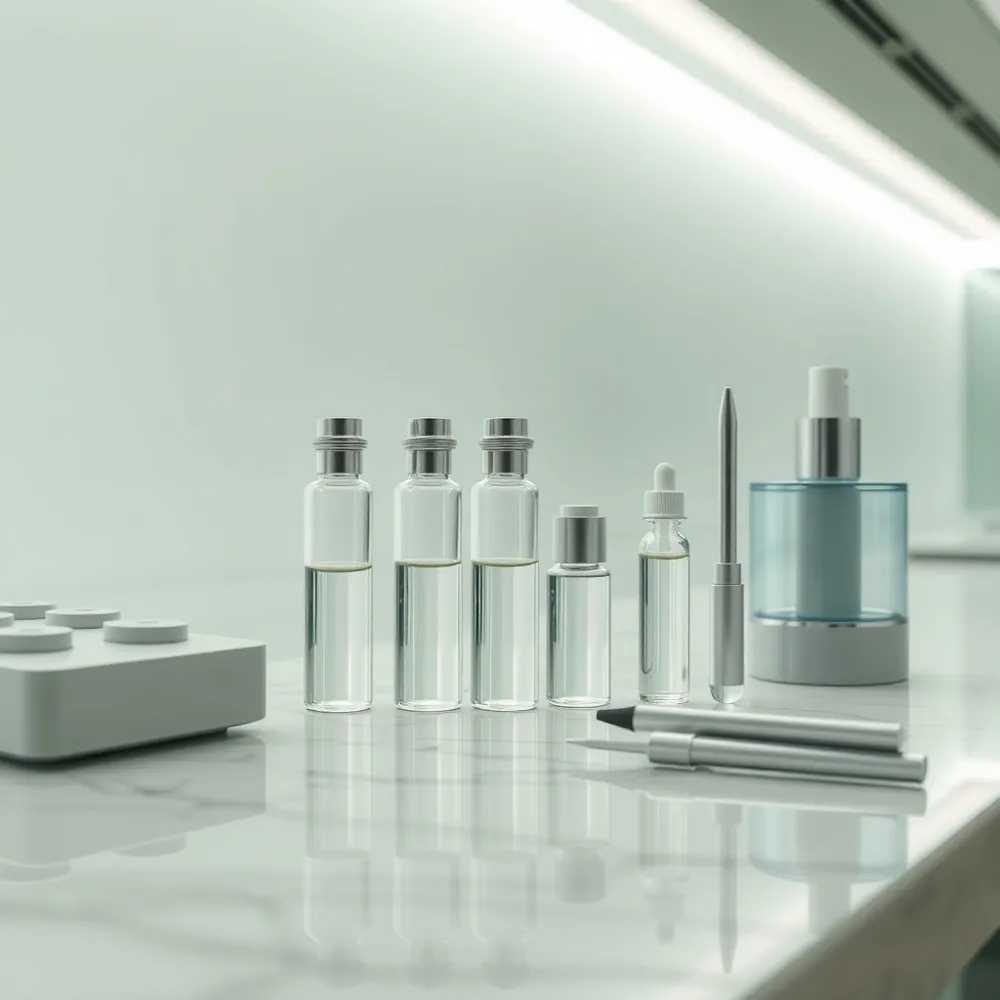 The demand for personalized hormone therapy often stems from a desire for precise, individualized treatment plans that can adapt to a patient's unique symptoms. Compounded bioidentical hormone therapy (cBHT) is frequently marketed as a solution that offers variable, custom-mixed dosages tailored to a patient’s specific needs. In contrast, evidence-based medicine prioritizes FDA-approved hormone therapies, which ensure rigorous standards for both purity and clinical safety that compounded alternatives often lack Compounded Bioidentical Menopausal Hormone Therapy.
A primary concern regarding compounded medications is the absence of consistent FDA oversight. Unlike mass-manufactured options, compounding pharmacies are not required to follow the same stringent manufacturing processes, stability testing, or adverse event reporting protocols The Truth About Bioidentical Hormones. Independent testing has frequently revealed that the potency of compounded preparations can significantly deviate from their labeled claims Compounded Bioidentical Menopausal Hormone Therapy. By opting for standardized treatments, patients benefit from the assurance that their medication meets established benchmarks for safety and efficacy.
The use of unreliable diagnostic tools further complicates the management of custom-compounded plans. Practitioners sometimes suggest saliva testing to determine dosage requirements; however, this method is not scientifically validated because hormone levels fluctuate naturally throughout the day, failing to provide an accurate reflection of systemic hormone concentrations Bioidentical Hormones: Therapy, Uses, Safety & Side Effects. For those experiencing menopausal changes, evidence-based interventions remain the safest path to managing symptoms like dryness and tissue laxity.
What are the common pros and cons associated with bioidentical hormone therapy?
Bioidentical hormone therapy uses hormones chemically identical to those produced by the human body to manage symptoms of hormonal imbalance, such as those occurring during menopause. A primary pro is the ability to customize formulations in terms of dosage and delivery method, such as creams, gels, or vaginal inserts. However, a significant drawback is that custom-compounded versions lack FDA oversight regarding their purity, safety, and standardized efficacy. Furthermore, there is no scientific evidence to suggest that bioidentical or natural products are safer or inherently more effective than FDA-approved, traditional hormone therapies. Patients considering these treatments should undergo thorough medical consultation to weigh these factors against potential health risks and ensure personalized, evidence-based care Bioidentical hormones: Are they safer?.
Long-Term Safety and Clinical Considerations
 Evaluating the long-term safety of hormone replacement therapy requires a move away from generalized marketing claims toward clinical assessments of individual health baselines. While the term bioidentical refers to hormones with a molecular structure identical to those naturally produced by the human body, its use in compounded preparations creates significant evidence gaps. Unlike commercial medications, compounded bioidentical menopausal hormone therapy lacks the mandatory FDA scrutiny regarding quality, purity, and long-term safety, making it difficult for researchers to quantify risks related to cardiovascular disease or specific cancers.
Are bioidentical hormones considered safe for long-term use?
The safety of long-term hormone therapy is a complex medical matter that lacks a one-size-fits-all answer. Dermatology Associates, PC prioritizes an integrative, evidence-based approach, ensuring that all wellness solutions are tailored to a patient's unique history rather than generic protocols. Clinical research indicates that hormone balancing should always include a thorough cardiovascular assessment and a review of personal or family risks, such as history of blood clotting or hormone-sensitive conditions. Because the landscape of hormone therapy is broad, relying on FDA-approved formulations remains the safest path to achieving consistent clinical outcomes while mitigating the risks associated with batch-to-batch variability.
Patients navigating these considerations should be wary of treatments relying on saliva testing, which is not a scientifically validated tool for hormone dosing. Instead, clinicians at Dermatology Associates, PC emphasize patient education and the necessity of monitored clinical care. By focusing on the lowest effective dose for the shortest duration, patients can work with their healthcare providers to balance the immediate benefits of symptom relief against the long-term potential for systemic side effects. Whether addressing menopause-related changes or general hormonal aging, the goal remains long-term wellness through medically sound, research-supported strategies.
Menopause and the Impact on Skin Health
The skin functions as an endocrine organ, sensitive to the hormonal shifts that define the menopausal transition. As estrogen levels drop, the skin encounters a rapid reduction in type I and III collagen, which provides structural support. This decline, estimated at roughly 2.1% per postmenopausal year, accompanies a significant loss of hyaluronic acid and other glycosaminoglycans that maintain hydration and turgor.
How does hormone replacement therapy impact skin health during menopause?
Systemic hormone therapy can influence skin quality by potentially enhancing thickness, hydration, and overall elasticity. Clinical data suggests these improvements are most pronounced when treatment begins near the onset of menopause. However, clinical guidelines do not currently support the use of hormone replacement therapy solely for dermatological treatment due to a lack of large-scale trials confirming a favorable benefit-risk profile for this specific purpose.
At Dermatology Associates, PC, the clinical approach recognizes that skin health is inseparable from systemic wellness. Rather than relying on HRT as an isolated dermal intervention, the practice integrates hormonal balance with advanced aesthetic technologies to manage menopause-related changes. For patients experiencing notable laxity or texture irregularities, the practice utilizes minimally invasive, evidence-based procedures like Morpheus8V and FormaV to address tissue remodeling and dryness directly. This integrative strategy ensures that internal hormonal support works in tandem with targeted dermatological care to achieve measurable improvements in skin integrity and overall patient confidence.
Synergizing Aesthetic Procedures and Hormonal Wellness
Achieving radiant skin during menopause requires looking beyond surface-level care to address the hormonal shifts that influence structural integrity. Hormone replacement therapy serves as a baseline for internal wellness, often improving hydration, elasticity, and collagen density as hormonal balance returns. However, HRT is not a clinical tool for reversing existing structural laxity or deep tissue sagging.
Can hormone replacement therapy reverse visible signs of aging like skin sagging?
While HRT supports the skin from within, correcting established laxity necessitates targeted, minimally invasive aesthetic interventions. At Dermatology Associates, PC, we anchor our approach in an evidence-based model that treats the skin as an endocrine organ while using advanced technology for physical rejuvenation. Procedures like Morpheus8 and FaceTite provide the precise, deep-tissue tightening that topical or systemic hormonal support alone cannot achieve. By combining these radiofrequency-assisted technologies with a personalized wellness plan, our patients experience a more holistic transformation that addresses both the internal and visible indicators of aging.
Prioritizing Evidence-Based Care at Dermatology Associates
Managing hormonal health requires a commitment to safety and clinical oversight. While compounding pharmacies offer custom preparations, these products often lack the rigorous safety and efficacy testing standards required by the FDA for commercially available medications. Patients should be aware that inconsistent potency and unverified manufacturing processes can pose unnecessary risks to long-term health.
Dermatology Associates, PC prioritizes an integrative approach, connecting internal hormonal balance with dermatologic wellness through evidence-based practices. By focusing on FDA-approved options and medical-grade technologies like Morpheus8V, the team ensures that symptom management does not compromise patient safety. Consultation with a qualified professional remains the most effective path toward achieving balanced skin and systemic health throughout the menopausal transition.